When it comes to crispy, golden-brown food, you have three popular options: the classic deep fryer, the modern air fryer, and the trusty convection oven. Each one delivers that satisfying crunch — but they go about it in very different ways. And depending on your priorities — health, cost, taste, or convenience — one might be a much better fit for your kitchen than the others.
In this head-to-head comparison, we're breaking down everything you need to know: how each appliance works, what they cost to buy and operate, how healthy (or not) they are, and what kinds of food they're best at. By the end, you'll know exactly which one belongs on your counter.
How Does Each One Actually Work?
Let's start with the basics. All three appliances use heat to cook food, but the mechanism behind that heat — and the results it produces — are quite different.
A deep fryer works by completely submerging food in hot oil (typically 350–375°F). The oil transfers heat rapidly and evenly, creating that iconic crispy exterior while keeping the inside moist and tender. It's the original way to make French fries, and there's a reason it's been around for centuries.
🔬 Quick Science: The Maillard reaction — the chemical reaction that creates that golden-brown crust and deep, toasty flavor — happens fastest when food surfaces reach 300°F+. Deep fryers get there in seconds; air fryers and convection ovens take a bit longer.
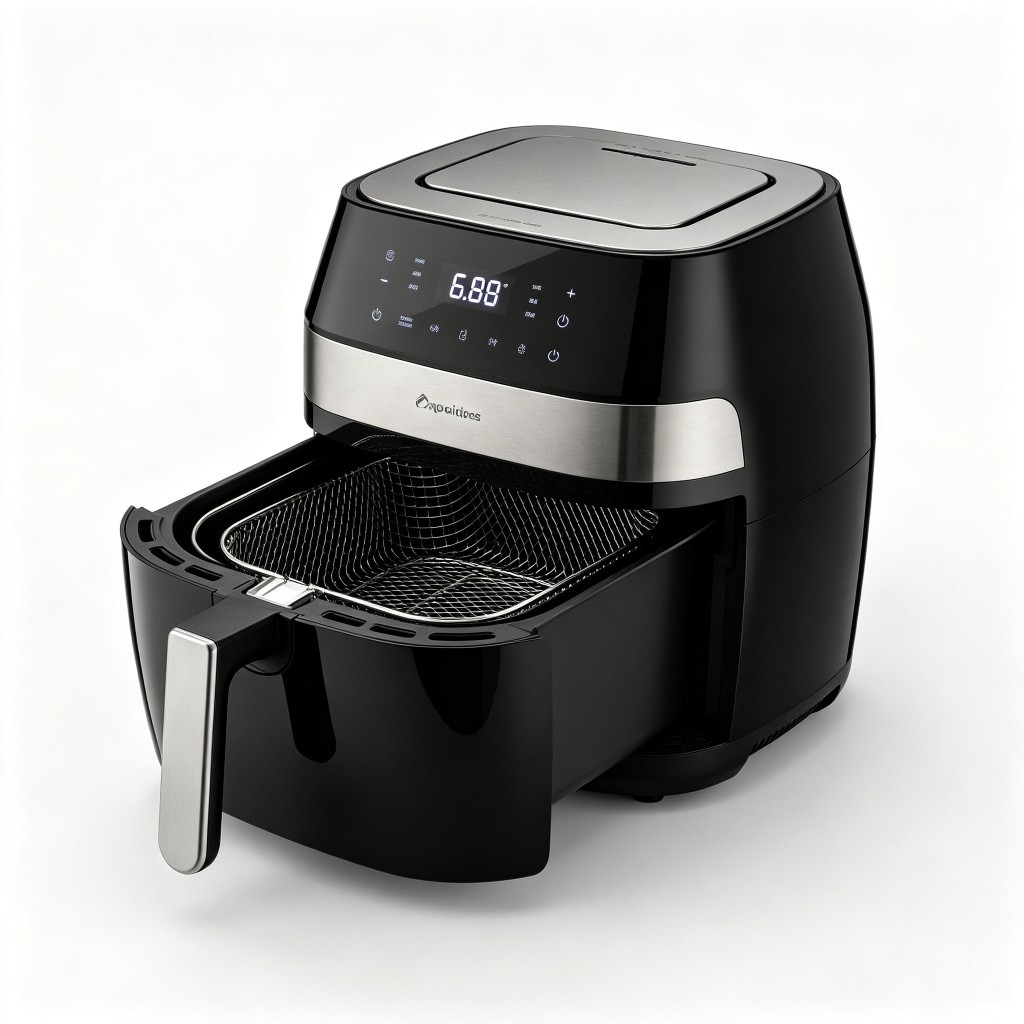
An air fryer is essentially a compact, countertop convection oven with a powerful heating element and a high-speed fan. It circulates super-hot air around the food at high velocity, crisping the outside while cooking the inside. You only need a light coating of oil (or sometimes none at all) to get a crispy result.
A convection oven works on the same principle as an air fryer — a fan circulates hot air — but it's bigger, usually built into your wall or range, and the fan isn't quite as powerful. Convection ovens are great for roasting and baking large batches, but they don't always get food quite as crispy as a dedicated air fryer.
Health: Which Is the Better Choice?
If health is your top priority, the answer is pretty clear — but there are some nuances worth knowing.
Deep fryers are the least healthy option by a wide margin. Food absorbs a significant amount of oil during frying — a single serving of French fries can soak up 2–3 tablespoons of oil, adding hundreds of calories and lots of saturated or trans fats. Regularly eating deep-fried food has been linked to higher cholesterol, heart disease, and other health issues.
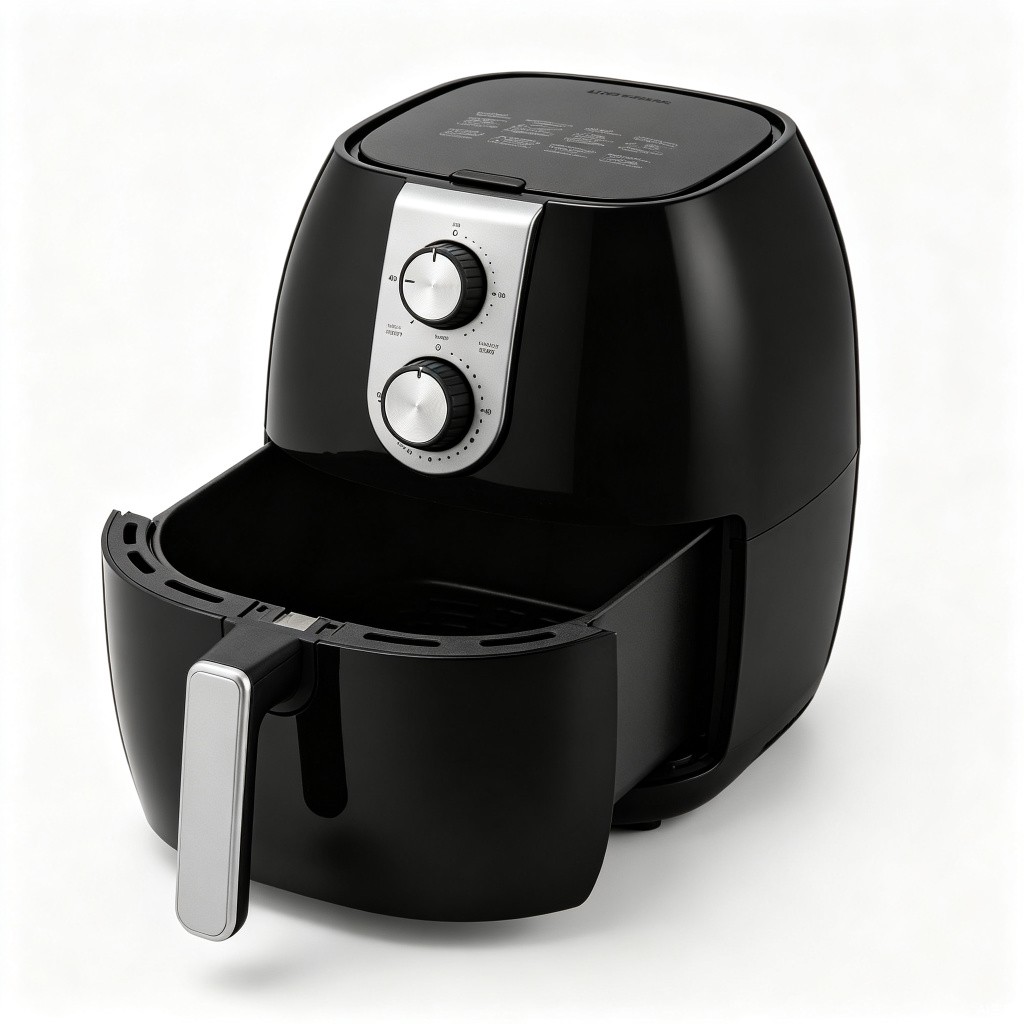
Air fryers shine here. Because you only need a teaspoon or two of oil (sometimes even less), air-fried food has a fraction of the fat and calories of deep-fried food. You're getting that satisfying crunch without the oil overload. It's not quite "health food" — you're still eating fries, after all — but it's a meaningful improvement.
Convection ovens land somewhere in the middle. Like air fryers, they use hot air instead of oil, so you're cutting way back on fat compared to deep frying. The difference is that convection ovens are larger and slower, so you might need more oil or a longer cooking time to get the same level of crispiness.
🏆 Health Winner: Air Fryer — Air fryers give you the closest thing to deep-fried crispiness with a tiny fraction of the oil. They're the best choice for anyone looking to eat healthier without giving up crunchy food.
Taste & Texture: How Do They Compare?
Let's be honest — taste is what really matters. And in a head-to-head taste test, the deep fryer still comes out on top for most people.
Food from a deep fryer has that classic, indulgent fried-food taste and texture. The crust is ultra-crispy, the inside is juicy, and the flavor is rich and deeply satisfying. There's a reason restaurants still use deep fryers — nothing else replicates that exact mouthfeel.
Air fryers have come a long way, and today's high-end models can get impressively close to deep-fried results. The texture is crispy and the flavor is good — but it's not identical. Air-fried food tends to be drier and slightly less rich. For most home cooks, though, the difference is small enough that they're perfectly happy with the tradeoff in exchange for better health and easier cleanup.
Cost: Upfront and Ongoing Expenses
Price is another big factor. Let's break down what you'll pay to buy and use each appliance.
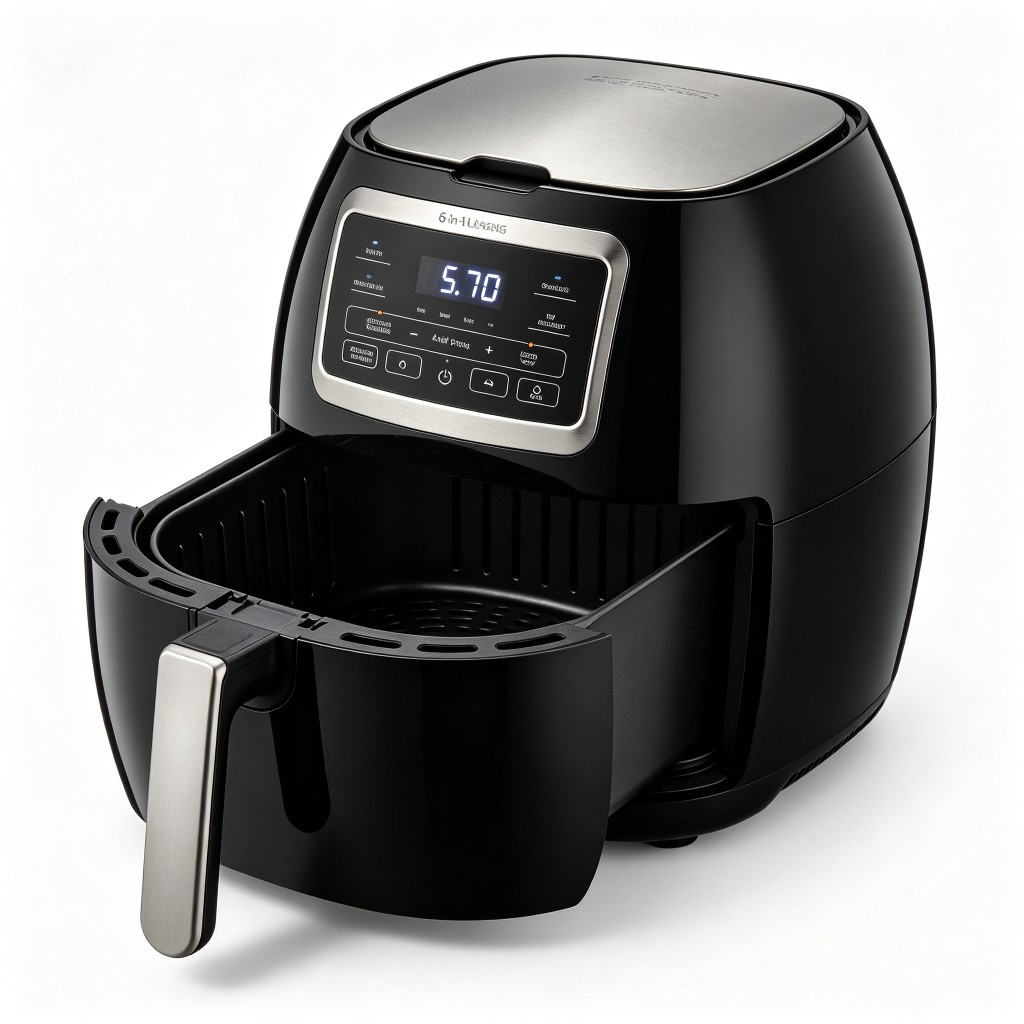
Upfront cost: Deep fryers are usually the cheapest, ranging from $30 for a basic model to $150 for a high-end one. Air fryers fall in the middle — expect to pay $50–$200 depending on size and features. Convection ovens are the most expensive by far, especially if you're buying a built-in model ($500–$2,000+). Countertop convection ovens are cheaper ($100–$400) but still pricier than most air fryers.
Ongoing costs: This is where deep fryers get expensive. Cooking oil isn't cheap, and you'll go through a lot of it — even if you filter and reuse it. Air fryers and convection ovens cost almost nothing to operate on a per-meal basis; you're just paying for a small amount of electricity. Over the course of a year, an air fryer can easily pay for itself in oil savings if you were previously deep-frying regularly.
Which One Should You Actually Buy?
There's no one-size-fits-all answer — it depends on what you value most. Here's our quick recommendation based on different priorities.
If you want the healthiest option: Get an air fryer
Air fryers give you that crispy, fried-like texture with minimal oil. They're compact, fast, and easy to use. If you're trying to eat better but don't want to give up crunchy, savory food, an air fryer is the clear choice. Check out our best air fryers guide to find the right model for you.
If authentic fried taste is everything: Get a deep fryer
There's no substitute for a real deep fryer when it comes to taste. If you only fry occasionally — say, for game nights or special occasions — and you want that perfect, restaurant-quality crunch, a deep fryer is worth the splurge. Just be aware of the health tradeoffs and the ongoing cost of oil.
If you cook for a crowd: Get a convection oven
For families or anyone who regularly cooks large batches, a convection oven is the most practical choice. It's versatile — you can roast, bake, broil, and yes, air-fry — and it has enough space for sheet pans and large cuts of meat. Many newer ranges come with convection built in, so you might not even need to buy anything extra.
⚠️ Consider Your Counter Space: Before you buy anything, measure your counter space. Air fryers and deep fryers both need a permanent home on your counter to actually get used. A convection oven can be built-in, but countertop models are bulky too.
The Bottom Line
For most people, an air fryer is the best all-around choice. It's healthier than a deep fryer, more convenient than a convection oven, and versatile enough to handle everything from frozen fries to roasted vegetables to whole chickens. The crispy texture might not be exactly like deep frying, but it's close enough that most people won't notice — and the health benefits are hard to ignore.
Of course, not all air fryers are created equal. Some get crispier than others, some have better temperature control, and some are built to last longer. Before you buy, make sure you're getting a model that actually delivers on its promises.
Ready to Find Your Perfect Air Fryer?
We've tested over 30 top models to help you find the best air fryer for every budget and kitchen size. See which ones came out on top.
See Our Best Air Fryer Reviews →