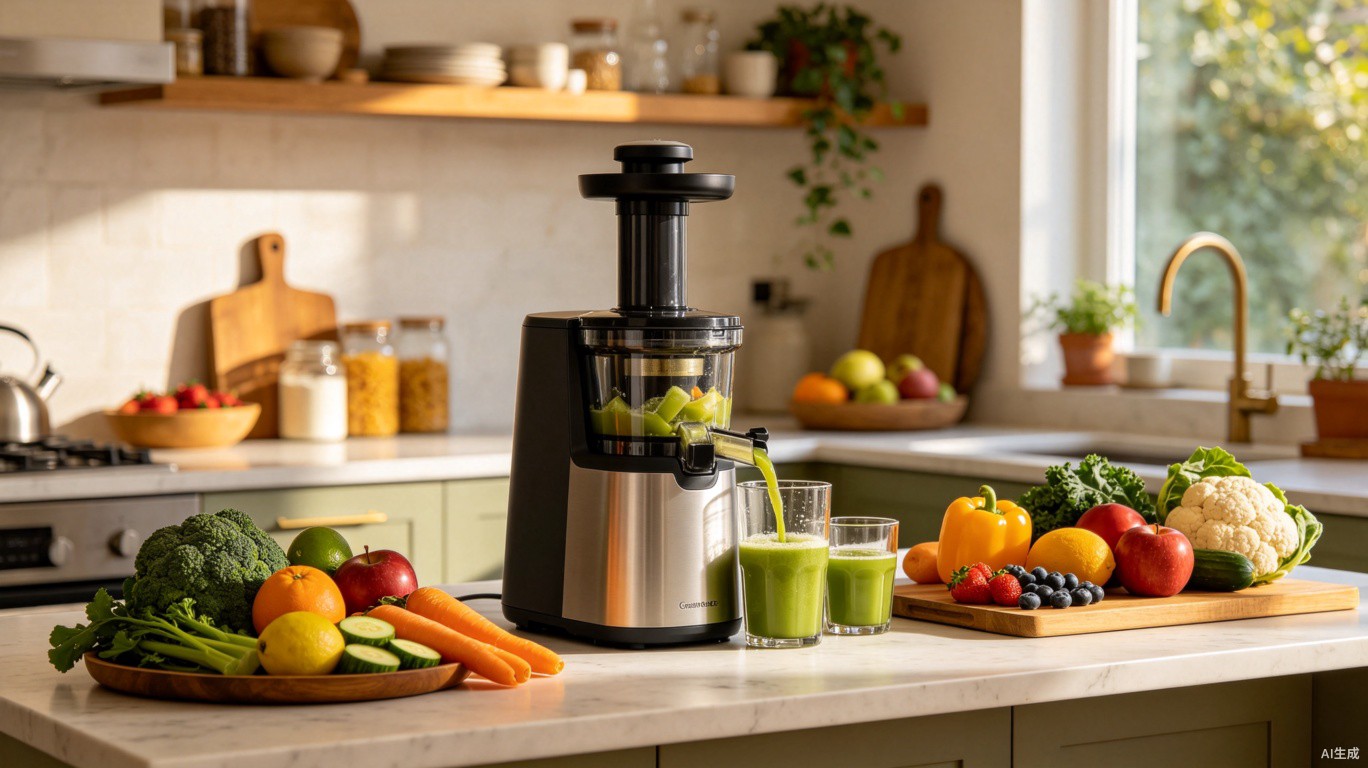
Buying a juicer should be simple — until you start shopping and realize there are centrifugal juicers, masticating juicers, triturating juicers, citrus presses, slow juicers, cold press juicers, horizontal augers, vertical augers, and machines that look like they belong in a commercial kitchen. Prices range from $40 to over $2,000, and every manufacturer claims their model produces the healthiest, freshest, most nutrient-dense juice on the market.
The truth is that there's no single "best juicer" for everyone. The right machine depends on what you plan to juice, how often you'll use it, how much time you want to spend cleaning it, and of course, your budget. In this complete buying guide, we'll break down every factor you need to consider before making a purchase, explain the differences between juicer types in plain language, and give you specific recommendations based on how you'll actually use your machine.
Whether you're a complete beginner buying your first juicer or a seasoned juice enthusiast looking to upgrade, this guide will help you make a confident, informed decision.
Why Buy a Juicer in the First Place?
Before diving into specifications and features, it's worth asking: is a home juicer worth the investment? For most people, the answer is yes — but not for the reasons you might think.
Freshly made juice contains vitamins, minerals, enzymes, and phytonutrients that begin degrading within minutes of juicing due to oxidation. Store-bought bottled juice, even the "cold-pressed" premium brands, is often days or weeks old by the time it reaches your refrigerator, and many brands use high-pressure processing (HPP) that extends shelf life at the cost of some live enzymes. Making juice at home ensures you're getting maximum nutrition from every glass.
There's also the cost factor. A single 16-ounce cold-pressed juice from a juice bar costs $8 to $14. Making the same juice at home costs roughly $1.50 to $3.00 in produce, depending on ingredients. If you drink juice daily, a $300 juicer pays for itself in about two to three months. And you control exactly what goes in — no added sugars, no flavorings, no preservatives, no mystery ingredients.
The Four Main Types of Juicers
The single most important decision you'll make is choosing the right type of juicer. Each type works differently, produces different quality juice, and suits different lifestyles.
Centrifugal Juicers
Centrifugal juicers are the most common and most affordable type. They work by shredding produce with a fast-spinning metal blade (typically 6,000–16,000 RPM) and then forcing the pulp against a mesh filter basket using centrifugal force — think of a salad spinner on steroids. Juice flows through the mesh while pulp is ejected into a separate container.
Pros: Fast juicing (a full glass in under a minute), wide feed chutes that reduce prep time, affordable ($50–$200), easy to find replacement parts.
Cons: The high speed introduces heat and air, which causes oxidation and can degrade some heat-sensitive enzymes; juice should be drunk immediately. They're less efficient with leafy greens and wheatgrass, leaving wet pulp and lower yield. They tend to be noisy.
Best for: Beginners, casual juicers, anyone who prioritizes speed and convenience over maximum nutrition, people who mostly juice fruits and hard vegetables.
Masticating (Cold Press / Slow) Juicers
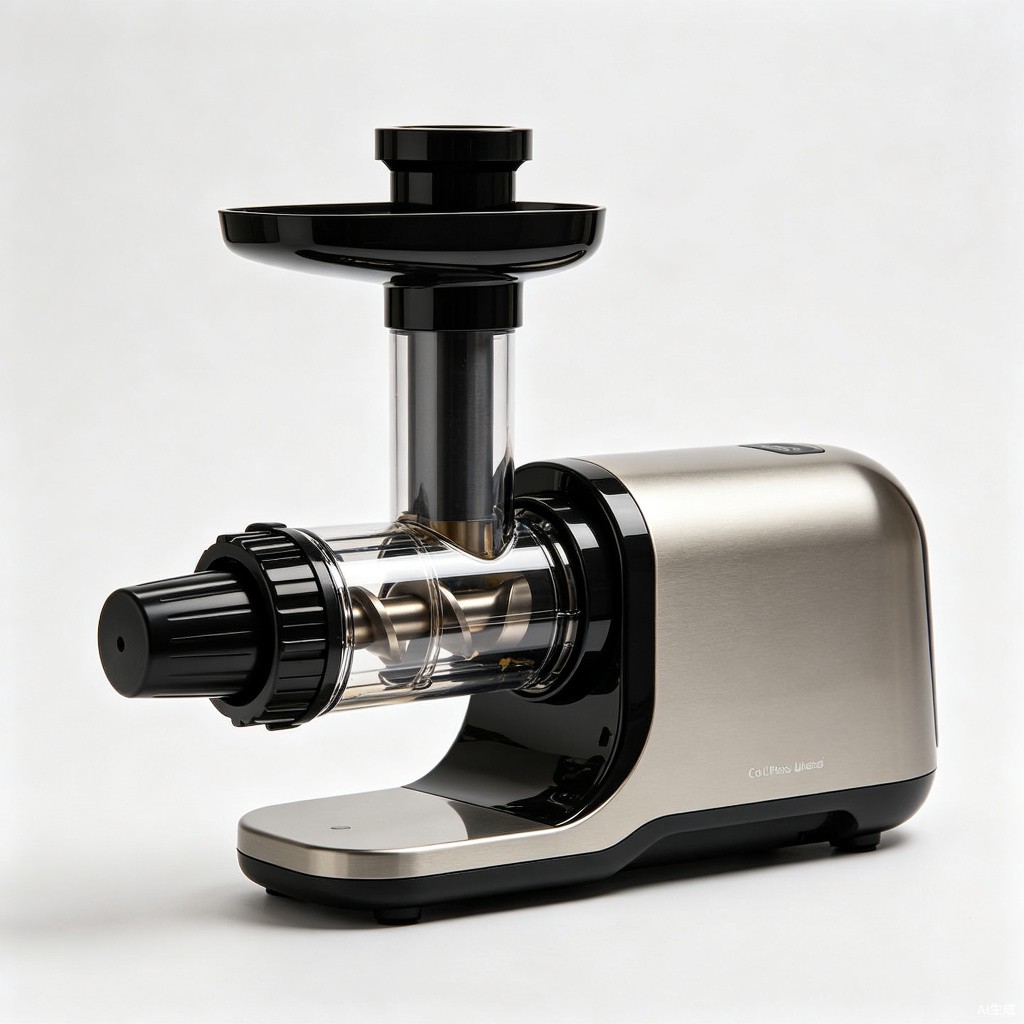
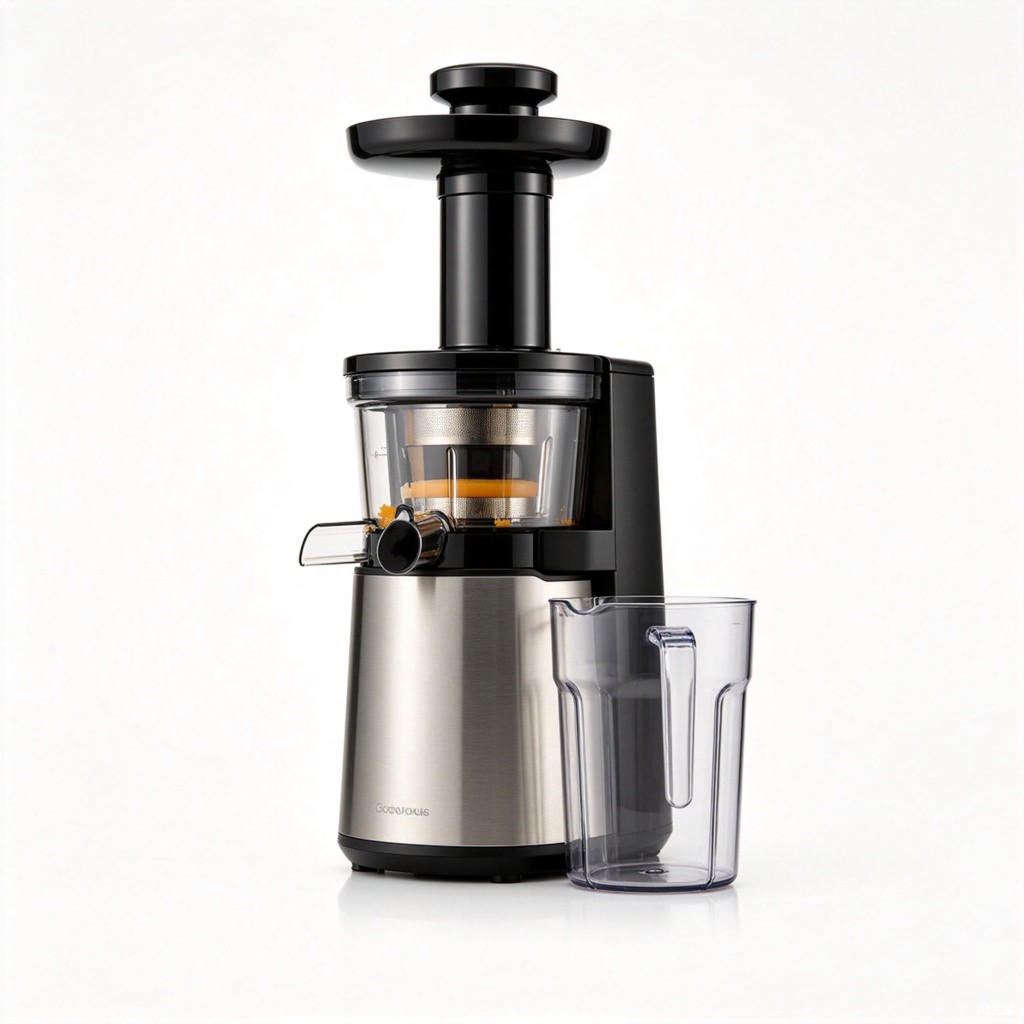
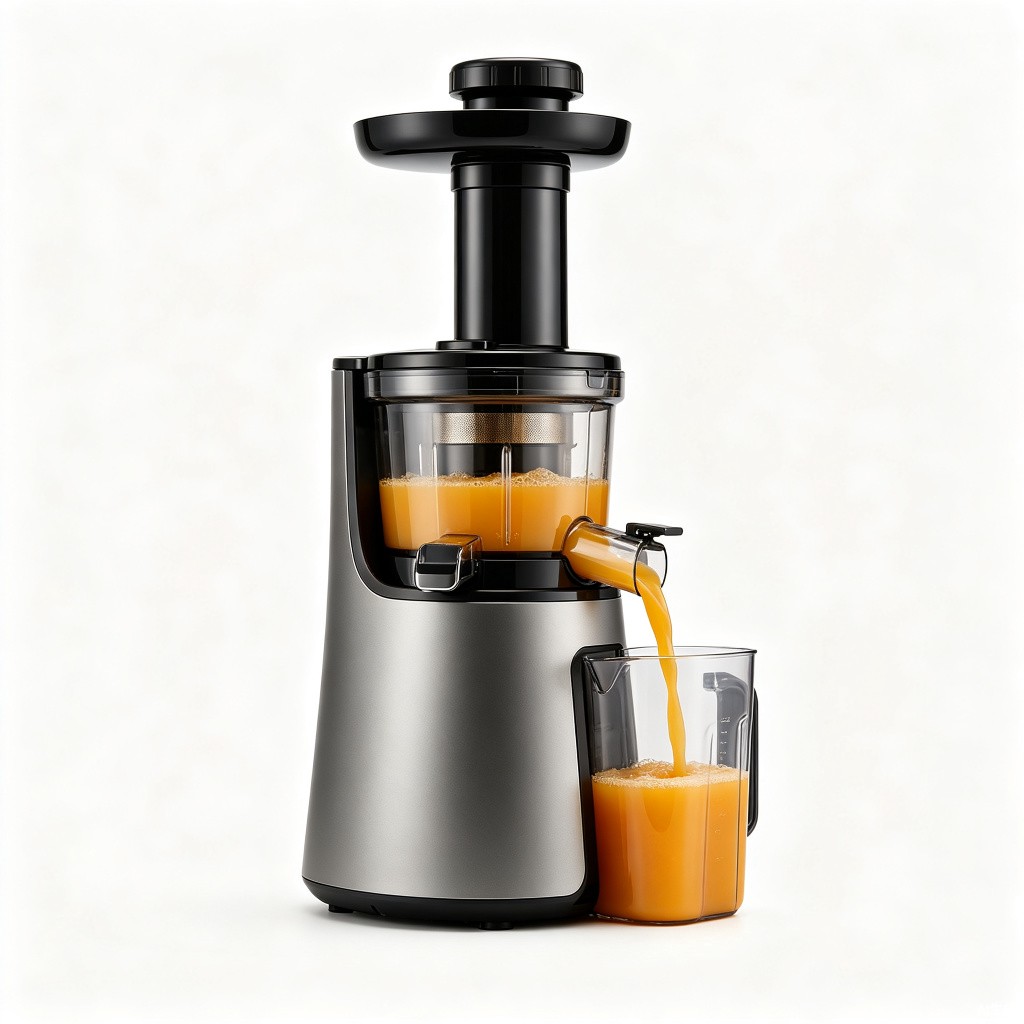
Masticating juicers — also called slow juicers or cold press juicers — use a single auger (a rotating screw-like gear) that slowly crushes and presses produce against a fine mesh screen at low speeds, typically 60–120 RPM. There's no spinning blade; instead, the auger chews through produce and squeezes out juice with remarkable efficiency.
Pros: Significantly higher juice yield (often 20–30% more than centrifugal), drier pulp, minimal oxidation and heat so juice retains more nutrients and enzymes and stays fresh for 48–72 hours in the fridge. Excellent at juicing leafy greens, wheatgrass, and soft fruits. Quieter operation. Many models can also make nut milks, baby food, sorbets, and nut butters.
Cons: More expensive ($150–$500+), slower juicing process, smaller feed chutes mean more prep time cutting produce, more parts to clean.
Best for: Daily juicers, green juice enthusiasts, anyone serious about nutrition, wheatgrass drinkers, people who want to make nut milks and other foods beyond juice.
Triturating (Twin Gear) Juicers
Triturating juicers use two interlocking cylindrical gears that rotate at very low speeds (typically 80–160 RPM) to crush and grind produce in two stages: first crushing it, then pressing it between the gears to extract every last drop of juice. These are the top-tier machines, often referred to as "commercial-grade" for home use.
Pros: The highest juice yield of any juicer type, the driest pulp, minimal oxidation for maximum nutrition and longest shelf life (up to 72 hours), exceptional at leafy greens, wheatgrass, pine needle juice, and even fibrous herbs. Many models can make nut butters, pates, pasta, sorbets, and more. Built to last with heavy-duty motors and long warranties.
Cons: Expensive ($400–$1,500+), heavy and bulky, slower juicing, more complex assembly and cleaning, overkill for casual juicers.
Best for: Serious juicing enthusiasts, people who juice large quantities, raw food diet practitioners, anyone wanting maximum nutrition and versatility and willing to pay for it.
Citrus Juicers
Citrus juicers are specialized machines designed exclusively for oranges, lemons, limes, grapefruits, and other citrus fruits. They come in manual presses, electric reamers, and motorized press models. You simply press a halved citrus fruit onto a reaming cone, and the juice flows out while seeds and pulp are caught by a strainer.
Pros: Extremely affordable ($15–$100), extremely fast for citrus, minimal cleanup, no peeling required (just cut in half), some manual models produce no noise at all.
Cons: Only work with citrus; you can't juice apples, carrots, kale, or anything else. Electric citrus juicers don't offer much advantage over a good manual press.
Best for: People who primarily drink orange juice, lemonade, or limeade; anyone who wants a dedicated citrus machine alongside a full juicer; minimalists who don't need a multi-purpose machine.
Key Factors to Consider
Beyond the type of juicer, there are several specific features and specifications that separate great machines from mediocre ones. Here are the factors that actually matter.
Juice Yield and Pulp Dryness
Juice yield — how much juice you get from a given amount of produce — is one of the most important practical considerations. A juicer with poor yield wastes produce and money over time. The best way to assess yield is to look at the pulp after juicing: it should be almost completely dry, like damp sawdust. If the pulp is wet and clumpy, you're leaving juice (and money) behind. Masticating and triturating juicers consistently produce drier pulp than centrifugal models, but there's significant variation between brands within each category.
Speed (RPM) and Nutrient Retention
The speed at which a juicer operates — measured in revolutions per minute (RPM) — directly affects oxidation and nutrient retention. High-speed centrifugal juicers run at 6,000–16,000 RPM, introducing significant air and heat that can degrade delicate enzymes (though this effect is often overstated by marketing). Masticating juicers run at 60–120 RPM, and triturating models at 80–160 RPM, producing minimal heat and oxidation. If you plan to store juice or care about maximum enzyme retention, lower RPM is better. If you drink juice immediately after making it, the difference in nutrition is less dramatic than marketing would have you believe.
Noise Level
Juicers can be surprisingly loud, especially centrifugal models with high-speed motors. If you juice early in the morning while others are sleeping, or if you live in a small apartment with thin walls, noise is a real consideration. Masticating juicers are significantly quieter — most produce a low hum rather than a high-pitched whine. Some budget centrifugal juicers can reach 85–90 decibels (about as loud as a blender), while premium masticating models operate at 60–70 decibels (conversational volume).
Feed Chute Size
The size of the feed chute determines how much prep work you need to do before juicing. Wide-chute centrifugal juicers (3 inches or more) can often handle whole apples and large chunks of produce with no cutting required. Most masticating juicers have narrower chutes (1.5–2 inches) that require you to cut produce into smaller pieces, adding 2–5 minutes of prep time per batch. Some newer "wide mouth" masticating models bridge this gap with 2.5–3 inch chutes, but they're still not as common. If prep time is a dealbreaker for you, look for a model with a wide feed chute.
Ease of Cleaning
This is the factor that determines whether you'll actually use your juicer or whether it'll end up collecting dust in a cabinet. A juicer that's difficult to clean will quickly become abandoned. Look for models with fewer parts, dishwasher-safe components, and included cleaning brushes for the mesh screen. Some juicers have patented "self-cleaning" systems or quick-rinse features. As a rule, centrifugal juicers are faster to clean (fewer parts, simpler screens), while masticating juicers have more components, including augers, screens, and sometimes homogenizing blanks. Expect to spend 2–5 minutes cleaning a good juicer if you do it immediately after use.
Motor Power (Watts)
Motor wattage gives you a rough idea of a juicer's power and durability, but higher watts don't always mean better performance — especially for masticating juicers, which rely on torque (twisting force) rather than raw speed. For centrifugal juicers, look for at least 400 watts; 700–1,000 watts is ideal for handling hard vegetables like beets and carrots without straining. For masticating juicers, 150–200 watts is sufficient because the low-speed auger generates high torque. Triturating juicers typically use 200–400 watt motors with heavy-duty gear reduction.
Warranty
A juicer's warranty tells you how much confidence the manufacturer has in its product. Budget centrifugal juicers often come with 1-year warranties. Mid-range masticating juicers typically offer 5–10 year warranties on the motor and 1–2 years on parts. Premium triturating juicers like the Tribest Greenstar and Super Angel offer 10–15 year warranties. If you're spending $300 or more, look for a motor warranty of at least 10 years — it's a sign of a quality machine built to last.
Build Quality and Materials
Juicers that use plastic components, especially in the auger or juicing screen, tend to wear out faster. Look for juicers with stainless steel augers and strainers, BPA-free plastics, and solid construction. Heavy machines generally indicate better build quality and more durable motors — a 20-pound masticating juicer will outlast a flimsy 6-pound centrifugal model.
Price Ranges: What to Expect
Budget Range: $50–$100
In this range, you'll find entry-level centrifugal juicers from brands like Hamilton Beach, Black+Decker, and Mueller. These machines work for basic fruit and vegetable juicing but tend to have lower juice yields, wetter pulp, noisier motors, and shorter lifespans (often 1–3 years). They're a good way to try juicing without a big investment, but don't expect them to handle large quantities of leafy greens or last for daily use over many years.
Mid-Range: $100–$300
This is the sweet spot for most home juicers. You can find high-quality centrifugal juicers like the Breville Juice Fountain models ($100–$200) and entry-level to mid-range masticating juicers from brands like Omega, Aobosi, and AMZCHEF ($150–$300). Machines in this range offer good juice yield, solid construction, decent warranties (5–10 years on masticating models), and reliable daily performance. This is the range we recommend for most people.
Premium Range: $300–$600+
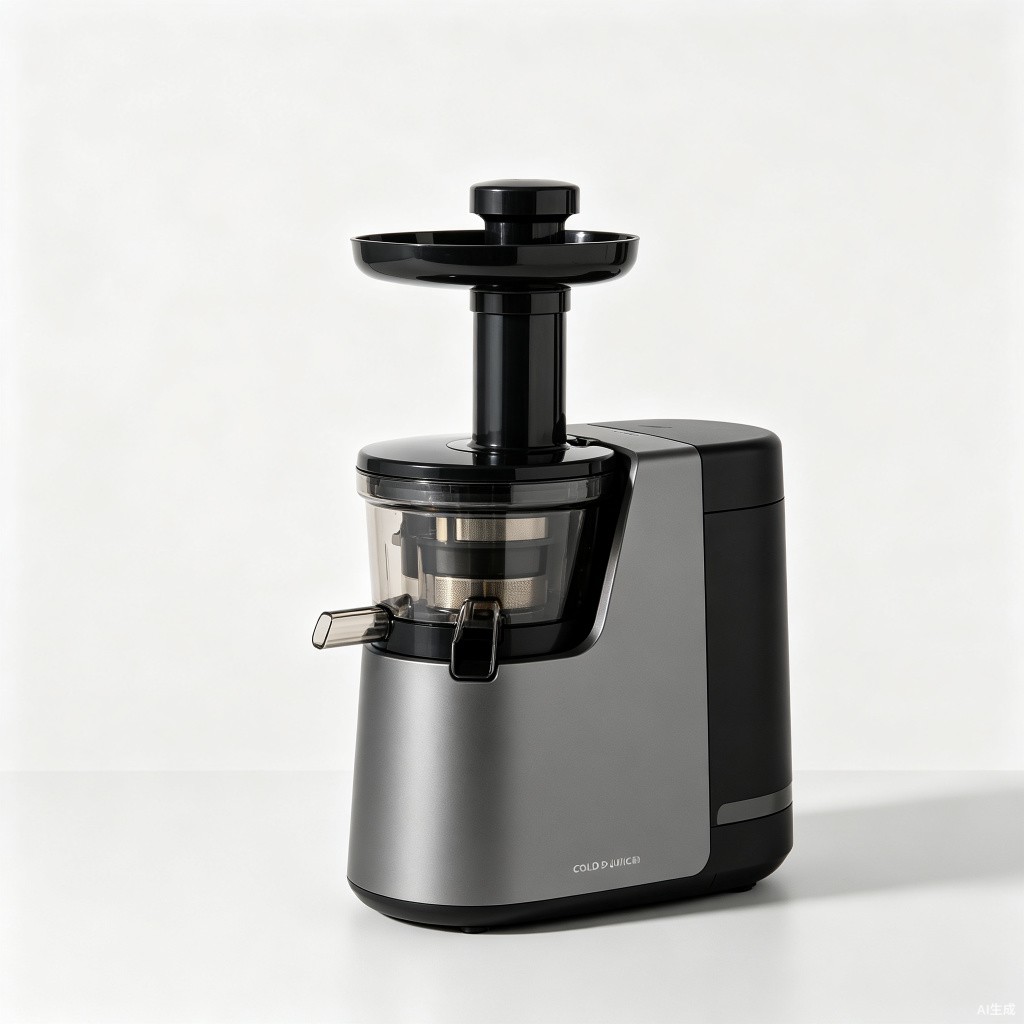
Premium masticating and triturating juicers from brands like Omega, Tribest Greenstar, Kuvings, and Hurom fall in this range. These machines offer exceptional juice yield, quiet operation, versatile attachments for nut butters and sorbets, long warranties (10–15 years), and durable construction. If you juice daily, drink mostly green juices, or want a machine that will last 10+ years, this is the category to shop in. At the very top end ($600–$2,000+), you'll find commercial-grade triturating juicers and hydraulic press machines like the Norwalk and Pure Juicer.
Recommendations by Use Case
Rather than recommending a single "best" juicer, here are our picks based on how you'll actually use the machine.
Best for Daily Juicers
If you plan to juice every day and want a balance of nutrition, convenience, and durability, go with a vertical masticating juicer in the $200–$400 range from a reputable brand like Omega, Kuvings, or Hurom. These machines offer excellent juice yield, handle leafy greens well, produce juice that stores for 48–72 hours, and have the footprint and ease of use that fits into a daily routine. The vertical design takes up less counter space than horizontal models.
Best for Beginners
If you're new to juicing and aren't sure you'll stick with it, start with a mid-range centrifugal juicer in the $80–$150 range, such as a Breville Juice Fountain Compact or a Hamilton Beach Premium. These are fast, easy to clean, have wide feed chutes that require minimal prep, and don't represent a huge financial commitment. If you fall in love with juicing after 6–12 months, you can always upgrade to a masticating model.
Best for Serious Enthusiasts
If you're committed to juicing for health, love green juices, want to make nut milks and sorbets, and plan to use your machine daily for years, invest in a triturating twin-gear juicer like the Tribest Greenstar Elite or a high-end horizontal masticating juicer like the Omega J8006HDS. These machines cost $300–$600 but produce the highest quality juice, come with 10–15 year warranties, and offer unmatched versatility.
Best for Budget Shoppers
If your budget is under $100, get the best centrifugal juicer you can afford in that range. Look for a model with at least 700 watts, a wide feed chute (3 inches), stainless steel parts, and positive reviews. The Mueller Austria Ultra Juicer and the Hamilton Beach Big Mouth are consistent budget favorites. Be realistic about expectations — a $70 juicer won't perform like a $400 juicer — but it will absolutely make fresh, delicious juice at home.
Common Mistakes to Avoid
Based on years of testing and reader feedback, here are the most common mistakes people make when buying their first juicer.
- Buying based solely on price: A cheap juicer that produces wet pulp and breaks down in a year is no bargain. The wasted produce alone can cost more than the price difference of a better machine.
- Ignoring cleanup time: If your juicer takes 15 minutes to clean, you won't use it. Always check how many parts need washing and how intricate the screen is.
- Overbuying for your needs: If you only juice oranges and apples once a week, you don't need a $500 triturating juicer. Match the machine to your actual habits, not your idealized ones.
- Believing marketing hype: Terms like "cold press," "whole slow juicer," and "200% more nutrients" are often marketing language, not scientific claims. Focus on RPM, juice yield, build quality, and warranty instead.
- Forgetting about noise: Read reviews about noise level. A juicer that wakes up the whole house at 6 a.m. will quickly become unpopular.
Juicer vs Blender: Which Do You Need?
Many people wonder whether they should buy a juicer or simply use a blender. The answer depends on what you want. Blenders process whole fruits and vegetables, keeping all the fiber (pulp) in the final drink — that's a smoothie. Juicers separate the juice from the fiber, producing a concentrated, easily digestible liquid nutrient shot. Smoothies are more filling and retain fiber; juices deliver nutrients faster and in higher concentration but lack fiber. If you're trying to decide, our juicer vs blender comparison breaks down the differences in detail. Many health-conscious households eventually own both.
Final Recommendations
There is no perfect juicer for everyone, but there is a perfect juicer for you. Start by honestly assessing how often you'll juice, what types of produce you'll use most, how much time you're willing to spend on prep and cleanup, and what you can comfortably spend. Then choose the type of juicer that best matches those needs, and pick a reputable brand with a strong warranty and positive reviews.
If you only remember one thing from this guide, let it be this: the best juicer is the one you'll actually use. A $100 centrifugal juicer that you use every day is infinitely better than a $500 masticating juicer that sits in a closet because it's too much hassle.
Ready to see specific models? Our testing team has spent hundreds of hours juicing mountains of produce to find the best machines in every category. Check out our hands-on, tested reviews to find your perfect match.
See Our Top Juicer Picks for 2026
We've tested and reviewed over 30 juicers side by side, measuring juice yield, build quality, noise level, ease of cleaning, and real-world performance. Find the best juicer for your budget and needs.
View Our Best Juicer Reviews →