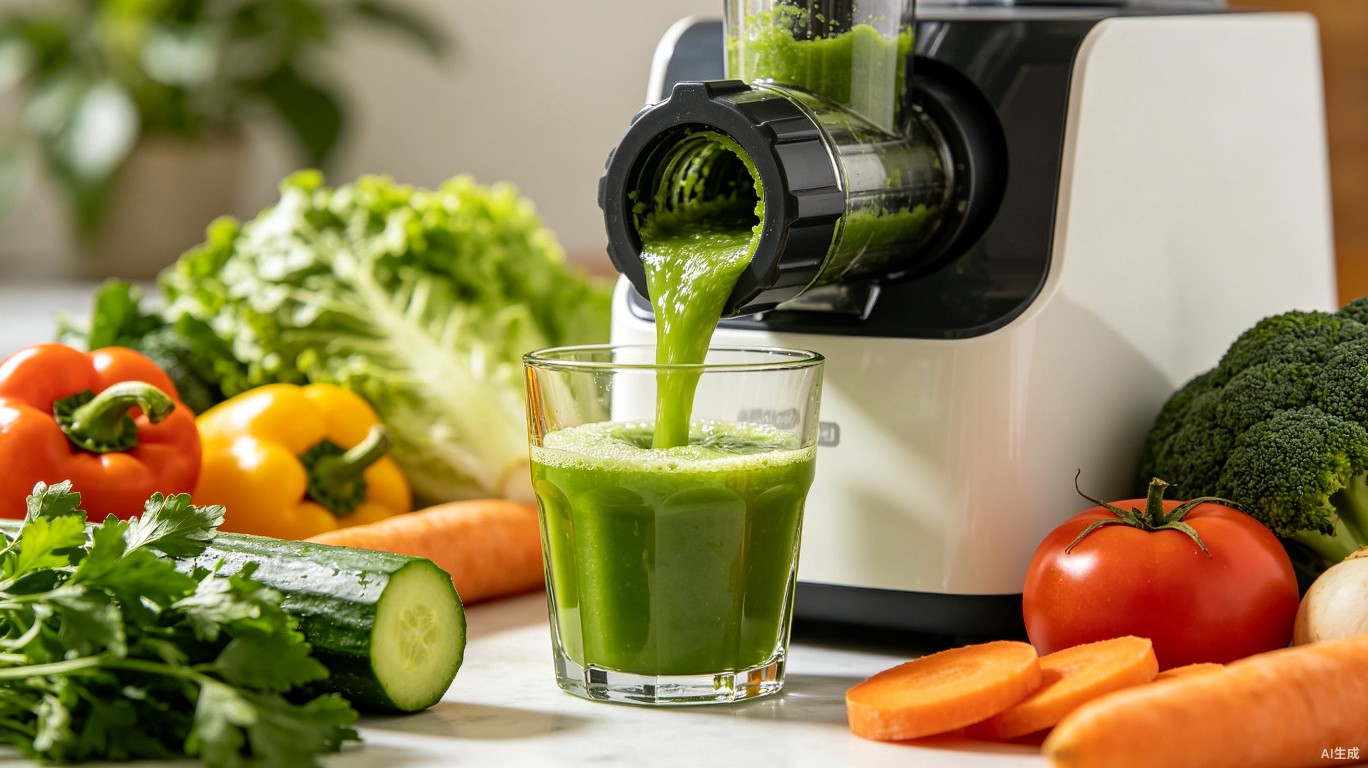
Walk into any health-conscious kitchen these days and you're likely to find one: a juicer. From sleek centrifugal machines whirring at breakfast to heavy-duty cold press units quietly extracting nutrient-dense green juice, juicers have become one of the most popular small appliances for people who care about what they put into their bodies.
But what exactly is a juicer? How does it turn a pile of fresh fruits and vegetables into a glass of vibrant, liquid nutrition? And with so many different types, models, and price points on the market, where should a beginner even start? In this complete guide, we'll break down everything you need to know about juicers — from how they work to which one is right for you.
What Exactly Is a Juicer?
A juicer is a kitchen appliance designed to extract juice from fruits, vegetables, and leafy greens by separating the liquid from the fibrous pulp. The basic goal is simple: you feed whole produce into the machine, and it delivers pure, drinkable juice on one side while ejecting dry pulp on the other.
Unlike blenders, which pulverize the entire fruit or vegetable (fiber and all) into a thick smoothie, juicers specifically separate the juice from the insoluble fiber. This gives you a smooth, concentrated liquid that's packed with vitamins, minerals, enzymes, and phytonutrients — all without the bulk of the pulp. The result is a drink that your body can absorb quickly, delivering a dense nutritional boost in a single glass.
Juicers work with a surprisingly wide range of ingredients. Hard produce like carrots, apples, beets, and celery are juicer staples. Leafy greens such as kale, spinach, wheatgrass, and Swiss chard work beautifully too — especially in masticating and triturating models. Even citrus fruits like oranges, grapefruits, and lemons can be juiced, though some machines handle citrus better than others.
A Brief History of the Juicer
Humans have been extracting juice from fruits for thousands of years — think hand-squeezed citrus and pressed grapes for wine — but the mechanical juicer is a relatively modern invention. The story of how we got from hand-squeezed oranges to today's high-tech cold press machines is a fascinating journey through nutrition science and engineering.
The first major breakthrough came in the 1930s, when Dr. Norman Walker — often called the father of modern juicing — invented the first mechanical juicer. Walker, a health pioneer who advocated for raw food and fresh juice, designed a machine that used a grinding and pressing mechanism to extract juice from vegetables. His Norwalk juicer, which is still produced today in an updated form, used a two-step process: first grinding produce into a pulp, then pressing it under thousands of pounds of pressure to extract every drop. Walker himself lived to be 99, a fact he attributed largely to his daily juice habit.
The 1950s brought the Champion Juicer, one of the first widely available masticating juicers for home use. The Champion used a single auger (a rotating screw-like blade) to chew through produce and press juice through a screen. It was a revelation for home juicers and remained the gold standard for decades, beloved by raw food enthusiasts for its durability and ability to handle leafy greens.
The 1970s saw the rise of centrifugal juicers — the fast-spinning machines most people picture today. Using a rapidly rotating shredder disc and a mesh filter basket, these juicers could process produce in seconds, making juicing accessible to the masses. Brands like Juiceman, Jack LaLanne, and Breville popularized centrifugal juicing through infomercials and health campaigns, bringing juicing out of niche health circles and into mainstream kitchens.
The 2000s and 2010s witnessed the rise of masticating and cold press juicers as consumers became more educated about nutrition. Research suggested that the high speeds of centrifugal juicers could introduce heat and oxygen, potentially degrading sensitive enzymes and nutrients. Slow juicers (also called cold press or slow masticating juicers) operating at 60–110 RPM began to dominate the premium market. Brands like Omega, Hurom, Kuvings, and Nama led this movement, producing machines that deliver higher juice yields, better nutrient retention, and drier pulp.
How Does a Juicer Work?
While juicers vary dramatically in design, they all accomplish the same core task: extracting juice from produce and separating it from the pulp. The exact mechanism depends on the type of juicer, but the general process follows a few key stages.
- Feeding the produce: You feed whole or cut fruits and vegetables through a feed chute (sometimes called a hopper) into the machine. A pusher helps guide produce down safely toward the extraction mechanism.
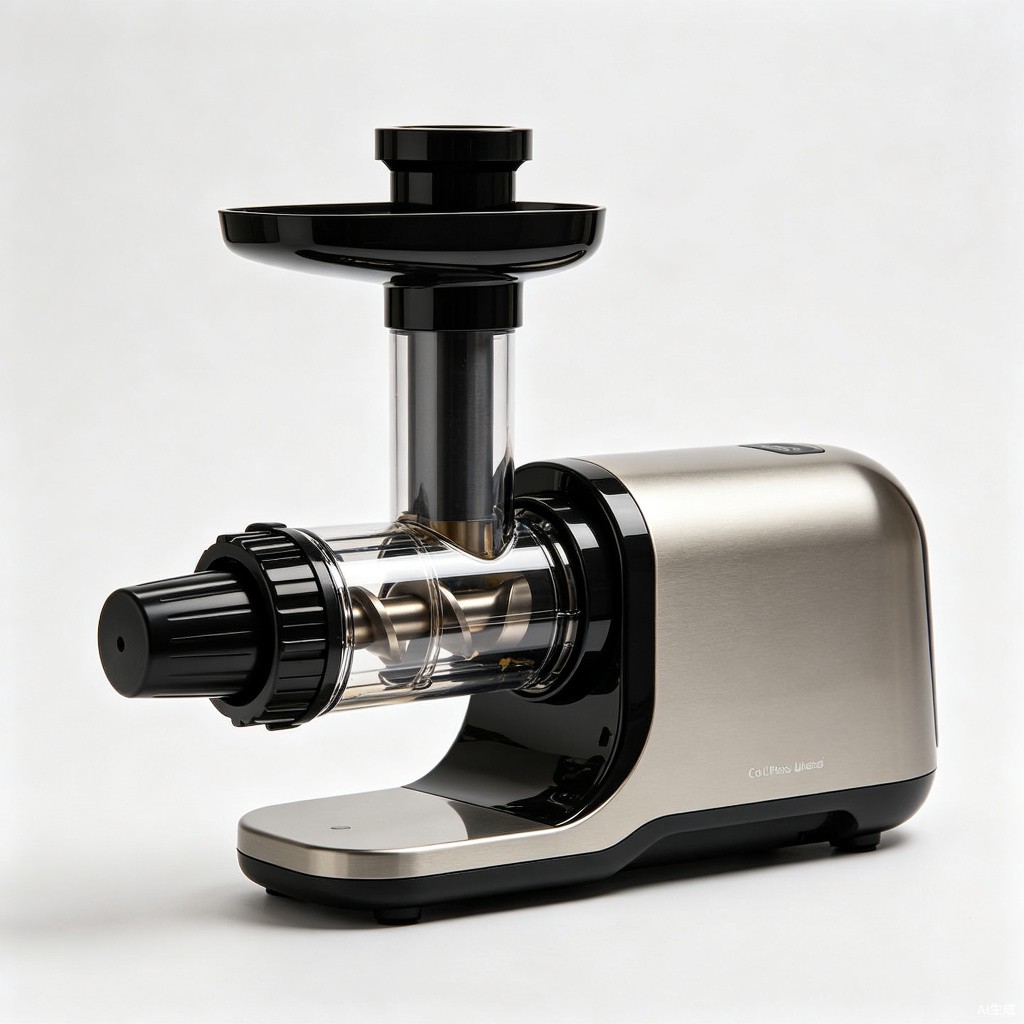
- Breaking down the produce: Inside the machine, the produce encounters either a fast-spinning shredder disc (in centrifugal juicers), a slow-rotating auger (in masticating juicers), or twin interlocking gears (in triturating juicers). These components tear, shred, or crush the produce to break open cell walls and release the juice.
- Separating juice from pulp: The broken-down produce is pressed or spun against a fine mesh screen or filter. The liquid juice passes through the screen, while the dry pulp (the fibrous material) is separated and ejected into a separate container or pulp bin.
- Collecting the juice: The extracted juice flows out through a spout into a waiting glass or pitcher, ready to drink immediately. Many juicers include a juice jug with a foam separator to help you pour a clean, pulp-free glass.
The key difference between juicer types lies in how they break down produce and separate the juice. Centrifugal juicers use high-speed spinning (anywhere from 3,000 to 16,000 RPM) to fling juice outward through a mesh basket, much like a salad spinner. Masticating juicers use a single gear that slowly crushes and presses produce at 60–110 RPM. Triturating juicers use two interlocking gears that grind and press produce at even slower speeds, typically under 100 RPM.
Each method has trade-offs in speed, noise, juice yield, nutrient retention, and the types of produce it handles best. We'll cover these differences in detail below.
The Main Types of Juicers
There are four primary categories of juicers you'll encounter when shopping. Understanding the differences is the key to choosing the right machine for your needs.
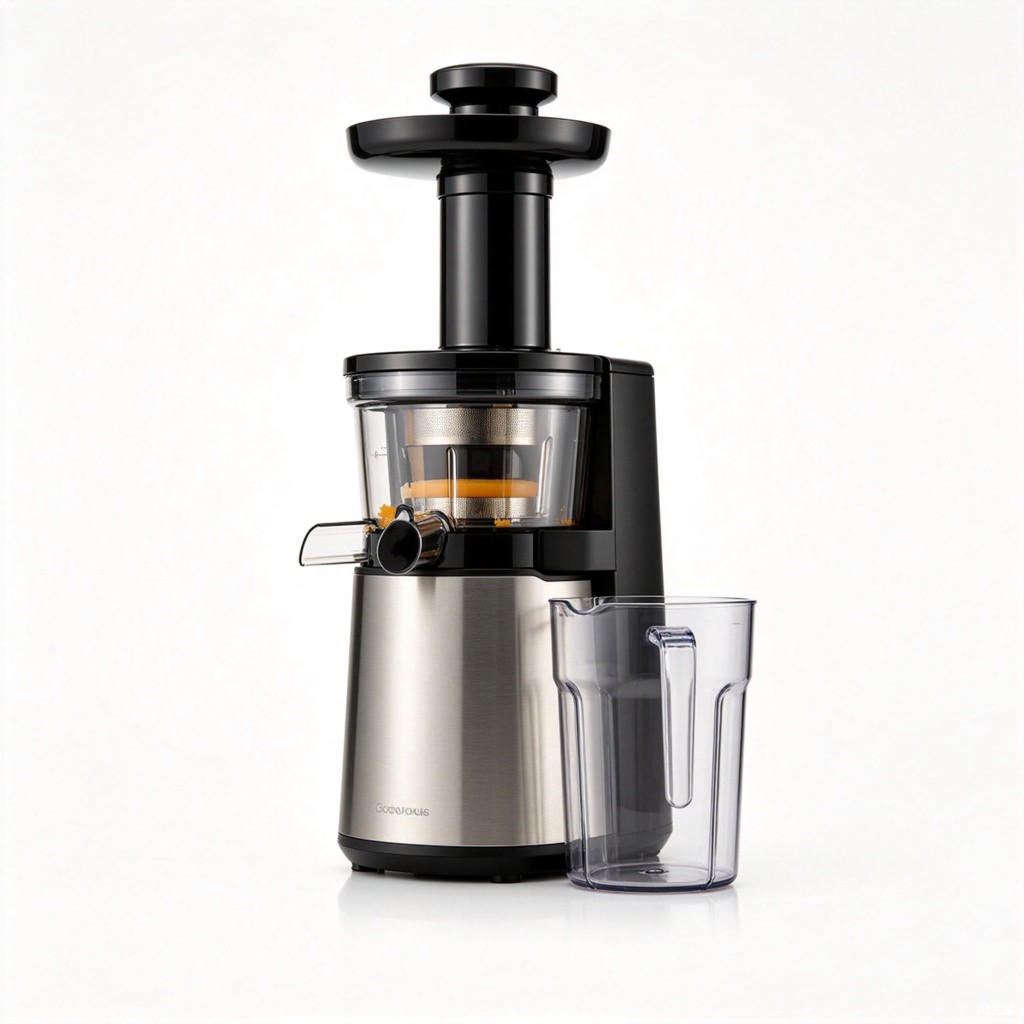
- Centrifugal juicers: The fastest and most affordable type. Uses a high-speed spinning disc to shred produce and fling juice through a mesh filter. Great for beginners, hard fruits, and vegetables, but less effective with leafy greens and produces slightly wetter pulp.
- Masticating (cold press / slow) juicers: Uses a single auger to slowly crush and press produce at low RPM. Delivers higher juice yields, better nutrient retention, drier pulp, and handles leafy greens exceptionally well. Operates more quietly but works more slowly.
- Citrus juicers: Specialized machines designed exclusively for citrus fruits like oranges, lemons, limes, and grapefruits. Available as electric models with a spinning reamer or simple manual presses. Affordable and easy to use, but limited to citrus.
- Triturating (twin gear) juicers: The highest-end category, using two interlocking stainless steel gears to grind and press produce with maximum efficiency. Delivers the highest juice yields, best nutrient retention, and can handle wheatgrass, fibrous greens, and even make nut butters and pasta. Professional-grade but expensive and bulky.
We take a deep dive into every category — including pros, cons, price ranges, and ideal use cases — in our comprehensive types of juicers guide.
The Health Benefits of Fresh Juice
One of the biggest reasons people invest in juicers is the promise of better health, and there's substantial evidence to back up the benefits of consuming fresh, raw fruit and vegetable juices. Here are some of the most compelling reasons to make juicing part of your routine.
1. Concentrated Nutrient Absorption
When you remove the insoluble fiber from fruits and vegetables, you're left with a liquid that's densely packed with vitamins, minerals, antioxidants, and enzymes. Because there's no fiber to slow down digestion, these nutrients are absorbed into your bloodstream within minutes — giving your body a quick and powerful nutritional boost. A single 16-ounce glass of green juice can contain the equivalent nutrition of several large servings of vegetables.
2. Increased Fruit and Vegetable Intake
Most people struggle to eat the recommended 5–9 servings of fruits and vegetables per day. Juicing makes it easy. You can pack a mountain of kale, spinach, cucumber, celery, apple, and ginger into a single glass and drink it in seconds. For people who don't enjoy eating large quantities of vegetables or have difficulty digesting raw produce, juicing is a practical solution.
3. Support for Detoxification and Cleanses
Fresh juice gives your digestive system a break from processing heavy, fiber-rich foods while flooding your body with chlorophyll, antioxidants, and anti-inflammatory compounds. Many people use juice cleanses — periods of consuming only fresh juice — to reset their system, boost energy, and support liver function. Even without doing a full cleanse, replacing one meal a day with fresh juice can have noticeable benefits.
4. Energy, Skin, and Immune Support
Regular juicers often report higher energy levels, clearer skin, better digestion, and stronger immune function. While these benefits vary from person to person, they're consistent with what you'd expect from dramatically increasing your intake of raw, nutrient-dense produce. Fresh juice is particularly rich in vitamin C, beta-carotene, folate, potassium, and a wide range of plant compounds with anti-inflammatory and antioxidant properties.
It's worth noting that juice should complement — not replace — whole fruits and vegetables in your diet. The fiber in whole produce is important for digestive health, blood sugar regulation, and satiety. Think of juicing as a powerful addition to an already healthy diet, not a magic bullet.
Why You Should Own a Juicer
With juice bars charging $8 to $15 per bottle of cold-pressed juice, owning a juicer starts to make financial sense surprisingly quickly. Here's why bringing a juicer into your kitchen is worth the investment.
Save Money Over Time
A $200 to $400 juicer pays for itself faster than you might think. If you currently buy one cold-pressed juice per day at $10, you're spending $3,650 per year. Making the same juice at home costs roughly $1.50 to $3 per glass (depending on ingredients), saving you $2,500 or more annually. Even a high-end $500 juicer pays for itself in a couple of months.
Complete Control Over Ingredients
When you juice at home, you choose exactly what goes into your glass. You can use organic produce, control the sugar content (many store-bought juices are loaded with fruit sugars and additives), experiment with flavor combinations, and avoid pasteurization, which can degrade heat-sensitive nutrients.
Freshness You Can Taste
Juice begins losing nutritional value the moment it's made due to oxidation. Store-bought cold-pressed juice is often days or even weeks old by the time you buy it, even if it's high-pressure processed (HPP). Fresh, homemade juice consumed within 15 minutes of juicing delivers maximum nutrition and flavor that bottled juice simply can't match.
How to Choose Your First Juicer
Choosing your first juicer doesn't have to be complicated. Start by answering these five questions, and you'll quickly narrow down your options.
- What's your budget? Centrifugal juicers start around $50–$100, with quality models around $100–$200. Good masticating juicers start around $200–$300, with premium models at $300–$600. Triturating juicers range from $400 to over $1,000. For a first juicer, plan to spend at least $100–$200 for something that will last and perform well.
- What will you juice most often? If you'll mainly juice hard fruits and vegetables (apples, carrots, oranges), a centrifugal juicer works great. If you plan to juice lots of leafy greens, wheatgrass, or want maximum nutrition, a masticating juicer is the better choice.
- How much time do you have? Centrifugal juicers work fast — you can make a glass of juice in under a minute. Masticating juicers are slower, taking 2–5 minutes per glass. If speed is a priority, go centrifugal; if quality matters more than speed, go masticating.
- How important is cleanup? Some juicers have 10+ parts and require special brushes to clean mesh screens. Others have fewer parts and are dishwasher-safe. Read reviews about cleanup before buying — difficult cleanup is the number one reason people stop using their juicers.
- How much kitchen space do you have? Centrifugal juicers are generally more compact. Masticating and triturating juicers tend to be larger and heavier. Consider where you'll store the machine and whether you'll leave it on the counter.
For most beginners, a quality masticating juicer in the $200–$400 range offers the best balance of performance, yield, and durability. If you're on a tighter budget or aren't sure you'll stick with juicing long-term, a $100 centrifugal juicer is a fine starting point.
Ready to compare specific models? Our team has tested dozens of juicers across every category and price point. Check out our best juicers of 2026 roundup to see which machines earned our highest ratings.
Ready to Find Your Perfect Juicer?
Now that you understand what a juicer is and how it works, it's time to find the right machine for your kitchen. We've tested dozens of top models to help you choose with confidence.
See Our Best Juicer Reviews →