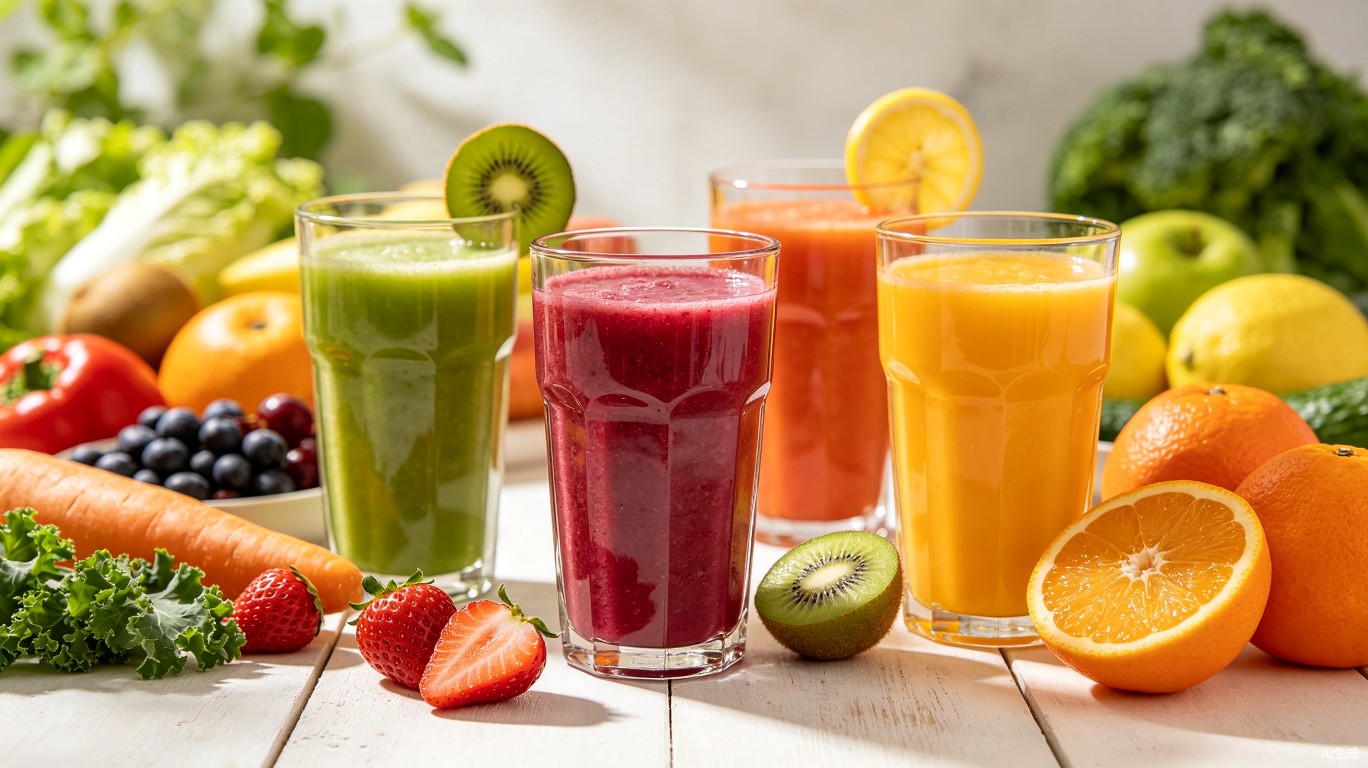
There's something deeply satisfying about pouring a glass of fresh, cold-pressed juice that you made yourself. No added sugars, no preservatives, no mysterious ingredients on the label — just pure, vibrant produce transformed into a glass of liquid nutrition. Whether you're brand new to juicing or you've been pressing for years, having a repertoire of go-to recipes makes the daily habit easier, more delicious, and far more rewarding.
In this guide, we're sharing our 10 favorite juice recipes that cover every mood and moment: energizing morning blends, post-workout refreshers, green detox formulas, and sweet tropical treats. Each recipe includes exact ingredients, simple instructions, and a few pro tips to help you get the best yield and flavor from whatever juicer you own. You don't need a top-of-the-line machine to make incredible juice — great produce and a good recipe do most of the work.
Before we dive into the recipes, a quick note: all of these recipes work beautifully in both centrifugal and masticating juicers. If you're using a centrifugal juicer, expect slightly frothier juice and drink it within 15 minutes for best nutrition. If you're using a cold-press masticating juicer, your juice will stay fresh in an airtight container in the fridge for up to 72 hours.
The Essentials: Before You Start Juicing
A few quick tips will set you up for success every time you fire up the juicer. First, always wash your produce thoroughly, even if you plan to peel it — surface bacteria can transfer to the flesh when you cut through the skin. Second, cut produce into pieces that fit your juicer's feed chute; forcing oversized pieces can strain the motor and reduce juice yield. Third, alternate between soft and hard ingredients as you feed them through — this helps push everything through evenly and maximizes extraction.
Leafy greens can be tricky in centrifugal juicers. The trick is to roll them into tight balls or sandwich them between harder ingredients like apple or cucumber to help the auger or blades grab them effectively. And don't throw away the pulp! You can freeze it for smoothies, mix it into muffins or soups, compost it, or even use it as a base for vegetable broth.
Our Top 10 Juice Recipes
Each recipe below makes approximately one 12–16 ounce serving. Adjust quantities to taste — juicing is an art, not an exact science, and your preference for sweetness, tartness, or spice should guide you.
1. Classic Green Detox
Ingredients:
- 3 large kale leaves (about 2 cups, stems removed)
- 2 cups fresh spinach
- 1 medium cucumber, halved lengthwise
- 1 green apple, cored and quartered
- 1/2 lemon, peeled
- 1-inch piece fresh ginger, peeled
Instructions:
Wash all produce thoroughly. Roll the kale and spinach into tight bundles. Feed ingredients through your juicer, alternating between leafy greens and harder ingredients (cucumber and apple work best for pushing greens through). Finish with the lemon and ginger for a bright, zesty kick. Stir the juice well and pour over ice. This is the ultimate reset juice — low in sugar, high in chlorophyll, vitamin K, vitamin C, and anti-inflammatory compounds from the ginger. The apple and lemon balance the earthy kale flavor so even green-juice skeptics enjoy it.
2. Morning Sunrise
Ingredients:
- 3 large navel oranges, peeled
- 3 medium carrots, trimmed
- 1 sweet apple (such as Gala or Fuji), cored and quartered
- 1-inch piece fresh ginger, peeled
Instructions:
Peel the oranges and separate into segments (removing excess seeds if present). Wash and trim the carrots, cutting them into lengths that fit your feed chute. Juice the oranges first, then the carrots, apple, and ginger. The result is a brilliantly orange, naturally sweet juice that tastes like liquid sunshine. Carrots provide beta-carotene (vitamin A), oranges deliver a massive dose of vitamin C, and ginger adds warmth and aids digestion. This is the perfect morning replacement for coffee — it's hydrating, energizing, and won't give you the jitters.
3. Beet the Blues
Ingredients:
- 1 medium beet (red or golden), scrubbed and quartered
- 1 red apple, cored and quartered
- 2 medium carrots, trimmed
- 1/2 lemon, peeled
Instructions:
Scrub the beet thoroughly (no need to peel if it's organic and well-scrubbed). Quarter it carefully — beets are dense and firm. Juice the beet last, as its deep crimson color will stain everything that comes after (wear an apron if you're careful about clothing). The apple and carrot mellow out beet's earthy flavor, while lemon adds a bright top note. Beets are nutritional powerhouses rich in nitrates, which support blood flow and athletic performance, plus folate, manganese, and potassium. This is a great pre-workout juice or an afternoon pick-me-up.
4. Tropical Paradise
Ingredients:
- 2 cups fresh pineapple chunks (core included)
- 1 ripe mango, peeled and pitted
- 2 oranges, peeled
- 1/2 cup coconut water (chilled)
Instructions:
Prepare the pineapple by slicing off the rind and cutting into spears; you can juice the core too, as it contains bromelain, a powerful anti-inflammatory enzyme. Peel and pit the mango, then cut the flesh into chunks. Peel the oranges. Juice the pineapple, mango, and oranges, then stir in the coconut water at the end (coconut water doesn't juice well — it's better stirred in). This tropical blend is naturally sweet, rich in vitamin C, manganese, and electrolytes from the coconut water. It tastes like a beach vacation in a glass and is a hit with kids and adults alike.
5. Watermelon Refresher
Ingredients:
- 4 cups cubed watermelon (seeds removed or seedless)
- 1 lime, peeled
- 5–6 fresh mint leaves
Instructions:
Cube the watermelon (no need to remove every seed — most juicers handle a few seeds fine, though seedless is easier). Peel the lime and separate into segments. Bunch the mint leaves together. Juice the watermelon first, followed by the lime and mint. This juice is incredibly hydrating — watermelon is over 90% water — and rich in lycopene, citrulline, and vitamins A and C. The lime and mint transform simple watermelon juice into something truly refreshing. It's perfect for hot summer days, post-workout hydration, or as a low-calorie, naturally sweet dessert drink.
6. Celery Juice Plain
Ingredients:
- 1 full bunch celery (about 8–10 stalks)
- 1/4 lemon, peeled (optional, for flavor)
Instructions:
Wash the celery stalks thoroughly, especially at the base where dirt collects. Cut off the leafy tops (they can make the juice bitter) and trim the base. Feed the celery stalks through the juicer one at a time. Add a squeeze of lemon if you find plain celery juice too strong. Celery juice has become a wellness staple, and for good reason: it's packed with apigenin, luteolin, potassium, and vitamin K, and many people find it supports digestion and reduces bloating when consumed first thing in the morning on an empty stomach. It's an acquired taste, but it grows on you quickly.
7. Immunity Booster
Ingredients:
- 3 large oranges, peeled
- 2-inch piece fresh ginger, peeled
- 1-inch piece fresh turmeric root, peeled
- 2 medium carrots, trimmed
- 1/2 lemon, peeled
Instructions:
Peel and segment the oranges. Peel the ginger and turmeric (a spoon works great for scraping turmeric skin). Wash and trim the carrots. Juice the oranges and carrots first, then follow with the ginger, turmeric, and lemon. A pinch of black pepper stirred into the finished juice dramatically increases curcumin absorption from the turmeric. This is your cold-season weapon: massive vitamin C from oranges, anti-inflammatory gingerol and shogaol from ginger, curcumin from turmeric, and beta-carotene from carrots. Drink it at the first sign of a scratchy throat or when everyone around you is getting sick.
8. Berry Antioxidant
Ingredients:
- 1 cup fresh blueberries
- 1 cup fresh strawberries, hulled
- 1 sweet apple, cored and quartered
- 1/2 small beet, scrubbed and quartered
Instructions:
Rinse the berries gently under cold water. Hull the strawberries by twisting off the green tops. Core and quarter the apple, and scrub and quarter the beet. Juice the apple first, then alternate between berries and the beet. Berries can be soft and tricky to juice; sandwiching them between harder apple pieces helps them feed through the juicer more efficiently. The result is a deep purple-red juice loaded with anthocyanins (the antioxidants that give berries their blue/purple color), vitamin C, manganese, and dietary nitrates from the beet. It's slightly tart, naturally sweet, and a true nutritional powerhouse.
9. Carrot Apple Ginger
Ingredients:
- 5 medium carrots, trimmed
- 2 sweet apples (Gala or Honeycrisp work well), cored and quartered
- 1-inch piece fresh ginger, peeled
- 1/2 lemon, peeled
Instructions:
Wash and trim the carrots. Core and quarter the apples. Peel the ginger and lemon. Alternate between carrots and apples as you feed them through the juicer, finishing with the ginger and lemon. This is the ultimate "beginner juice" — it's naturally sweet, smooth, and has just enough spice from the ginger to keep things interesting. Carrots provide beta-carotene and biotin, apples add pectin and natural sweetness, ginger brings anti-inflammatory benefits and warmth, and lemon brightens everything up. It's the juice we recommend to anyone who thinks they don't like vegetable juice.
10. Pineapple Kale Punch
Ingredients:
- 2 cups fresh pineapple chunks
- 3 large kale leaves, stems removed
- 1 medium cucumber, halved lengthwise
- 6–8 fresh mint leaves
Instructions:
Prepare the pineapple by removing the rind and cutting into chunks. Wash the kale and remove the tough stems, then roll the leaves into tight bundles. Halve the cucumber and bunch the mint leaves. Juice the pineapple first (it yields a lot of sweet juice that helps push everything else through), then alternate between kale bundles, cucumber spears, and mint. The pineapple's natural sweetness completely masks the kale, making this another excellent green juice for beginners. You get all the vitamins and minerals from the kale (vitamins A, C, K, calcium, iron) along with bromelain from pineapple and hydration from cucumber, with a refreshing mint finish.
Pro Tips for Better Juicing
Now that you've got recipes, let's cover some tips that will make your juicing experience smoother, more efficient, and more nutritious.
Best Produce to Use
Always choose ripe, fresh produce for the best flavor and nutrition. Seasonal fruits and vegetables taste better, cost less, and contain more nutrients than out-of-season produce that's been shipped across the world. Organic produce is ideal when juicing the skin (like apples, cucumbers, carrots, and beets), since conventional produce can carry pesticide residues on the skin. For produce you peel (oranges, mangoes, pineapple, ginger), conventional is perfectly fine. Leafy greens should be as fresh as possible — wilted greens produce less juice and a bitter flavor.
Juicing Tips for Beginners
If you're new to juicing, start slow. Your body needs time to adjust to concentrated nutrients, especially from green juices. Begin with sweeter, fruit-forward recipes (like Morning Sunrise or Carrot Apple Ginger) and gradually introduce more greens over time. Drink juice on an empty stomach when possible — about 20–30 minutes before a meal — for maximum nutrient absorption. Don't rush; sip slowly and enjoy it. And remember that juicing removes fiber, so it should complement a diet rich in whole fruits and vegetables, not replace them. The pulp you're left behind is where most of the fiber lives — save it for baking, broths, or smoothies to get the most out of your produce.
How to Store Fresh Juice
Fresh juice is at its nutritional peak immediately after juicing, but you can store it for later if needed. The key is to minimize oxidation. Pour the juice into an airtight glass container (mason jars work perfectly), fill it all the way to the top to minimize air exposure, seal tightly, and refrigerate immediately. Cold-pressed (masticating) juice stays fresh for 48–72 hours, while centrifugal juice is best within 24 hours. You can also freeze juice in ice cube trays for up to 3 months — just pop a few cubes into smoothies or thaw them in the fridge overnight.
Cleaning Your Juicer Properly
The number one reason people stop juicing is the cleanup. The trick is to clean your juicer immediately after use, before pulp dries and hardens. Disassemble all removable parts and rinse them under warm running water. Use the small brush that came with your juicer to scrub the mesh filter/strainer — this is where pulp gets trapped and can harbor bacteria if not cleaned thoroughly. Most juicer parts (except the motor base) are dishwasher-safe on the top rack, which makes cleanup much faster. A clean juicer is a happy juicer, and it will last years longer with proper care.
Mixing and Matching: Build Your Own Recipes
Once you're comfortable with these recipes, don't be afraid to experiment. A great juice follows a simple formula: a base of hydrating vegetables (cucumber, celery, carrots), a sweet element (apple, pineapple, orange, carrot), a leafy green (kale, spinach, Swiss chard), and a flavor booster (lemon, lime, ginger, turmeric, mint, parsley). Keep that ratio in mind and you can create endless combinations based on what's in season or what's in your fridge.
Some winning combinations we love but didn't include above: pear + spinach + fennel + lemon for a delicate, anise-flavored juice; red grapes + blackberries + lime + mint for an antioxidant punch; and tomato + celery + bell pepper + lemon + a pinch of cayenne for a spicy savory juice that's basically a virgin Bloody Mary.
The best juicer for home use makes all of these recipes a breeze. If you're still using an old machine or haven't purchased one yet, our comprehensive reviews can help you find the perfect model for your budget and lifestyle.
Ready to Start Juicing?
These recipes are just the beginning. To make great juice at home, you need a great juicer. We've tested and reviewed dozens of models to help you find the best juicer for every budget and need.
See Our Best Juicer Reviews →