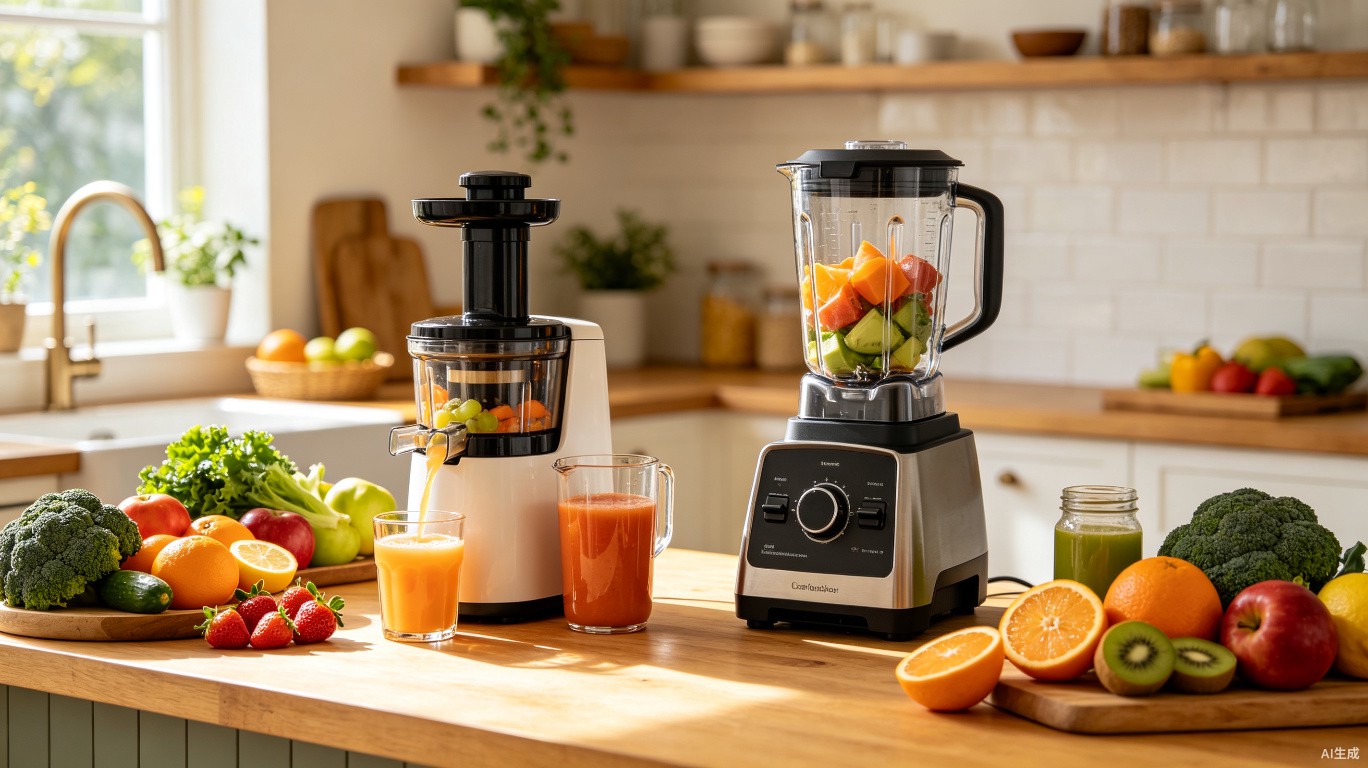
If you're trying to eat healthier and get more fruits and vegetables into your diet, two appliances inevitably come up: the juicer and the blender. Both sit on countertops, both process fresh produce, and both promise better nutrition. But they work in fundamentally different ways, produce different results, and excel at different tasks.
The juicer vs. blender debate is one of the most common questions we hear at JuiceHub. Can a high-powered blender replace a juicer? Is juicing really better than blending? Do you need both? And if you can only afford one, which should you buy? In this head-to-head comparison, we'll break down the key differences, nutritional trade-offs, and best use cases for each appliance so you can make the right choice for your kitchen.
What Does Each Appliance Do?
Before we get into the comparison, let's make sure we're clear on what each machine actually does, because that's where the difference starts.
What a Juicer Does
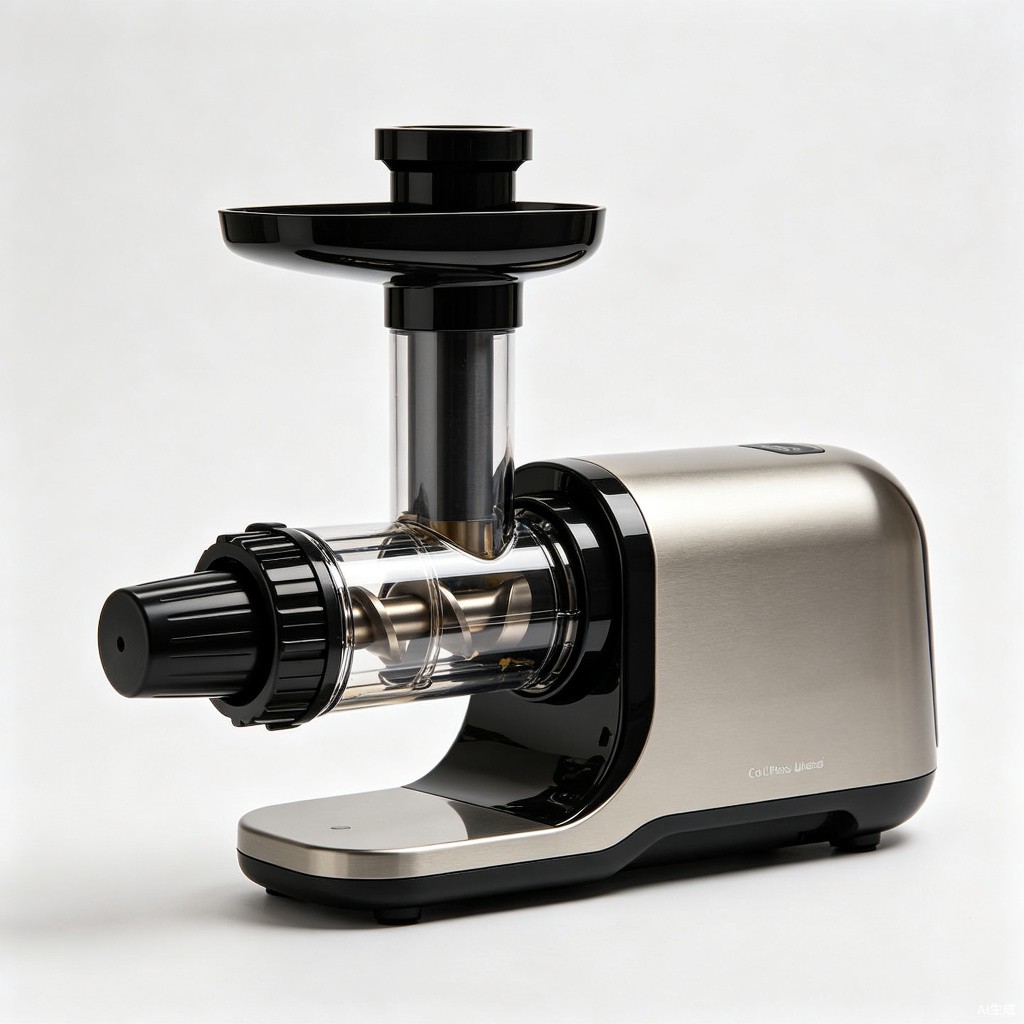
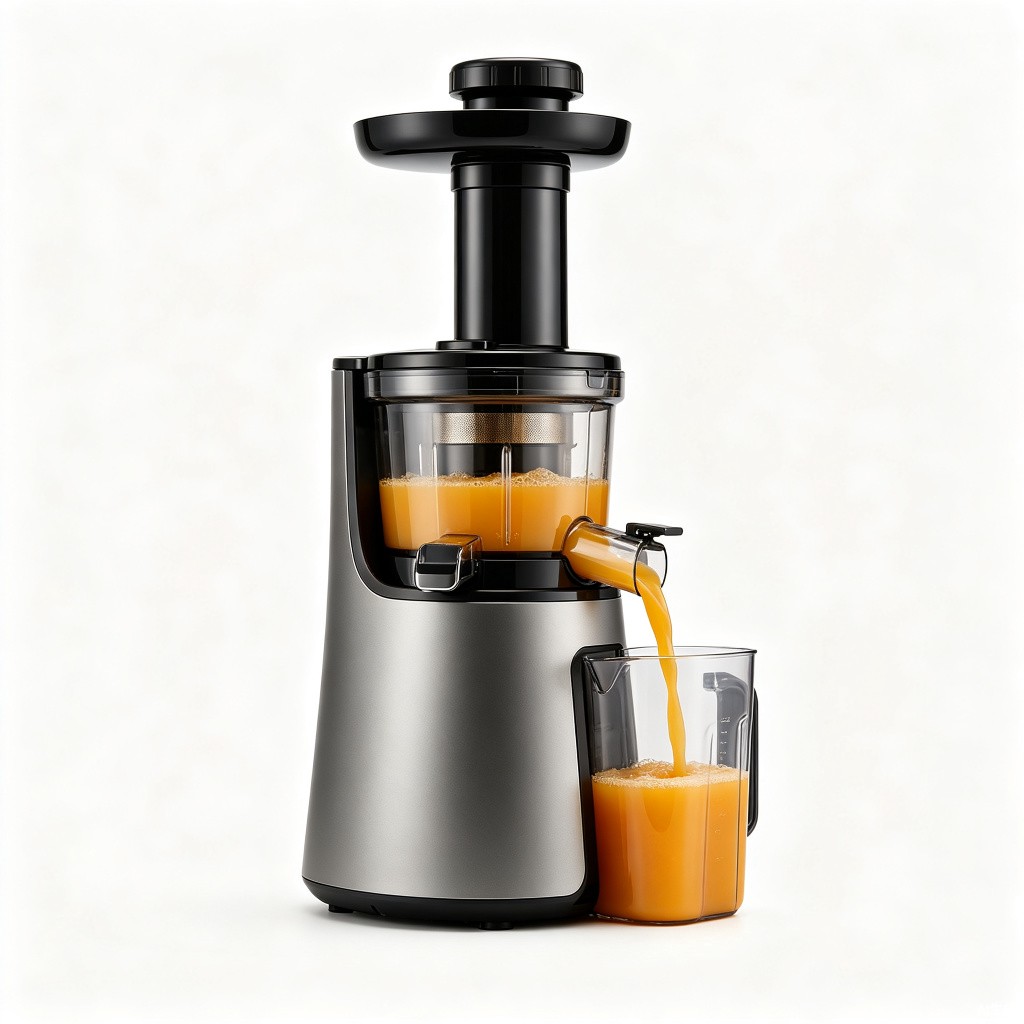
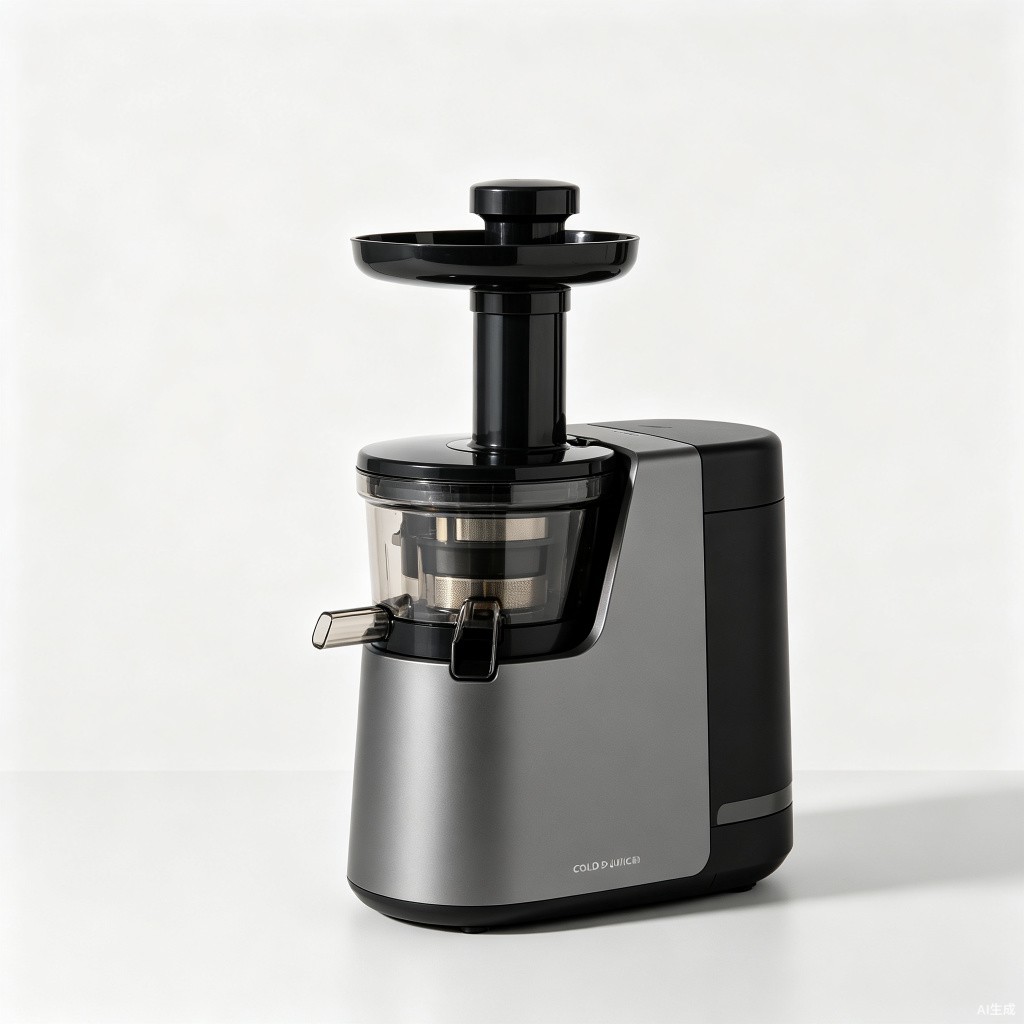
A juicer is designed specifically to separate the liquid from the fiber in fruits and vegetables. You feed whole produce into the machine, and it uses either a fast-spinning disc (centrifugal juicers), a slow-crushing auger (masticating/cold press juicers), or twin gears (triturating juicers) to break open the plant cells and release the juice. The liquid flows out one spout while the dry, fibrous pulp is ejected into a separate container.
The result is a smooth, thin, concentrated liquid — pure juice — with no pulp, no fiber, and no texture. Think of the kind of juice you'd buy in a bottle at a juice bar, but fresher. Juicers are single-purpose machines built for extraction; they make juice and nothing else (though some masticating models have attachments for nut butters and sorbets).
What a Blender Does
A blender pulverizes everything you put into it. A motor spins sharp blades at high speed (typically 20,000–30,000 RPM in high-powered models), tearing apart fruits, vegetables, ice, frozen fruit, nuts, seeds, and liquids into a uniform mixture. Unlike a juicer, a blender does not separate anything. Everything goes in — skin, pulp, seeds, fiber, stems — and everything gets blended together into the final drink.
The result is a thick, textured beverage — a smoothie — that retains all the fiber from the ingredients. Blenders are remarkably versatile. Beyond smoothies, they can make soups, sauces, dips, nut butters, salad dressings, cocktail margaritas, batter, ice cream, and even grind grains. A good blender is arguably the most versatile small appliance in the kitchen.
Key Differences at a Glance
Here's a side-by-side comparison of how juicers and blenders stack up across the most important categories:
| Factor | Juicer | Blender |
|---|---|---|
| Primary function | Extracts juice; separates liquid from pulp/fiber | Pulverizes everything into a uniform mixture |
| End product | Thin, smooth juice with no fiber | Thick, textured smoothie with all fiber intact |
| Fiber content | Removes insoluble fiber; minimal soluble fiber | Retains 100% of fiber (soluble and insoluble) |
| Nutrient absorption | Fast absorption; concentrated nutrients hit bloodstream quickly | Slower absorption; fiber slows nutrient uptake |
| Produce needed per serving | Requires more produce (higher yield per ounce of produce but more produce per glass) | Requires less produce; fiber adds volume |
| Texture | Light, watery, refreshing | Thick, creamy, filling |
| Versatility | Primarily juice; some models make nut butters/sorbets | Smoothies, soups, sauces, dips, nut butters, ice cream, and more |
| Satiety (fullness) | Low — juice doesn't keep you full long | High — fiber and thickness make smoothies filling |
| Speed | Centrifugal: fast (under 1 min); Masticating: slow (2–5 min) | Very fast (30–60 seconds per smoothie) |
| Cleanup | Multiple parts; mesh screens require brushing; 5–10 minutes | Fewer parts; often just a jar and blades; 1–3 minutes; many are dishwasher-safe |
| Noise | Centrifugal: very loud; Masticating: quiet | Loud, especially high-powered models |
| Price range | $50–$1,200+; quality models $150–$500 | $30–$700+; quality models $100–$500 |
| Best for | Juice cleanses, detox, maximum nutrient concentration, green juice | Daily smoothies, meal replacement, whole-food nutrition, versatile cooking |
What Juicers Excel At
Juicers have some unique strengths that blenders simply cannot replicate. If any of these are priorities for you, a juicer is the clear choice.
Pure, Concentrated Juice
The #1 reason to own a juicer is the juice itself. Nothing a blender can do will produce that light, clean, refreshing glass of pure juice. Juicing removes the insoluble fiber, giving you a drink that goes down easy and feels instantly hydrating and energizing. Green juice, carrot-apple-ginger juice, watermelon juice — these are experiences a blender can't replicate without straining (which is messy, time-consuming, and effectively turns your blender into a poor man's juicer).
Maximum Nutrient Extraction
Because juicers specifically break open plant cell walls and separate the nutrient-dense liquid from the fibrous bulk, they deliver a concentration of vitamins, minerals, enzymes, and phytonutrients that's hard to match with a blender. A 16-ounce glass of green juice can contain the nutritional equivalent of 3–4 servings of vegetables, delivered in a form your body can absorb within minutes. For people who struggle to eat enough vegetables, this is a game-changer.
Detox and Cleanses
Juice cleanses — periods of consuming only fresh juice for 1–7 days — are one of the most popular reasons people buy juicers. The idea is to give your digestive system a break from processing fiber and heavy foods while flooding your body with nutrients. You can't do a proper juice cleanse with a blender; smoothies contain too much fiber to give your digestive system the rest that a juice cleanse provides. While cleanses aren't for everyone, they're a primary use case that only a juicer can serve.
Leafy Green Efficiency
Quality masticating juicers are exceptionally efficient at extracting juice from leafy greens like kale, spinach, wheatgrass, and Swiss chard — produce that blenders struggle to break down smoothly. If you want wheatgrass shots or pure kale juice, a juicer (especially a masticating model) is far more effective than any blender.
What Blenders Excel At
Blenders are the workhorses of the healthy kitchen, and they do some things that juicers cannot touch. Here's where blenders shine.
Smoothies and Meal Replacement
Blenders make smoothies — thick, creamy, filling drinks that can serve as complete meal replacements. A smoothie with fruit, leafy greens, protein powder, nut butter, seeds, and yogurt or milk can be a nutritionally complete breakfast or post-workout recovery drink. The fiber from the whole ingredients keeps you full for hours, making smoothies a practical choice for weight management and busy mornings. Juice, by contrast, goes right through you and doesn't keep you full.
Whole-Food Nutrition
There's a strong nutritional argument for blending over juicing: you get everything. The fiber that juicers remove is actually good for you. Dietary fiber supports digestive health, feeds your gut microbiome, slows sugar absorption (preventing blood sugar spikes), and helps you feel full. Blending preserves all of that fiber while still making the nutrients accessible. For everyday nutrition, many dietitians recommend smoothies over juice for this reason.
Versatility Beyond Beverages
This is where blenders truly separate themselves. A good blender can make:
- Hot soups (blending hot ingredients or using friction heat in high-powered models)
- Homemade nut butters (peanut, almond, cashew)
- Sauces, dips, and spreads (hummus, pesto, salsa, guacamole)
- Salad dressings and marinades
- Frozen desserts and nice cream (blended frozen bananas and fruit)
- Baby food
- Cocktails and frozen drinks (margaritas, daiquiris)
- Batter and dough for pancakes and muffins
- Ground flour, nuts, and coffee beans
A juicer does one thing very well. A blender does dozens of things well. If counter space is tight and you can only have one appliance, the blender's versatility makes it the more practical choice for most people.
Easier Cleanup
Anyone who has owned a juicer knows that cleanup is the least fun part of juicing. Mesh screens, augers, multiple containers, and pulp residue require several minutes of scrubbing with special brushes. Blenders are far simpler: rinse the jar immediately after use, and most are dishwasher-safe. Many high-powered blenders are "self-cleaning" — just add warm water and a drop of soap, blend for 30 seconds, and rinse.
Nutritional Comparison: Juice vs. Smoothies
The nutrition question deserves its own section because it's the most debated aspect of juicing vs. blending. The truth is, neither is inherently "better" — they serve different nutritional purposes.
Juice: Concentrated Nutrients, No Fiber
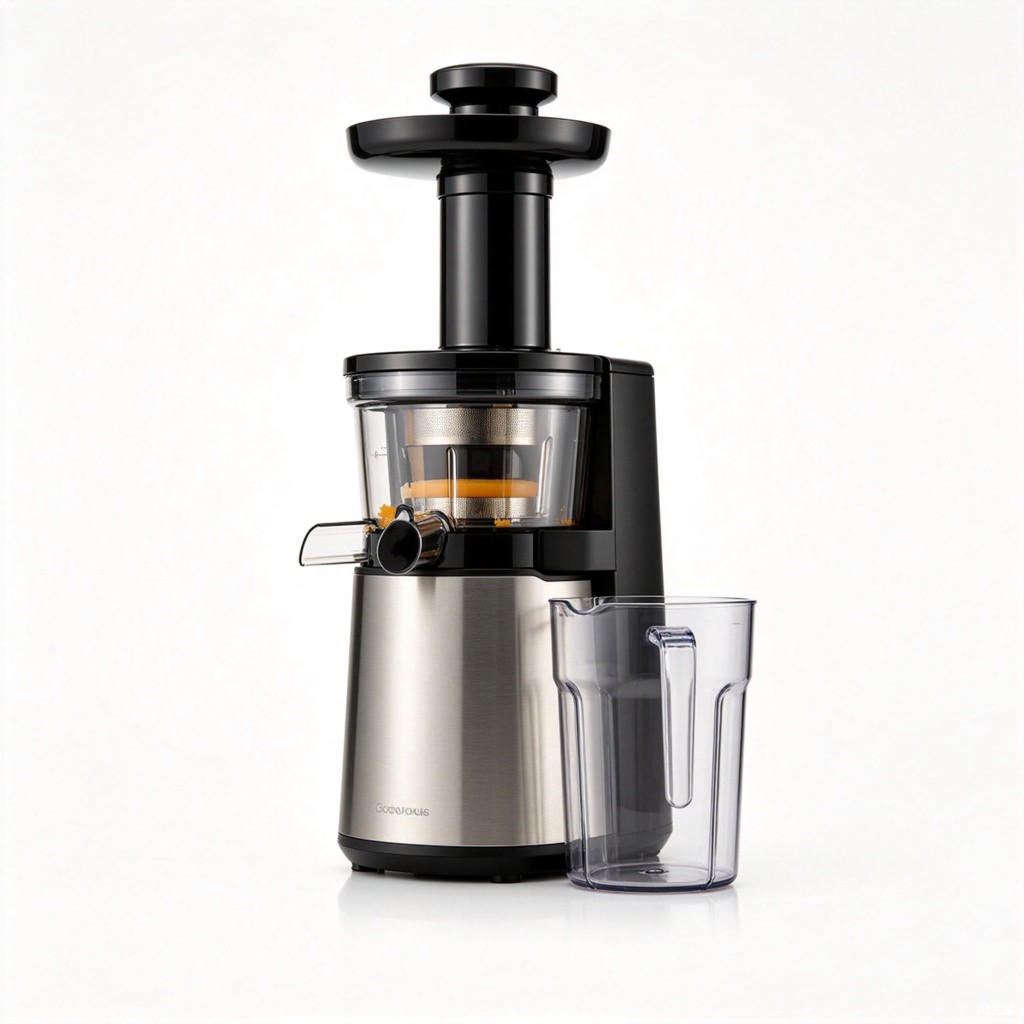
Fresh juice delivers a concentrated burst of micronutrients — vitamins, minerals, enzymes, antioxidants, and phytochemicals — in a form that requires virtually no digestion. Without fiber, the nutrients pass quickly through your stomach and into your small intestine, where they're absorbed into your bloodstream within 15–30 minutes. This is why people often report an immediate energy boost after drinking fresh juice.
The downside is the lack of fiber and the potential for blood sugar spikes. Fruit juices in particular are high in natural sugars (fructose) that, without fiber to slow absorption, can hit your bloodstream quickly — much like drinking soda, albeit with more nutrients. This is why we recommend focusing on vegetable-based juices with small amounts of fruit for sweetness, rather than all-fruit juices.
Juice also doesn't provide the macronutrients (protein and fat) you need for a complete meal. It's a nutritional supplement and boost, not a meal replacement.
Smoothies: Balanced Nutrition with Fiber
Smoothies retain 100% of the fiber from their ingredients, including both soluble fiber (which feeds gut bacteria and helps lower cholesterol) and insoluble fiber (which supports digestive regularity). The fiber acts as a slow-release mechanism, so sugars from fruit are absorbed gradually rather than hitting your bloodstream all at once. This means no sugar crash, and sustained energy instead of a quick spike.
Because you can add protein (Greek yogurt, protein powder, nut butter), healthy fats (avocado, chia seeds, coconut oil, nuts), and other nutrient-dense ingredients, smoothies can be complete, balanced meals. They keep you full for 2–4 hours, making them ideal for breakfast or lunch on the go.
The trade-off is that you can't consume as many servings of vegetables in smoothie form as you can in juice. A 16-ounce green smoothie might contain 1–2 servings of greens, while a 16-ounce green juice can pack 3–4 servings. The fiber fills you up before you can drink more.
Do You Need Both?
The honest answer is: it depends on your lifestyle and budget. There's no rule that says you have to choose. Many health-conscious households own both a juicer and a blender, and they use them for different purposes.
A common routine is: juice in the morning on an empty stomach for a quick nutrient boost (give it 30 minutes to absorb before eating), then a smoothie for breakfast or lunch with protein and fat for sustained energy. Others use their juicer for occasional juice cleanses and weekend green juice, while using the blender daily for morning smoothies.
If you can afford both and have the counter space, it's a powerful combination that gives you maximum flexibility. But not everyone can or should buy both.
Budget Considerations
Let's talk about cost, because it matters.
For juicers, plan to spend at least $100–$200 for a decent centrifugal model and $200–$400 for a quality masticating juicer that will handle greens well and last for years. Budget juicers under $70 tend to break quickly, produce low-quality juice, and have terrible cleanup.
For blenders, you can get a very good personal blender (like a NutriBullet or Ninja) for $80–$150. Full-size high-performance blenders like Vitamix and Blendec range from $300–$600 but are built to last 10+ years. A $50–$100 basic blender works fine for simple smoothies but may struggle with frozen fruit and ice.
There's also the ongoing cost of produce. Juicing requires more produce per serving than blending because you're discarding the pulp. A daily 16-ounce juice habit might cost $3–$6 in produce, while a daily smoothie costs $2–$4.
If you can only buy one: Buy a blender first. It's more versatile, easier to clean, and will get daily use for a wider range of recipes. Add a juicer later if you find yourself specifically wanting fresh juice or wanting to do a cleanse.
Our Recommendation by Use Case
Here's our straightforward recommendation based on what you're trying to achieve:
- Buy a juicer if: You want to do juice cleanses, you crave pure green juice, you want maximum nutrient concentration without fiber, you specifically want wheatgrass shots, or you enjoy the ritual and experience of fresh juice. We recommend starting with a quality masticating juicer in the $250–$400 range — see our best juicers guide for specific models.
- Buy a blender if: You want one versatile appliance, you'll make daily smoothies, meal replacement is important to you, you want to make soups/sauces/dips, you prefer whole-food nutrition with fiber, or cleanup convenience matters. A high-powered personal or full-size blender in the $100–$300 range will serve most people beautifully.
- Buy both if: You're serious about healthy eating, you have the budget ($400–$800 total for quality versions of both), you have counter space, and you want the full range of options. They complement each other better than they compete.
- Buy neither and use a hand/stick blender if: You're on a very tight budget, have minimal space, or only make occasional smoothies. Immersion blenders cost $30–$60 and can make smoothies, soups, and sauces directly in a cup or pot.
The Bottom Line
Juicers and blenders are not competitors — they're complementary tools that serve different purposes in a healthy kitchen. A juicer extracts pure, fiber-free juice for rapid nutrient absorption and is essential for juice cleanses and green juice enthusiasts. A blender pulverizes whole foods into fiber-rich smoothies and is far more versatile for everyday cooking and meal replacement.
If you're just starting your healthy-eating journey and can only pick one, start with a blender. It's more practical, more versatile, easier to clean, and will get more daily use. Then, if and when you develop a taste for fresh juice or want to try cleansing, invest in a juicer.
Whichever you choose, the important thing is that you're getting more fresh fruits and vegetables into your diet. That's the real win.
Ready to start shopping? Check out our best juicers of 2026 for our top tested picks, or our types of juicers guide to learn more about which juicer category is right for you.
Ready to Find Your Perfect Juicer?
If you've decided a juicer is right for you, see which models our testing team recommends this year. We've tested dozens of machines across every category and price point.
See Our Best Juicer Reviews →