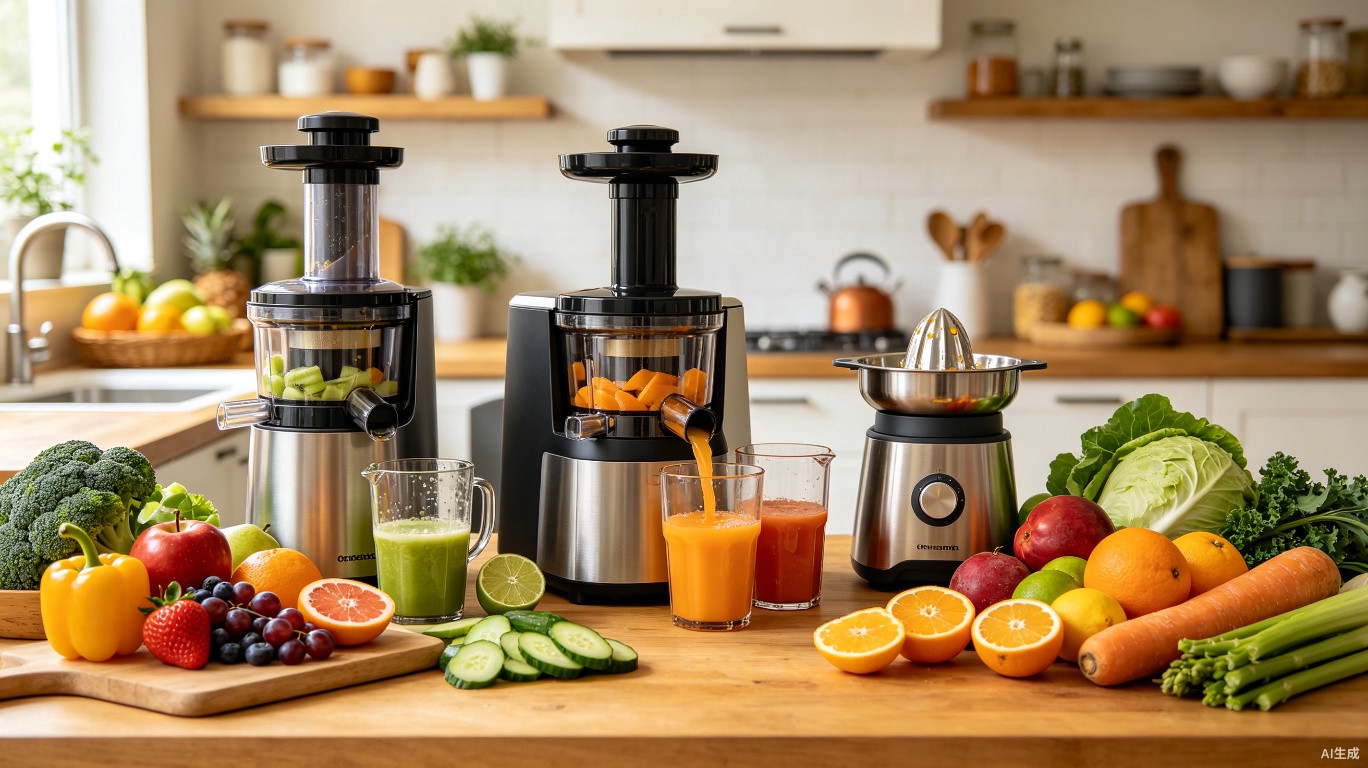
Walk into any appliance store or browse juicers online, and you'll quickly realize that "juicer" isn't a single category. There are centrifugal juicers, masticating juicers, cold press juicers, triturating juicers, citrus juicers, wheatgrass juicers, and manual hand juicers — each designed for different purposes, produce types, budgets, and lifestyles.
Buying the wrong type of juicer is the most common mistake new juicers make. A centrifugal juicer that works great for apples and carrots will struggle with wheatgrass and kale. A top-of-the-line triturating juicer is overkill if you only drink orange juice on weekends. In this guide, we break down all six major types of juicers, explain how they work, and help you figure out which one belongs in your kitchen.
Quick Overview: The 6 Juicer Types at a Glance
Before we dive into each type in depth, here's a high-level summary to orient you:
- Centrifugal juicers — Fast, affordable, great for hard produce; less effective on greens.
- Masticating / cold press juicers — Slow, high-yield, nutrient-preserving; excellent for greens.
- Triturating / twin gear juicers — Highest quality and yield; professional-grade, expensive.
- Citrus juicers — Specialized for oranges, lemons, limes; electric or manual.
- Wheatgrass juicers — Designed specifically for grasses and leafy greens.
- Manual / hand juicers — Affordable, quiet, portable; require physical effort.
1. Centrifugal Juicers
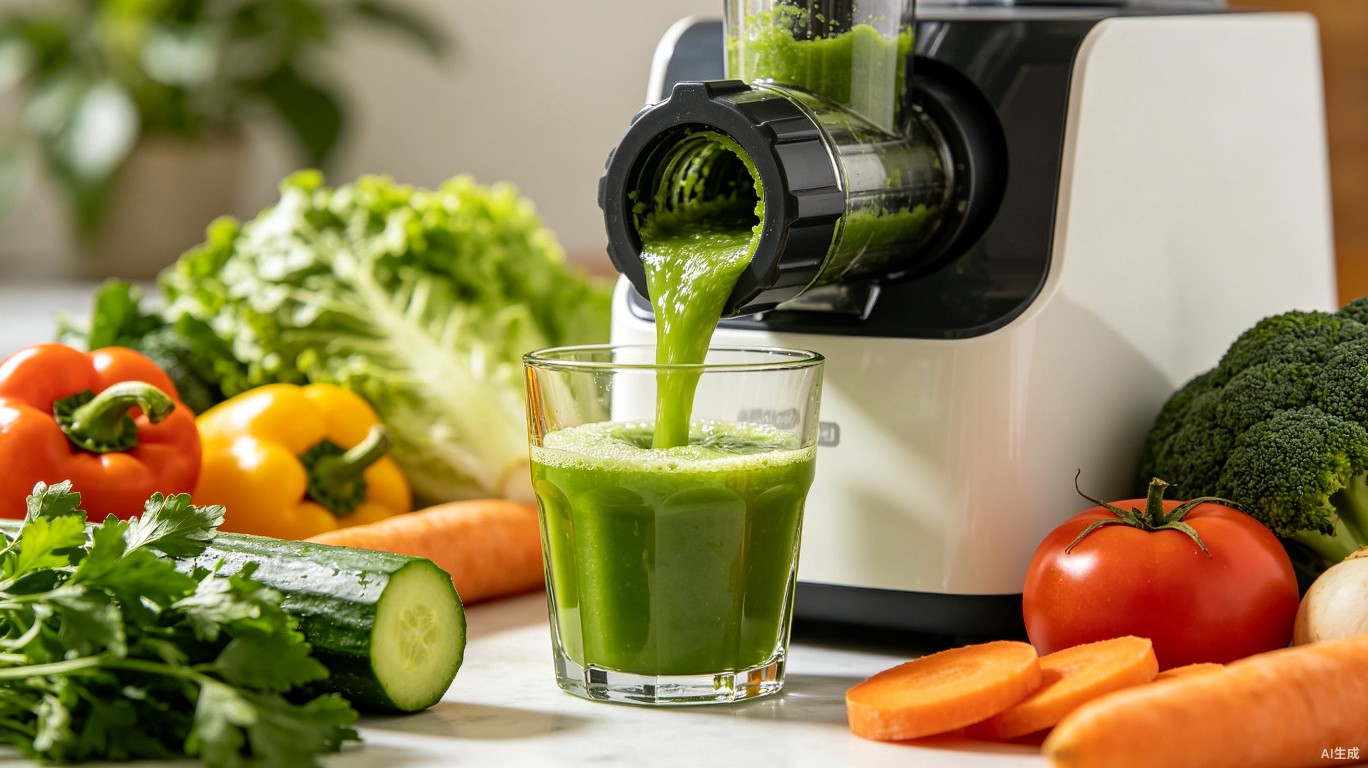
Centrifugal juicers are the most common and recognizable type of juicer on the market. If you've seen a juicer in a department store or on a late-night infomercial, it was almost certainly a centrifugal model. These machines use a rapidly spinning shredder disc (typically 3,000–16,000 RPM) that grates produce into a fine pulp, then flings the pulp against a mesh filter basket at high speed. Centrifugal force pushes the juice through the mesh while the pulp is captured and ejected into a separate container.
The biggest advantage of centrifugal juicers is speed. A whole apple can be juiced in seconds, and you can make a full 16-ounce glass of juice in under a minute. They also tend to have wider feed chutes than masticating juicers, meaning less prep time — you can often drop whole apples and carrots in without chopping them first.
Pros
- Fast juicing process; glass of juice in under a minute
- Generally the most affordable type — good models start at $50–$100
- Wide feed chutes reduce prep time; many handle whole fruits
- Widely available from brands like Breville, Hamilton Beach, and Black+Decker
- Easy to find replacement parts and accessories
Cons
- High-speed spinning introduces oxygen (oxidation), which can degrade nutrients faster
- Some heat buildup from friction, potentially affecting heat-sensitive enzymes
- Pulp comes out wetter, meaning lower juice yield and more wasted produce
- Struggles with leafy greens like kale, spinach, and wheatgrass — low yield
- Noisy — can sound like a jet engine taking off at full speed
- Juice should be consumed immediately; it doesn't store well due to oxidation
Best for: Beginners who want an affordable entry point, people who mainly juice hard fruits and vegetables (apples, carrots, celery, oranges), and anyone who prioritizes speed over maximum nutrition.
Price range: $50–$300. Budget models are $50–$100; quality mid-range models like the Breville Juice Fountain are $150–$250.
2. Masticating / Cold Press Juicers
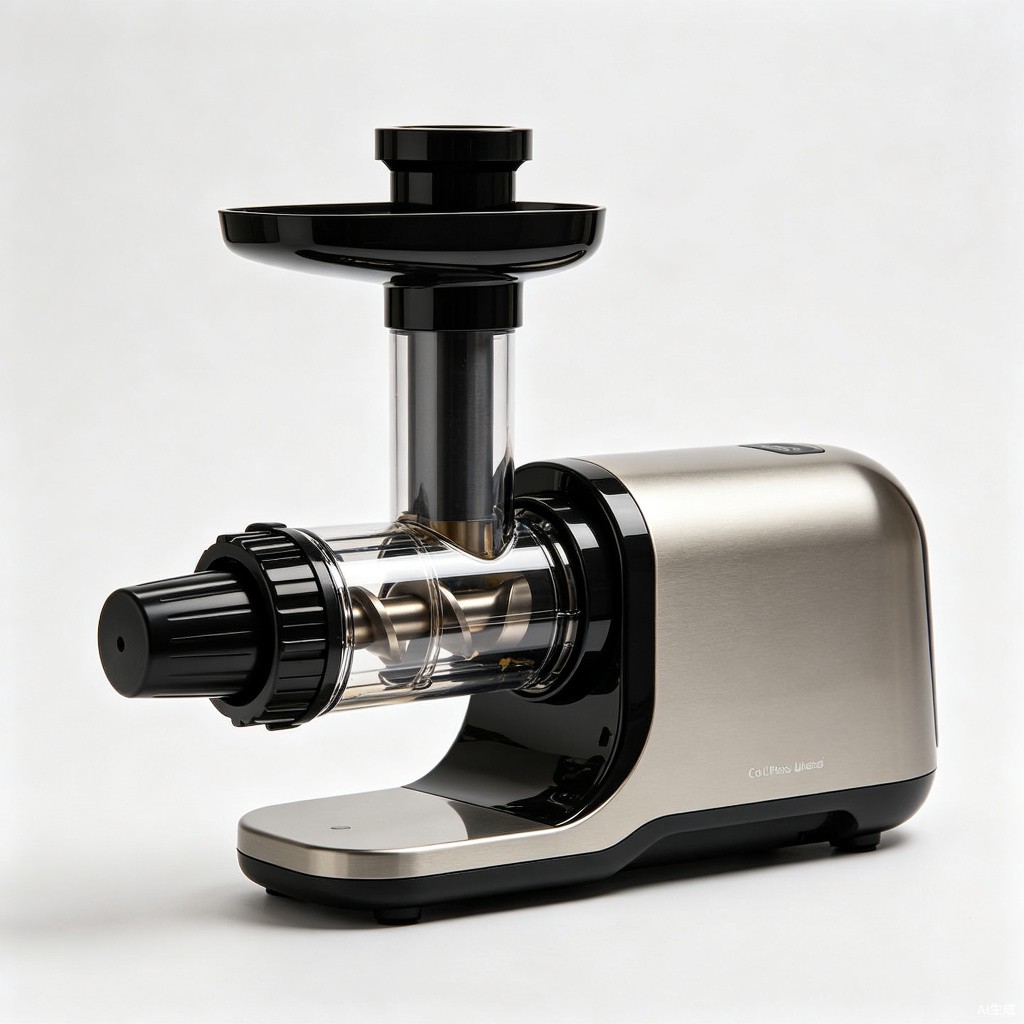
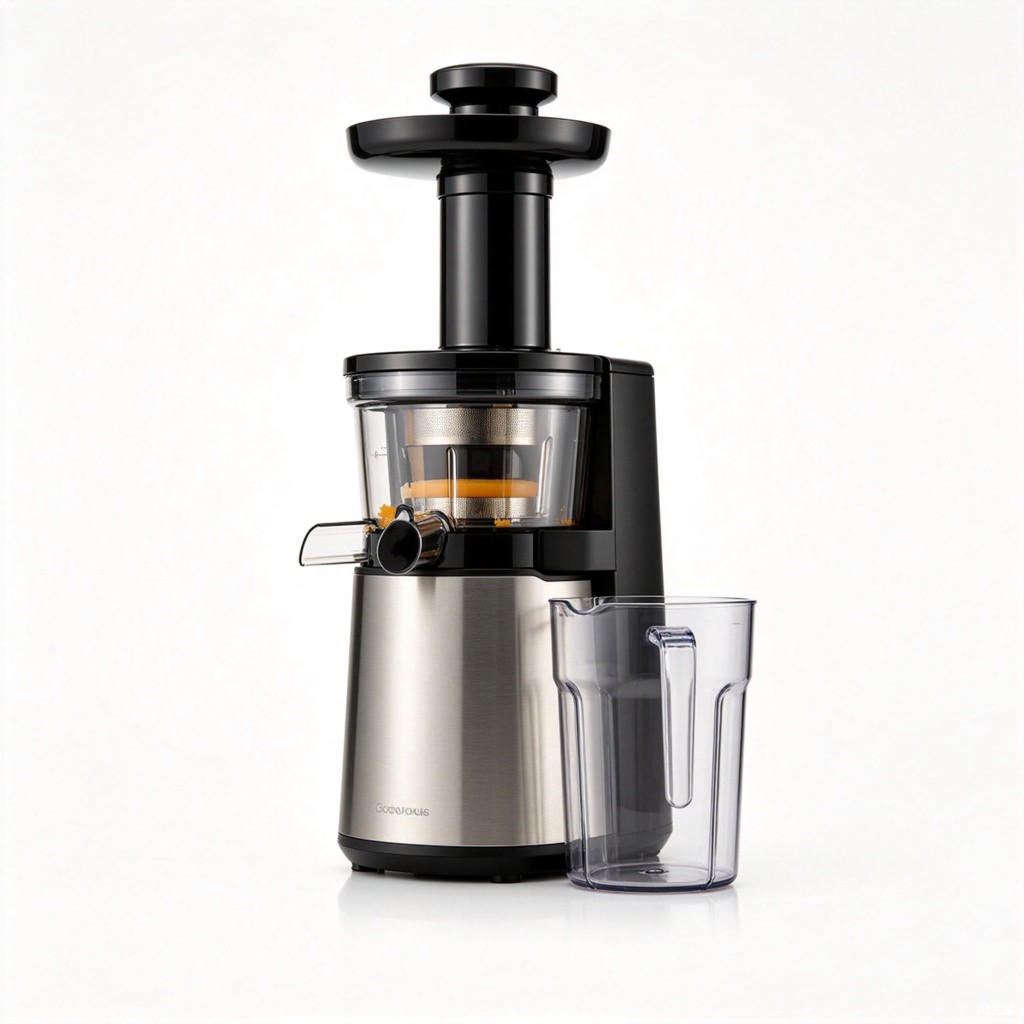
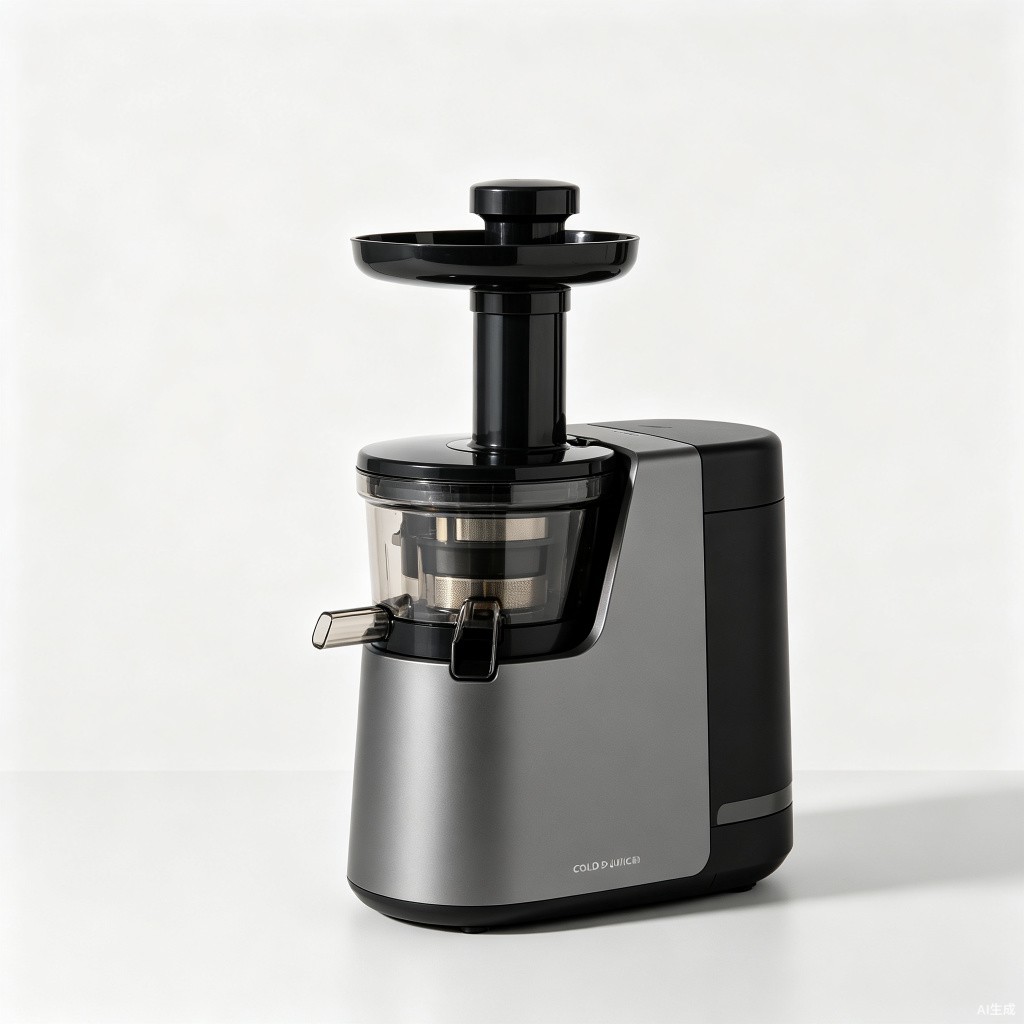
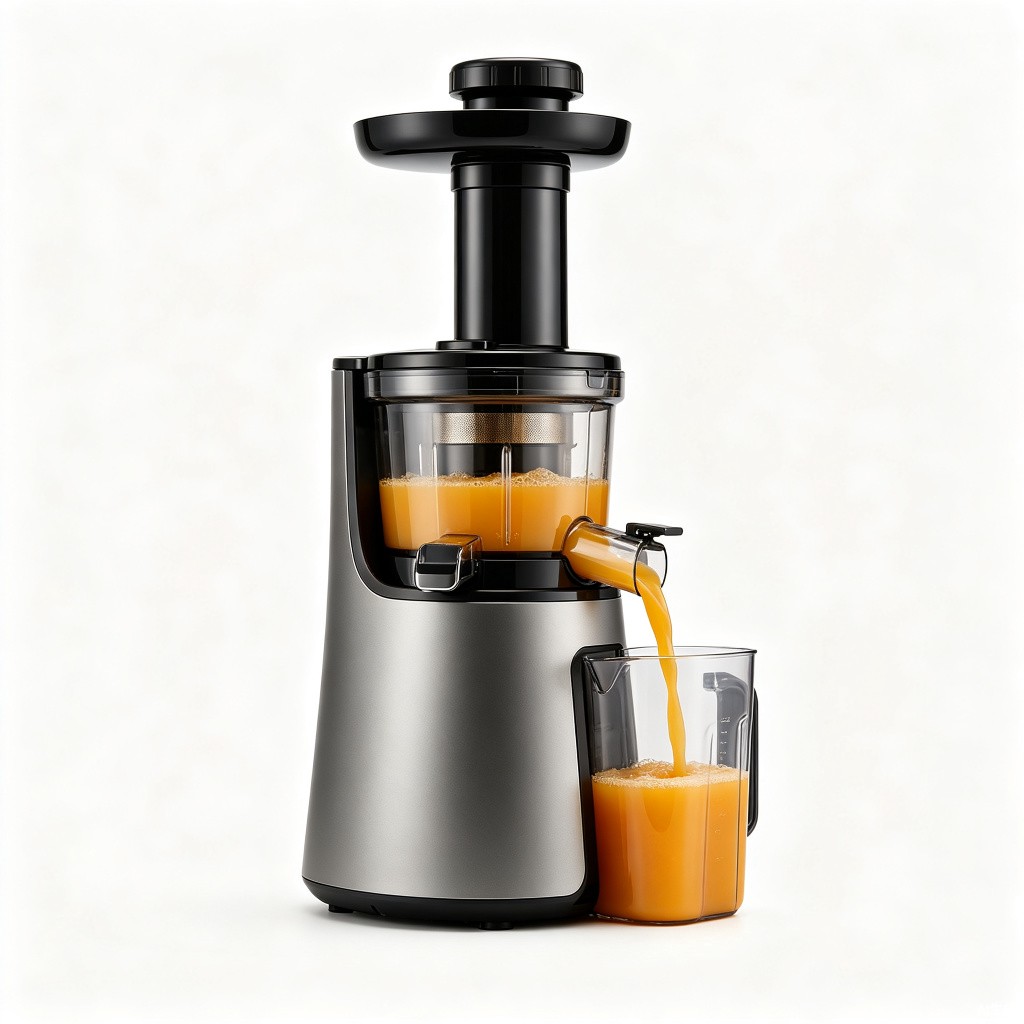
Masticating juicers — also called cold press juicers or slow juicers — have become the gold standard for home juicing enthusiasts. Instead of shredding produce at high speed, these machines use a single rotating auger (a corkscrew-shaped component) that slowly crushes, squeezes, and presses produce against a fine mesh screen at low speeds, typically 60–110 RPM.
The term "cold press" refers to the fact that no heat is generated during extraction (unlike centrifugal juicers, where friction can raise temperatures slightly). Because the auger turns slowly and crushes produce thoroughly, masticating juicers extract significantly more juice from the same amount of produce — often 20–30% more than centrifugal models. The pulp comes out almost completely dry, which means less waste and more value from your produce.
Masticating juicers excel at handling leafy greens — kale, spinach, Swiss chard, wheatgrass, and parsley — which centrifugal juicers mostly spin into wet pulp without extracting much juice. They also produce juice with less foam and oxidation, meaning you can store it in the refrigerator for 24–48 hours without significant nutrient loss.
Many masticating juicers are multi-functional and can also make nut butters, baby food, sorbets, pasta, and even mince herbs and garlic — though the quality of these extra functions varies by model.
Pros
- Higher juice yield (20–30% more than centrifugal); drier pulp means less waste
- Minimal heat and oxidation; better retention of enzymes, vitamins, and nutrients
- Exceptional at juicing leafy greens, wheatgrass, and fibrous vegetables
- Quieter operation — you can juice early in the morning without waking the house
- Juice stores better (24–48 hours in the fridge)
- Many models offer multi-function attachments for other kitchen tasks
Cons
- Slower juicing process; expect 2–5 minutes per glass
- Narrower feed chutes require more chopping and prep time
- Higher upfront cost than centrifugal juicers
- More parts to clean; auger and screen require thorough brushing
- Some models are prone to clogging with very fibrous produce
Best for: Health-conscious users who juice daily, green juice enthusiasts, anyone who juices lots of leafy greens, and people who want the best nutritional quality from their juice.
Price range: $200–$600. Entry-level masticating juicers from brands like Aicok and Tribest start around $200; premium models from Omega, Hurom, Kuvings, and Nama range from $300–$600. For our top recommendations, see our best cold press juicers guide.
3. Triturating / Twin Gear Juicers
Triturating juicers, also called twin gear juicers, represent the pinnacle of juicing technology. Instead of a single auger, these machines use two interlocking cylindrical gears (usually made of stainless steel) that rotate in opposite directions at extremely low speeds, typically 70–160 RPM. The gears first crush produce, then squeeze it under tremendous pressure between the gears and a fine mesh screen to extract every last drop of juice.
The two-stage process — first crushing, then pressing — is similar to how commercial cold press juice companies make their product. The result is the highest juice yield of any juicer type, the driest pulp, and the best nutrient retention. Triturating juicers handle everything from hard vegetables to delicate leafy greens to wheatgrass with ease, and they can process fibrous produce like pine needles, ginger, and turmeric that would jam lesser machines.
These are professional-grade machines. Many come with attachments for making homogenized foods like nut butters, pâtés, sorbets, baby food, and even pasta and breadsticks. They're built to last for decades with heavy-duty motors and all-metal construction.
Pros
- Highest juice yield of any juicer type — driest pulp, least waste
- Superior nutrient retention; minimal oxidation and heat
- Handles every type of produce including wheatgrass, pine needles, and tough roots
- Extremely durable; many models come with 10–20 year warranties
- Multi-functional with attachments for nut butters, pasta, sorbets, and more
- Quiet operation despite the powerful motor
Cons
- Expensive — typically $400 to over $1,000
- Bulky and heavy; not ideal for small kitchens or frequent moving
- Slow juicing process compared to centrifugal models
- More parts to assemble and clean; twin gears require careful brushing
- Steeper learning curve; overkill for casual juicers
Best for: Serious juicing enthusiasts, raw food practitioners, people doing regular juice cleanses, and anyone willing to invest in a lifelong appliance. Also ideal for households that juice in large batches.
Price range: $400–$1,200+. The Greenstar Elite and Tribest Greenstar Pro are popular mid-range options around $500–$700; the Super Angel and other premium models can exceed $1,000.
4. Citrus Juicers
Citrus juicers are specialized machines designed for one job and one job only: extracting juice from citrus fruits — oranges, grapefruits, lemons, limes, tangerines, and pomelos. They come in two main varieties: electric citrus juicers and manual citrus presses.
Electric citrus juicers have a motorized spinning reamer (a cone-shaped ribbed piece) that you press a halved citrus fruit against. The reamer spins, reaming out the juice which flows down into a container below. Most have adjustable pulp control so you can choose between clear juice or juice with more pulp. Manual citrus presses are lever-operated devices — you place a halved fruit cut-side-down on a reamer, then pull down a lever that presses the fruit onto the reamer with significant force.
The advantage of a dedicated citrus juicer over a centrifugal or masticating juicer for citrus is efficiency and ease. You don't need to peel the fruit (just cut it in half), there's no complicated cleanup, and you get fresh citrus juice in seconds. They're also far more affordable than full-size juicers.
Pros
- Simple to use; cut fruit in half and press or ream
- Very affordable — manual presses start under $20; electric models $30–$100
- Quick and easy cleanup; minimal parts
- Electric models work fast for large batches of orange juice
- Manual presses are completely silent and require no electricity
- Great for anyone who drinks primarily orange, lemon, or grapefruit juice
Cons
- Extremely limited use — only works with citrus fruits
- Cannot juice vegetables, leafy greens, apples, carrots, or other produce
- Manual models require physical strength and can be tiring for large batches
- Electric models can be messy if not designed well
Best for: People who primarily drink citrus juice (especially orange juice at breakfast), home bartenders who need fresh lemon/lime juice for cocktails, and anyone who wants a simple, affordable way to get fresh citrus juice without a full-size juicer.
Price range: $15–$150. Manual citrus presses start at $15–$30; quality electric citrus juicers from brands like Cuisinart, Black+Decker, and Breville range from $30–$150.
5. Wheatgrass Juicers
Wheatgrass juicers are specialized machines designed specifically for juicing wheatgrass and other delicate leafy greens like barley grass, kale, and spinach. These greens are extremely fibrous and contain very little moisture compared to fruits, which makes them nearly impossible to juice effectively in a centrifugal juicer.
Most wheatgrass juicers use a single auger masticating mechanism similar to regular masticating juicers, but they're optimized for the specific challenge of grasses. They operate at very low RPM (often under 100) and use screens designed to handle the fine, stringy pulp that wheatgrass produces. Some wheatgrass juicers are manual (hand-cranked), while others are electric.
It's worth noting that most good masticating and triturating juicers can handle wheatgrass perfectly well, so a dedicated wheatgrass juicer is usually only necessary if wheatgrass is your primary or exclusive juicing focus, or if you already own a centrifugal juicer and want to add wheatgrass capability without buying a full masticating model.
Pros
- Optimized for wheatgrass and leafy greens; high yield from fibrous grasses
- Manual models are extremely affordable, compact, and silent
- Electric models are efficient and easy to use for daily wheatgrass shots
- Produce juice with maximum enzyme and chlorophyll content
- Small footprint; easy to store
Cons
- Limited utility — not designed for fruits, hard vegetables, or general juicing
- Manual models require physical effort to crank
- Can be slow for large quantities
- A quality masticating juicer will handle wheatgrass AND other produce for not much more money
Best for: Wheatgrass enthusiasts who take daily wheatgrass shots, people on juice cleanses heavy on grasses, and anyone who already owns a centrifugal juicer but wants wheatgrass capability.
Price range: $40–$300. Manual wheatgrass juicers (like the popular Lexen and Z-Star models) are $40–$80; electric wheatgrass juicers range from $150–$300.
6. Manual / Hand Juicers
Manual juicers (also called hand juicers) are the simplest and most affordable juicing option. These devices require no electricity — you provide the power through a hand crank, lever, or pressing mechanism. Manual juicers come in several forms: hand-crank masticating juicers that look like miniature meat grinders, large lever-operated citrus presses, hand-held citrus reamers, and even old-fashioned barrel-style wheatgrass presses.
The most popular style for general juicing is the hand-crank masticating juicer, which uses a single auger turned by a hand crank to crush and press produce, just like an electric masticating juicer but powered by you. These surprisingly effective devices can handle most fruits, vegetables, and leafy greens (including wheatgrass) and produce high-quality juice with no heat or oxidation.
Pros
- Extremely affordable — most manual juicers cost $30–$80
- Completely silent operation; no motor noise
- Portable — take them camping, to the office, or travel with them
- No electricity required; works anywhere
- Simple construction with fewer parts to break
- Produce high-quality, low-oxidation juice similar to electric masticating juicers
- Easy to clean; most parts rinse clean quickly
Cons
- Require physical effort — cranking can be tiring, especially for large batches
- Slow juicing process — a glass of juice takes 5–10 minutes of cranking
- Can be difficult to grip or clamp securely to countertops
- Not ideal for juicing hard root vegetables in large quantities
- Not suitable for users with limited hand/wrist strength or arthritis
Best for: Budget-conscious beginners, travelers, campers, people with small kitchens, anyone who juices occasionally rather than daily, and those who want a backup juicer. Also great for quiet juicing in shared living spaces.
Price range: $15–$100. Basic hand-held citrus reamers start under $15; hand-crank masticating juicers from brands like Lexen, Pantry's, and Zyliss are $40–$80; heavy-duty manual citrus presses range from $30–$100.
How to Choose the Right Type for You
With all these options, making a decision can feel overwhelming. Here's a simple decision framework to help you narrow it down based on your specific situation.
Choose a centrifugal juicer if: You're on a tight budget (under $150), you mainly juice hard fruits and vegetables, speed matters to you, and you're just getting started. This is the most popular beginner choice.
Choose a masticating/cold press juicer if: You plan to juice regularly (3+ times per week), you want to juice leafy greens, maximum nutrition matters to you, and you can spend $200–$500. This is the best all-around choice for most people and what we recommend most often.
Choose a triturating juicer if: You're a serious juicing enthusiast, you do juice cleanses regularly, you want the highest possible yield and nutrition, and budget is secondary. These are lifetime machines that will serve you for decades.
Choose a citrus juicer if: You primarily drink citrus juices (especially orange juice), you're a home bartender needing fresh citrus, or you want a secondary juicer for citrus alongside a main juicer.
Choose a wheatgrass juicer if: Wheatgrass shots are your main focus and you already own another juicer for fruits and vegetables.
Choose a manual juicer if: You're on a very tight budget, you need portability, you juice infrequently, or you value silence and simplicity.
Still not sure? For the vast majority of people, a quality masticating/cold press juicer in the $250–$400 range offers the best combination of performance, versatility, and long-term value. It handles every type of produce, produces high-quality juice, and will last for many years.
Ready to see specific model recommendations? Our testing team has put dozens of juicers through rigorous trials. Check out our best juicers of 2026 for our top picks across every category and price point, or our dedicated best cold press juicers guide if you've already decided to go masticating.
Ready to Find Your Perfect Juicer?
Now that you know which type of juicer fits your lifestyle, see which specific models our testing team recommends this year.
See Our Best Juicer Reviews →