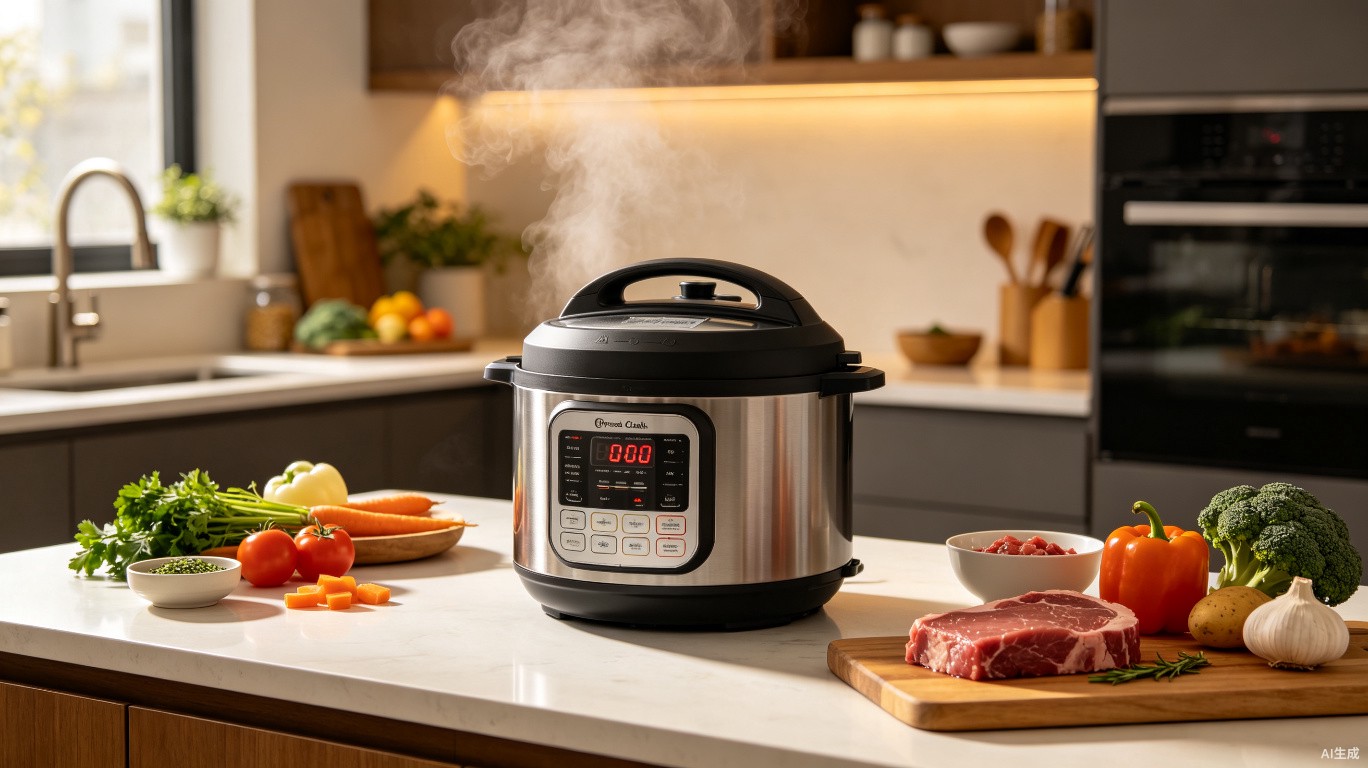
Buying a pressure cooker is one of the best investments you can make for your kitchen. It saves time, preserves nutrients, tenderizes tough cuts of meat, and opens up a world of recipes that would otherwise require hours of slow simmering. But with dozens of brands, hundreds of models, and a dizzying array of features, sizes, and price points to consider, finding the right pressure cooker can feel like a daunting task.
This comprehensive buying guide walks you through every decision you need to make, from choosing the right size and type to understanding which features truly matter and which are just marketing noise. By the end of this guide, you will know exactly what to look for and be ready to make a confident purchase.
Size and Capacity: How Big Should Your Pressure Cooker Be?
Pressure cooker capacity is measured in quarts (or liters) and is one of the most important decisions you will make. Choosing the right size depends on your household size, cooking habits, and the types of recipes you plan to prepare.
3-Quart (Mini) Pressure Cookers
The smallest category, 3-quart pressure cookers are ideal for individuals, couples, or anyone cooking small portions. They are compact enough for dorm rooms, studio apartments, and RVs, and they heat up and pressurize faster than larger models. However, they are too small for most family-sized recipes and cannot accommodate large cuts of meat or whole chickens.
- Best for: Singles, couples, dorm rooms, small kitchens, side dishes, meal prep for one.
- Limitations: Too small for large recipes, whole chickens, or batch cooking.
- Popular models: Instant Pot Duo Mini 3-Quart, Ninja Foodi 3-Quart.
6-Quart (Standard) Pressure Cookers
The 6-quart size is the most popular and versatile option. It is large enough to prepare meals for a family of four to six, can accommodate whole chickens and large cuts of meat, and is compatible with the widest range of recipes available online and in cookbooks. Most recipe developers test their recipes using a 6-quart model, so choosing this size gives you the greatest compatibility with published recipes.
- Best for: Families of 2-6, most standard recipes, versatile everyday cooking.
- Limitations: May be too large for single-serving cooking; takes up moderate counter space.
- Popular models: Instant Pot Duo 6-Quart, Instant Pot Duo Evo Plus 6-Quart, COSORI 9-in-1 6-Quart.
8-Quart (Large) Pressure Cookers
The 8-quart size is ideal for large families (6+ people), batch cooking, meal prepping for the week, or anyone who frequently cooks for crowds. The extra capacity allows you to prepare large roasts, big batches of soup or chili, and multiple servings of rice or grains simultaneously. However, 8-quart models are larger and heavier, require more counter space, and need more liquid to reach pressure.
- Best for: Large families, batch cooking, meal prepping, entertaining.
- Limitations: Larger footprint, heavier, requires more liquid, fewer compatible recipes (most are designed for 6-quart).
- Popular models: Instant Pot Duo 8-Quart, Ninja Foodi 8-Quart.
Size Recommendation Summary
If you are unsure which size to choose, go with the 6-quart. It is the most versatile, has the most recipe compatibility, and works well for the widest range of household sizes. You can always supplement with a smaller 3-quart model later if you find you need a compact cooker for side dishes or small portions.
Stovetop vs Electric: Which Type Is Right for You?
The choice between stovetop and electric is one of the most fundamental decisions in your pressure cooker buying journey. Each type has distinct advantages and trade-offs, and the right choice depends on your cooking style, kitchen setup, and personal preferences.
When to Choose Stovetop
Choose a stovetop pressure cooker if you value maximum cooking speed and precise control, you want to do home canning (only stovetop models reach the required pressure), you prefer appliances that last decades rather than years, you cook on a gas range and want a cooker that works during power outages, or you need a larger capacity than 8 quarts for canning or large-batch cooking.
When to Choose Electric
Choose an electric pressure cooker if you want set-and-forget convenience with no monitoring required, you are new to pressure cooking and prefer automated controls and safety features, you want additional functions like slow cooking, yogurt making, or rice cooking in the same appliance, you have limited kitchen space and want a self-contained countertop unit, or you prefer quiet operation without the hissing and jiggling of stovetop models.
For a more detailed comparison of all three types (stovetop, electric, and multi-cooker), see our comprehensive types of pressure cookers guide.
Key Features to Look For
Beyond size and type, there are several features that can significantly impact your cooking experience. Here is what to look for and what to prioritize.
Inner Pot Material and Quality
The inner pot is the cooking surface that comes into direct contact with your food, and its material and construction quality matter enormously. Look for stainless steel inner pots (preferably 18/8 or 304-grade), which are durable, non-reactive, dishwasher-safe, and do not leach chemicals into your food. Avoid models with non-stick coated inner pots if possible — while they are easier to clean initially, the coating degrades over time and can scratch or chip. Some premium models (like the Instant Pot Duo Evo Plus) feature a tri-ply stainless steel inner pot that provides more even heat distribution.
Pressure Settings
Most electric pressure cookers offer two pressure levels: high pressure (10-12 PSI) for most cooking tasks and low pressure (5-7 PSI) for delicate foods like eggs, fish, and custards. Some premium models offer a third "max" pressure setting for even faster cooking. Stovetop models typically operate at a single pressure level (15 PSI) with some offering a lower secondary setting. Having both high and low pressure options is valuable for expanding the range of dishes you can prepare.
Programmable Controls and Presets
Modern electric pressure cookers offer a range of preset cooking programs (meat/stew, bean/chili, soup, rice, poultry, yogurt, saute, steam, slow cook, and more). While these presets are convenient for beginners, most experienced users eventually prefer to set the time and pressure manually. Do not choose a model based on the number of presets alone — a model with 10 presets you never use is no better than one with 3 presets you use daily. Focus instead on the quality of the manual controls, the clarity of the display, and the ease of adjusting time and pressure settings.
Delayed Start and Keep Warm
Delayed start allows you to load ingredients into the cooker and set it to begin cooking at a later time. This is incredibly convenient for having a meal ready when you get home from work. However, food safety experts caution against using delayed start with perishable ingredients (meat, dairy) that would sit at room temperature for hours before cooking begins. Keep warm automatically activates after cooking is complete, maintaining your food at a safe serving temperature (typically 140-160°F) until you are ready to eat. Both features are standard on most electric models and are genuinely useful in daily cooking.
Safety Features Explained
Safety is understandably a top concern for anyone shopping for a pressure cooker, especially first-time buyers who may have heard stories about older models that occasionally malfunctioned. The good news is that modern pressure cookers are among the safest kitchen appliances available, incorporating multiple redundant safety systems that make dangerous failures essentially impossible.
Here are the key safety features to look for and understand:
- Locking lid mechanism: The lid cannot be opened while the pot is pressurized. This is the most fundamental safety feature and is present on every modern pressure cooker, both stovetop and electric. The lid physically locks in place when pressure is detected and will not unlock until the pressure has been safely released.
- Primary pressure regulator: The main valve that controls internal pressure by releasing steam when the target pressure is reached. On stovetop models, this is typically a weighted or spring-loaded valve. On electric models, it is an electronic sensor-controlled valve.
- Secondary/backup pressure release: If the primary valve becomes blocked (for example, by food particles), a secondary release mechanism activates to vent excess pressure. This may be a backup valve, a melt plug, or a gasket designed to deform and create a gap for steam to escape.
- Anti-blockage shield: A mesh or screen cover over the pressure valve that prevents food particles from entering and clogging the valve. This is a simple but critical feature, especially when cooking foods that foam or splatter (like beans, oats, or pasta).
- Overpressure self-release (gasket blowout): If all other safety mechanisms fail and pressure continues to build beyond safe limits, the silicone gasket is designed to deform or blow out, creating a gap between the lid and the pot for steam to escape. This prevents the pot from rupturing or exploding.
- Lid detection sensors (electric models): The cooker will not begin heating or pressurizing unless the lid is properly closed and locked. This prevents the cooker from operating with an improperly sealed lid.
- Temperature monitoring (electric models): Built-in sensors continuously monitor the internal temperature and automatically adjust the heating element to prevent overheating. If an abnormal temperature is detected, the cooker shuts down automatically.
- Automatic shutoff (electric models): If the cooker detects any abnormal condition (excessive temperature, no liquid detected, sensor malfunction), it will automatically shut off power to the heating element as a failsafe.
When evaluating a pressure cooker's safety, look for models that have been certified by recognized testing organizations such as UL (Underwriters Laboratories), ETL (Intertek), or equivalent European standards (CE marking). These certifications verify that the cooker has been independently tested and meets rigorous safety standards.
Budget Breakdown by Price Tier
Pressure cookers are available at every price point, from budget-friendly basics to premium models with advanced features. Here is what you can expect at each price tier.
Budget Tier: $30-$60
At this price point, you will find basic stovetop pressure cookers from brands like Presto and Hawkins, as well as entry-level electric models from COSORI, Midea, and Gourmia. These cookers offer solid pressure cooking performance with basic controls and essential safety features. The build quality is adequate for regular use, though the inner pot may be thinner and the gasket may need replacement sooner than on premium models. This tier is ideal for first-time buyers who want to try pressure cooking without a significant investment.
- What you get: Reliable pressure cooking, basic presets (electric), essential safety features, adequate build quality.
- What you miss: Premium materials, advanced presets, smart connectivity, multiple pressure settings, accessory kits.
Mid-Range Tier: $60-$120
This is the sweet spot for most buyers. The mid-range tier includes the hugely popular Instant Pot Duo series, COSORI premium models, and quality stovetop cookers from T-fal and Presto's higher-end lines. You get noticeably better build quality, more cooking functions, multiple pressure settings, and a more polished user experience. The inner pot is typically heavier-gauge stainless steel, the control panel is more intuitive, and the accessory ecosystem (extra sealing rings, steamer baskets, etc.) is well-developed.
- What you get: Excellent build quality, multiple pressure settings, 7-10 cooking functions, intuitive controls, good accessory ecosystem.
- What you miss: Smart features, premium European engineering, air frying capability.
Premium Tier: $120-$200
Premium models include the Instant Pot Duo Evo Plus, Ninja Foodi multi-cookers, and European stovetop models from Fissler and Kuhn Rikon. These cookers offer top-tier build quality, advanced features like smart connectivity, multiple pressure settings with fine-tuned control, premium inner pots with tri-ply construction, and comprehensive accessory kits. Premium stovetop models in this tier are engineered to last decades and offer precision control that serious cooks appreciate.
- What you get: Premium materials and construction, advanced features, smart connectivity (some models), superior heat distribution, comprehensive warranties.
- What you miss: Diminishing returns on features you may not use; the core pressure cooking performance is not dramatically better than mid-range models.
Ultra-Premium Tier: $200-$300+
This tier includes the Ninja Foodi Smart XL multi-cooker with guided cooking, the Fissler Vitavit Premium with full accessory kits, and the Breville Fast Slow Pro with dual sensors and automated steam release. These are the best of the best, offering every feature and the highest build quality available. They are ideal for cooking enthusiasts who want the absolute best and are willing to pay for it.
- What you get: Every available feature, premium European or cutting-edge design, guided cooking systems, superior accessories, extended warranties.
- Consider: Whether you will actually use all the features to justify the price premium over a mid-range model.
Top Picks by Category
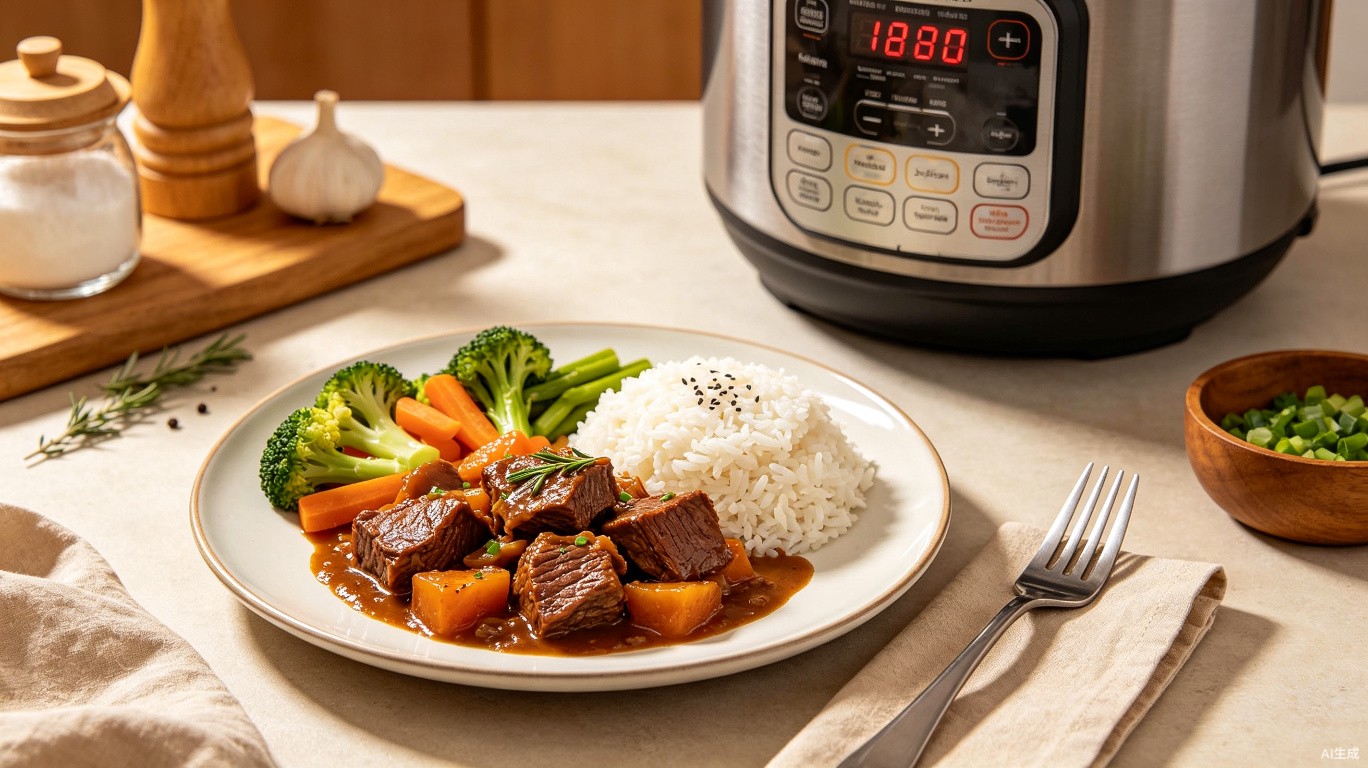
Based on our extensive testing and research, here are our top pressure cooker recommendations for 2026, organized by category and budget.
- Best overall electric: Instant Pot Duo Evo Plus 6-Quart — 9-in-1 functionality, easy-to-use interface, excellent build quality, and the most extensive recipe community. The go-to choice for most buyers.
- Best budget electric: COSORI 9-in-1 Electric Pressure Cooker 6-Quart — delivers outstanding value with 9 functions, stainless steel inner pot, and reliable performance at a fraction of the Instant Pot price.
- Best stovetop overall: Fissler Vitavit Premium 6-Quart — German-engineered excellence with three pressure settings, a comprehensive accessory kit, and build quality that will last a lifetime.
- Best stovetop budget: Presto 01781 8-Quart Induction Compatible — a proven workhorse at an unbeatable price. Durable, reliable, and large enough for most home cooking needs.
- Best multi-cooker: Ninja Foodi 14-in-1 Smart XL 8-Quart — the air frying function is genuinely excellent (not an afterthought), and the pressure cooking performance is among the best in the electric category. The guided cooking system is a nice bonus for beginners.
- Best for small kitchens: Instant Pot Duo Mini 3-Quart — compact, affordable, and perfect for singles, couples, or anyone with limited counter space.
- Best for large families: Instant Pot Duo 8-Quart — the extra capacity handles large roasts, big batches of soup, and meal prep with ease, all at a reasonable price.
- Best for canning: Presto 01784 23-Quart Induction Compatible — the go-to choice for home canners, with the capacity and pressure performance needed for safe pressure canning of low-acid foods.
Accessories Worth Considering
Once you have chosen your pressure cooker, a few accessories can enhance your cooking experience:
- Extra sealing rings: The silicone sealing ring absorbs flavors over time. Having a second ring (one for savory dishes and one for sweet) prevents flavor crossover. They typically cost $8-$15 each.
- Steaming basket: A stainless steel steaming basket is essential for vegetables, seafood, and hard-boiled eggs. Many cookers include one, but aftermarket options are available for $10-$15.
- Sling or handles: A silicone sling or foldable handles make it easier and safer to lift hot inner pots and ramekins in and out of the cooker. Available for $8-$12.
- Springform pan: A 7-inch springform pan is essential for making cheesecakes and other baked desserts in your pressure cooker. Available for $10-$15.
- Glass lid: A glass lid (compatible with your model) is useful for slow cooking and keeping warm, allowing you to see the food without removing the lid. Available for $12-$20.
Ready to Make Your Choice?
Now that you know exactly what to look for in a pressure cooker, it is time to find the perfect model for your kitchen. We have tested and ranked the best pressure cookers on the market to help you choose with confidence.
See Our Best Pressure Cooker Reviews →