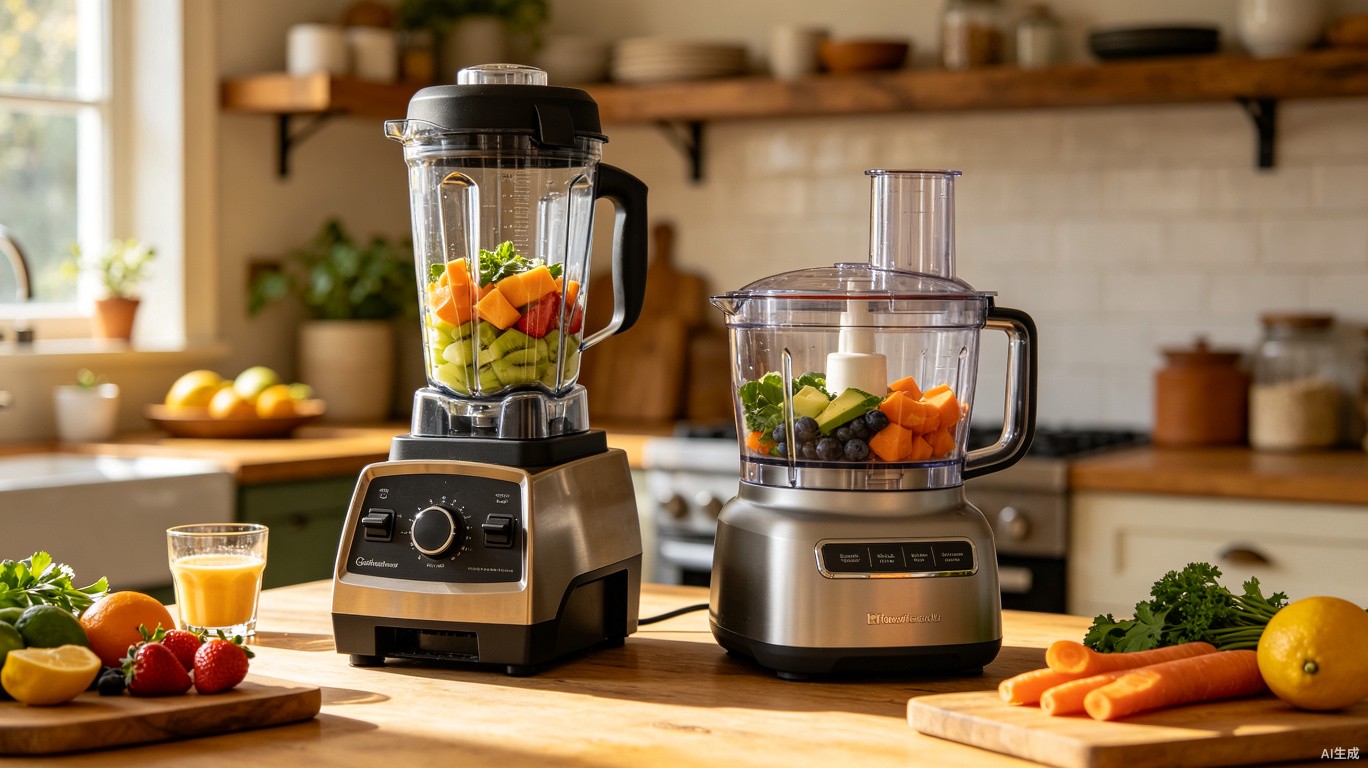
Two appliances, one counter, and an age-old question: do you need a blender, a food processor, or both? Both sit on the countertop, both plug in, and both spin blades at high speed — so it's easy to assume they're interchangeable. They're not. A blender and a food processor are built for fundamentally different jobs, and using the wrong one for a task leads to either a soupy mess or a chunky failure.
The short version: a blender is built for liquids and turning things smooth, while a food processor is built for solids and turning things uniform without liquefying them. But the details matter — especially if your budget or counter space only allows for one. In this guide, we'll break down what each appliance does, the key design differences, where they overlap, and how to decide which one (or both) your kitchen actually needs.
What a Blender Does
A blender's reason for being is liquefaction. Its tall, tapered pitcher and high-speed angled blades are designed to create a vortex that pulls ingredients down through the blades over and over, breaking them down into a smooth, pourable consistency. Blenders thrive on liquid — in fact, most need some liquid to form that vortex and keep the blades moving. Add fruit, ice, yogurt, and a splash of milk, and a blender turns them into a silky smoothie in seconds.
Because the pitcher is sealed and tall, a blender can handle thin and hot liquids safely, making it ideal for smoothies, protein shakes, pureed soups, sauces, salad dressings, and frozen drinks. High-performance blenders like Vitamix and Blendtec push this further, grinding grains into flour, churning nuts into butter, and even heating soup through blade friction. In every case, the goal is the same: take a mix of ingredients and render them smooth and uniform.
What a Food Processor Does
A food processor's reason for being is precision prep on solids. Its wide, shallow bowl and large S-shaped central blade are designed to chop, slice, shred, and knead — not to liquefy. Where a blender wants everything submerged in liquid, a food processor works best on dry or barely-moist ingredients: a pile of onions, a block of cheese, a ball of dough. The wide bowl lets ingredients tumble and reposition, so the blade hits them evenly instead of pureeing the bottom while leaving the top untouched.
Most food processors also accept interchangeable discs that sit at the top of the feed tube, so you can push vegetables through for even slices or shreds — something no blender can do. That makes a food processor the go-to for chopping vegetables, grating cheese, slicing cucumbers, shredding carrots, making coleslaw, pulsing pie and pizza dough, and preparing pesto or hummus with a chunky, textured finish rather than a completely smooth one.
The Key Differences: Blades, Bowl Shape, and Liquid
The reason these two appliances behave so differently comes down to three core design choices. Understanding them tells you exactly why each tool belongs in its lane.
1. Blade Design
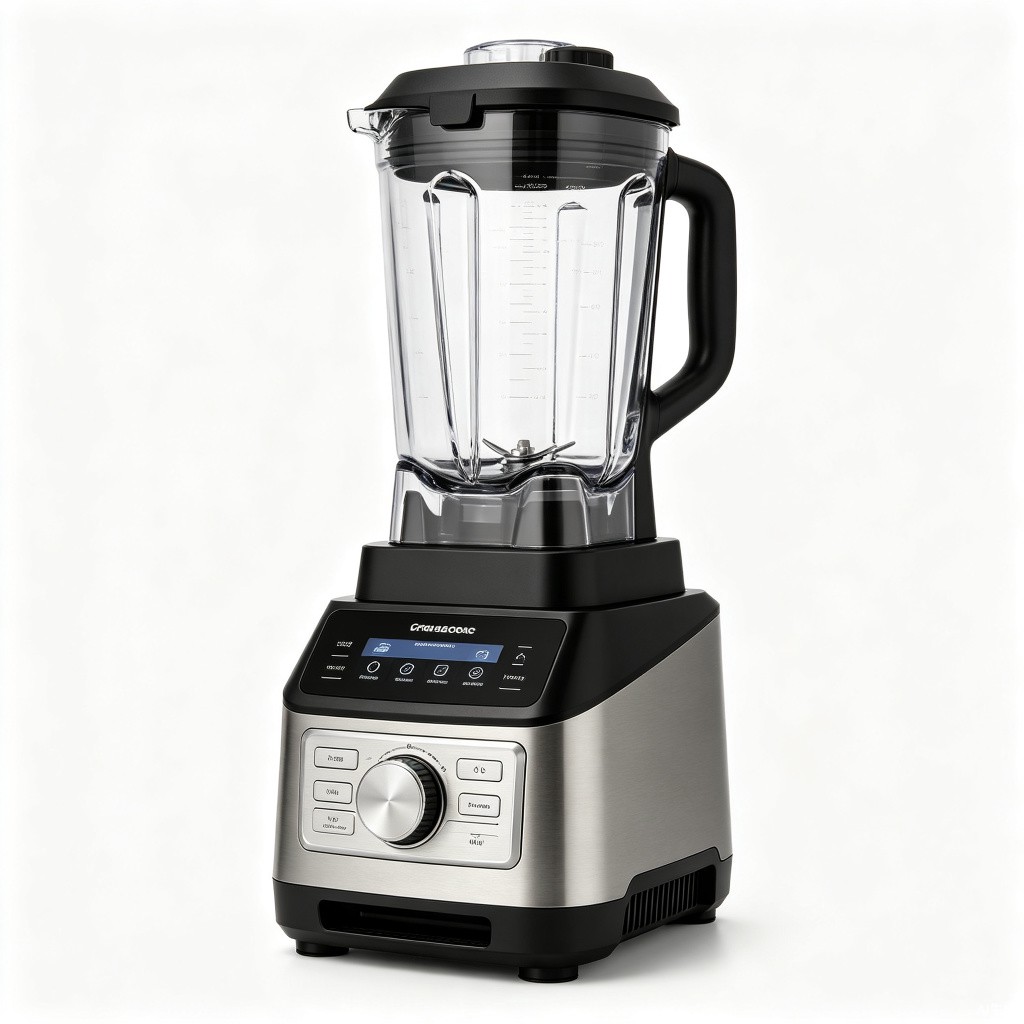
A blender uses small, sharply angled blades set low at the bottom of the pitcher, spinning at very high RPM. Their job is to pulverize and emulsify. A food processor uses a larger, wider S-shaped blade (and often extra discs) mounted on a central drive shaft, spinning at a lower RPM. Its job is to cut and chop with each pass, leaving texture behind. Blender blades want to make things disappear into liquid; food processor blades want to cut things into even pieces.
2. Bowl Shape
A blender's pitcher is tall and tapered — narrow at the bottom, wider at the top — which encourages the vortex that circulates ingredients through the blades. A food processor's bowl is wide and shallow, which lets ingredients tumble and redistribute so the blade processes them evenly without pulverizing them. Try chopping onions in a blender and you'll get a watery puree at the bottom and whole chunks at the top; try making a smoothie in a food processor and the liquid will leak out the central spindle.
3. Liquid Handling
This is the make-or-break difference. A blender's sealed pitcher is designed to hold liquids safely, with a tight lid that won't leak even when full. A food processor's bowl has a central drive shaft that isn't fully sealed — fill it with thin liquid and it will seep out the bottom. That's why blenders own soups, smoothies, and dressings, while food processors own dry chopping, slicing, shredding, and dough. Each is sealed and shaped for the consistency it's meant to produce.
What Blenders Excel At
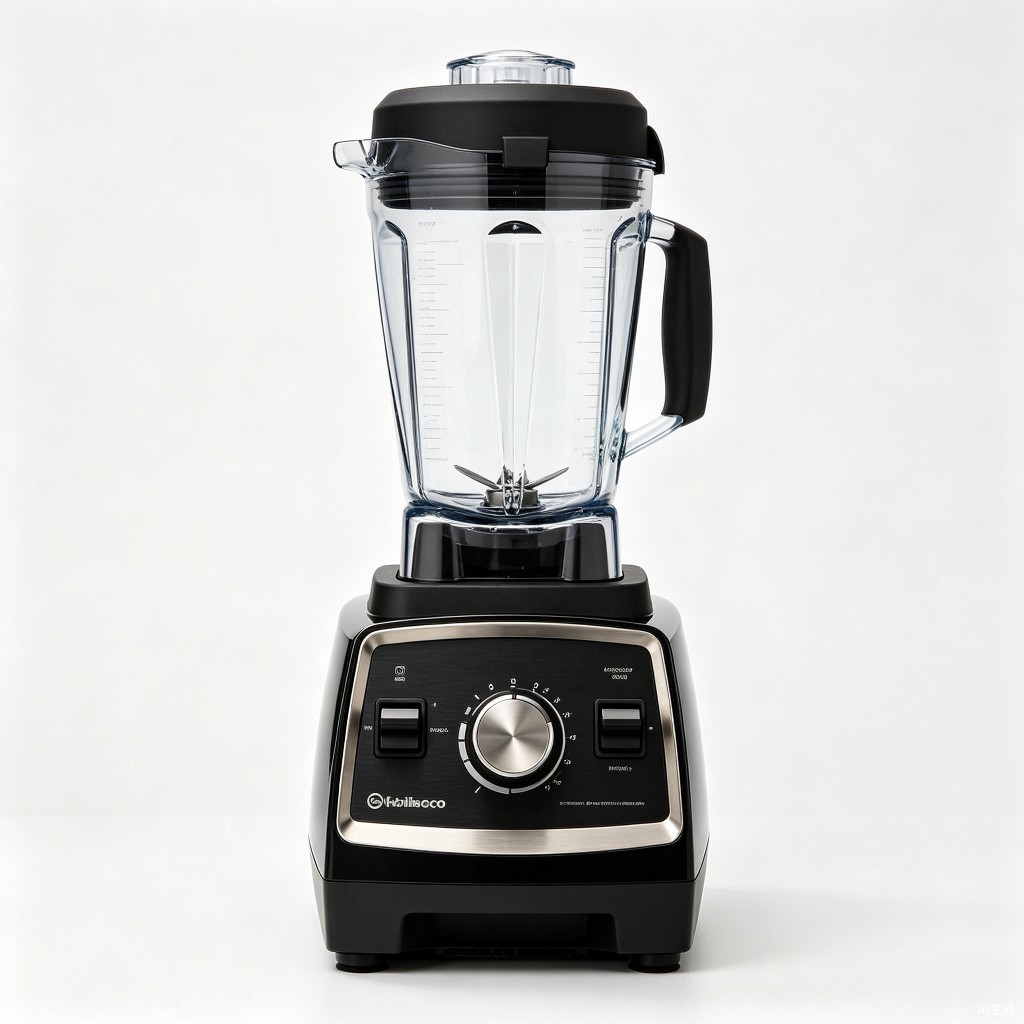
If a task involves liquid or a goal of "smooth and pourable," the blender is the right tool. Here's where blenders are clearly superior:
- Smoothies and shakes: The vortex turns fruit, ice, yogurt, and liquids into a silky drink, something a food processor simply can't do.
- Pureed soups: A blender (especially a high-performance one) turns cooked vegetables into a velvety, restaurant-style soup with no chunks.
- Sauces and dressings: Emulsified dressings, marinara, hollandaise, and pureed sauces come out perfectly smooth.
- Frozen drinks and crushed ice: Margaritas, frappés, and slushies require the high speed and sealed pitcher only a blender offers.
- Nut milks and butters: High-performance blenders can grind nuts into milk or butter, tasks beyond a food processor's range.
What Food Processors Excel At
If a task involves solids or a goal of "evenly cut but not liquefied," the food processor is the right tool. Here's where food processors shine:
- Chopping vegetables: Dice a dozen onions or a head of cauliflower in seconds — uniformly, without turning them to mush.
- Slicing and shredding: Interchangeable discs produce even slices of cucumbers or perfect shreds of cheese and carrots in one pass.
- Grating cheese: A food processor grates a block of cheese faster and more evenly than any box grater, with no scraped knuckles.
- Making dough: The pulse function kneads pie, pizza, and pasta dough quickly without overheating it — a job blenders can't do.
- Chunky dips and spreads: Pesto, salsa, hummus, and tapenade come out with pleasing texture rather than a baby-food puree.
The Overlap: Where They Compete
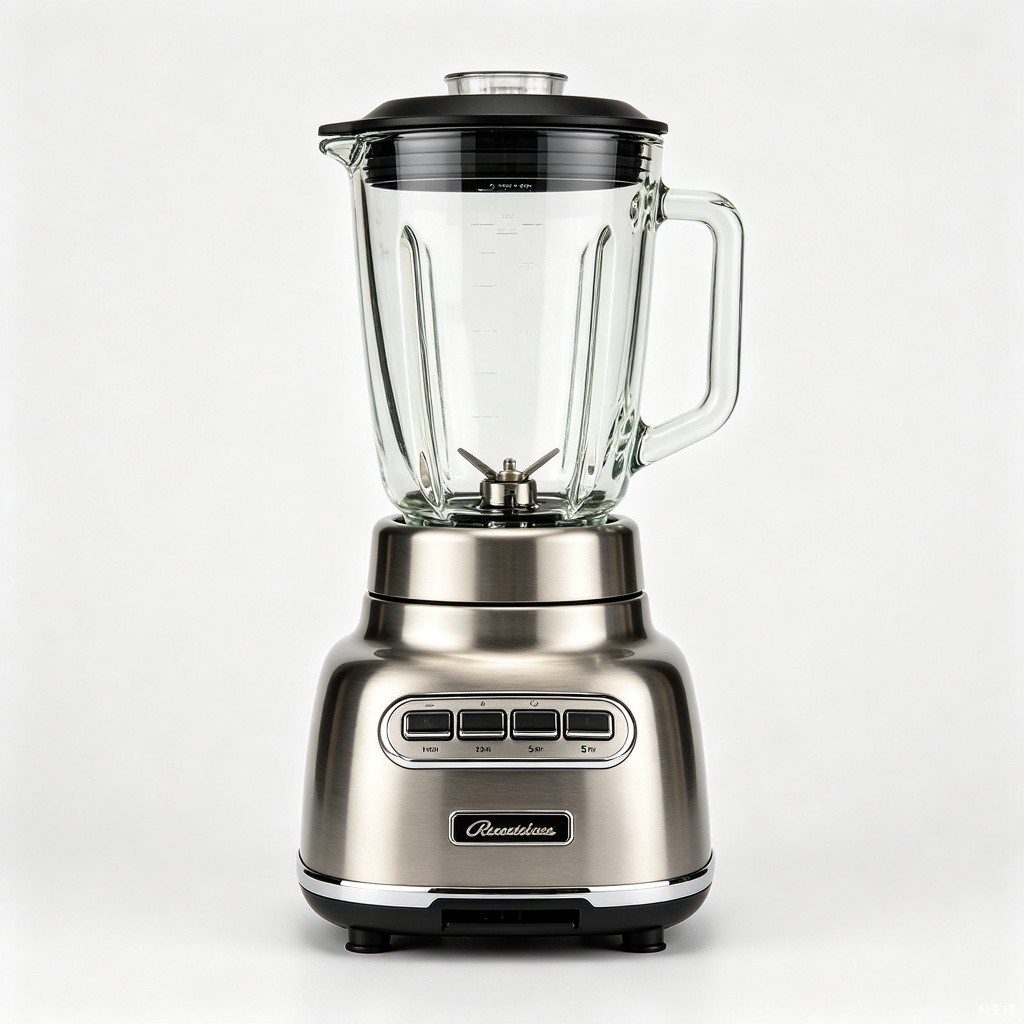
There's a gray zone where blenders and food processors can both do the job, and that's where most of the confusion lives. Tasks like making hummus, pesto, salsa, or nut butter, grinding crumbs, or pureeing cooked vegetables can be handled by either — but the result will differ in texture. The blender will push toward smoother; the food processor will leave more texture and chunk. Which you prefer is a matter of taste.
Personal blenders and high-performance blenders have muscled into some traditional food-processor territory. A Vitamix with a dry-grains container can grind coffee and grains, and powerful blenders can make nut butter and chunky salsa if you use the pulse function carefully. Likewise, large food processors with dedicated blender-style attachments can handle smooth liquids. Still, each crossover involves compromise: a blender making salsa risks over-blending, and a food processor making a smoothie risks leaks and uneven texture. For best results, use the tool built for the job.
Head-to-Head Comparison Table
Here's how blenders and food processors stack up across the factors that matter most. Use this as a quick reference when weighing your options.
Expert advice: Match the tool to the texture you want, not the ingredient. If the goal is "smooth and pourable," grab the blender. If the goal is "evenly cut or shredded but still solid," grab the food processor. That single rule resolves about 90% of the confusion.
Do You Need Both?
For many home cooks, the honest answer is yes — eventually. The two appliances complement each other so well that once you've used both, going back to one feels limiting. A blender covers your drinks, soups, and sauces; a food processor covers your chopping, grating, slicing, and dough. Together they handle almost every prep task short of actual cooking.
That said, you don't have to buy both at once. If you can only justify one, pick based on what you cook most. Drink a smoothie every morning? Start with a blender. Cook dinner from scratch several nights a week and bake? Start with a food processor. You can add the second appliance later, and many people find that a personal blender for drinks plus a mid-size food processor for prep is a surprisingly complete — and affordable — duo.
Choose a Blender if you...
- Make smoothies, shakes, or protein drinks most days
- Love pureed soups, sauces, and salad dressings
- Entertain with frozen cocktails and blended drinks
- Want to make nut milks, nut butters, or oat flour at home
- Prefer one appliance that excels at "smooth and liquid"
Choose a Food Processor if you...
- Prep a lot of vegetables and hate hand-chopping
- Grate cheese, slice vegetables, or shred carrots regularly
- Make pie, pizza, or pasta dough from scratch
- Prefer chunky, textured dips like pesto and salsa over pureed ones
- Bake or cook from scratch several times a week
Budget Considerations
Both categories span a wide price range, so there's a good option at almost any budget. Entry-level blenders (personal and bullet models) start around $40–$70 and handle soft smoothies well. Solid countertop blenders run $80–$200, while high-performance machines from Vitamix and Blendtec start around $400 and climb past $700. If drinks and soups are your focus, a $100–$150 countertop blender hits the sweet spot of power and value for most people.
Entry-level food processors start around $40–$80 for compact 4–8 cup models — fine for small batches of chopping and shredding. Mid-size 11–14 cup models with slicing and shredding discs run $100–$200 and are the best all-around choice for most kitchens. Premium processors from Cuisinart, Breville, and Magimix cost $300–$500 and offer larger bowls, more powerful motors, and quieter operation. For most home cooks, a $150 mid-size food processor covers the vast majority of prep tasks.
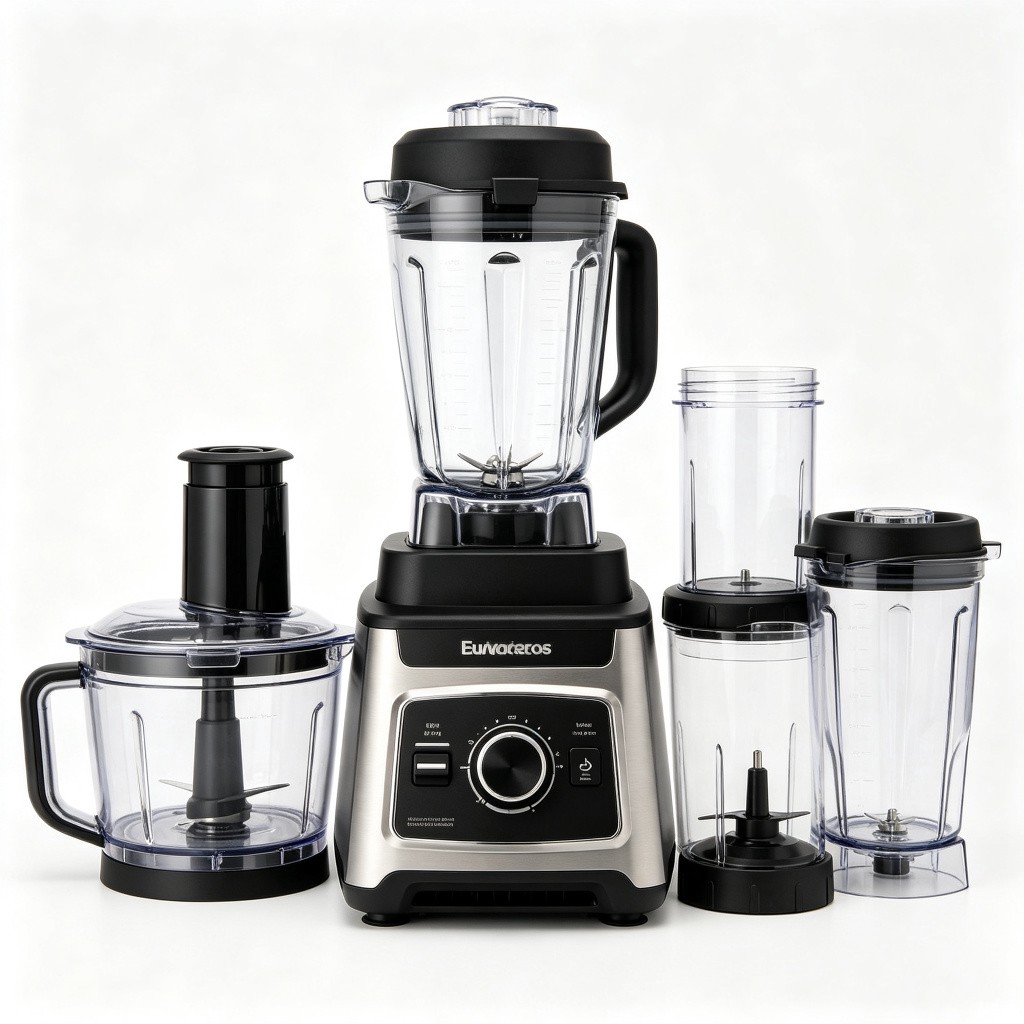
If you want both but your budget is tight, consider a combo system that pairs a blender pitcher and a food processor bowl on one motor base. The Ninja Mega Kitchen System and similar kits cost $150–$300 and deliver respectable performance in both modes for less than buying two separate machines. The trade-off is storage space for all the attachments and slightly less refinement than dedicated appliances — but for a first kitchen or a tight budget, a combo is a smart way to get both functions in one purchase.
Ready to compare specific models? Our team has tested over 35 blenders to find the best options for every budget and lifestyle. Check out our best blenders of 2026 to see which ones earned our top scores.
Ready to Choose Your Perfect Blender?
Whether you've decided on a blender, a food processor, or both, we've tested over 35 top blender models to help you choose with confidence. Explore our hands-on reviews and find the right machine for your kitchen.
See Our Best Blender Reviews →