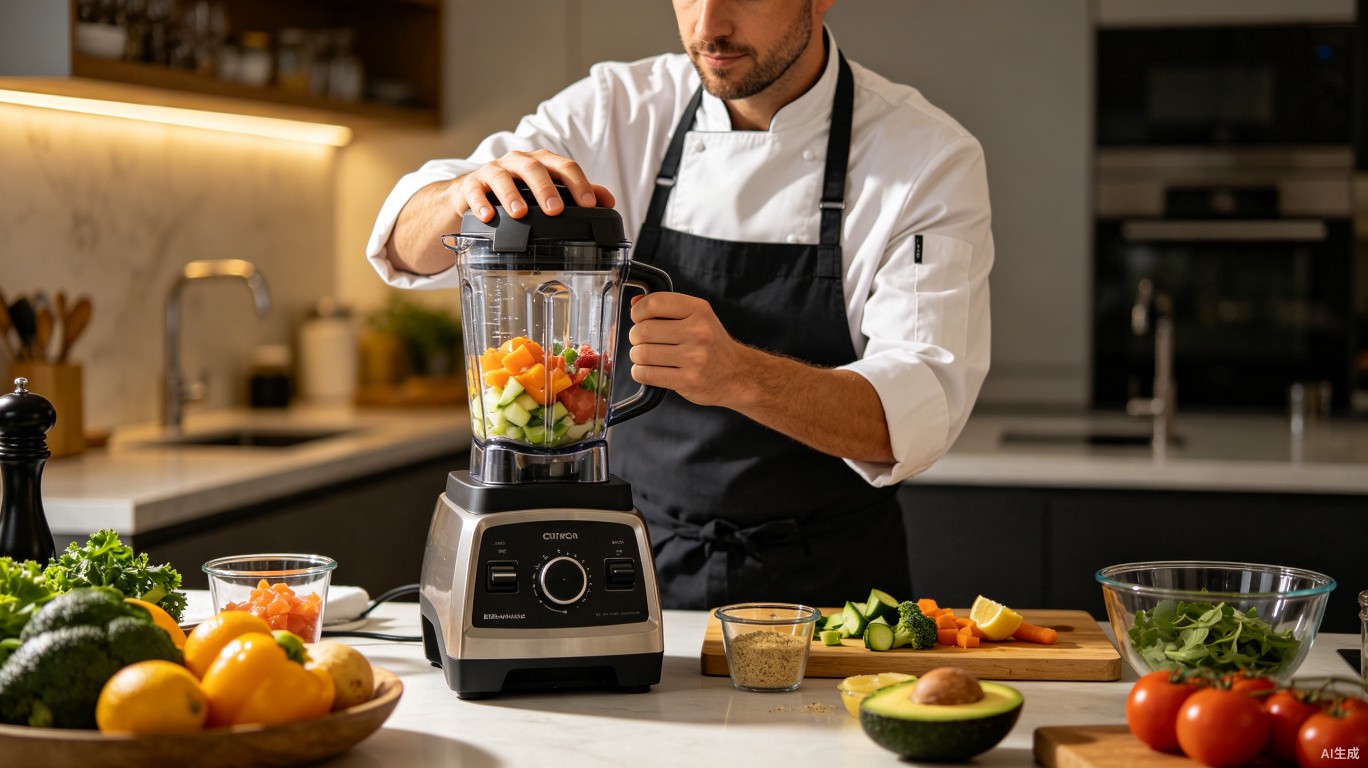
Open nearly any kitchen cabinet and you'll find one tucked away: a blender. From whipping up a quick breakfast smoothie to pureeing a velvety soup or crushing ice for Friday-night cocktails, the blender is one of the most versatile and hardworking small appliances you can own.
But what exactly is a blender? How does a humble jug of blades turn whole fruit and ice into a silky drink in seconds? And with dozens of styles and price points on the market, where should a beginner even start? In this complete beginner's guide, we'll break down everything you need to know.
What Exactly Is a Blender?
A blender is a kitchen appliance that liquefies, purees, or chops food and liquid by spinning a set of sharp blades at high speed inside a jar or cup. That simple definition covers a remarkably wide range of machines — from a $25 single-serve bullet blender to a $600 Vitamix that can heat soup through friction alone — but they all share the same core purpose: to combine ingredients into a smooth, uniform mixture.
At its heart, blending is an exercise in physics. When the blades spin, they don't actually "cut" the food so much as they fling it against the walls of the jar and pull it back down through the blades again and again. This continuous circulation creates a vortex, a whirlpool effect that folds ingredients into themselves until everything is broken down and evenly combined. The faster and more powerful the motor, the finer the result.
The most familiar type, the countertop blender, is what most people picture: a motorized base with a tall, tapered pitcher that sits on top. You add your ingredients, secure the lid, switch it on, and the blades do the rest — turning chunks of fruit, ice, and liquid into a drinkable smoothie in seconds.
A Brief History of the Blender
Compared to some kitchen tools that date back centuries, the blender is a distinctly modern invention. Its story begins in 1922, when a Polish-American inventor named Stephen Poplawski designed the first true blender. Working for the Stevens Electric Company, Poplawski mounted a spinning blade at the bottom of a tall container, powered by an electric motor. His original goal wasn't smoothies at all — he wanted a quick, automated way to make malted milkshakes at soda fountains. The device worked, and the basic concept he patented still defines blenders today.
The man who truly brought the blender into American homes, however, was Fred Waring, a famous bandleader and musician who became fascinated with the technology. In 1937, Waring introduced the Waring Blendor (yes, with an "o"), a refined and reliable version of Poplawski's idea. Waring had the marketing muscle and the connections to get his blender into restaurants, bars, and hotels across the country, and the Waring Blendor became a mid-century icon. It's largely because of Fred Waring that the spelling of "blender" with an "e" became the standard we use today.
For decades, the blender remained mostly a restaurant and bar appliance, used for milkshakes and mixed drinks. That changed in 1949, when Vitamix — then a small family company in Ohio — ran what is widely considered one of the first television infomercials. The live broadcast showed a Vitamix blender turning whole wheat berries into steaming-hot bread flour in minutes, and viewers were captivated. Vitamix's infomercials pioneered the live home demonstration that would define the company for decades, and they helped establish the blender as a serious, everyday kitchen appliance rather than a novelty for soda fountains.
Since then, blenders have evolved dramatically. The 1990s and 2000s brought the personal blender craze, led by the NutriBullet, which put single-serve smoothies within everyone's reach. Meanwhile, high-performance blenders like Vitamix and Blendtec turned blending into an art form, capable of making hot soups, nut butters, and even ice cream. Today's blenders are smarter, quieter, and more powerful than ever — but the fundamental idea Poplawski patented over a century ago remains unchanged.
How Does a Blender Work?
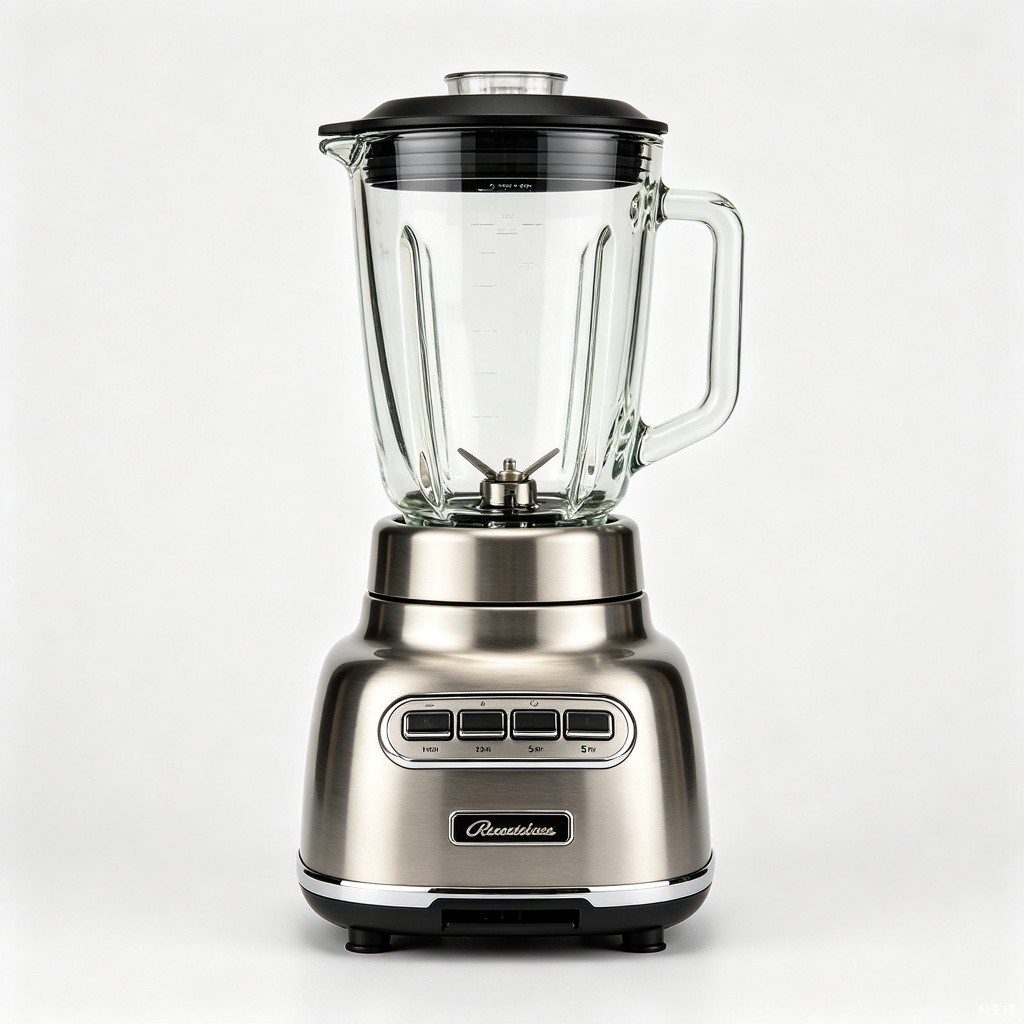
Despite their range of features and price tags, almost all blenders follow the same straightforward principle. Understanding how they work helps explain why some blenders make silky smoothies while others leave chunks behind.
- The motor spins the blades: At the heart of every blender is an electric motor housed in the base. When you switch the machine on, the motor drives a coupling that spins the blade assembly at high speed — typically anywhere from 10,000 to 30,000 revolutions per minute (RPM) in a countertop model. More powerful motors, measured in watts, can maintain that speed even when faced with tough ingredients like frozen fruit or ice.
- The vortex effect pulls ingredients down: The blades aren't just sharp; they're angled to push ingredients upward while simultaneously drawing them down through the center. This creates a continuous vortex — a swirling whirlpool — that pulls everything in the jar through the blades over and over again. That's why a good blender doesn't just chop; it circulates and refines.
- The ingredients break down: As the blades strike the ingredients thousands of times per minute, they pulverize solids, crush ice, and emulsify liquids together. The longer you blend, the smoother the result. In high-performance blenders, the friction from the blades can even heat cold ingredients to steaming in about five to six minutes — no stove required.
The shape of the jar matters just as much as the blades. Countertop blender pitchers are tapered — narrower at the bottom than at the top — which helps the vortex form and keeps ingredients moving rather than splashing. The lid, usually fitted with a removable center plug, lets you add ingredients mid-blend and prevents the inevitable mess when the vortex really gets going.
Different Types of Blenders
Not all blenders are created equal. The type you choose dramatically affects what you can make and how smooth the results will be. Here's a quick overview of the main categories:
- Countertop blenders: The classic full-size machine with a large pitcher. Great for families, soups, and big batches of smoothies.
- Personal blenders: Compact single-serve machines like the NutriBullet. You blend directly in the cup you drink from — minimal cleanup.
- Immersion (hand) blenders: Stick-shaped blenders you lower directly into a pot or bowl. Perfect for soups and sauces right on the stove.
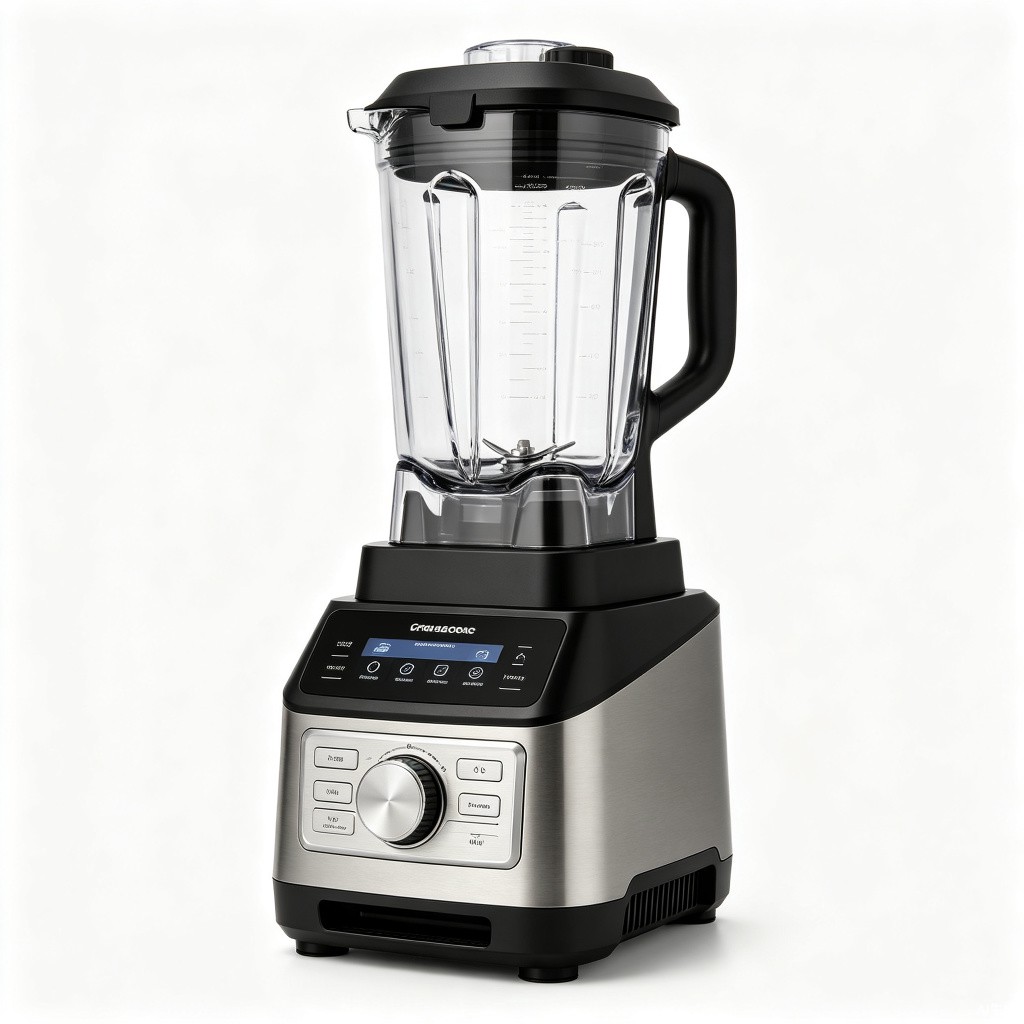
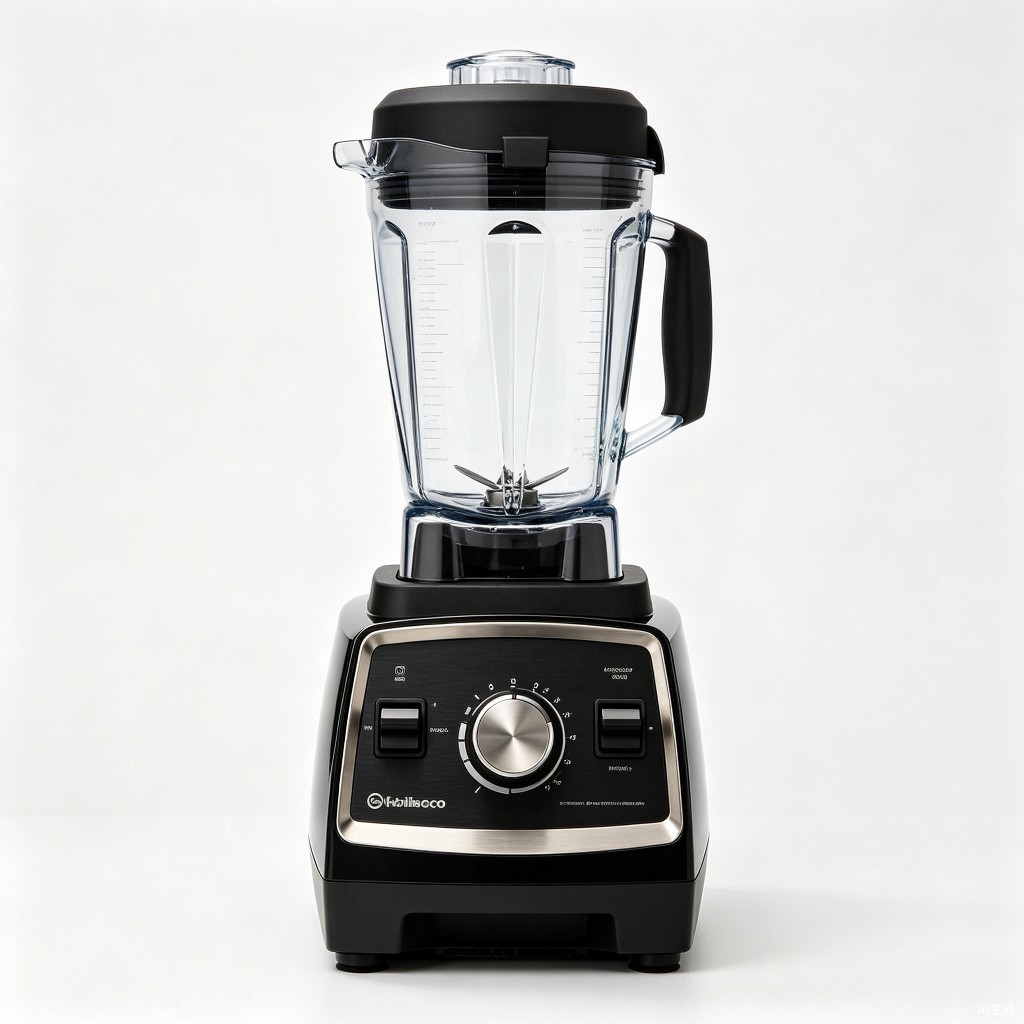
- High-performance blenders: Powerhouses like Vitamix and Blendtec that can handle nut butters, hot soups, and fine flour.
- Bullet blenders: Affordable personal blenders with an upside-down design — simple, fast, and great for one person.
- Commercial blenders: Heavy-duty machines built for cafés and juice bars, engineered to run all day without overheating.
We dive deep into each of these in our complete types of blenders guide, where you'll find pros, cons, and recommendations for each.
Why You Should Own a Blender
With smoothie shops and bottled drinks on nearly every corner, you might wonder whether a home blender is worth the counter space. For most people, the answer is a resounding yes — and the reasons go well beyond simple convenience.
1. You'll Save a Surprising Amount of Money
The math is hard to argue with. A smoothie from a juice bar typically costs $7 to $12. Make the same smoothie at home with frozen fruit, a banana, and a splash of milk, and your cost drops to roughly $1.50 to $2.50 per serving — mostly the cost of the ingredients themselves. For someone who drinks one smoothie a day, that's a saving of around $2,000 to $3,500 per year. Even a premium $500 blender pays for itself in just a few months, and a quality budget model under $100 pays for itself in a couple of weeks.
2. You'll Eat Healthier, More Easily
A blender makes healthy eating almost effortless. It's the easiest way to pack several servings of fruit and vegetables into a single glass — including leafy greens like spinach and kale that many people struggle to eat otherwise. When you blend produce whole, you retain all the fiber, unlike juicing, which strips it out. Blenders also make it simple to control exactly what goes into your food: no hidden sugars, no mystery thickeners, no preservatives. Just whole ingredients, blended fresh.
3. Incredible Versatility
A good blender is a true all-in-one tool. Beyond smoothies, you can puree hot soups, whip up fresh salsa, make pancake batter, grind coffee beans, churn nut butter, crush ice for cocktails, emulsify salad dressings, and even mix up homemade ice cream and frozen drinks. A high-performance blender can replace several single-purpose gadgets at once, freeing up cabinet space and expanding what you can cook. For anyone trying to cook more at home, a blender is one of the highest-leverage tools you can buy.
How to Choose Your First Blender
With so many options, picking your first blender can feel overwhelming. The good news is that narrowing it down comes down to answering four honest questions about your habits.
- What will you blend most? If you mostly make single-serve smoothies for yourself, a personal or bullet blender is ideal — compact, affordable, and easy to clean. If you cook for a family or love big batches of soup, a full-size countertop blender is the way to go.
- How much power do you need? For soft fruits and protein shakes, 500–700 watts is plenty. If you regularly blend frozen fruit, ice, or nut butters, or want silky-smooth green smoothies, look for 1,000 watts or more. High-performance blenders typically range from 1,400 to 2,400 watts.
- What's your budget? Decent personal blenders start around $40–$70. Solid countertop models run $80–$200. High-performance blenders like Vitamix and Blendtec start around $400 and climb to $700 or more. Factor in the cost of replacement parts and the length of the warranty.
- How much counter space do you have? Full-size blenders take up serious real estate under your cabinets. If space is tight, a personal blender or an immersion blender that lives in a drawer may be the smarter choice.
If you're still unsure, a mid-range countertop blender in the $100–$150 range is the safest all-around choice for a beginner. It's powerful enough for most tasks, large enough for a couple of servings, and affordable enough that you won't regret the experiment. You can always upgrade to a high-performance model later once you know how you actually use it.
Ready to compare specific models? Our team has tested over 35 blenders to find the best options for every budget and lifestyle. Check out our best blenders of 2026 to see which ones earned our top scores.
Ready to Find Your Perfect Blender?
Now that you understand what a blender is and how it works, it's time to find the right one for your kitchen. We've tested over 35 top models to help you choose with confidence.
See Our Best Blender Reviews →