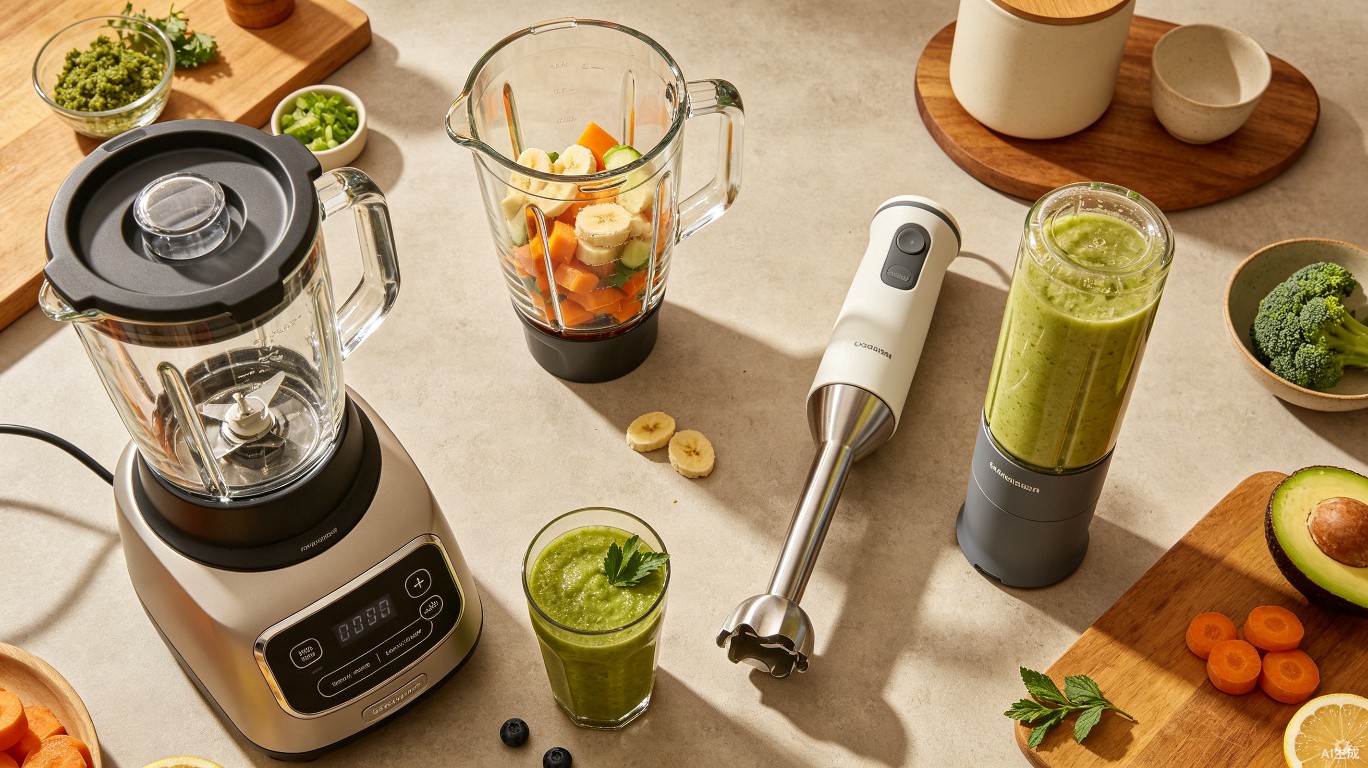
Stand in the small-appliance aisle of any store and you'll quickly realize that "blender" is a deceptively broad term. There are full-size countertop machines, compact single-serve cups, stick-shaped immersion blenders, commercial-grade tanks, and high-performance powerhouses that can turn whole vegetables into steaming soup.
Each type produces genuinely different results — different in texture, capacity, power, and cleanup. Choosing the wrong one can leave you frustrated and out several hundred dollars. Choosing the right one can transform your kitchen routine. In this guide, we'll walk through the eight main types of blenders, explaining how each works, its pros and cons, who it suits best, and what you can expect to spend.
1. Countertop Blenders
Description
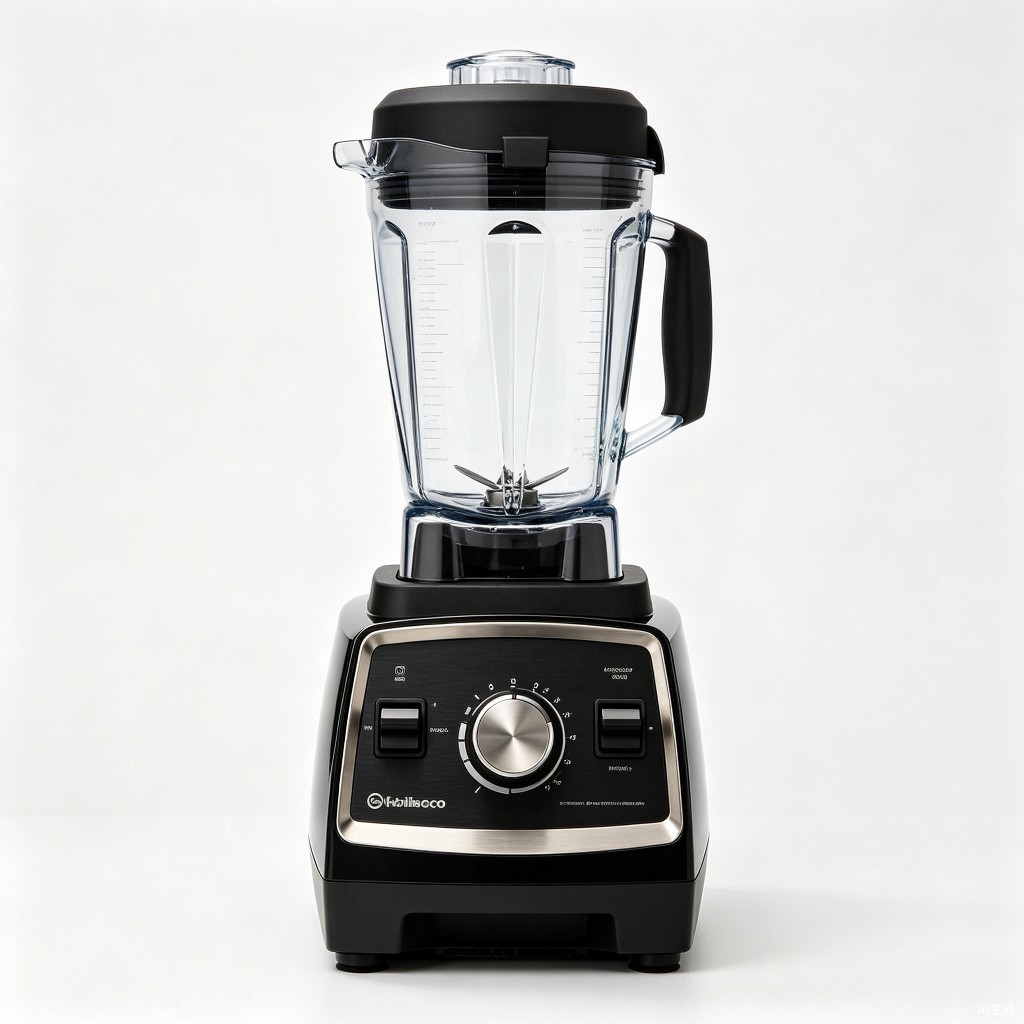
The countertop blender is the classic full-size machine most people picture. It consists of a motorized base that holds a tall, tapered pitcher — usually 48 to 72 ounces — fitted with a removable blade assembly in the bottom. You add ingredients to the pitcher, secure the lid, and choose from a dial or push-button speed settings. A countertop blender is built for volume and versatility, able to handle everything from a pitcher of margaritas to a big batch of tomato soup.
Pros
- Large capacity — blends enough for a family or a crowd.
- Versatile enough for smoothies, soups, sauces, batters, and crushed ice.
- Multiple speed settings give you control over texture.
- Widest range of prices and brands to choose from.
Cons
- Takes up significant counter and cabinet space.
- Heavier and less portable than personal models.
- Cheaper motors can struggle with frozen or very hard ingredients.
- Pitchers can be awkward to clean by hand (though many are dishwasher-safe).
Best For
Families, frequent hosts, and home cooks who want one do-everything machine for smoothies, soups, and sauces in larger quantities.
Price Range
$40 (basic models) to $200+ (premium multi-speed machines).
2. Personal Blenders
Description
Personal blenders, popularized by the NutriBullet, are compact machines designed for single-serve portions. Instead of a large pitcher, you blend directly in a small 18 to 32-ounce cup that doubles as your drinking vessel. You screw the blade onto the filled cup, flip it upside-down onto the motor base, and push down to blend. When you're done, swap the blade for a to-go lid and you're out the door. The entire design is built around speed and minimal cleanup.
Pros
- Incredibly fast and convenient for single servings.
- Minimal cleanup — rinse one cup and the blade lid.
- Compact footprint fits in small kitchens, dorms, and offices.
- Often comes with travel lids for smoothies on the go.
Cons
- Small capacity — not suited to large batches or family servings.
- Limited power on budget models can leave chunks in thick smoothies.
- Not designed for hot liquids or heavy-duty tasks like nut butter.
- Usually fewer speed settings than a full-size blender.
Best For
Solo smoothie drinkers, busy commuters, students, and anyone who wants a fresh single-serve drink with almost no cleanup.
Price Range
$50 to $150 (NutriBullet Pro and similar high-wattage models sit at the top end).
3. Immersion (Hand) Blenders
Description
An immersion blender, also called a stick or hand blender, flips the design on its head: instead of pouring food into a blender, you bring the blender to the food. It's a wand with a motor in the handle and a rotating blade at the bottom. You lower it directly into a pot of soup, a bowl of sauce, or a measuring cup of smoothie ingredients. Many models come with attachments like whisks and mini-chop bowls, turning the stick into a multi-tool.
Pros
- Blends hot soups right in the pot — no dangerous transfers.
- Compact and stores easily in a drawer.
- Very easy to clean — just rinse the detachable shaft.
- Versatile attachments handle whipping, chopping, and pureeing.
Cons
- Less powerful than countertop models — struggles with ice and frozen fruit.
- Can splatter if you pull the blade above the liquid line.
- Not ideal for large volumes or very thick mixtures.
- Results are less uniform than a vortex-style pitcher blender.
Best For
Soup lovers, sauce makers, and small-space cooks who value a compact, easy-clean tool over raw power.
Price Range
$30 (basic corded models) to $150 (cordless multi-tool kits from Breville or Braun).
4. High-Performance Blenders
Description
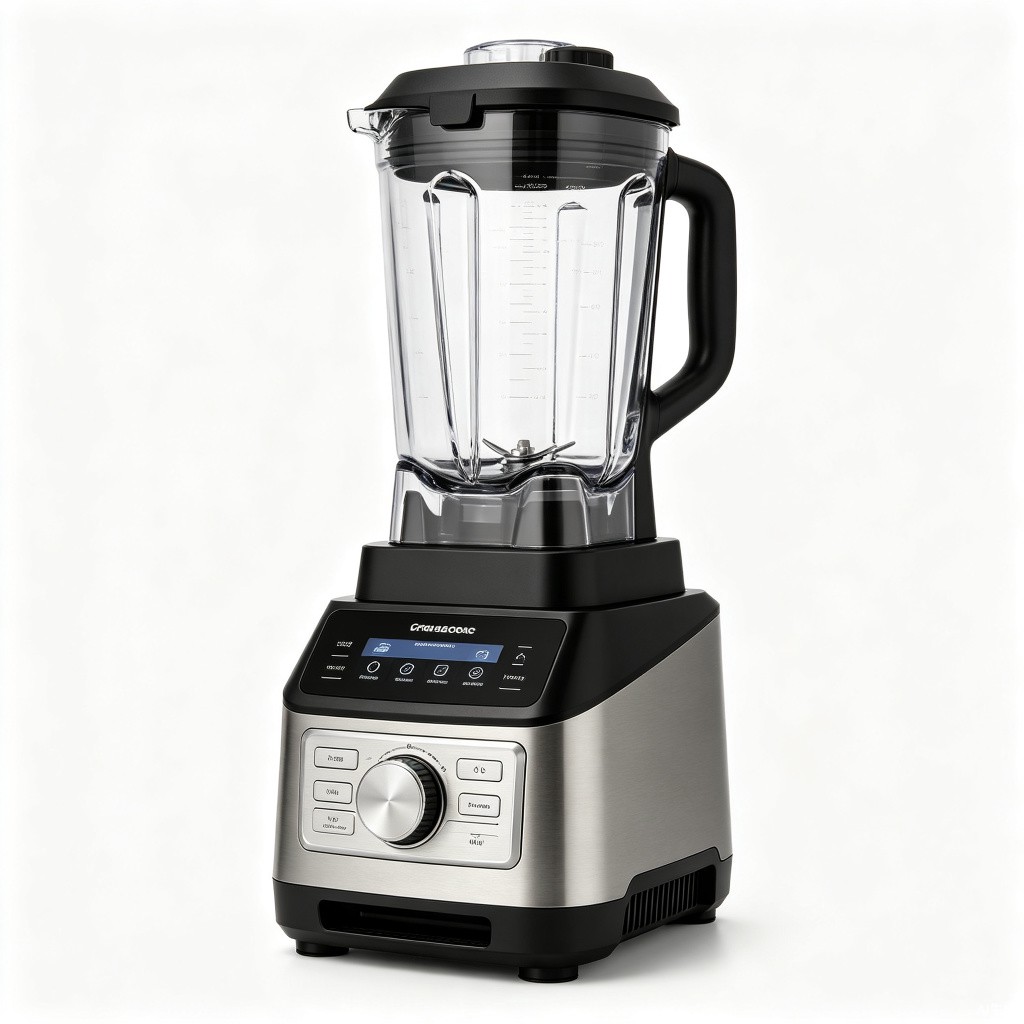
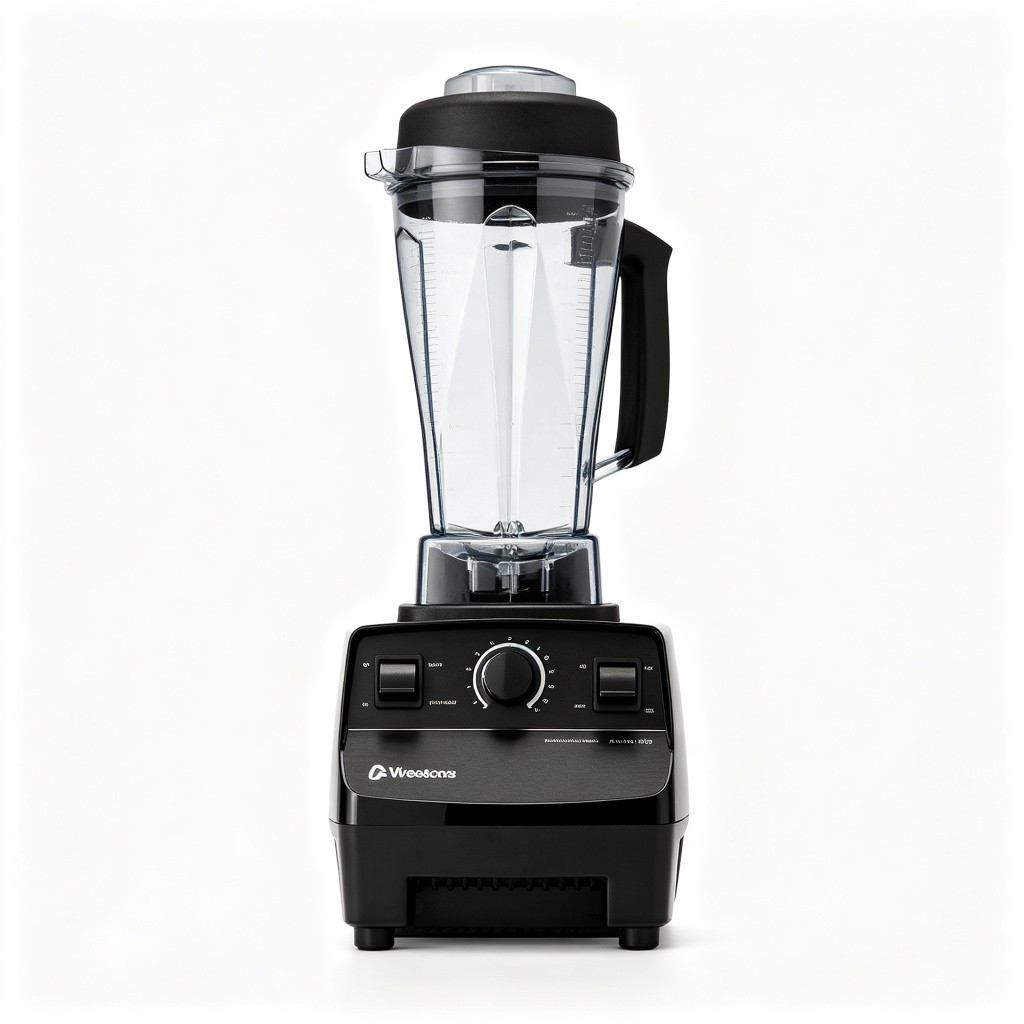
High-performance blenders, led by Vitamix and Blendtec, are the heavyweights of the blender world. They pack motors of 1,400 watts or more, spin blades at over 200 mph, and use precision-engineered pitchers and blunt-tipped blades designed to pulverize rather than slice. These machines can do things ordinary blenders can't: heat cold soup to steaming through friction alone, grind grains into flour, churn nuts into smooth butter, and produce restaurant-quality texture in seconds. They're built to last a decade or more, often with long warranties to match.
Pros
- Silky-smooth results, even with tough greens, seeds, and ice.
- Handles tasks other blenders can't: nut butter, hot soup, flour, frozen desserts.
- Extremely durable with warranties of 7 to 10 years.
- Precise speed control and pre-programmed cycles for consistent results.
Cons
- Significant upfront investment.
- Large and heavy — demands dedicated counter space.
- Loud at top speed compared to smaller blenders.
- More power than many casual users actually need.
Best For
Serious home cooks, whole-food enthusiasts, raw vegans, and anyone who blends daily and wants flawless texture and a machine that lasts.
Price Range
$400 to $700+ (Vitamix Ascent and Blendtec Designer series anchor the category).
5. Bullet Blenders
Description
Bullet blenders are a close cousin of personal blenders, distinguished by their distinctive upside-down design. The name comes from the bullet-shaped cup: you fill it, screw on the blade, invert it onto the motor base, and press down to activate. Magic Bullet is the brand that made the format famous. Bullet blenders are typically the most affordable entry point into blending, with smaller motors (250 to 600 watts) tuned for soft and medium ingredients rather than heavy frozen loads.
Pros
- The most affordable type of electric blender available.
- Extremely simple one-touch operation.
- Compact and great for small kitchens or first apartments.
- Often sold with multiple cups and lids for variety.
Cons
- Lower wattage struggles with ice and frozen fruit.
- Small cup capacity limits you to single servings.
- Shorter lifespan than pricier machines.
- Not suitable for hot liquids or continuous heavy use.
Best For
Budget-conscious beginners, students, and casual users who mainly want quick protein shakes, soft-fruit smoothies, and basic chopping.
Price Range
$25 to $90 (Magic Bullet and similar entry kits).
6. Commercial Blenders
Description
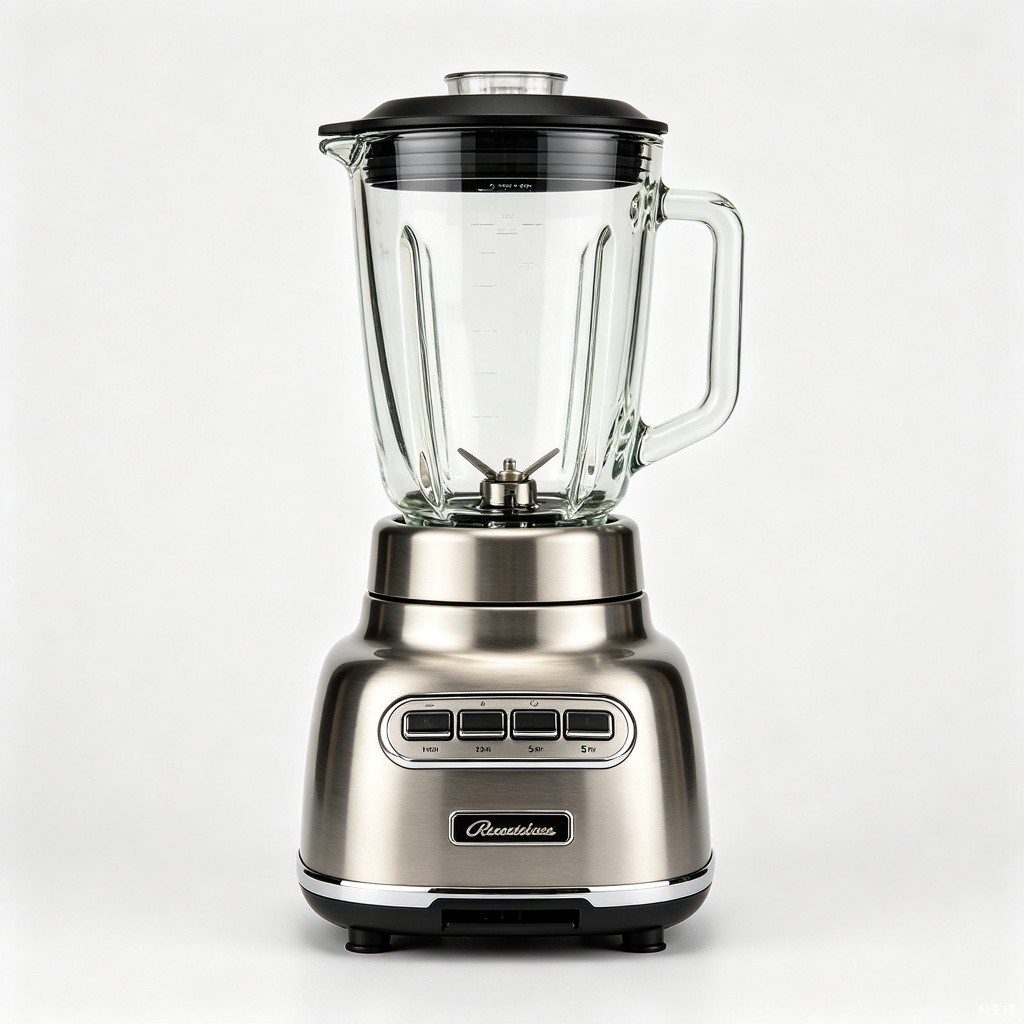
Commercial blenders are the workhorses you see behind the counter at smoothie bars, coffee shops, and restaurants. Built to run continuously through a busy shift, they feature ultra-powerful motors (often 2,000+ watts), heavy-duty sound enclosures to cut noise, and reinforced pitchers designed for thousands of cycles. Brands like Vitamix (The Quiet One), Blendtec (Stealth), and Hamilton Beach dominate this space. They're engineered for reliability and consistency first, with price tags that reflect their industrial duty cycle.
Pros
- Built to survive all-day, every-day commercial use.
- Powerful enough to blast through ice and frozen fruit instantly.
- Sound enclosures make them far quieter than home models.
- Pre-programmed drink cycles ensure consistent results every time.
Cons
- Very expensive — overkill for a typical home kitchen.
- Large and heavy, often requiring permanent counter placement.
- Industrial look may not suit a residential kitchen.
- Repair and replacement parts can be costly.
Best For
Cafés, juice bars, restaurants, and serious enthusiasts who blend in high volume and need a machine that never quits.
Price Range
$500 to $1,500+ (sound-enclosed commercial models sit at the top).
7. Specialty Blenders
Description
Specialty blenders are purpose-built machines designed for one specific drink. The two most common are the margarita maker, which shaves ice rather than crushing it for a smoother frozen cocktail, and the milkshake mixer, a spindle-style machine that whips soft-serve and milk into a thick shake without blending. These machines excel at their narrow job and often produce better results than a general-purpose blender, but they're rarely useful for anything else.
Pros
- Tuned for one task — produces superior results for that drink.
- Often easier to operate than a multi-function blender.
- Shaving-style ice handling avoids the chunky texture of crushed ice.
- Fun, dedicated appliance for entertainers and home bar enthusiasts.
Cons
- Single-purpose — can't handle smoothies, soups, or general blending.
- Takes up storage space for a narrow range of uses.
- Buying a specialty machine plus a general blender gets expensive.
- Limited resale appeal if your tastes change.
Best For
Cocktail lovers, home bar hosts, and milkshake fans who want the best possible version of one specific drink.
Price Range
$40 to $400 (margarita machines with shaved-ice motors run higher).
8. Blender – Food Processor Combos
Description
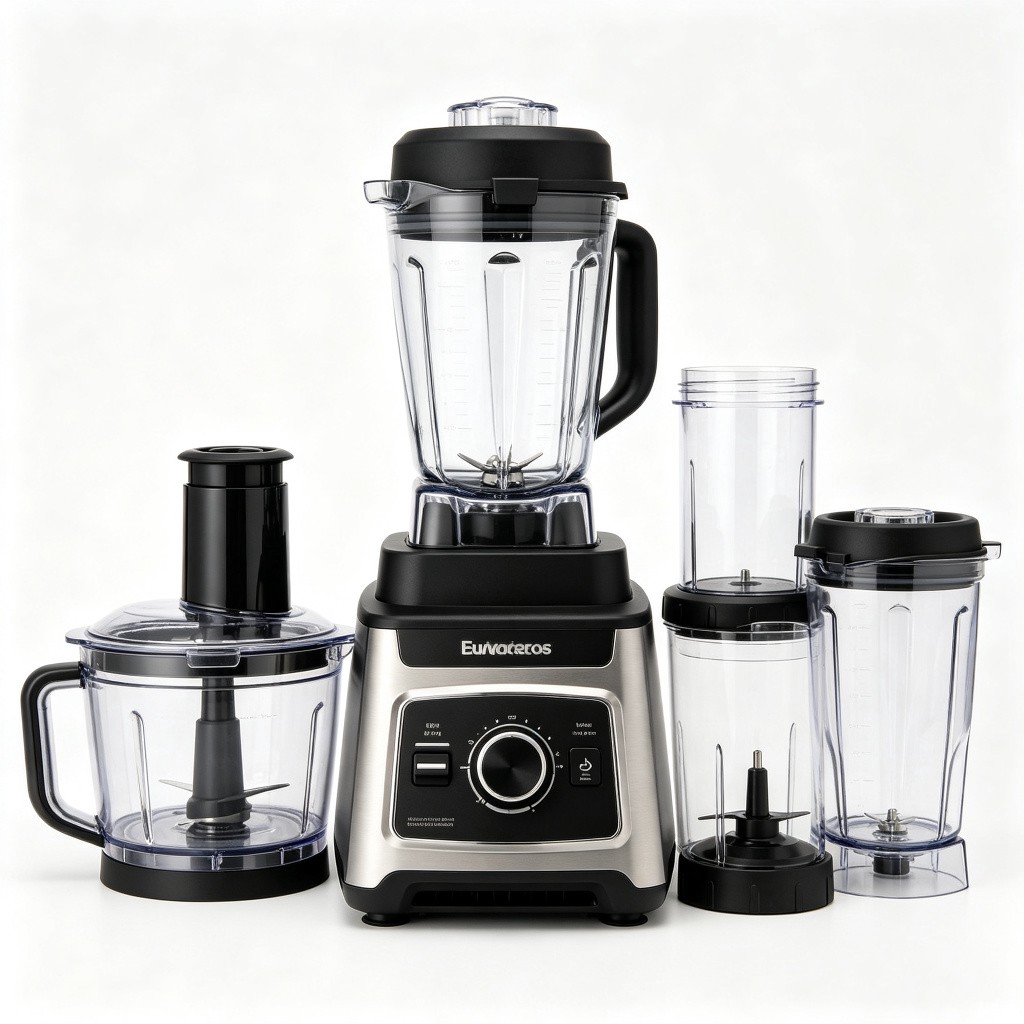
Blender – food processor combos are hybrid systems that pair a single powerful motor base with interchangeable attachments: a blender pitcher for liquids and smoothies, plus a food processor bowl with slicing and shredding discs for chopping and dough. Systems like the Ninja Mega Kitchen System and the Breville Sous Chef combo let you switch tasks without buying (or storing) two separate motors. They're designed to be the one appliance that covers nearly every kitchen prep job.
Pros
- One base replaces two appliances, saving money and storage.
- Covers both wet (blending) and dry (chopping, slicing, shredding) tasks.
- Powerful motors handle a wide range of ingredients.
- Great value versus buying separate high-quality machines.
Cons
- Lots of attachments to store and keep track of.
- Each function may be slightly less refined than a dedicated machine.
- Heavier, larger footprint than a standalone blender.
- More parts mean more to clean after a big cooking session.
Best For
All-in-one shoppers, new homeowners, and cooks who want maximum versatility from a single purchase without crowding the counter.
Price Range
$150 to $400 (Ninja and Breville combo systems lead the category).
Quick Comparison: Which Type Should You Choose?
Still unsure? Here's a quick way to narrow it down based on what you value most:
- Big batches and family meals: Countertop blender.
- Quick single-serve smoothies: Personal blender (NutriBullet).
- Soups and sauces right in the pot: Immersion blender.
- Nut butter, hot soup, and flawless texture: High-performance blender (Vitamix or Blendtec).
- Smallest budget for basic drinks: Bullet blender.
- All-day commercial volume: Commercial blender.
- Perfect frozen cocktails or milkshakes: Specialty blender.
- One machine for everything: Blender – food processor combo.
There's no single "best" blender — only the one that fits your routine, counter space, and budget. Many home cooks eventually own two: a personal blender for weekday smoothies and a full-size or high-performance blender for cooking and entertaining. Once you know what each type does best, choosing becomes a lot less intimidating.
To see which specific models we recommend in each category, browse our tested blender reviews — we've ranked the top machines of 2026 across every price point.
Find the Best Blender for Your Kitchen
Now that you know the types, let us help you pick the perfect model. We've tested over 35 blenders to find the best options for every budget and lifestyle.
See Our Top Blender Picks →