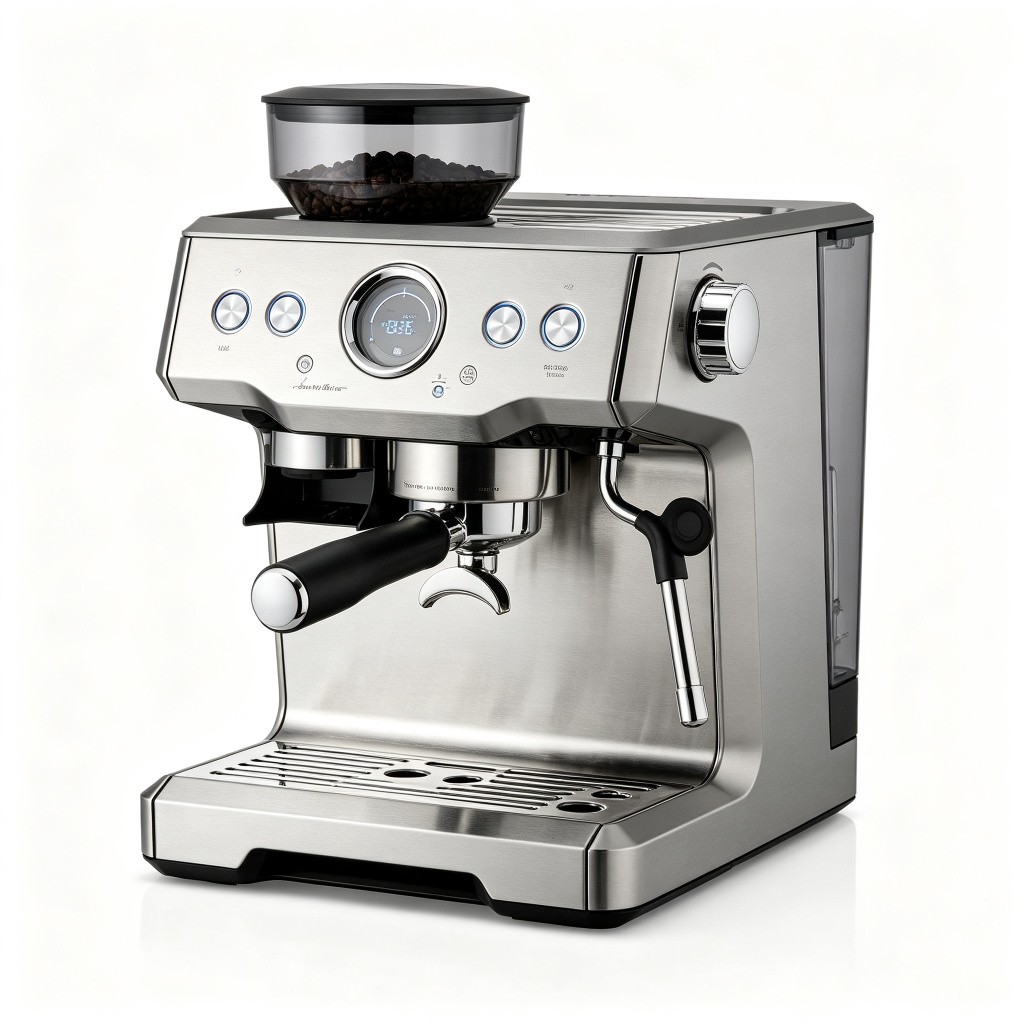
There's never been a better time to make coffee at home. Where past generations had one option — an automatic drip machine or a stovetop percolator — today's coffee drinkers can choose from more than a dozen distinct brewing methods, each producing a noticeably different cup.
The method you choose shapes everything about your coffee: its strength, body, acidity, clarity, and even the aromas that fill your kitchen. Some take 30 seconds; others take 24 hours. Some demand precision and practice; others are nearly foolproof. In this guide, we'll walk through the 10 best coffee brewing methods, complete with the equipment you'll need, step-by-step instructions, the flavor you can expect, and a difficulty rating for each.
1. Pour-Over
Pour-Over Brewing Guide
Equipment needed: Pour-over dripper (Hario V60, Kalita Wave, or Bee House), paper filters, gooseneck kettle, scale, medium-fine ground coffee.
Brewing steps:
- Rinse the paper filter with hot water to remove papery taste and preheat the dripper. Discard the rinse water.
- Add 20g of medium-fine coffee to the filter and level the bed.
- Start a timer and pour just enough water (about 40g) to wet all the grounds. Wait 30 seconds — this "bloom" releases trapped CO2.
- Slowly pour the remaining water in steady, spiral motions until you reach 300g total. Keep the water level consistent.
- Let it drip through completely. The whole brew should take about 2:30 to 3:00 minutes. Serve immediately.
Flavor profile: Clean, bright, and tea-like, with pronounced acidity and clarity. Highlights the unique notes of single-origin beans.
Difficulty: Intermediate — requires a steady hand and a gooseneck kettle for control.
2. French Press
French Press Brewing Guide
Equipment needed: French press, coarse ground coffee, kettle, spoon for stirring.
Brewing steps:
- Add 30g of coarsely ground coffee to the empty French press.
- Pour in 500g (about 2 cups) of water just off the boil (around 200°F / 93°C).
- Stir gently to ensure all grounds are saturated, then place the lid on with the plunger pulled all the way up.
- Steep for 4 minutes.
- Slowly press the plunger down with steady, even pressure. Pour immediately to stop extraction.
Flavor profile: Full-bodied, rich, and heavy, with a robust mouthfeel. Natural oils and fine sediment remain, giving it a hearty, rustic character.
Difficulty: Easy — one of the most forgiving methods for beginners.
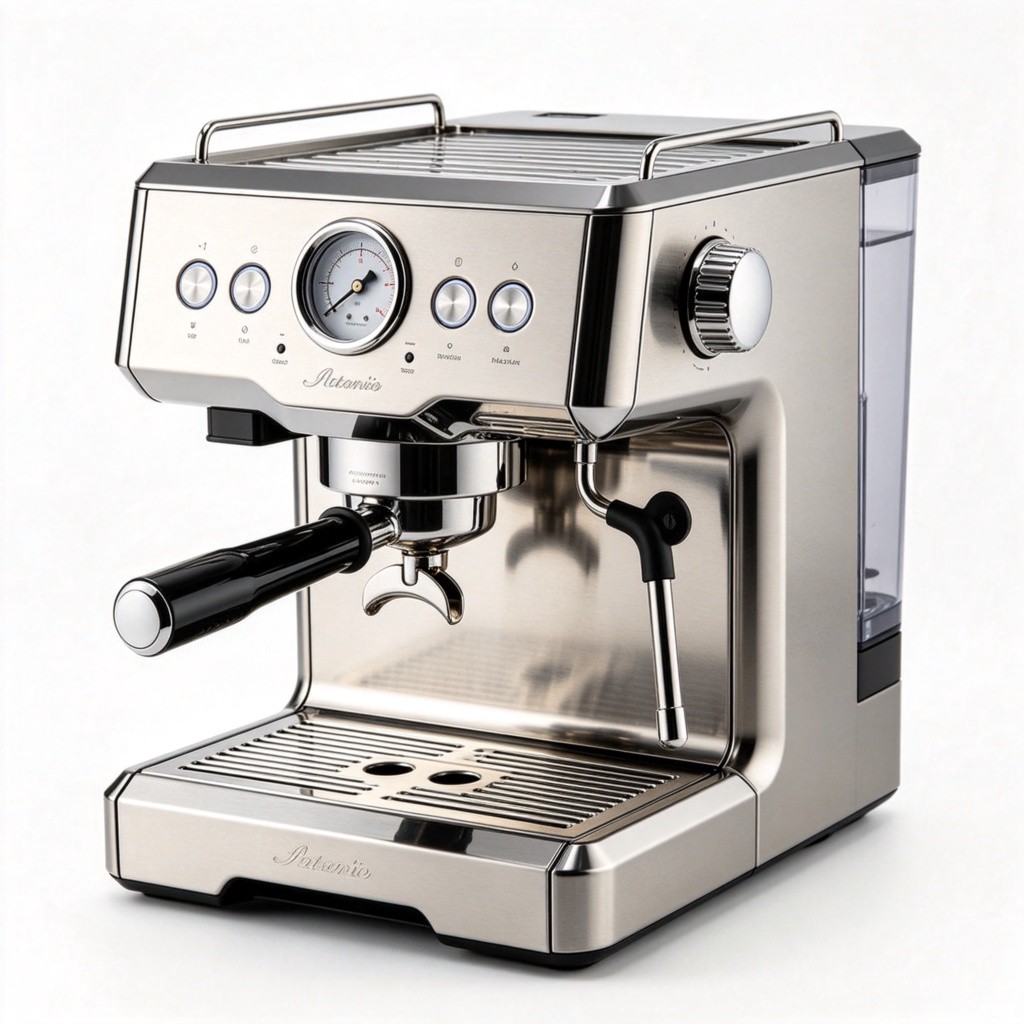
3. Espresso
Espresso Brewing Guide
Equipment needed: Espresso machine, burr grinder (capable of fine grinding), tamper, portafilter, scale, fresh espresso-roast beans.
Brewing steps:
- Grind 18g of coffee to a fine, powdery consistency (like table salt).
- Dose the grounds into the portafilter and distribute evenly.
- Tamp firmly and level with about 30 lbs of pressure to create a flat, even puck.
- Lock the portafilter into the machine and start the shot immediately.
- Aim for 36g of espresso in 25–30 seconds. If it pours too fast, grind finer; too slow, grind coarser.
Flavor profile: Intensely concentrated, syrupy, and bold, crowned with a layer of golden crema. Sweet, bitter, and complex in a small package.
Difficulty: Advanced — dialing in grind size, dose, and tamp takes patience and repeated adjustment.
4. AeroPress
AeroPress Brewing Guide
Equipment needed: AeroPress, paper micro-filters, medium-fine ground coffee, kettle, stirrer.
Brewing steps:
- Place a rinsed paper filter in the filter cap and attach it to the AeroPress chamber set on top of your mug.
- Add 15g of medium-fine coffee to the chamber.
- Start a timer and pour 200g of hot water (175°F–185°F works well). Stir for 10 seconds.
- Insert the plunger slightly to create a seal and steep for 1 minute.
- Press down gently and steadily for 20–30 seconds until you hear a hiss. Stop pressing at the hiss to avoid bitterness.
Flavor profile: Smooth, clean, and well-rounded — somewhere between pour-over clarity and espresso richness, with low bitterness.
Difficulty: Easy to intermediate — very forgiving and endlessly tweakable.
5. Cold Brew
Cold Brew Brewing Guide
Equipment needed: Large jar or cold brew maker, coarse ground coffee, cold or room-temperature water, fine strainer or filter.
Brewing steps:
- Combine 100g of coarsely ground coffee with 1 liter (1000g) of cold water in a jar — a 1:10 ratio.
- Stir to make sure all grounds are wet, then cover loosely.
- Steep at room temperature or in the fridge for 16–24 hours.
- Strain through a fine mesh sieve, then again through a paper filter or cheesecloth to remove fine sediment.
- Dilute the concentrate 1:1 with water or milk and serve over ice. Store the rest in the fridge for up to 2 weeks.
Flavor profile: Smooth, sweet, mellow, and very low in acidity. Chocolatey and rounded, with almost no bitterness.
Difficulty: Very easy — the only challenge is remembering to start it the day before.
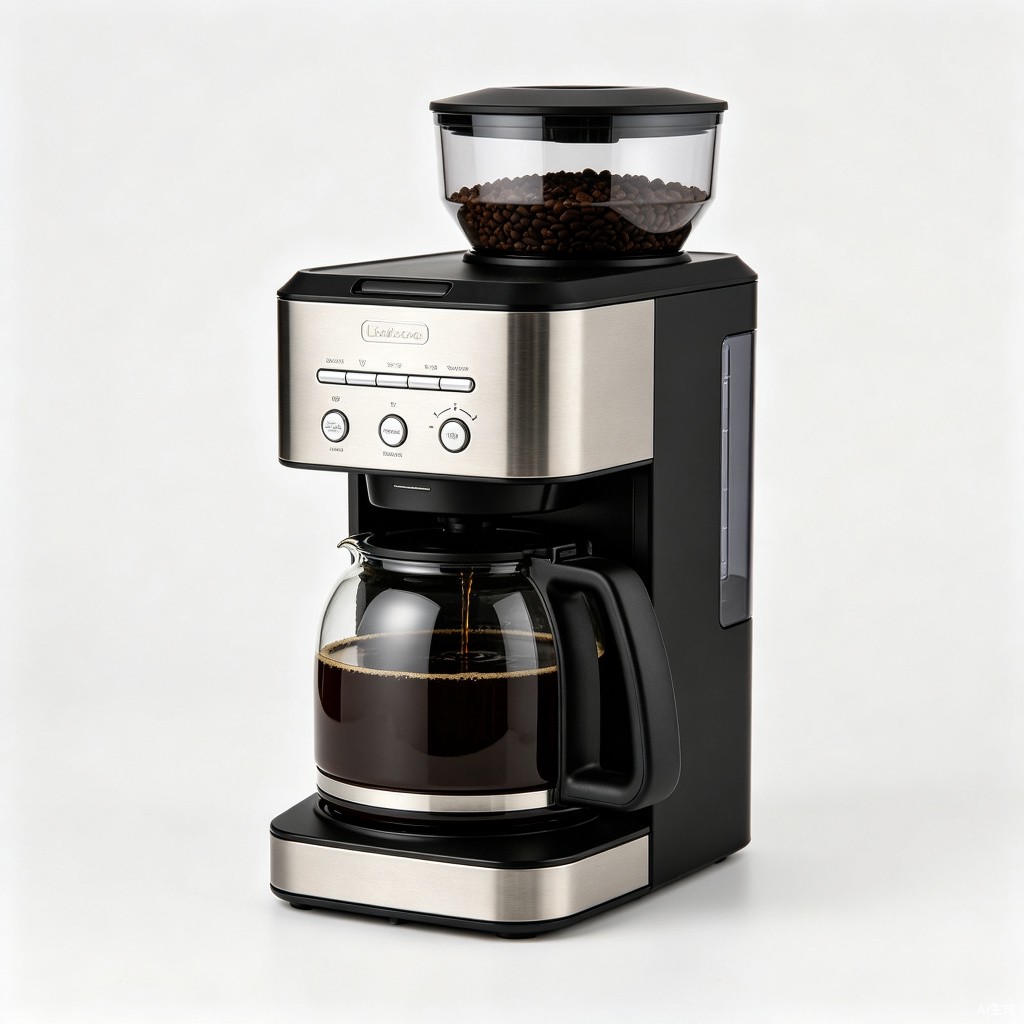
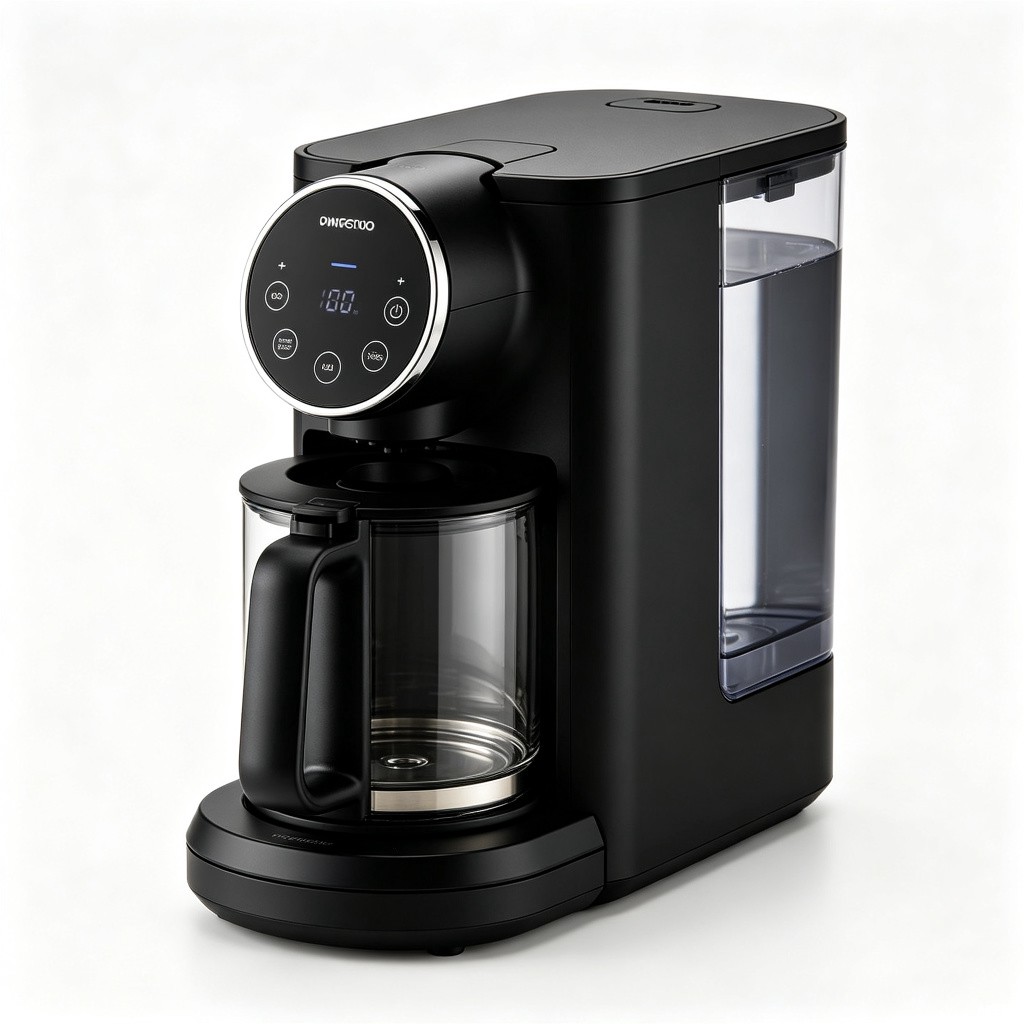
6. Drip (Automatic)
Automatic Drip Brewing Guide
Equipment needed: Automatic drip coffee maker, paper or reusable filter, medium ground coffee, water.
Brewing steps:
- Fill the reservoir with fresh, cold water to the line matching your desired number of cups.
- Place a filter in the brew basket and add 1 to 2 tablespoons of medium-ground coffee per 6 oz cup (about 60g per liter).
- Switch the machine on and let it run its full cycle without interrupting.
- Once dripping stops, give the carafe a quick swirl to mix, then pour.
- If using a glass carafe on a hot plate, transfer any leftover coffee to a thermal carafe within 30 minutes to prevent burning.
Flavor profile: Balanced, familiar, and consistent. A solid everyday cup — clean but without the extremes of manual methods.
Difficulty: Very easy — the machine does almost everything for you.
7. Moka Pot
Moka Pot Brewing Guide
Equipment needed: Moka pot, finely ground coffee (slightly coarser than espresso), kettle for pre-boiled water, stovetop.
Brewing steps:
- Fill the bottom chamber with pre-boiled water up to the safety valve (using hot water avoids a metallic taste from overheating the pot).
- Fill the funnel filter basket with finely ground coffee, level it, but do not tamp.
- Assemble the pot and place it on medium-low heat with the lid open.
- Watch as coffee begins to flow into the top chamber. When you hear a gurgling sound and see a honey-colored stream, remove from heat.
- Cool the base with a cold towel to stop extraction, stir, and pour immediately.
Flavor profile: Strong, bold, and bittersweet — close to espresso but without the crema. Deeply roasted and intense.
Difficulty: Intermediate — timing the removal from heat is the key skill.
8. Turkish
Turkish Coffee Brewing Guide
Equipment needed: Turkish coffee pot (cezve/ibrik), extra-fine ground coffee (powder-fine), water, sugar to taste, small heat source.
Brewing steps:
- Add 1 cup of water and 1–2 teaspoons of sugar (to taste) to the cezve and stir until dissolved.
- Add 2 heaping teaspoons of extra-fine ground coffee. Do not stir after this point.
- Place the cezve on low heat. Slowly, a thick foam will rise to the top.
- Just before it boils over, remove from heat. Skim the foam into your cup.
- Return to heat twice more, letting it rise and removing just before it boils over. Pour slowly into the cup and wait 1–2 minutes for grounds to settle before sipping.
Flavor profile: Intensely strong, thick, and syrupy, with a distinctive foam. Often sweet and unfiltered, with grounds settling at the bottom.
Difficulty: Intermediate — requires close attention to prevent boiling over and to build the foam.
9. Siphon
Siphon Brewing Guide
Equipment needed: Siphon (vacuum pot) brewer, cloth or paper filter, heat source (butane burner or halogen heater), medium ground coffee, stirrer.
Brewing steps:
- Fill the bottom globe with hot water and place it over the heat source.
- Insert the top chamber with the filter attached. As the water heats, vapor pressure pushes it up into the top chamber.
- Once most water has risen, add 25g of medium-ground coffee to the top chamber and stir to wet all grounds.
- Steep for 90 seconds, giving it a gentle stir halfway through.
- Remove the heat source. As it cools, a vacuum forms and draws the brewed coffee back down through the filter into the bottom globe. Serve once it has fully descended.
Flavor profile: Remarkably clean, aromatic, and delicate, with a silky body. Often described as the cleanest cup in coffee, with vivid aromatics.
Difficulty: Advanced — the process is theatrical and requires careful heat management and timing.
10. Chemex
Chemex Brewing Guide
Equipment needed: Chemex carafe, proprietary Chemex bonded paper filters, gooseneck kettle, scale, medium-coarse ground coffee.
Brewing steps:
- Place the thick Chemex filter in the carafe with the triple-fold side facing the spout. Rinse thoroughly with hot water and discard the rinse water.
- Add 30g of medium-coarse coffee and level the bed.
- Start a timer and pour 60g of water to bloom for 45 seconds.
- Pour in slow, steady spirals until you reach 500g total, keeping the water level steady.
- Allow it to draw down completely (about 4:00 to 4:30 minutes total). Lift the filter out and discard. Serve.
Flavor profile: Exceptionally clean, bright, and refined. The thick paper filter removes oils, producing a crisp, tea-like cup with brilliant clarity.
Difficulty: Intermediate — similar technique to pour-over, but the thicker filter is more forgiving of grind size.
Which Brewing Method Should You Try?
With 10 methods to choose from, where should you start? If you're a beginner, begin with the French press or AeroPress — both are affordable, forgiving, and produce excellent coffee with minimal gear. If you love the ritual and nuance of single cups, graduate to pour-over or Chemex. If you crave intense, café-style drinks, invest the time to learn espresso or pick up a Moka pot for a budget-friendly alternative. And if you love iced coffee or have a sensitive stomach, cold brew is a game-changer.
The truth is, there's no single "best" method — only the one that matches your taste, your patience, and your morning routine. Many home brewers end up with two or three methods they rotate through depending on the day. The most important factor is always the same: start with freshly roasted, freshly ground beans, and the rest will follow.
Once you've settled on a method, the right equipment makes all the difference. Browse our tested coffee maker reviews to find the best brewers and machines for whichever style you choose.
Ready to Upgrade Your Home Coffee Setup?
Whatever brewing method calls to you, the right gear turns good coffee into great coffee. We've tested over 40 coffee makers and brewers to help you build the perfect setup.
See Our Best Coffee Maker Reviews →