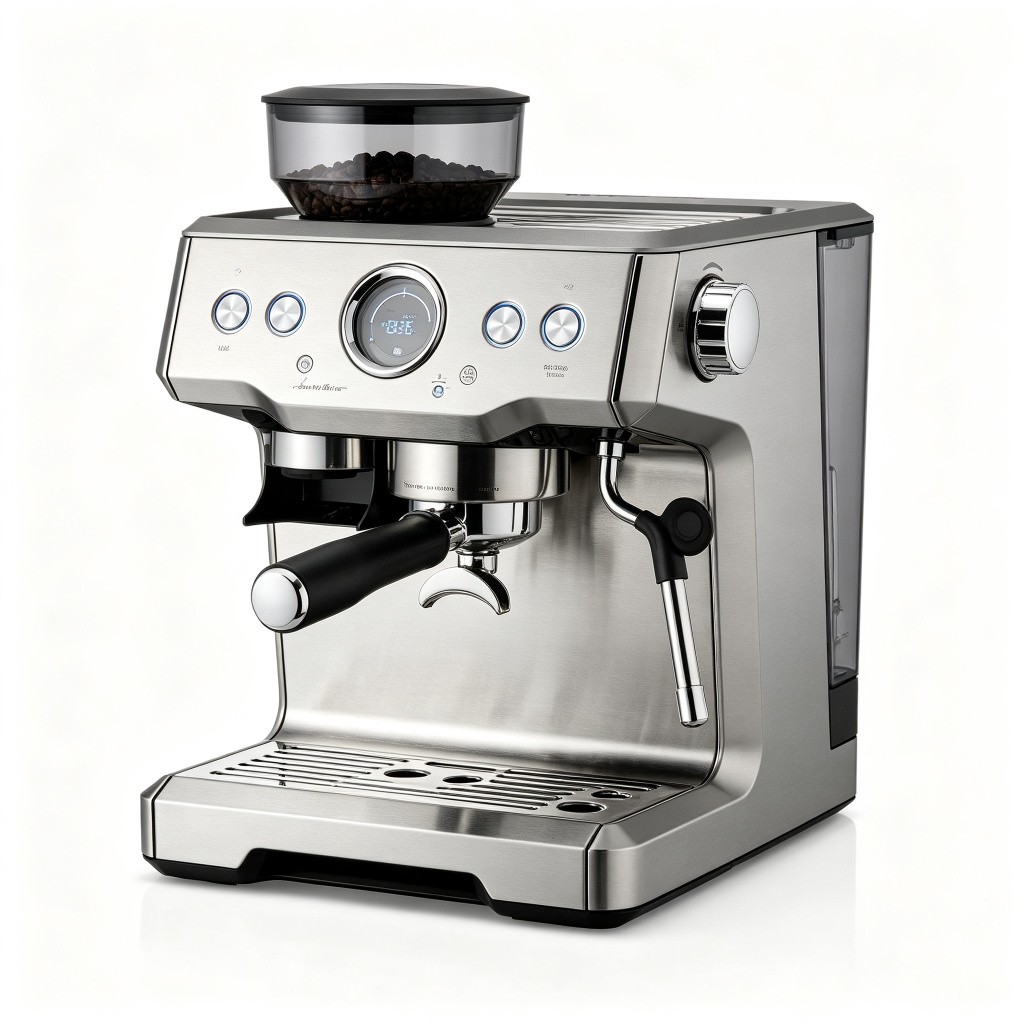
Walk into any kitchen store and you'll find three brewing heavyweights vying for your counter: the trusty drip coffee maker, the powerful espresso machine, and the humble French press. Each one makes "coffee," yet they produce wildly different cups — from a clean, smooth morning brew to a thick, syrupy espresso shot to a rich, full-bodied press pot.
So which one deserves a spot in your kitchen? The honest answer is that there's no universal best — only the best fit for your taste, budget, and how much effort you're willing to put in each morning. In this guide, we'll break down exactly how each method works, what the coffee tastes like, what you'll pay, and how easy it is to use and clean. By the end, you'll know exactly which brewer belongs on your countertop.
Drip Coffee Maker: The Reliable Workhorse
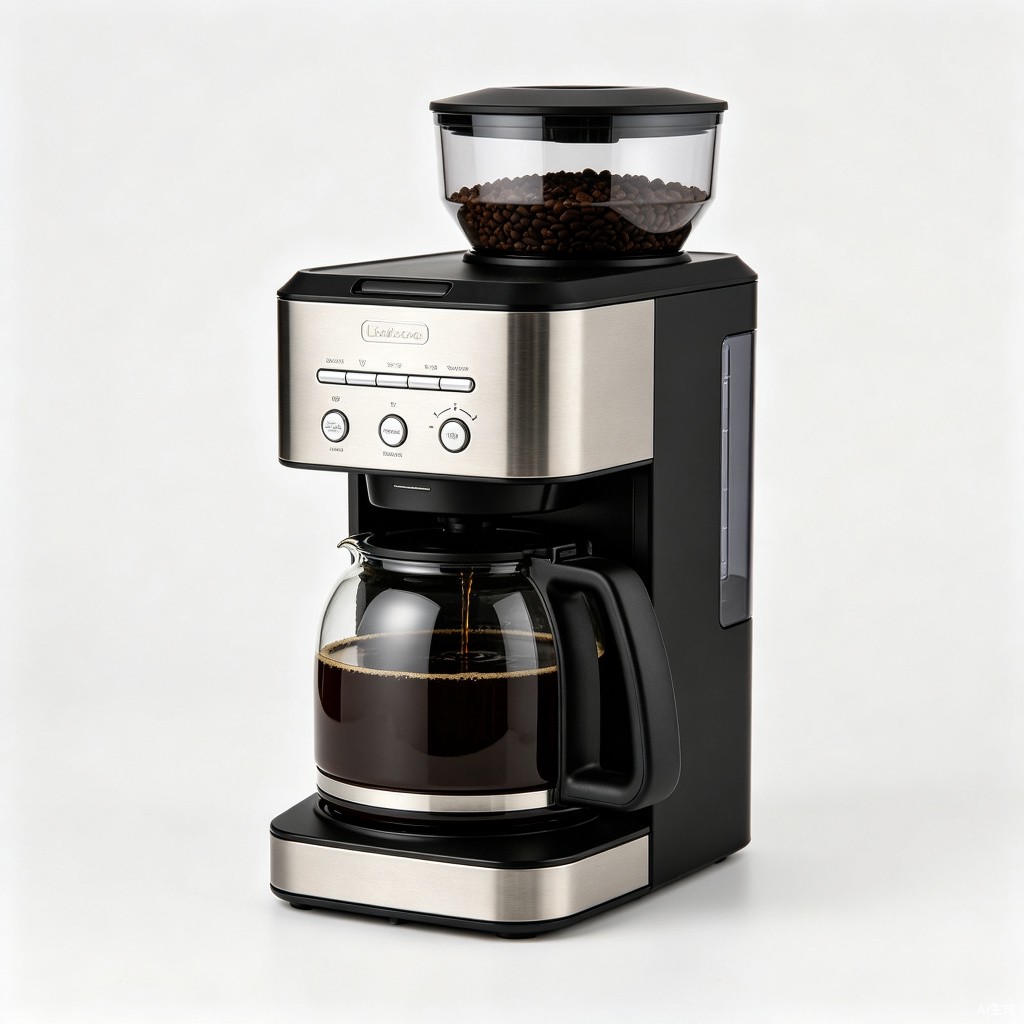
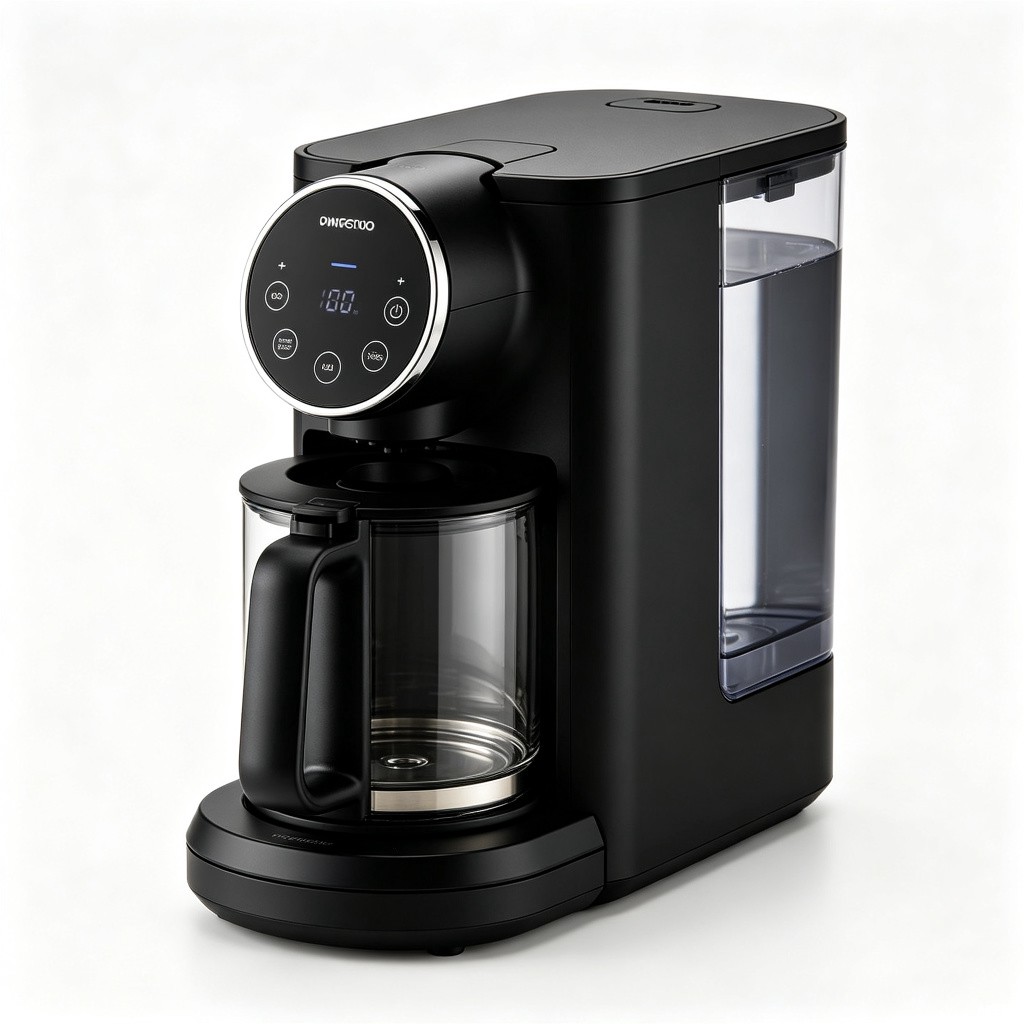
The drip coffee maker is what most people picture when they hear "coffee machine." It's the automatic brewer that sits on millions of kitchen counters, ready to deliver a full pot at the push of a button.
How it works: A drip machine heats water in a reservoir and pumps it up through a tube, where it drips over ground coffee held in a paper or metal filter. Gravity pulls the water through the grounds and into a carafe below. The entire process is automated — you add water and coffee, press start, and the machine handles the rest in about 5 to 10 minutes. Most models keep the carafe warm on a hot plate, and many let you program a brew the night before.
Taste profile: Drip brewing produces a clean, balanced, medium-bodied cup. The paper filter traps most of the coffee's oils and fine sediment, resulting in a smooth, bright flavor without the grit. It's the most familiar coffee taste for most Americans — what you'd expect from a diner or office pot. Quality varies a lot by machine: cheap brewers often under-extract (sour, weak), while premium models like the Moccamaster hit the ideal temperature and saturation for a genuinely excellent cup.
Cost: Drip machines cover the widest price range. Basic models start around $30–$50, mid-range brewers with thermal carafes and programmable timers run $80–$150, and high-end machines like the Moccamaster or Breville Precision Brewer cost $200–$350. Ongoing costs are low — just ground coffee and filters — making drip the most economical choice per cup.
Convenience: This is where drip shines. Add water, add grounds, press one button, walk away. Programmable models can have coffee ready the moment your alarm goes off. Cleanup is simple: toss the paper filter and rinse the carafe. The only real downside is that coffee left on a hot plate degrades after 30 to 40 minutes, so a thermal carafe is worth the extra money if you sip slowly.
Espresso Machine: The Powerful Specialist
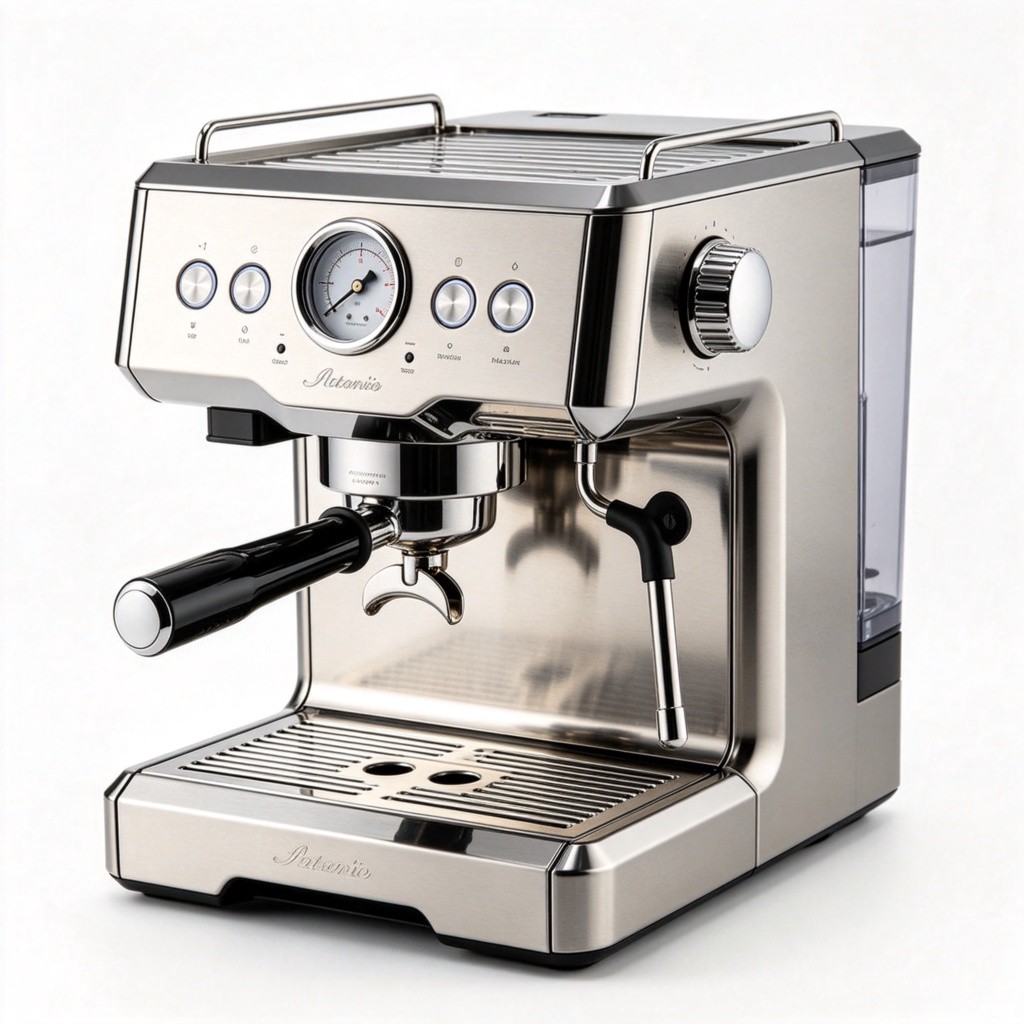
An espresso machine is a different animal entirely. Rather than gently dripping water through grounds, it forces near-boiling water through compacted coffee at high pressure, producing a concentrated shot topped with a layer of crema — the golden foam that defines a proper espresso.
How it works: Espresso machines use a pump (or lever, in manual models) to push water at roughly 9 bars of pressure — about 130 psi — through a puck of finely ground, tightly tamped coffee. The entire extraction takes just 25 to 30 seconds and yields a small 1 to 2-ounce shot. This pressure is the magic ingredient: it emulsifies the coffee's oils into crema and dissolves compounds that gentler methods leave behind. Espresso also forms the base for lattes, cappuccinos, Americanos, and virtually every drink on a cafe menu.
Taste profile: Espresso is intense, syrupy, and concentrated, with a thick body and a complex balance of sweetness, bitterness, and acidity in a tiny package. The crema adds a velvety texture and aromatic punch. Diluted with hot water it becomes an Americano; combined with steamed milk it transforms into a latte or cappuccino. Nothing else in home brewing replicates this intensity and versatility.
Cost: Espresso is the most expensive path, both upfront and over time. Entry-level machines like the Breville Bambino start around $300–$500, while quality semi-automatics (De'Longhi La Specialista, Gaggia Classic Pro) run $400–$800. High-end prosumer machines climb past $1,500. You'll also want a decent burr grinder ($150–$400), since espresso demands a precise, fine grind that blade grinders can't deliver. Per-cup cost is higher too, because pulling a good shot requires more coffee per ounce than drip.
Learning curve: Espresso rewards skill and punishes carelessness. Dialing in the right grind size, dose, tamp pressure, and extraction time takes practice — expect a week or two of trial and error before you consistently pull good shots. Milk steaming for lattes is another skill to master. If you love the ritual and want cafe-quality milk drinks at home, the effort pays off. If you just want coffee fast, espresso is overkill.
French Press: The Simple Immersion Brewer
The French press is the most manual and most affordable of the three — a glass or stainless steel carafe with a plunger and metal mesh filter. It requires no electricity and relies on a completely different brewing principle: immersion.
How it works: You add coarsely ground coffee to the carafe, pour in hot water just off the boil, and let it steep for 4 minutes — much like brewing tea. The grounds saturate and steep freely in the water, extracting flavor through direct contact. After steeping, you slowly press down the plunger, which pushes the metal mesh filter through the brew and traps the grounds at the bottom. Pour immediately, because the coffee keeps extracting and turns bitter if it sits.
Taste profile: Because the French press uses a metal mesh filter instead of paper, the coffee's natural oils and fine sediment pass through into the cup. The result is a rich, full-bodied brew with a heavy mouthfeel and deep, robust flavor. You'll taste more of the coffee's earthy, chocolatey, and nutty notes, and there's a characteristic sludge at the bottom of the cup. It's the boldest and most "rustic" of the three methods.
Cost: The French press is the budget champion. A quality glass model (Bodum Chambord) costs $25–$40, and a durable stainless steel insulated press runs $40–$80. There are no filters to buy and no electricity required, so ongoing costs are just the coffee itself. You will want a burr grinder for a consistent coarse grind, but a basic hand grinder ($25–$50) does the job fine.
Convenience: The French press is convenient in its simplicity — no machine, no power cord, no disposable filters — but it's not "push button" convenient. You must boil water separately, time the steep, and plunge manually, which adds a few minutes of hands-on effort. Cleanup means disassembling the plunger and rinsing out grounds (which can go straight into compost). It's portable enough for camping and travel, and makes 2 to 8 cups depending on size.
Head-to-Head Comparison Table
Here's how the three brewing methods stack up across the factors that matter most. Use this as a quick reference when weighing your options.
Expert advice: Don't choose based on what's "best" overall — choose based on what you'll actually use every morning. A $2,000 espresso machine that sits unused because you're too rushed to pull shots is a worse investment than a $40 French press you love and use daily.
Flavor and Caffeine: A Closer Look
People often assume espresso has the most caffeine because it tastes the strongest, but the reality is more nuanced. Per ounce, espresso is the most caffeinated — a single 1-ounce shot contains about 63 mg of caffeine. But because a shot is tiny, a typical 8-ounce cup of drip coffee actually delivers more total caffeine (around 95–140 mg) than a single shot of espresso. A full 8-ounce French press can pack even more, often 100–150 mg, because of the long steep time and the fact that no oils are filtered out.
Flavor-wise, the three methods extract different compounds from the same beans. Drip's paper filter produces the cleanest, brightest cup, highlighting fruity and floral notes. The French press's metal filter lets oils and fines through, emphasizing body and deeper chocolate-and-earth flavors. Espresso's pressure extraction creates unique caramelization and crema that neither drip nor press can match. If you want to taste the same bean three completely different ways, these three brewers are the perfect demonstration.
Which Brewing Method Is Right for You?
Still torn? These decision guides map each method to the kind of coffee drinker who'll love it most.
Choose a Drip Coffee Maker if you...
- Want a full pot ready with one button push, ideally on a programmable timer
- Brew for multiple people or drink several cups throughout the morning
- Prefer a smooth, familiar, "diner-style" cup of coffee
- Want low per-cup cost and minimal ongoing effort
- Value reliability and convenience over ritual and intensity
Choose an Espresso Machine if you...
- Live for lattes, cappuccinos, flat whites, and other milk-based drinks
- Enjoy the craft and ritual of making coffee and are willing to practice
- Want intense, concentrated coffee or cafe-quality shots at home
- Have a higher budget for the machine and a quality grinder
- Already spend a lot at coffee shops and want to replicate that experience
Choose a French Press if you...
- Want bold, full-bodied coffee with rich oils and heavy mouthfeel
- Are on a budget or want a no-electricity, portable brewer
- Like a hands-on, mindful brewing ritual without complex machinery
- Camp, travel, or want a backup brewer for power outages
- Don't mind a bit of sediment at the bottom of your cup
Expert advice: Many coffee lovers eventually own more than one. A drip maker for busy weekday mornings, a French press for leisurely weekends, and an espresso machine for when you crave a latte is a common — if counter-hungry — combination. Start with the one that matches your daily routine, and expand from there.
Can't Decide? Consider These Hybrid Options
If none of the three feels like a perfect fit, the market now offers hybrids that blur the lines. Some drip machines, like the Ninja Specialty series, can brew a concentrated "coffee shot" for faux-lattes. Pod-based single-serve brewers (Keurig, Nespresso) offer espresso-style intensity and convenience in one, though at a higher per-cup cost and with environmental trade-offs. There are even combination drip-and-espresso machines that pack both systems into one footprint, ideal for households split between drip drinkers and espresso lovers.
Still, for most people starting out, picking one of the three core methods — drip, espresso, or French press — and mastering it beats spreading your budget across multiple machines you barely use. Choose the method that fits 80% of your mornings, and you'll be brewing happily for years.
Ready to Choose Your Perfect Brewer?
We've tested dozens of drip coffee makers, espresso machines, and French presses to find the best in every category and budget. Explore our hands-on reviews and find the brewer that's right for your kitchen.
See Our Best Coffee Maker Reviews →