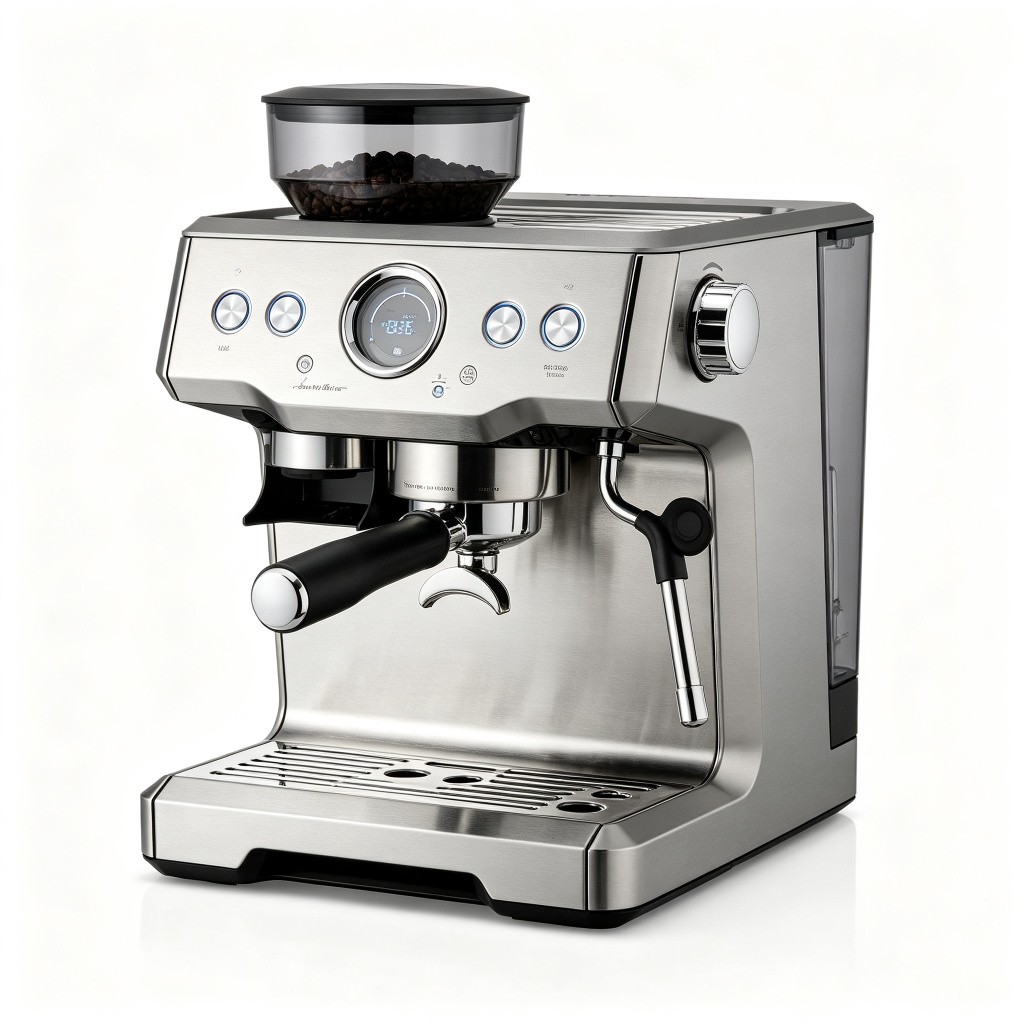
Walk into almost any kitchen in the world and you'll find one: a coffee maker. Whether it's a humble drip machine humming on the counter at 6 a.m. or a gleaming espresso machine pulling shots in a café, the coffee maker is one of the most beloved and widely used small appliances on the planet.
But what exactly is a coffee maker? How does it turn a handful of roasted beans into the steaming cup that fuels your morning? And with so many types on the market, where do you even begin? In this complete beginner's guide, we'll break down everything you need to know.
What Exactly Is a Coffee Maker?
A coffee maker is any device or appliance designed to brew coffee by extracting flavor from ground coffee beans using water. That broad definition covers a remarkable range of machines — from a $15 pour-over cone to a $3,000 espresso machine — but they all share the same fundamental purpose: to turn coffee grounds and water into a drinkable cup of coffee.
At its core, brewing coffee is a simple act of chemistry. Hot water dissolves soluble compounds — acids, sugars, oils, and caffeine — from the ground coffee, carrying those flavors into your cup. A coffee maker simply controls and automates that process: it heats the water to the right temperature, delivers it to the grounds in a consistent way, and (usually) separates the spent grounds from the finished brew.
The most common type, the drip coffee maker, is what most people picture when they hear the term. You add water to a reservoir, place ground coffee in a filter, switch it on, and the machine does the rest — heating the water and letting it drip through the grounds into a carafe below.
A Brief History of the Coffee Maker
Humans have been brewing coffee for centuries, but the modern coffee maker is a relatively recent invention. For most of history, coffee was made by simply boiling grounds in water — a method that still survives today in Turkish coffee and cowboy coffee. The result was often bitter and gritty, but it got the job done.
The first big leap came in 1908, when a German housewife named Melitta Bentz grew tired of bitter, grounds-laden coffee. She punched holes in a brass pot, lined it with blotting paper from her son's schoolbook, and poured hot water over the grounds. The paper filter caught the grounds and produced a cleaner, smoother cup. Melitta's paper filter company still exists today, and her invention fundamentally changed how the world brews coffee.
The automatic drip coffee maker as we know it arrived in 1972, when Mr. Coffee introduced the first home model. It was an instant hit — endorsed by baseball legend Joe DiMaggio — and quickly replaced the older percolator, which tended to recirculate brewed coffee through the grounds and produce a harsh, over-extracted drink. By the 1980s, the automatic drip machine had become a staple of American kitchens.
Since then, coffee makers have continued to evolve. The 1990s and 2000s brought single-serve pod machines like Keurig and Nespresso, which trade customization for convenience. More recently, a wave of specialty coffee culture has revived manual methods — pour-over, French press, and AeroPress — alongside high-end espresso machines that bring café quality into the home.
How Does a Coffee Maker Work?
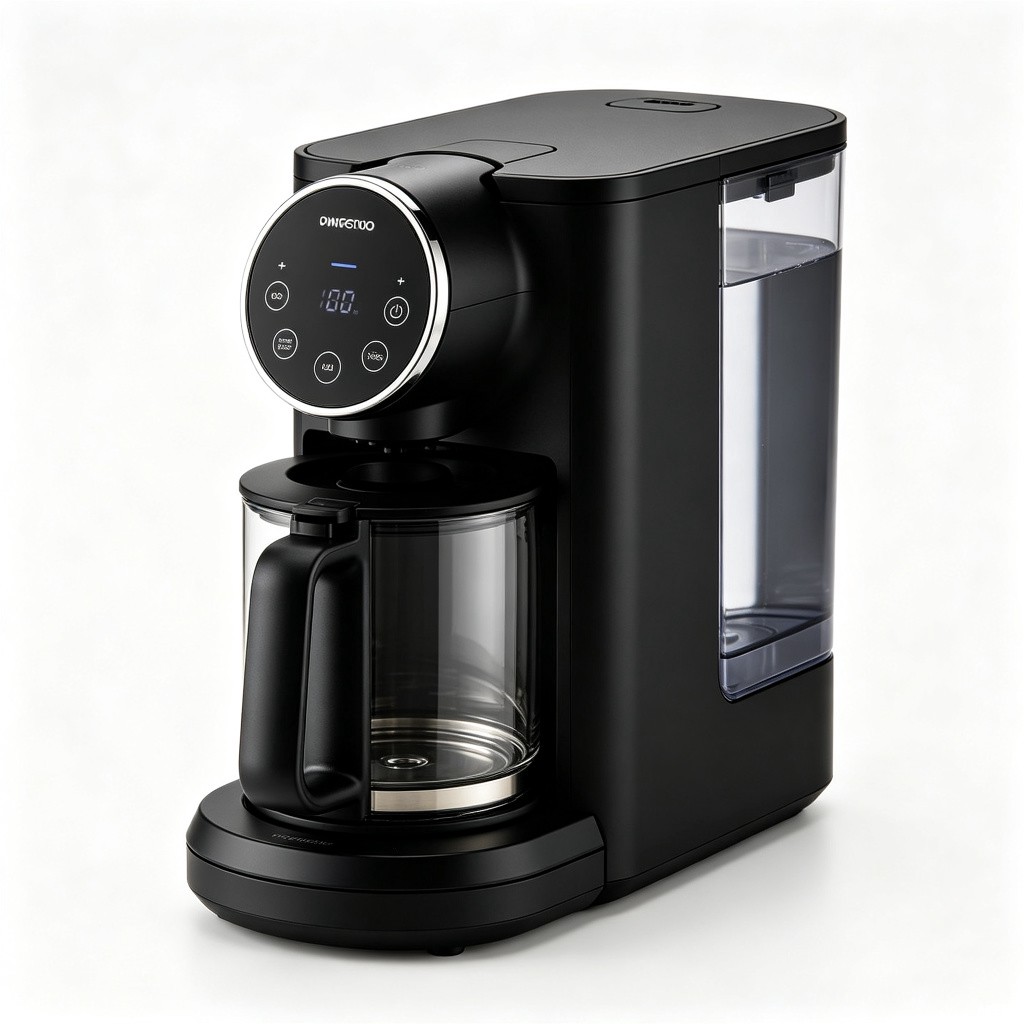
Although coffee makers come in many shapes and sizes, the automatic drip machine — the most common type — follows a straightforward three-step process. Understanding it helps demystify the appliance sitting on your counter.
- Heating the water: When you switch the machine on, a heating element warms the water in the reservoir. As the water heats up, it travels up through a one-way valve into a small aluminum heating tube, where it reaches near-boiling temperatures (around 195°F to 205°F, or 90°C to 96°C).
- Passing through the grounds: The hot water is forced up and out of a spray head, where it drips evenly over the ground coffee sitting in a paper or metal filter. The water absorbs flavor compounds as it passes through, a process called extraction.
- Dripping into the carafe: The brewed coffee passes through the filter — which catches the grounds — and drips down into a glass or thermal carafe below, often kept warm by a hot plate. A typical full brew cycle takes 5 to 10 minutes.
The beauty of this design is its simplicity and consistency. The machine handles the variables that matter most for good coffee — water temperature, brew time, and even saturation — so you get a reliable cup with minimal effort. Other types of coffee makers, like espresso machines and French presses, use the same underlying principle (hot water meeting grounds) but apply it differently to produce very different results.
Different Types of Coffee Makers
Not all coffee makers are created equal. The type you choose dramatically affects the flavor, strength, and texture of your coffee. Here's a quick overview of the main categories:
- Drip coffee makers: The classic countertop machine. Set it and forget it — great for making multiple cups at once.
- Espresso machines: Force pressurized hot water through finely ground coffee to produce a concentrated, intense shot with a layer of crema.
- French press: Steeps coarse grounds in hot water, then presses them out with a metal plunger. Full-bodied and rich.
- Pour-over: A manual method where you pour hot water over grounds in a cone filter. Produces a clean, bright cup.
- Single-serve (pod) machines: Brew one cup at a time from pre-portioned pods. Maximum convenience, less customization.
- Cold brew makers: Steep grounds in cold water for 12–24 hours for a smooth, low-acidity concentrate.
- Moka pots: Stovetop brewers that push steam pressure through grounds for a strong, espresso-like coffee.
We dive deep into each of these in our complete types of coffee makers guide, where you'll find pros, cons, and recommendations for each.
Why You Should Brew Coffee at Home
With a coffee shop on nearly every corner, you might wonder whether a home coffee maker is worth the investment. For most people, the answer is a resounding yes — and the reasons go beyond simple convenience.
1. You'll Save a Surprising Amount of Money
The math is hard to argue with. A typical café coffee costs $4 to $6 per cup. Brew the same cup at home with quality beans, and your cost drops to roughly $0.40 to $0.80 per cup — mostly the cost of the beans themselves. For someone who drinks one coffee a day, that's a saving of around $1,200 to $1,800 per year. Even a premium $500 coffee maker pays for itself in a few months.
2. Your Coffee Will Be Fresher
Coffee begins losing its peak flavor within minutes of grinding and hours of brewing. When you brew at home, you control the freshness. Grinding beans right before brewing and drinking the coffee immediately captures aromas and flavors that a pre-made café cup simply can't match. If you've never had coffee made from beans ground 60 seconds before brewing, you're in for a revelation.
3. You Can Customize Everything
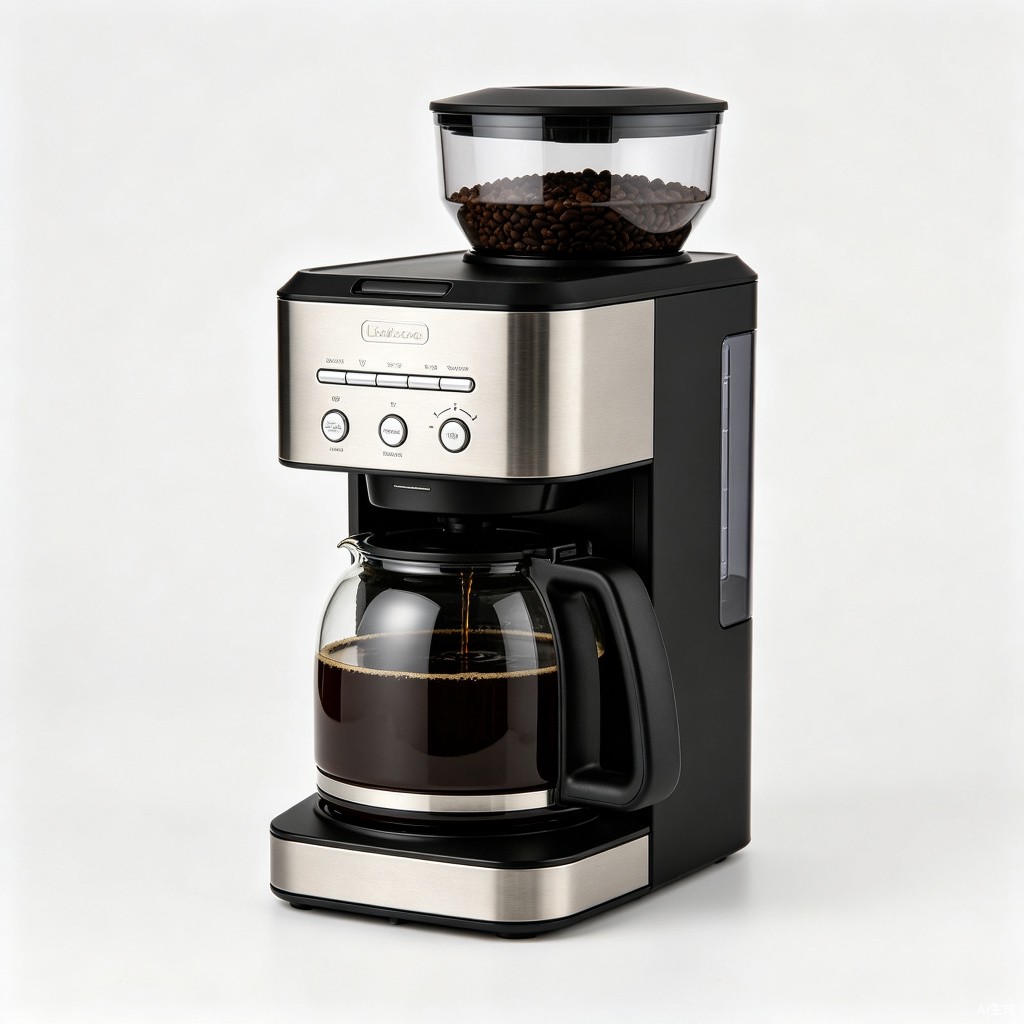
A home setup puts you in full control. You choose the beans, the roast level, the grind size, the water temperature, the brew ratio, and the strength. Prefer a light Ethiopian with floral notes, brewed strong and black? Done. Want a decaf medium roast with a splash of oat milk? Easy. Over time, dialing in your perfect cup becomes a satisfying ritual rather than a transaction.
There are practical benefits too. You can brew a full pot for guests or a single cup for yourself, set a timer to wake up to fresh coffee, and avoid the morning line at the drive-through. For remote workers especially, a home coffee maker turns a daily expense into a daily pleasure.
How to Choose Your First Coffee Maker
With so many options, picking your first coffee maker can feel overwhelming. The good news is that narrowing it down comes down to answering four honest questions about your habits.
- How much coffee do you drink? If you brew for a household or want coffee available all morning, a drip maker with a thermal carafe is ideal. If you drink one or two cups a day, a single-serve or manual method may suit you better.
- How much time and effort are you willing to invest? Drip and pod machines are nearly effortless. Pour-over, French press, and espresso require more hands-on attention but reward you with better flavor and control.
- What's your budget? Decent drip makers start around $40–$60. Manual methods like French press and AeroPress cost $25–$40. Quality espresso machines start around $300 and climb quickly. Factor in the cost of beans, filters, and a grinder.
- What kind of coffee do you love? If you live for lattes and cappuccinos, you need an espresso machine with a steam wand. If you prefer a clean, nuanced black coffee, a pour-over setup will make you happiest. For a strong, no-fuss cup, a French press is hard to beat.
If you're still unsure, an automatic drip coffee maker is the safest all-around choice for a beginner. It's forgiving, affordable, and produces a consistently good cup with minimal effort. You can always add a manual method or an espresso machine later as your taste and skills develop.
Ready to compare specific models? Our team has tested over 40 machines to find the best options for every budget and brewing style. Check out our best coffee makers of 2026 to see which ones earned our top scores.
Ready to Find Your Perfect Coffee Maker?
Now that you understand what a coffee maker is and how it works, it's time to find the right one for your kitchen. We've tested over 40 top models to help you choose with confidence.
See Our Best Coffee Maker Reviews →