Buying a coffee maker sounds simple until you start shopping and realize the options range from tiny single-serve pods to massive 14-cup brewers that could fuel an entire office. Get the size wrong and you'll either be brewing pot after pot all morning or pouring half a carafe down the drain every afternoon.
Capacity is one of the most important — and most overlooked — factors when choosing a coffee maker. The right size saves you time, reduces waste, and keeps your coffee tasting fresh instead of sitting on a warmer for hours. In this guide, we'll break down what coffee maker capacity actually means, walk through every common size, and help you match the right brewer to your daily routine.
Understanding Coffee Maker Capacity: Cups vs. Quarts
Here's the first surprise: a "cup" in coffee-maker language is not a standard 8-ounce measuring cup. The coffee industry uses a "cup" that equals roughly 5 ounces (about 150 ml). That smaller measure dates back to the traditional teacup sizes used in early diner coffee makers. So when a box says "12-cup coffee maker," it produces about 60 ounces — closer to six standard 8-ounce mugs, not twelve.
Some manufacturers, especially European brands, also list capacity in quarts or liters. A 1-quart carafe holds roughly 32 ounces, or about four 8-ounce mugs. When comparing models, always convert to ounces or milliliters so you're comparing apples to apples. The chart below summarizes the most common capacities.
- 1 cup (single-serve): ~5–10 oz per brew
- 4-cup: ~20 oz total (about two 8-oz mugs)
- 8-cup: ~40 oz total (about five 8-oz mugs)
- 10–12 cup: ~50–60 oz total (about six to seven 8-oz mugs)
- Commercial 12+ cup: 60+ oz and often dual-burner designs
Quick tip: Multiply the "cup" rating by 5 to estimate total ounces, then divide by 8 to find out how many standard mugs you'll really get. A 12-cup maker = 60 oz ÷ 8 = roughly 7 full mugs.
Breaking Down Each Size Category
Not every size suits every kitchen. Let's look at who each category is built for, the pros and cons, and the types of brewers you'll find in that range.
Single-Serve (1 Cup)
Single-serve brewers, like Keurig and Nespresso machines, brew one cup at a time using pods or capsules. They're the ultimate convenience option: pop in a pod, press a button, and 60 seconds later you have a fresh cup with zero measuring and almost no cleanup.
This size shines for solo drinkers, dorm rooms, and home offices where everyone has different taste. The downside is cost per cup — pods run 40 to 80 cents each, far more than ground coffee — and the environmental impact of disposable pods. Look for reusable pod filters if you want to cut waste and use your own beans.
4-Cup Coffee Makers
Compact 4-cup drip brewers are the sweet spot for one to two people who want a small pot rather than a single pod. They take up minimal counter space, cost very little (often under $40), and brew enough for a couple of mugs in about five minutes. They're popular in small apartments, RVs, and hotel rooms.
The trade-off is limited features — most lack programmable timers or thermal carafes — and the small water reservoir can be fiddly to fill. If you occasionally host guests, a 4-cup machine will leave you brewing back-to-back batches.
8-Cup Coffee Makers
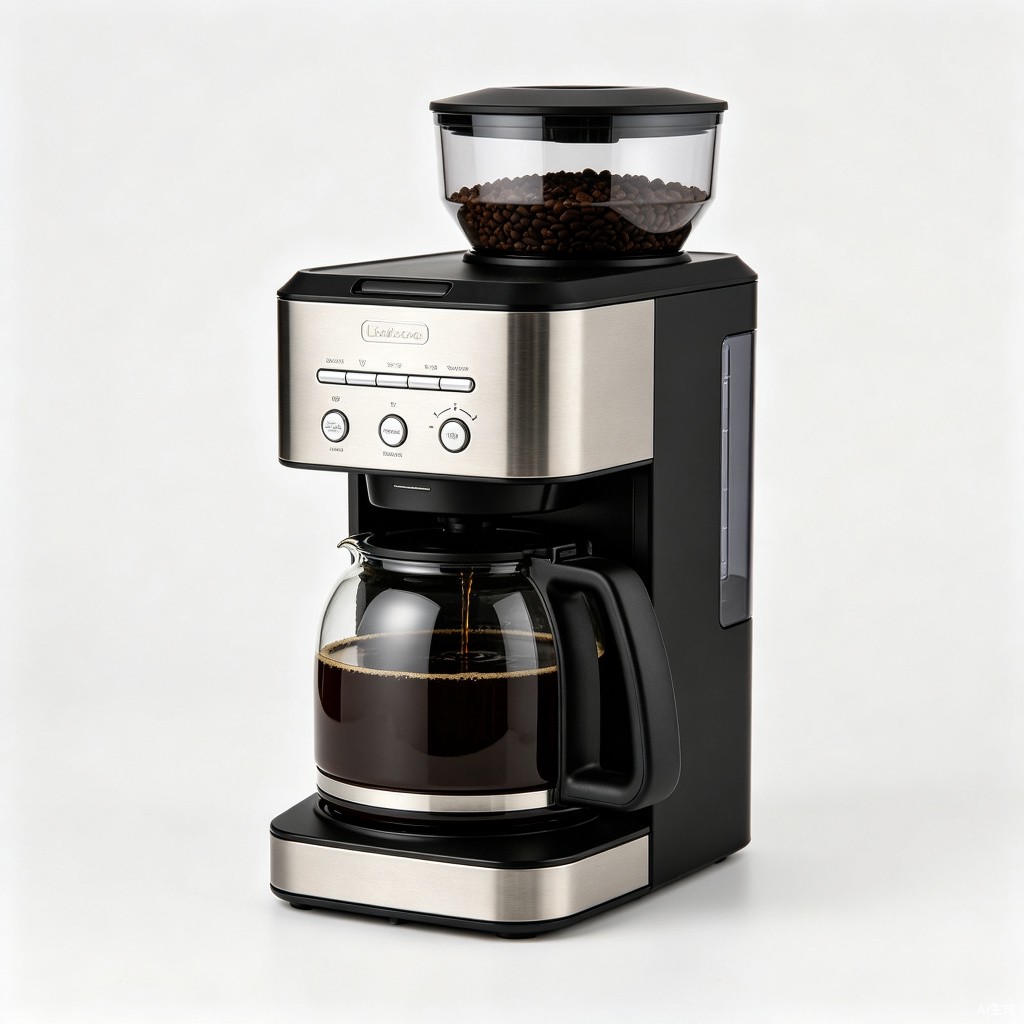
An 8-cup brewer is the most versatile mid-size option, ideal for households of three to four people or couples who drink multiple cups each. It produces roughly 40 ounces, enough for four to five generous mugs in a single brew cycle. Many 8-cup models hit the "sweet spot" of features: programmable timers, thermal carafes, and even built-in grinders, without the bulk of a full-size machine.
This is also where you start seeing higher-quality brewers like the Moccamaster or OXO 8-Cup, which brew at the optimal temperature and saturation for noticeably better flavor. If you care about taste and brew daily, the 8-cup category offers the best balance of capacity and quality.
10 to 12-Cup Coffee Makers
The 10 to 12-cup range is the default size for most families and offices. These brewers produce 50 to 60 ounces — enough to fill six or seven mugs — and usually come with a glass carafe on a hot plate or a thermal carafe. You'll find the widest selection, from basic $30 machines to feature-packed models with strength control, water filters, and "pause-and-serve" functions.
This size is perfect for households where several people drink coffee in the morning, or for small offices and team meetings. The main drawback is that a half-full pot can taste burnt after sitting on a warmer for an hour, so we recommend a thermal carafe for anyone who sips slowly throughout the morning.
Commercial Size (12+ Cups)
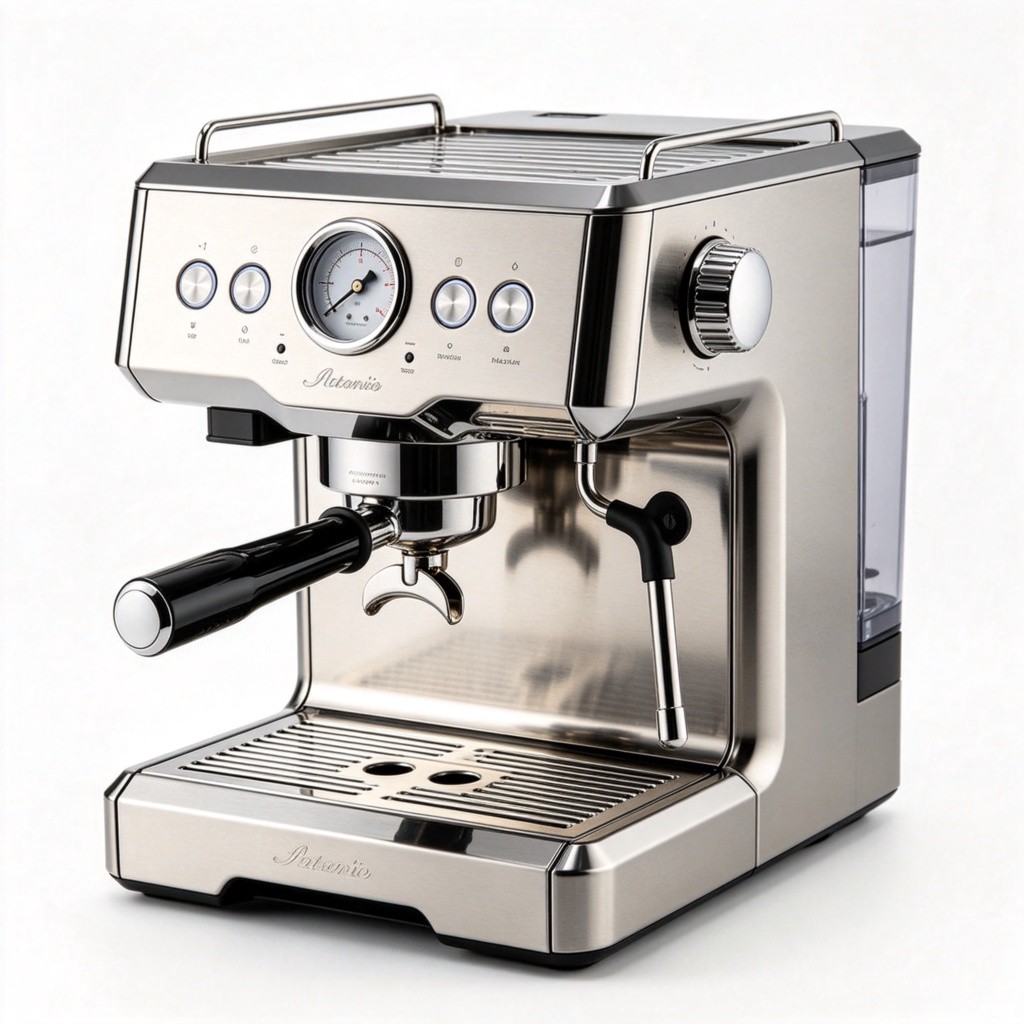
Commercial-grade brewers range from 14-cup countertop models up to multi-burner urns that hold several gallons. These are built for large gatherings, breakrooms, catered events, and churches — anywhere dozens of cups are needed quickly. They feature heavy-duty heating elements, dual warmers, and sometimes direct-water-line hookup so you never refill a reservoir.
For home use, a commercial brewer is almost always overkill: they're bulky, expensive, and brew more than a typical family can drink before it goes stale. But if you regularly host brunches, run a bed-and-breakfast, or manage a busy office, a 14-cup or urn-style brewer eliminates the "who's making the next pot?" problem entirely.
How to Choose: Ask Yourself These 3 Questions
Still not sure which size fits your life? Answer these three questions and the right capacity usually becomes obvious.
- How many people drink coffee in your home, and how much do they drink? Count the mugs consumed on a typical morning, not just the number of drinkers. A household of two heavy coffee drinkers can easily polish off a full 8-cup pot, while a family of four light drinkers might only need a 4-cup machine.
- How often do you brew versus reheat? If you like fresh coffee every hour, a smaller single-serve or 4-cup brewer that you run multiple times beats a big pot that scorches on a warmer. If you brew once and sip all morning, a 10 to 12-cup thermal carafe keeps it hot and fresh for hours.
- How much counter space do you have? A 12-cup machine with a glass carafe needs about a square foot of counter and 14 inches of vertical clearance. Single-serve pod brewers are the most compact, while commercial urns demand serious real estate. Measure your space before you fall in love with a model.
The golden rule: it's almost always better to slightly oversize your coffee maker than to undersize it. You can always brew less water in a larger machine, but you can't brew more than the carafe holds without running a second cycle.
Factoring In Usage Frequency, Space, and Budget
Beyond the raw cup count, three practical factors should shape your decision.
Usage frequency: If you brew once a day, any size works — just match it to your household. If you brew multiple times a day, prioritize fast brew cycles and a machine that handles small batches well. Single-serve brewers win here because every cup is fresh. If you only brew on weekends or for guests, a mid-size 8 to 10-cup model stored in a cabinet offers the best value.
Kitchen space: Counter space is prime real estate. A compact 4-cup brewer takes up less than half the footprint of a 12-cup model. If your kitchen is tight, consider a single-serve machine or a slim thermal carafe brewer. Some 12-cup machines are surprisingly deep — check dimensions against your upper cabinets before buying.
Budget: Price scales loosely with size and features, but not always. A basic 12-cup Mr. Coffee costs around $40, while a premium 8-cup Moccamaster runs $200+. Decide whether you're paying for capacity (more cups), quality (better extraction and materials), or convenience (pod systems, programmability). For most buyers, a $60–$120 mid-size brewer with a thermal carafe hits the best value.
Common Sizing Mistakes to Avoid
Even savvy shoppers make a few predictable errors. Here's what to watch for:
- Misjudging "cups": Remember, a 12-cup maker yields about seven real mugs, not twelve. Don't overbuy based on the headline number.
- Ignoring the thermal carafe option: A glass carafe on a hot plate scorches coffee after 30–40 minutes. If you drink slowly, spend a bit more for a thermal carafe — it preserves flavor for hours.
- Buying for rare occasions: Don't size your everyday brewer for the once-a-year holiday brunch. Get the size that fits your typical morning, and borrow or use a French press for big gatherings.
- Forgetting water reservoir access: Large brewers have big reservoirs that can be hard to reach under cabinets. Make sure you can comfortably fill it without spilling.
Ready to Find the Perfect-Sized Coffee Maker?
Now that you know how to match capacity to your routine, explore our hands-on reviews of the best coffee makers in every size category — from single-serve pods to 12-cup workhorses.
See Our Best Coffee Maker Reviews →