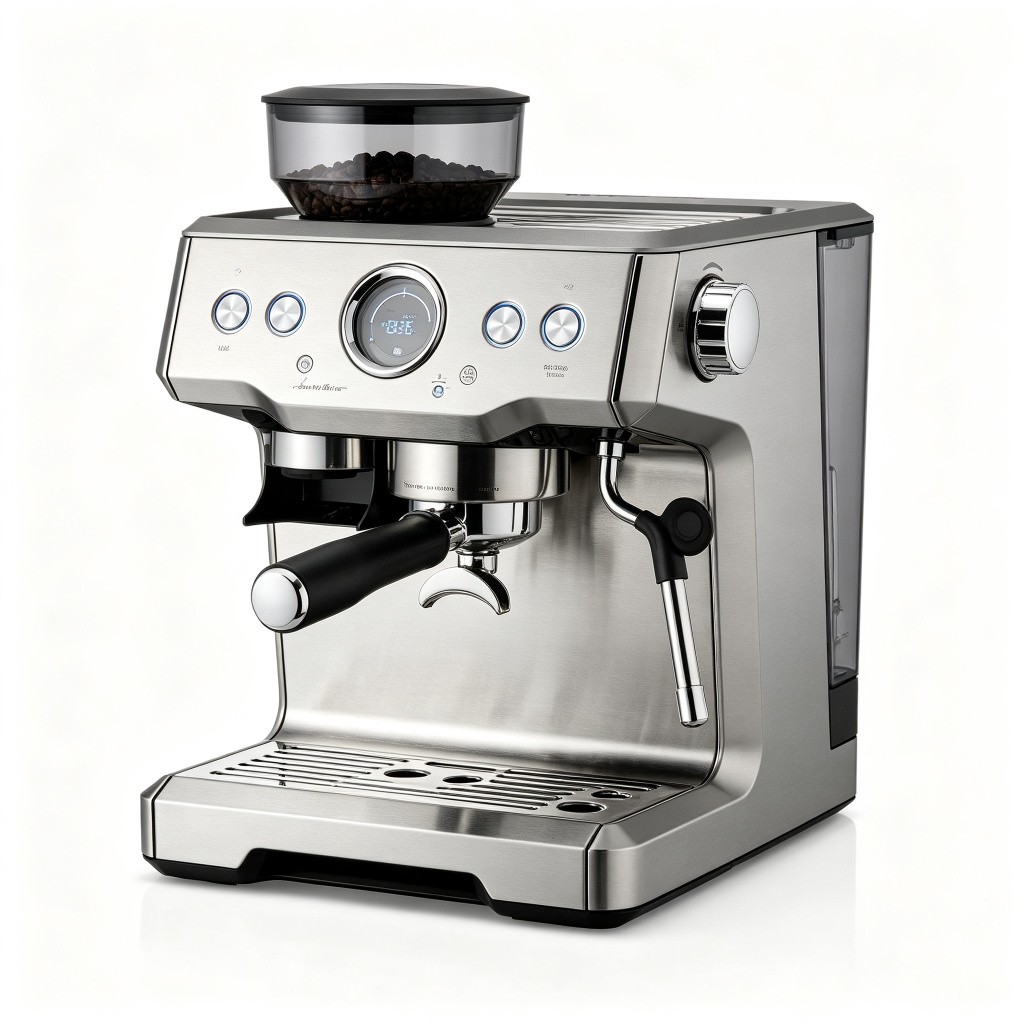
Stand in the coffee aisle of any appliance store and you'll quickly realize that "coffee maker" is a deceptively broad term. There are automatic drip machines, manual pour-over rigs, stovetop Moka pots, capsule-based single-serve brewers, and gleaming espresso machines that look like they belong in a science lab.
Each type produces a genuinely different cup — different in strength, texture, flavor clarity, and ritual. Choosing the wrong one can leave you frustrated and out several hundred dollars. Choosing the right one can transform your morning. In this guide, we'll walk through the eight main types of coffee makers, explaining how each works, its pros and cons, who it suits best, and what you can expect to spend.
1. Drip Coffee Maker
How It Works
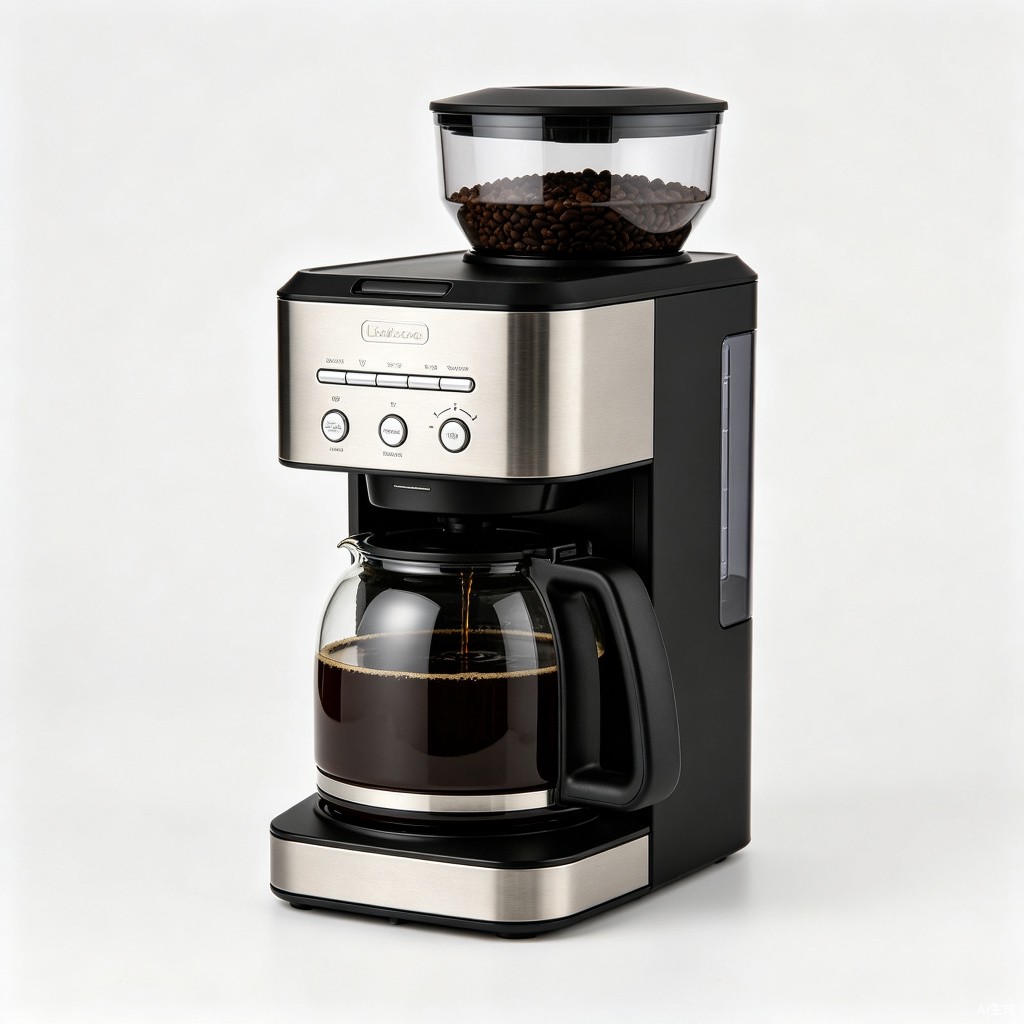
The automatic drip coffee maker is the most common type in the world, and the one most people grew up with. You pour water into a reservoir, add ground coffee to a paper or reusable filter in a brew basket, and switch it on. A heating element warms the water and pumps it up through a spray head, which showers it evenly over the grounds. The brewed coffee drips through the filter into a glass carafe (kept warm on a hot plate) or a thermal carafe below.
Pros
- Effortless — load it, press a button, walk away.
- Brews 4 to 12 cups at once, ideal for households and offices.
- Programmable models can start brewing on a timer before you wake up.
- Consistent results with very little skill required.
Cons
- Hot plates can "cook" coffee and make it bitter after an hour.
- Cheaper models often brew at the wrong temperature or unevenly.
- Less control over brewing variables than manual methods.
Best For
Households where multiple people drink coffee, busy mornings that demand convenience, and anyone who wants a reliable pot with zero fuss.
Price Range
$40 (basic models) to $250+ (premium machines like Technivorm or Moccamaster).
2. Espresso Machine
How It Works
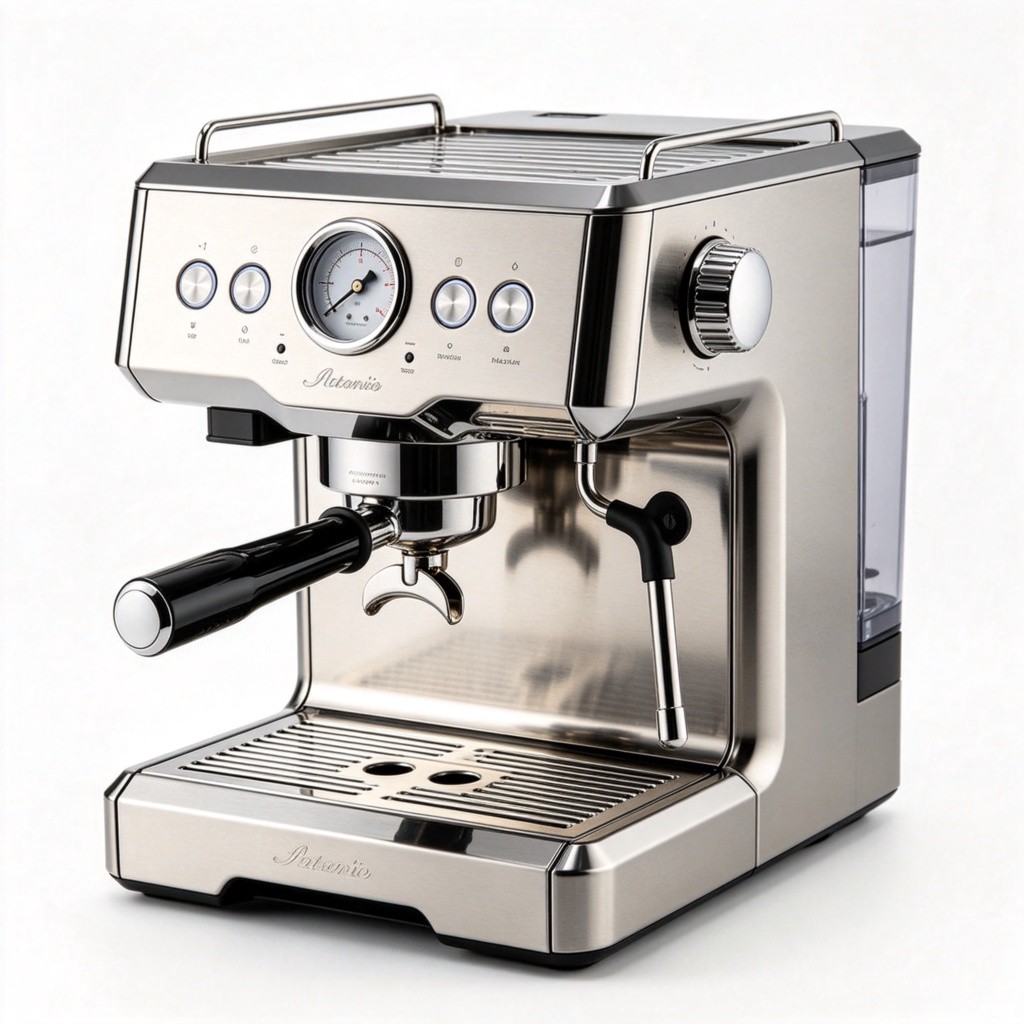
An espresso machine forces a small amount of nearly boiling water — around 190°F to 205°F — through finely ground, tightly packed coffee at high pressure (typically 9 bars). The result is a small, concentrated "shot" of coffee topped with a layer of golden crema. Espresso is also the foundation for milk-based drinks like lattes, cappuccinos, and macchiatos, which is why these machines include a steam wand for frothing milk.
Pros
- Produces intense, complex coffee with rich crema.
- Steam wand lets you make café-style lattes and cappuccinos at home.
- The gateway to the full specialty coffee experience.
Cons
- Steep learning curve — dialing in grind, dose, and tamp takes practice.
- Requires a good burr grinder, which can cost as much as the machine.
- Significant upfront investment and more maintenance (descaling, backflushing).
Best For
Coffee enthusiasts who love espresso-based drinks, are willing to learn the craft, and want café quality without leaving the house.
Price Range
$300 (entry-level, like Breville Bambino) to $3,000+ (prosumer machines like La Marzocco).
3. French Press
How It Works
The French press is beautifully simple. You add coarsely ground coffee to a glass or stainless steel carafe, pour in hot water, stir, and let it steep for about 4 minutes. Then you slowly press down a metal mesh plunger, which separates the grounds from the brewed coffee. Because the grounds steep directly in the water and there's no paper filter, the coffee retains more of its natural oils.
Pros
- Full-bodied, rich coffee with heavy mouthfeel.
- No paper filters or electricity required — great for camping and travel.
- Inexpensive, durable, and easy to clean.
- Full control over steep time and strength.
Cons
- Some fine sediment slips through the mesh into your cup.
- Coffee can become bitter if left sitting on the grounds — decant immediately.
- Less clarity and brightness than paper-filtered methods.
Best For
Fans of bold, hearty coffee; minimalists who want a low-tech brewer; and anyone who values simplicity and portability.
Price Range
$20 to $60 (stainless steel insulated models run higher).
4. Pour-Over
How It Works
Pour-over is a manual brewing method in which you pour hot water — slowly and deliberately — over medium-fine coffee grounds resting in a cone-shaped filter (paper or cloth). The water flows through the grounds by gravity and drips into a cup or carafe below. Popular devices include the Hario V60, Kalita Wave, and Bee House. The brewer controls every variable: water temperature, pour speed, and total brew time.
Pros
- Exceptional clarity and brightness — highlights a coffee's subtle flavors.
- Complete control over the brewing process.
- Compact, inexpensive, and easy to clean.
- A meditative, hands-on morning ritual.
Cons
- Requires technique and a gooseneck kettle for best results.
- Brews only one cup at a time.
- Demands your full attention for 3–4 minutes.
Best For
Specialty coffee lovers who drink single cups, enjoy a hands-on ritual, and want to taste the full nuance of high-quality beans.
Price Range
$15 (basic plastic cone) to $40 (ceramic or glass); plus a gooseneck kettle ($40–$100).
5. AeroPress
How It Works
Invented in 2005, the AeroPress is a clever plastic device that combines immersion and pressure. You place a paper filter in the cap, add medium-fine coffee, pour in hot water, and stir. After a short steep (10 seconds to 2 minutes, depending on the recipe), you insert a plunger and press down, forcing the coffee through the filter and into your cup using air pressure. The result lands somewhere between pour-over clarity and espresso intensity.
Pros
- Fast — a cup in under two minutes.
- Highly versatile — countless recipes produce different styles.
- Nearly indestructible, lightweight, and perfect for travel.
- Easy cleanup: push the "puck" of grounds straight into the trash.
Cons
- Brews a single small cup at a time.
- Some find the press physically awkward at first.
- Plastic body may not appeal to those who prefer metal or glass.
Best For
Travelers, campers, office workers, and experimenters who want great coffee anywhere with minimal gear.
Price Range
$35 to $50 (the AeroPress Go travel version is slightly more).
6. Single-Serve (K-Cup / Pod) Machine
How It Works
Single-serve machines like Keurig (K-Cup) and Nespresso (capsule) brew one cup at a time from pre-portioned, sealed pods. You insert a pod, select your cup size, and the machine punctures the pod, forces hot water through it under low pressure, and dispenses the finished coffee in under a minute. Some models, like Nespresso, use higher pressure and produce espresso-style shots and crema.
Pros
- Unbeatable convenience — a fresh cup in under 60 seconds.
- No measuring, grinding, or cleanup beyond discarding the pod.
- Each person can choose a different flavor or strength.
- Consistent results with zero skill.
Cons
- Pods are expensive per cup ($0.50–$1.20) and generate waste.
- Coffee quality is generally lower than freshly ground beans.
- Limited control over strength and brew parameters.
Best For
Busy households where everyone wants a different drink, offices, and anyone who prioritizes speed and simplicity over peak flavor.
Price Range
$80 to $200 (ongoing pod costs add up over time).
7. Cold Brew Maker
How It Works
Cold brew is made by steeping coarse coffee grounds in cold or room-temperature water for a long time — typically 12 to 24 hours. Dedicated cold brew makers simplify the process with a built-in filter basket and a spigot-equipped carafe. The slow, cold extraction produces a smooth concentrate that you dilute with water or milk. Because no heat is used, cold brew is naturally low in acidity and bitterness.
Pros
- Smooth, sweet, and low-acid — gentle on the stomach.
- A batch of concentrate lasts days in the fridge.
- Easy to make; no special skills or equipment.
- Great over ice or mixed into cocktails and desserts.
Cons
- Requires planning ahead — 12 to 24 hours of steeping.
- Only makes cold coffee, not hot.
- Lower acidity means it may taste flat to some palates.
Best For
Iced coffee lovers, people sensitive to acidity, and anyone who wants a ready-to-drink concentrate in the fridge all week.
Price Range
$25 to $80 (a mason jar and filter works too).
8. Moka Pot
How It Works
The Moka pot, invented by Italian engineer Alfonso Bialetti in 1933, is a stovetop brewer with three chambers. You fill the bottom chamber with water and the middle metal filter basket with finely ground coffee. As the water heats on the stove, steam pressure builds and pushes the hot water up through the coffee grounds and into the top chamber, where it collects as a strong, espresso-like brew. It doesn't reach true espresso pressure, but it comes close in flavor.
Pros
- Rich, strong, espresso-style coffee without an expensive machine.
- Simple, durable, and lasts for decades — no moving parts.
- Works on any stovetop, including camping stoves.
- Affordable and iconic Italian design.
Cons
- Requires watching closely — over-extraction causes bitterness.
- No crema and not true 9-bar espresso pressure.
- Aluminum models aren't compatible with induction stoves (unless you use a diffuser).
Best For
Fans of strong, intense coffee; budget-conscious espresso lovers; and those who appreciate a hands-on, traditional brewing ritual.
Price Range
$25 to $60 (stainless steel versions cost a bit more).
Quick Comparison: Which Type Should You Choose?
Still unsure? Here's a quick way to narrow it down based on what you value most:
- Maximum convenience: Single-serve pod machine or automatic drip maker.
- Café-quality espresso drinks: Espresso machine.
- Bold, full-bodied coffee: French press or Moka pot.
- Bright, nuanced single cups: Pour-over or AeroPress.
- Smooth iced coffee: Cold brew maker.
- Best all-rounder for a household: Automatic drip coffee maker.
There's no single "best" coffee maker — only the one that fits your taste, routine, and budget. Many coffee lovers eventually own two or three (a drip machine for weekdays, a pour-over or French press for slow mornings, and maybe an espresso machine for weekend lattes). Once you know what each type does best, choosing becomes a lot less intimidating.
To see which specific models we recommend in each category, browse our tested coffee maker reviews — we've ranked the top machines of 2026 across every price point.
Find the Best Coffee Maker for Your Kitchen
Now that you know the types, let us help you pick the perfect model. We've tested over 40 coffee makers to find the best options for every budget and brewing style.
See Our Top Coffee Maker Picks →