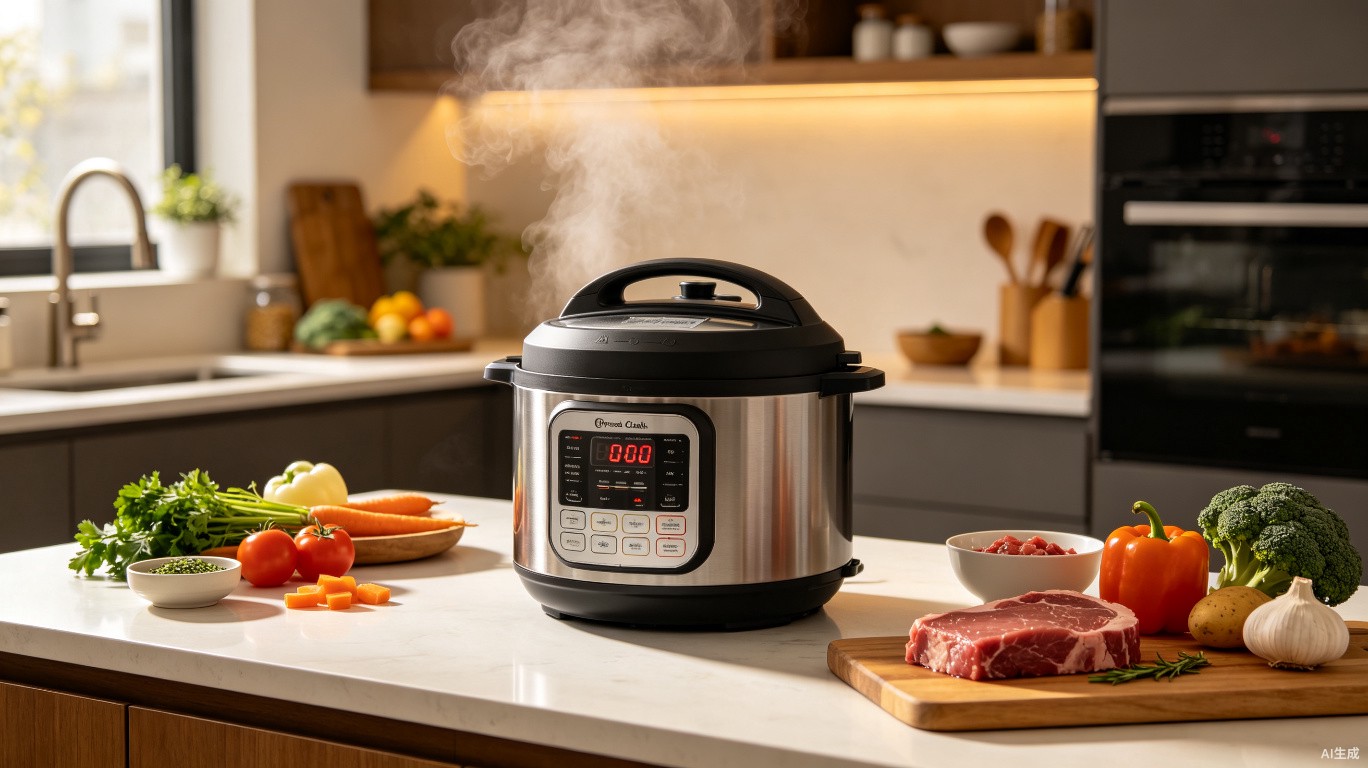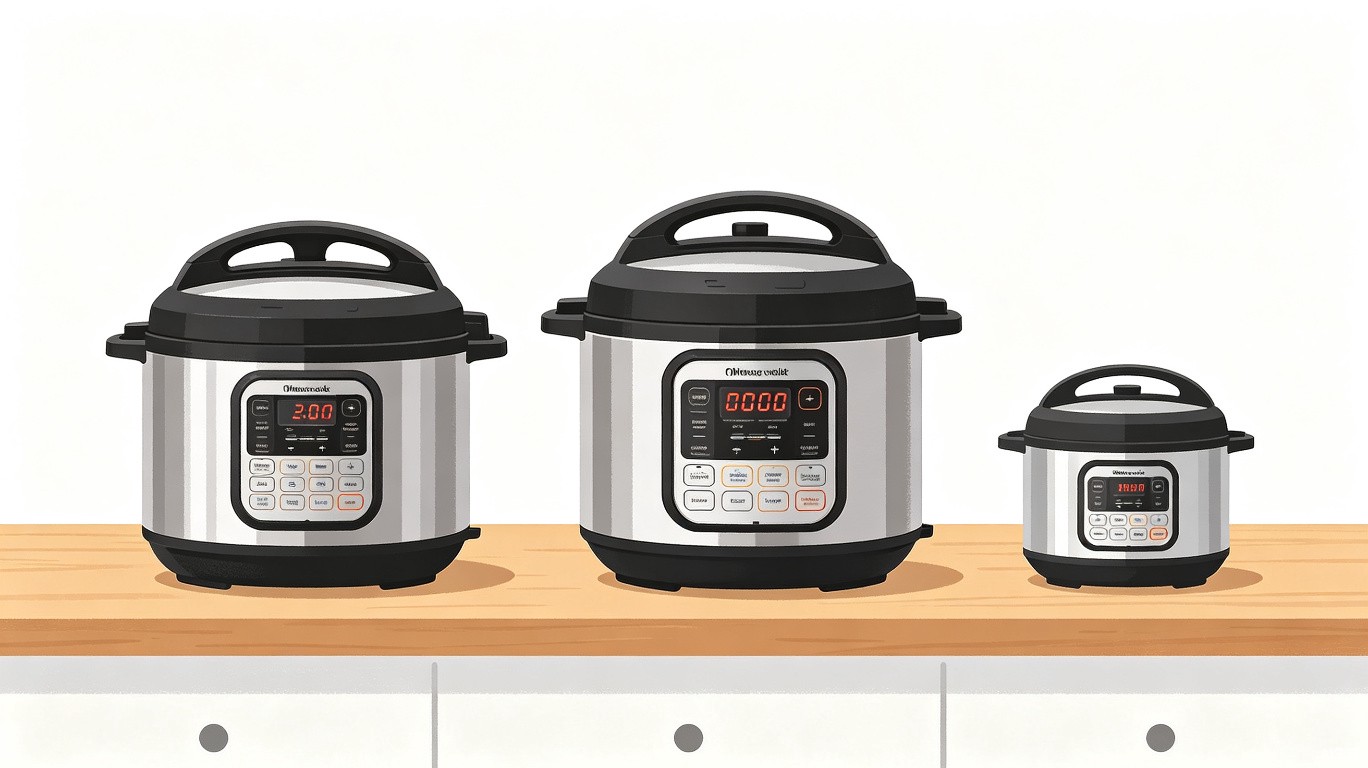
The pressure cooker market has evolved dramatically over the past decade. What was once a simple category with one basic design has expanded into a diverse landscape of stovetop models, electric pressure cookers, and sophisticated multi-cookers that combine pressure cooking with air frying, slow cooking, steaming, and dozens of other functions. With so many options available in 2026, choosing the right type of pressure cooker for your kitchen can feel overwhelming.
In this comprehensive guide, we break down every major type of pressure cooker on the market, examining the strengths and weaknesses of each, the ideal user profile, and the price ranges you can expect. Whether you are a traditionalist who values the raw power of a stovetop model or a convenience-seeker who wants a single appliance that does it all, this guide will help you make the right choice.
Stovetop Pressure Cookers
Stovetop pressure cookers are the original design, and they remain the preferred choice for many experienced cooks, professional chefs, and home canners. These cookers are essentially heavy-duty pots with a locking lid and a pressure regulation valve, designed to be placed on a gas, electric, or induction stovetop burner.
How They Work
You place the cooker on a burner, add your ingredients and liquid, lock the lid, and turn on the heat. As the liquid heats and produces steam, pressure builds inside the pot. Once the target pressure is reached (indicated by the valve reaching a specific position or a gauge reading), you reduce the burner heat to maintain steady pressure for the duration of the cooking time. After cooking, you release the pressure manually or let the pot cool naturally.
Pros of Stovetop Pressure Cookers
- Higher pressure: Most stovetop models operate at 15 PSI (compared to 10-12 PSI for electric), reaching 250°F and cooking food faster.
- Greater durability: Constructed from heavy-gauge stainless steel or aluminum, stovetop cookers can last a lifetime with proper care. Many users report owning the same cooker for 20 to 30 years.
- Canning capability: Only stovetop pressure cookers can reach the pressure and temperature needed for safe water-bath and pressure canning of low-acid foods.
- No electricity required: Works on any stovetop, including gas ranges during power outages, making them ideal for off-grid cooking and emergency preparedness.
- Larger capacity options: Available in sizes up to 20+ quarts for canning and large-batch cooking.
- More precise control: Experienced cooks can adjust heat in real time to maintain exact pressure levels.
Cons of Stovetop Pressure Cookers
- Requires active monitoring: You must watch the pot and adjust the burner heat to maintain proper pressure.
- Steeper learning curve: New users need to learn how to regulate heat, read valve indicators, and manage pressure release.
- No keep-warm function: Once cooking is done, food must be served immediately or transferred to another warming vessel.
- Can be noisy: The pressure regulator may hiss or jigle during operation, which some users find disruptive.
Best For
Stovetop pressure cookers are ideal for experienced cooks who want maximum control, home canners who need to process jars of low-acid foods, those who cook on gas ranges (especially during power outages), and anyone who values durability and long-term value over convenience features.
Price range: $40 to $200+ depending on size and brand. Premium European models from Fissler and Kuhn Rikon typically cost $100-$200, while reliable budget options from Presto and Hawkins are available for $40-$80.
Electric Pressure Cookers
Electric pressure cookers revolutionized the category by adding automated controls, built-in heating elements, and set-and-forget convenience. The Instant Pot, launched in 2010, became the defining product in this category and turned pressure cooking from a niche skill into a mainstream cooking method embraced by millions of home cooks worldwide.
How They Work
Electric pressure cookers are self-contained countertop appliances. You add ingredients and liquid to the inner pot, secure the lid, select a cooking program or set the time and pressure level manually, and press start. The built-in heating element heats the pot, pressure builds automatically, the cooker maintains the target pressure for the programmed duration, and then switches to a keep-warm mode when cooking is complete. The entire process requires no monitoring or heat adjustment from the user.
Pros of Electric Pressure Cookers
- Set-and-forget convenience: No need to monitor heat or adjust burners. The cooker manages the entire process automatically.
- Built-in safety features: Multiple redundant safety systems including lid detection, overpressure protection, temperature sensors, and automatic shutoff make electric models extremely safe.
- Keep-warm function: Automatically switches to a safe warming temperature after cooking, so your meal is ready when you are.
- Quiet operation: Electric models operate almost silently, with no hissing or jiggling regulators.
- Delayed start: Many models allow you to program a delayed start time, so you can load ingredients in the morning and come home to a cooked meal.
- Consistent results: Electronic controls maintain precise temperature and pressure, producing consistent results every time.
Cons of Electric Pressure Cookers
- Lower pressure: Most electric models operate at 10-12 PSI (compared to 15 PSI for stovetop), which means slightly longer cooking times.
- Requires electricity: Cannot be used during power outages.
- Not suitable for canning: Electric models do not reach the pressure levels required for safe pressure canning.
- Limited capacity: Most models max out at 8 quarts, which may not be sufficient for very large batches.
- Shorter lifespan: Electronic components may fail after 5-8 years of regular use, compared to the decades-long lifespan of stovetop models.
Best For
Electric pressure cookers are ideal for busy professionals and families who want convenient, hands-off cooking, beginners who are intimidated by stovetop models, apartment dwellers and dorm residents who may not have a full kitchen, and anyone who values safety features and consistent results.
Price range: $50 to $150 for most models. Budget options from COSORI and Midea start around $50-$70, while premium models from Instant Pot and Ninja with advanced features range from $80-$150.
Multi-Cookers
Multi-cookers represent the latest evolution in pressure cooking technology, combining pressure cooking with multiple other cooking functions in a single versatile appliance. These devices have become incredibly popular among home cooks who want to consolidate their kitchen gadgets and maximize countertop utility.
How They Work
Multi-cookers use the same electric pressure cooking technology as standard electric pressure cookers, but add additional heating elements, accessories, and cooking programs to support functions like air frying, slow cooking, steaming, sauteing, baking, yogurt making, rice cooking, bread proofing, dehydrating, and more. Some models (like the Ninja Foodi) feature a separate air frying lid with a dedicated fan and heating element for crisping and browning. Others (like the Instant Pot Duo Evo Plus) use the same cooking chamber for all functions with different programs controlling the temperature and timing.
Common Multi-Cooker Functions
- Pressure cooking: The core function, operating at 10-13 PSI depending on the model.
- Air frying: A convection-style cooking mode that circulates hot air to crisp and brown food with little or no oil. Available on models like the Ninja Foodi and Instant Pot Pro Crisp.
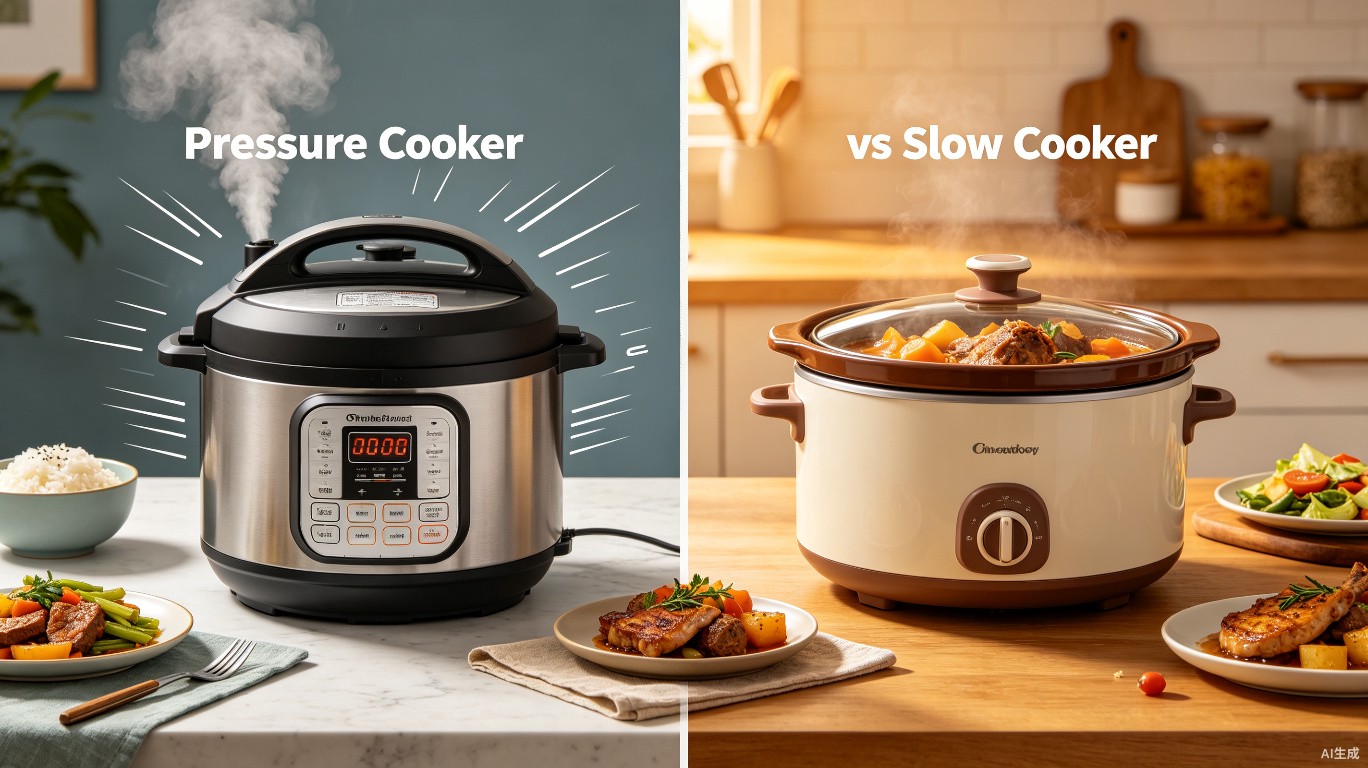
- Slow cooking: Low-temperature cooking over 4-10 hours, replicating a traditional slow cooker or Crock-Pot.
- Steaming: Uses pressurized steam to cook vegetables, seafood, and dumplings quickly while preserving nutrients.
- Saute/browning: Allows you to brown meat and saute vegetables directly in the pot before pressure cooking, eliminating the need for a separate pan.
- Yogurt making: Maintains a precise low temperature (around 110°F) for 8-12 hours to ferment milk into homemade yogurt.
- Rice cooking: Automatically adjusts time and temperature for perfect white or brown rice.
- Bread proofing: Maintains a warm, humid environment ideal for rising dough.
- Dehydrating: Low-temperature drying for making jerky, dried fruits, and herb preservation.
Pros of Multi-Cookers
- Extreme versatility: Replaces multiple appliances (pressure cooker, slow cooker, rice cooker, steamer, air fryer, yogurt maker) in a single unit.
- Space saving: Ideal for small kitchens where counter and storage space is at a premium.
- Cost effective: Buying one multi-cooker is typically cheaper than purchasing each appliance separately.
- All-in-one cooking: Some models allow you to saute, pressure cook, and then air fry crisp in the same pot, reducing cleanup and complexity.
Cons of Multi-Cookers
- Jack of all trades, master of none: The pressure cooking function may not be as powerful as a dedicated stovetop model, and the air frying function may not crisp as well as a dedicated air fryer.
- Complexity: More functions mean more buttons, settings, and potential confusion for some users.
- Bulkier design: Multi-cookers with air frying lids or additional accessories tend to be larger and heavier than standard electric pressure cookers.
- Higher price: Premium multi-cookers can cost $150-$300, significantly more than a basic electric pressure cooker.
Best For
Multi-cookers are ideal for home cooks who want maximum versatility from a single appliance, those looking to consolidate kitchen gadgets and free up counter space, families who want one device that can handle a wide variety of cooking tasks, and anyone who values the convenience of pressure cooking combined with air frying or slow cooking in the same unit.
Price range: $80 to $300+. Budget multi-cookers start around $80-$120, while premium models with air frying from Ninja, Instant Pot, and Cosori range from $130-$300.
Comparison Table: Stovetop vs Electric vs Multi-Cooker
Here is a side-by-side comparison of the three main types to help you see the differences at a glance:
| Feature | Stovetop | Electric | Multi-Cooker |
|---|---|---|---|
| Pressure (PSI) | Up to 15 PSI | 10-12 PSI | 10-13 PSI |
| Cooking Speed | Fastest | Fast | Fast |
| Convenience | Requires attention | Set-and-forget | Set-and-forget |
| Functions | Pressure cook only | Pressure + 5-8 presets | Pressure + air fry + slow cook + more |
| Durability | 20+ years | 5-8 years | 5-8 years |
| Canning | Yes | No | No |
| Max Capacity | 20+ quarts | 8 quarts | 8 quarts |
| Price Range | $40-$200 | $50-$150 | $80-$300 |
| Noise Level | Hissing/jiggling | Near silent | Near silent |
| Power Outage Use | Yes (gas stove) | No | No |
Which Type Should You Choose?
The right pressure cooker type depends on your cooking style, kitchen setup, and priorities. Here is a quick decision framework to help you choose:
- Choose a stovetop pressure cooker if: You value speed and precise control, you want to do home canning, you need a cooker that works during power outages, you prefer appliances that last decades, or you cook on a gas range and are comfortable monitoring heat levels.
- Choose an electric pressure cooker if: You want set-and-forget convenience, you are new to pressure cooking and prefer automated controls, you have limited kitchen space and want a self-contained unit, you prioritize safety features, or you want a quiet, low-maintenance cooking experience.
- Choose a multi-cooker if: You want to replace multiple appliances (slow cooker, air fryer, rice cooker) with a single device, you enjoy experimenting with different cooking methods, you have limited counter space and want maximum versatility, or you want the convenience of pressure cooking combined with air frying or slow cooking.
Our Recommendations by Category
Based on our extensive testing and research, here are our top picks in each category for 2026:
- Best stovetop overall: Fissler Vitavit Premium — exceptional build quality, three pressure settings, and a comprehensive accessory kit. Ideal for serious home cooks who want the best stovetop experience available.
- Best stovetop value: Presto 01784 23-Quart Induction Compatible — affordable, durable, and large enough for canning. A proven workhorse that has earned its place in thousands of kitchens.
- Best electric overall: Instant Pot Duo Evo Plus — 9-in-1 functionality, intuitive interface, excellent build quality, and the backing of the most popular pressure cooker brand in the world.
- Best electric value: COSORI 9-in-1 Electric Pressure Cooker — delivers 90 percent of the Instant Pot experience at 60 percent of the price. A smart choice for budget-conscious buyers.
- Best multi-cooker: Ninja Foodi 14-in-1 Smart XL — the air frying function is genuinely excellent (not an afterthought), and the pressure cooking performance is among the best in the electric category.
- Best multi-cooker value: Instant Pot Pro Crisp 11-in-1 — combines Instant Pot reliability with a functional air frying lid at a reasonable price point.
Ready to Find Your Perfect Pressure Cooker?
Now that you understand the differences between stovetop, electric, and multi-cooker options, it is time to find the right appliance for your kitchen. We have tested dozens of top models to help you choose with confidence.
See Our Best Pressure Cooker Reviews →