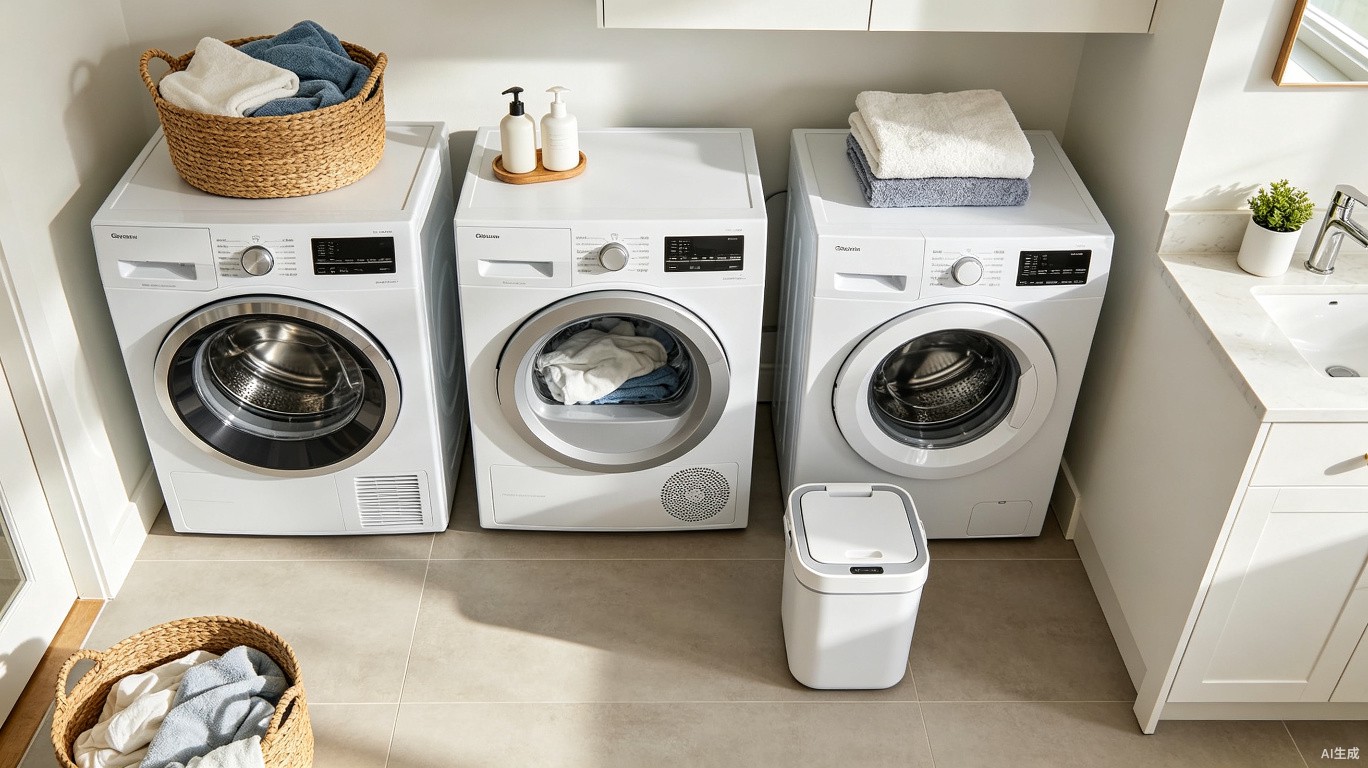
Standing in the laundry appliance aisle or browsing online can feel overwhelming when you are confronted with dozens of washing machine types, each with its own set of features, price points, and marketing claims. Top-load agitator or impeller? Front-load or combo unit? Compact portable or full-size smart washer? The choices seem endless, and making the wrong decision can mean years of frustration with an appliance that does not fit your space, your laundry habits, or your budget.
In this comprehensive guide, we break down every major type of washing machine available in 2026. We will explain how each type works, what it does well, where it falls short, and who it is best suited for. By the end, you will have a clear picture of which washing machine type matches your specific needs and lifestyle.
Top-Load Washing Machines: The Classic Design
Top-load washing machines are the most recognizable type, and for good reason: they have been the dominant design in North American homes for over a century. You load clothes from the top through a hinged lid, and the machine does the rest. But not all top-loaders are created equal. There are two fundamentally different subtypes, and understanding the distinction is critical.
Top-Load with Agitator
The traditional top-load washer features a tall, finned post called an agitator in the center of the drum. During the wash cycle, the agitator twists back and forth vigorously, creating turbulent water flow that forces clothes to rub against each other and against the agitator fins. This aggressive mechanical action is highly effective at removing heavy soil and stubborn stains.
Advantages: Agitator washers are typically the most affordable option, with reliable models starting around $350 to $500. They offer shorter cycle times (often 30 to 45 minutes for a normal load), which is convenient for busy households. You can easily add a forgotten item mid-cycle by simply lifting the lid. They are also familiar and easy to use — no bending or crouching required.
Disadvantages: The agitator takes up significant space inside the drum, reducing usable capacity. These machines use more water (typically 30 to 40 gallons per load) and more energy than front-loaders or high-efficiency top-loaders. The aggressive agitation can be rough on delicate fabrics, causing more wear and tear over time. Spin speeds are generally lower (600 to 800 RPM), meaning clothes come out wetter and take longer to dry.
Top-Load with Impeller (High-Efficiency)
The high-efficiency (HE) top-loader replaces the tall agitator with a low-profile impeller — a flat disc at the bottom of the drum that rotates to create a gentle current of water. Instead of aggressively twisting clothes, the impeller moves them in a circular pattern through the water, allowing clothes to rub against each other for cleaning. This design is gentler on fabrics while still providing effective cleaning for most loads.
Advantages: Without the central agitator taking up space, HE top-loaders offer larger usable capacities than their agitator counterparts — often 4.5 to 6.0 cubic feet. They use significantly less water (15 to 25 gallons per load) and less energy. The gentler wash action is easier on fabrics, extending the life of your garments. Many models offer higher spin speeds (800 to 1,100 RPM) for better water extraction.
Disadvantages: HE top-loaders are more expensive than agitator models, typically starting around $500 to $700 and reaching $1,200 or more for premium units. Cycle times are longer (45 to 75 minutes for a normal load). Some users report that HE top-loaders do not clean heavily soiled items as effectively as agitator models. They also require high-efficiency (HE) detergent, which is formulated to produce fewer suds.
Front-Load Washing Machines: The Efficiency Champion
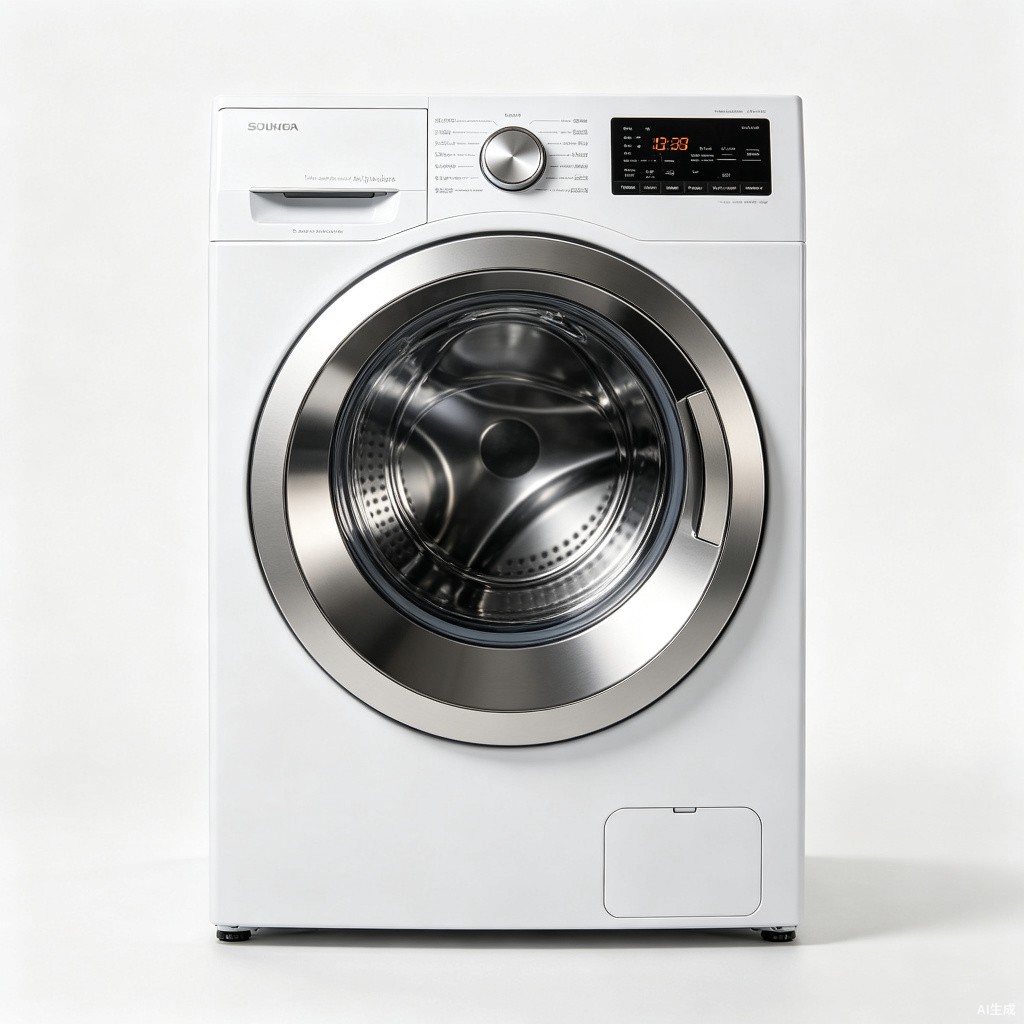
Front-load washing machines load from the front through a sealed, typically circular door. Instead of an agitator or impeller, they use a tumbling action: the drum rotates and internal baffles lift clothes to the top of the drum, then gravity pulls them back down through the pool of water and detergent at the bottom. This repeated lifting and dropping action is remarkably effective at cleaning while being gentle on fabrics.
Advantages: Front-loaders are the gold standard for cleaning performance, energy efficiency, and water savings. They use the least amount of water of any washer type (typically 10 to 20 gallons per load) because they do not need to fill the drum — clothes are cleaned as they tumble through a relatively small amount of water. Spin speeds are the highest among residential washers (1,000 to 1,600 RPM), which means clothes come out significantly drier and dry faster. They are gentler on fabrics than agitator top-loaders, can handle larger loads due to the absence of a central post, and many models can be stacked with a matching dryer to save floor space. Front-loaders also tend to produce less vibration and noise during operation.
Disadvantages: Front-loaders carry a higher upfront cost, with quality models starting around $600 to $800 and premium units exceeding $1,500 to $2,000. Cycle times are the longest of any type (60 to 120 minutes for a normal load). Loading and unloading requires bending down, which can be uncomfortable for people with back or mobility issues (though installing the machine on a raised pedestal solves this at added cost). The door seal can develop mold and mildew if not properly maintained — leaving the door ajar between uses and wiping the gasket periodically is essential. You generally cannot add items mid-cycle once the machine has locked the door and filled with water, though some newer models offer a small "add-a-garment" door for this purpose.
For most households, the superior cleaning performance, water and energy savings, and gentler fabric care of a front-loader justify the higher initial investment. Over the typical 10- to 15-year lifespan of a washing machine, the utility savings alone can offset a significant portion of the price difference.
Compact and Portable Washing Machines
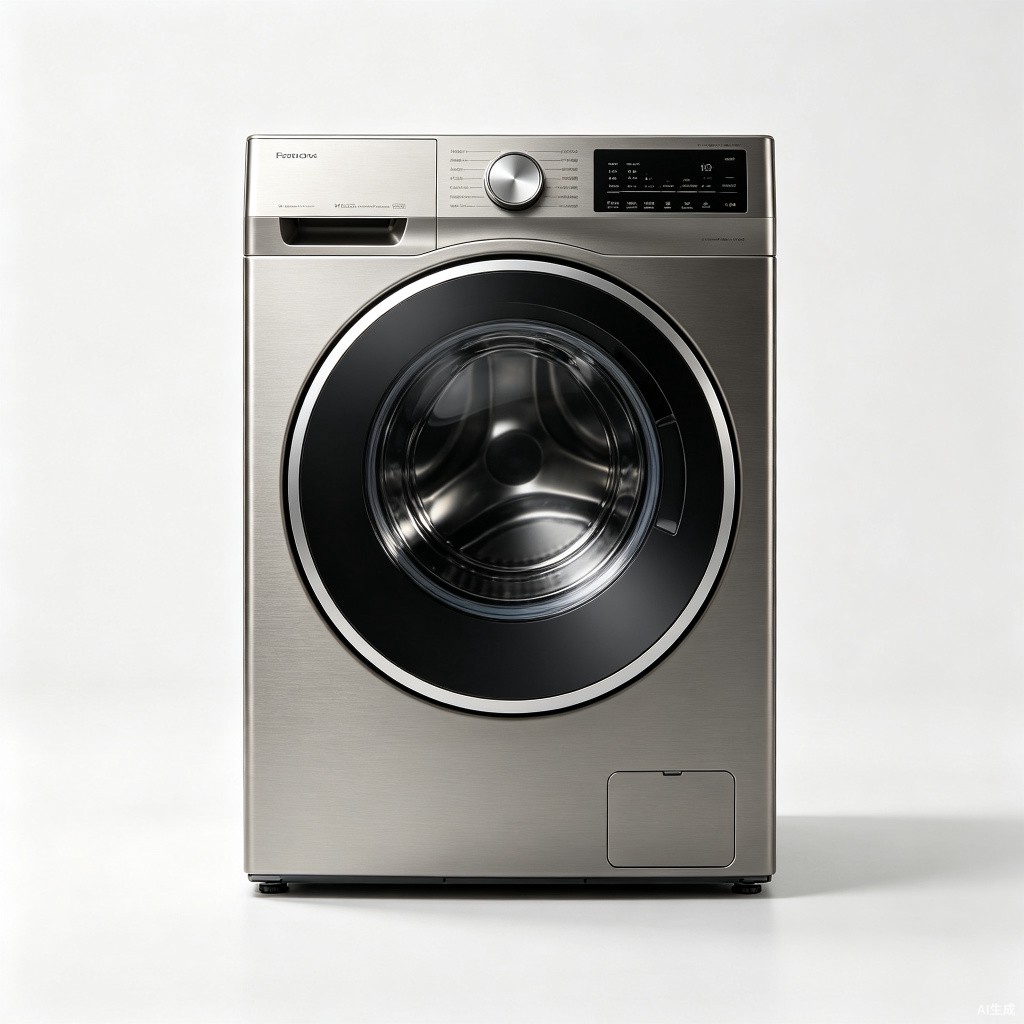
Not everyone has the space or plumbing for a full-size washing machine. Compact and portable washers are designed for apartments, studios, RVs, boats, tiny homes, and dorm rooms where space is at a premium and traditional laundry hookups may not be available.
Compact washers are smaller versions of standard machines, typically measuring 24 inches wide (compared to the standard 27 inches) with capacities of 2.0 to 3.0 cubic feet. They can be front-load or top-load designs and often can be stacked with a compact dryer. Many compact washers are ENERGY STAR certified and offer surprisingly good cleaning performance for their size. They typically require standard water hookups but may operate on 120-volt circuits instead of the 240-volt circuits needed by some full-size models.
Portable washers take compactness to the extreme. These lightweight machines (often under 30 pounds) connect directly to a standard kitchen or bathroom faucet using an adapter. Capacities range from 0.8 to 2.0 cubic feet, enough for a few outfits at a time. Some portable washers are twin-tub designs with a separate wash tub and spin-dry tub, while others are single-tub models that wash and spin in the same container. They are ideal for people who do not have any laundry connections at all and need a solution that can be stored in a closet when not in use.
Who should consider compact or portable washers? Renters in apartments without in-unit laundry, tiny home owners, RV and boat enthusiasts, college students in dorms, and anyone with very limited space. The trade-off is smaller capacity (meaning more loads for larger households) and, in the case of portable models, more manual setup and intervention.
Washer-Dryer Combos: All-in-One Convenience
A washer-dryer combo (also called an all-in-one washer dryer or laundry center) is a single machine that can both wash and dry clothes in the same drum. You load dirty clothes, select a wash-to-dry cycle, and hours later, your clothes come out clean and dry. No transferring wet laundry from washer to dryer. No need for separate hookups or floor space for two machines.
Advantages: The space savings are the primary draw. A single combo unit takes up roughly the same floor space as a single washer, making it ideal for closets, small apartments, and homes where running separate venting for a dryer is impractical. Most combo units are ventless, using a condensation drying system that does not require an external vent, which dramatically simplifies installation. You also save time and effort by never having to transfer laundry between machines.
Disadvantages: The drying capacity is typically about half the washing capacity. If you wash a full load (say, 4.0 cu. ft.), you can only dry about 2.0 cu. ft. of it, meaning you need to remove some clothes before the drying phase begins or run two drying cycles. Total wash-and-dry cycle times are very long — often three to five hours for a complete cycle. Drying performance is generally not as good as a dedicated dryer, and clothes may come out slightly damper than they would from a vented dryer. Combo units are also more expensive than a basic washer alone, typically starting around $1,000 to $1,500 and reaching $2,500 or more for premium models. Repairs can be more complicated since both laundry functions share the same mechanical systems.
Smart Washers with WiFi Connectivity
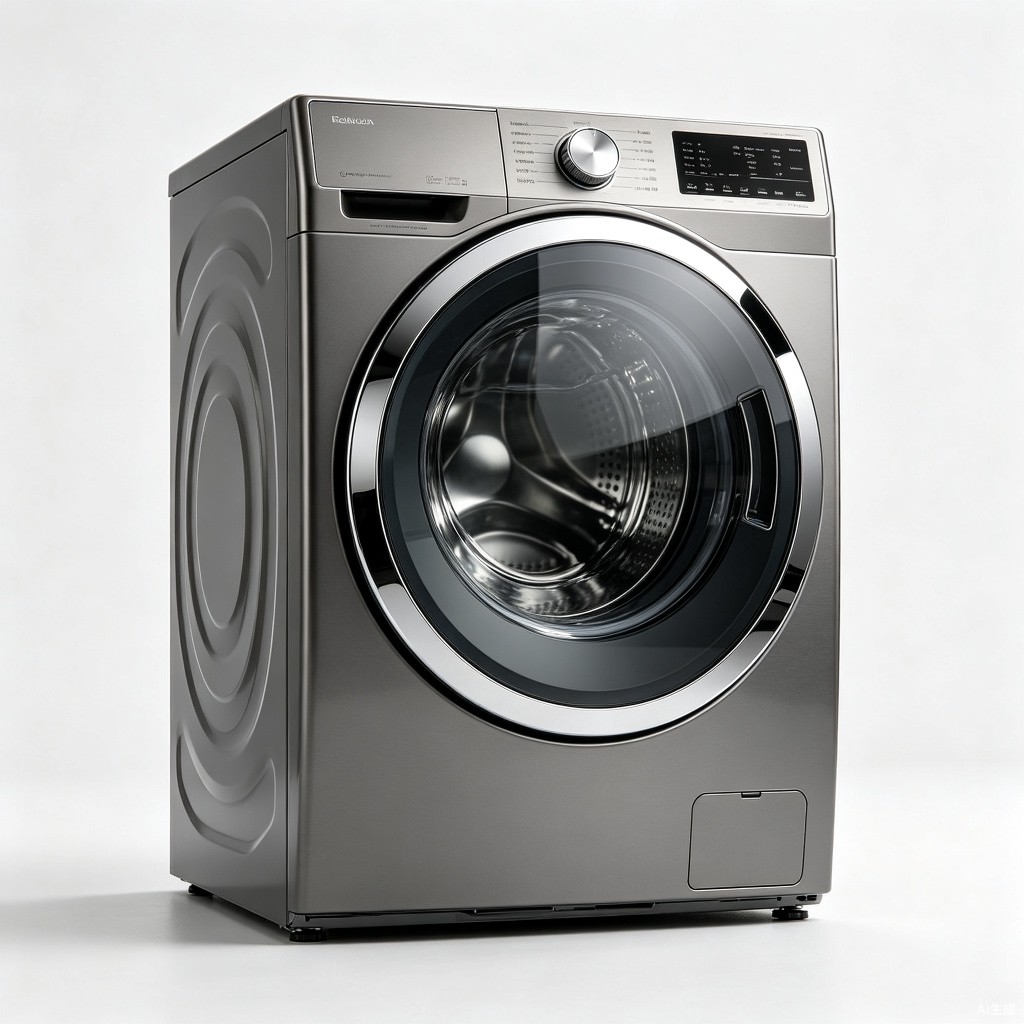
The newest category in the washing machine landscape is the smart washer. These machines feature built-in WiFi connectivity that allows you to control and monitor your laundry from a smartphone app. While smart washers can be found in both top-load and front-load configurations, the "smart" designation refers to the connectivity and software features rather than the mechanical design.
What can a smart washer do? At the most basic level, you can start and stop cycles remotely, check the status of a load in progress, and receive push notifications when a cycle is complete. More advanced features include downloading custom wash cycles from the manufacturer, running diagnostic tests to identify problems before they become serious repairs, receiving maintenance reminders, and integrating with smart home ecosystems like Samsung SmartThings, LG ThinQ, or GE SmartHQ. Some models work with voice assistants like Amazon Alexa and Google Assistant, allowing you to check laundry status or start a cycle using voice commands.
Are smart washers worth it? For most households, the core washing performance of a machine has nothing to do with its connectivity. A non-smart front-loader will clean your clothes just as well as a smart one. However, the convenience of remote monitoring and notifications can be genuinely useful if you tend to forget about loads or want to time your laundry around your schedule. Smart diagnostics can also catch small problems early, potentially extending the machine's lifespan. The premium for smart features is typically $100 to $300 over a comparable non-smart model.
Comparison Table: Which Type Is Right for You?
To make your decision easier, here is a side-by-side comparison of the main washing machine types across the factors that matter most.
| Feature | Top-Load (Agitator) | Top-Load (Impeller) | Front-Load | Compact/Portable | Combo Unit |
|---|---|---|---|---|---|
| Price Range | $350–$800 | $500–$1,200 | $600–$2,000 | $150–$700 | $1,000–$2,500 |
| Water per Load | 30–40 gal | 15–25 gal | 10–20 gal | 5–15 gal | 10–20 gal |
| Cycle Time (Normal) | 30–45 min | 45–75 min | 60–120 min | 30–60 min | 180–300 min |
| Spin Speed (RPM) | 600–800 | 800–1,100 | 1,000–1,600 | 600–1,000 | 800–1,200 |
| Capacity | 3.5–5.0 cu ft | 4.0–6.2 cu ft | 4.0–5.8 cu ft | 0.8–3.0 cu ft | 2.0–4.5 cu ft |
| Cleaning Performance | Good | Very Good | Excellent | Fair–Good | Good |
| Energy Efficiency | Low | Medium | High | Medium | Medium |
| Best For | Budget buyers, heavy soil | Families, large loads | Efficiency, gentle care | Small spaces, renters | Tiny homes, no hookups |
Our Recommendations by Household Type
For families with children: A front-load washer or a high-efficiency top-load impeller model with a capacity of at least 4.5 cubic feet. Families generate a lot of laundry, and the larger capacity and superior cleaning performance will serve you well. If space allows, pair it with a matching dryer.
For couples and small households: A standard front-loader in the 4.0 to 4.5 cubic feet range offers an excellent balance of performance and value. If budget is a concern, a high-efficiency top-loader is a solid alternative.
For apartment dwellers and renters: A compact front-load washer (24-inch width) that can be stacked with a compact dryer is the ideal solution. If laundry hookups are not available, a portable washer connected to the kitchen faucet is a viable workaround.
For tiny homes and RVs: A washer-dryer combo unit eliminates the need for separate machines and external venting. Alternatively, a compact portable washer paired with a drying rack offers the most flexibility in extremely tight spaces.
For budget-conscious buyers: A top-load agitator washer in the $350 to $500 range provides reliable cleaning at the lowest upfront cost. Just be aware that you will pay more in water and energy costs over time compared to higher-efficiency models.
Ready to Compare Specific Models?
Now that you understand the differences between washing machine types, check out our hands-on reviews to find the best model in your preferred category.
See Our Best Washer Reviews →