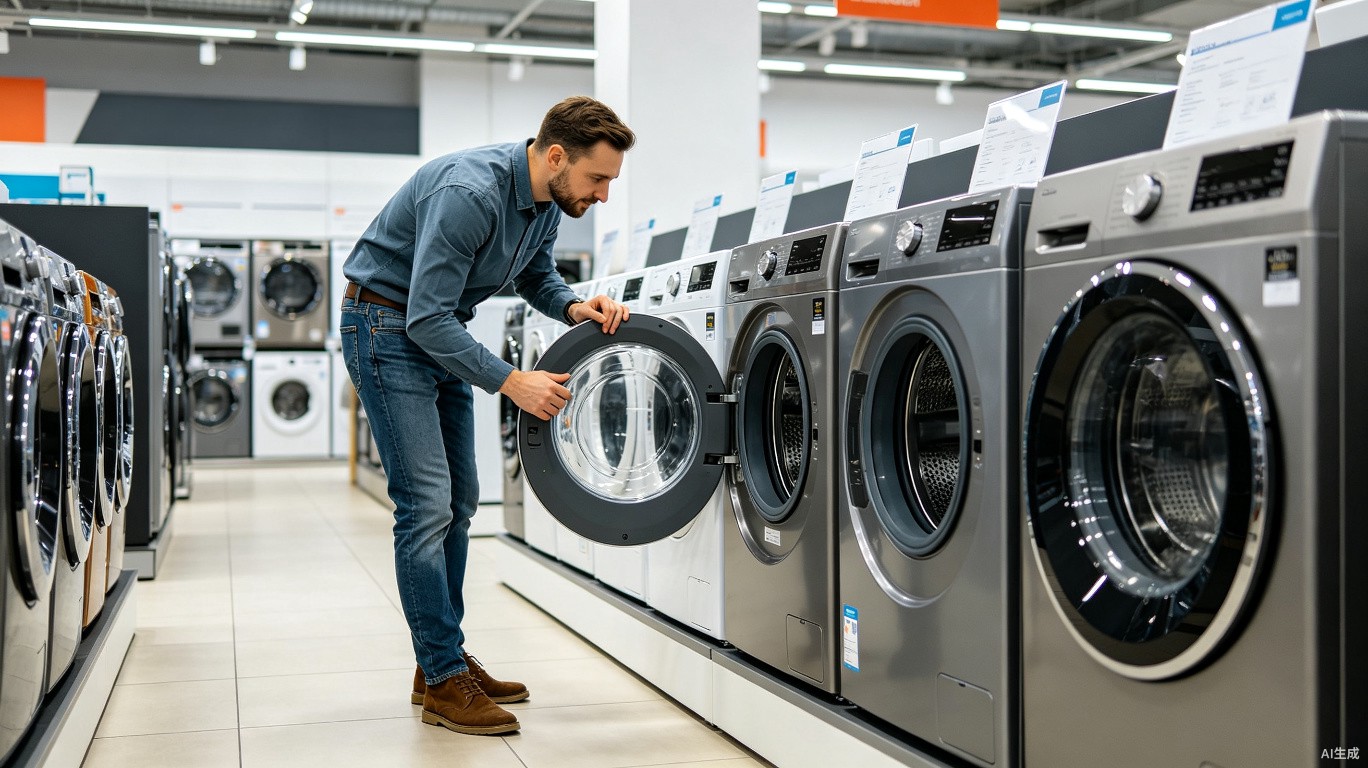
Buying a washing machine is one of those purchases that most households make only once every 10 to 15 years, which means you probably have very little experience with the process. Walk into an appliance store or browse online, and you will be confronted with hundreds of models spanning a dizzying range of prices, features, capacities, and technologies. Salespeople may throw around terms like "impeller," "IMEF rating," and "direct-drive motor" without much explanation. It is enough to make anyone feel overwhelmed.
This buying guide is designed to cut through the confusion. We will walk you through every decision point in the washing machine buying process, from determining your needs and choosing the right capacity to understanding energy efficiency ratings, evaluating noise levels, and separating must-have features from marketing fluff. By the time you finish reading, you will know exactly what to look for and what you can safely ignore, and you will be ready to make a confident, well-informed purchase.
Step 1: Determine Your Needs
Before you look at a single washing machine specification, take a few minutes to honestly assess your household's laundry needs. The answers to these questions will guide every subsequent decision.
How Many People Are in Your Household?
Household size is the single biggest factor in determining the capacity and type of washing machine you need. A single person or couple generates roughly 5 to 10 pounds of laundry per week (about 2 to 4 loads), while a family of four to five generates 15 to 25 pounds per week (5 to 8 loads). Families with six or more members can easily exceed 30 pounds per week. More laundry means you need a larger capacity machine to minimize the number of loads, and it may also justify investing in a higher-quality model that can withstand heavy daily use.
How Much Space Do You Have?
Measure your laundry area before you start shopping. The three dimensions that matter are width, depth, and height. Standard full-size washers are 27 inches wide, but compact models are 24 inches wide. Depth typically ranges from 28 to 34 inches, and you need to add at least 4 to 6 inches behind the machine for water hoses and the dryer vent (if applicable). Height matters if you plan to stack a dryer on top, which requires a front-load washer and a stacking kit. Also consider the path the delivery team will take from the door to the installation spot — narrow hallways and tight doorways can make it impossible to deliver a full-size machine to certain locations.
What Is Your Budget?
Washing machines range from approximately $300 for a basic top-load agitator to $2,500 or more for a premium smart front-loader. Your budget will narrow the field significantly. However, remember that a washing machine is a long-term investment: the average lifespan is 10 to 13 years, which means even a $200 price difference amortizes to less than $2 per year. Do not let a modest upfront savings tempt you into a machine that will frustrate you with poor performance or inadequate capacity for the next decade.
Step 2: Understand Capacity (Cubic Feet Explained)
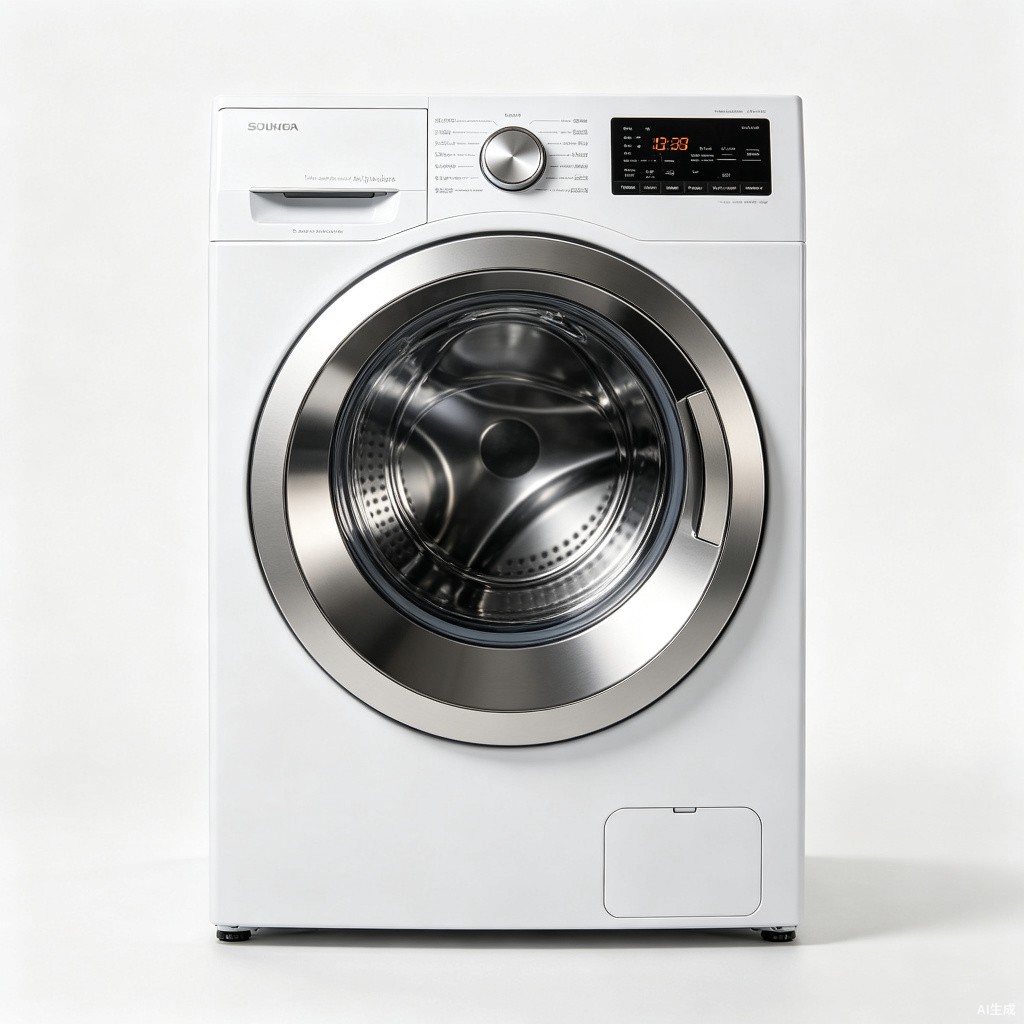
Washing machine capacity is measured in cubic feet (cu. ft.), which represents the volume of the drum's interior. A higher number means you can fit more laundry in a single load. But what do these numbers mean in practical terms?
- 1.5 to 2.5 cu. ft. (compact/portable): Handles 5 to 8 pounds of laundry. Suitable for individuals, couples, or as a secondary machine for delicates and small loads. Ideal for apartments, dorm rooms, and RVs.
- 3.0 to 3.5 cu. ft. (standard compact): Handles 8 to 12 pounds. Enough for a couple or small family doing 3 to 4 loads per week. This is the minimum capacity we recommend for a primary household washer.
- 4.0 to 4.5 cu. ft. (standard full-size): Handles 12 to 16 pounds. The sweet spot for most families of three to four. Can accommodate a queen-size comforter and handles daily laundry needs comfortably.
- 5.0 to 5.5 cu. ft. (large capacity): Handles 16 to 20 pounds. Ideal for families of five or more, or anyone who regularly washes bulky items like king-size comforters, heavy blankets, or large loads of towels.
- 5.8 to 6.2+ cu. ft. (extra-large capacity): Handles 20+ pounds. The largest residential washers available. Designed for very large families, households that do frequent bulky loads, or anyone who wants to minimize the number of loads per week at all costs.
A word of caution: Bigger is not always better. A machine that is too large for your typical loads will waste water and energy, and front-load washers in particular need to be at least partially full to tumble clothes effectively. If you are a single person doing small loads, a 4.0 to 4.5 cu. ft. machine is more than sufficient. Save the 5.5+ cu. ft. models for households that genuinely need the space.
Step 3: Energy Efficiency (ENERGY STAR Ratings Explained)
Energy efficiency matters for two reasons: it reduces your environmental impact, and it saves you money on utility bills over the life of the machine. In the United States, the ENERGY STAR program, administered by the Environmental Protection Agency (EPA), certifies washing machines that meet strict efficiency criteria.
To earn the ENERGY STAR label, a washing machine must use approximately 25 percent less energy and 35 percent less water than a standard (non-certified) model. The yellow EnergyGuide label required on all new washers provides two key metrics:
- Integrated Modified Energy Factor (IMEF): This measures how efficiently the washer uses energy across all modes (washing, spinning, and standby). Higher numbers are better. A good ENERGY STAR washer has an IMEF of 2.0 or higher; top models exceed 3.0.
- Integrated Water Factor (IWF): This measures water consumption in gallons per cubic foot of capacity per cycle. Lower numbers are better. A good ENERGY STAR washer has an IWF of 3.5 or lower; top models achieve 2.5 or below.
The EnergyGuide label also estimates the machine's annual operating cost based on national average utility rates. Compare this number between models to understand the real-world cost difference. A highly efficient front-loader might cost $40 to $60 per year to operate, while a less efficient top-load agitator could cost $80 to $120 per year. Over 10 years, that is a difference of $400 to $600 — enough to offset a significant portion of the upfront price premium of a more efficient model.
Step 4: Consider Noise Levels
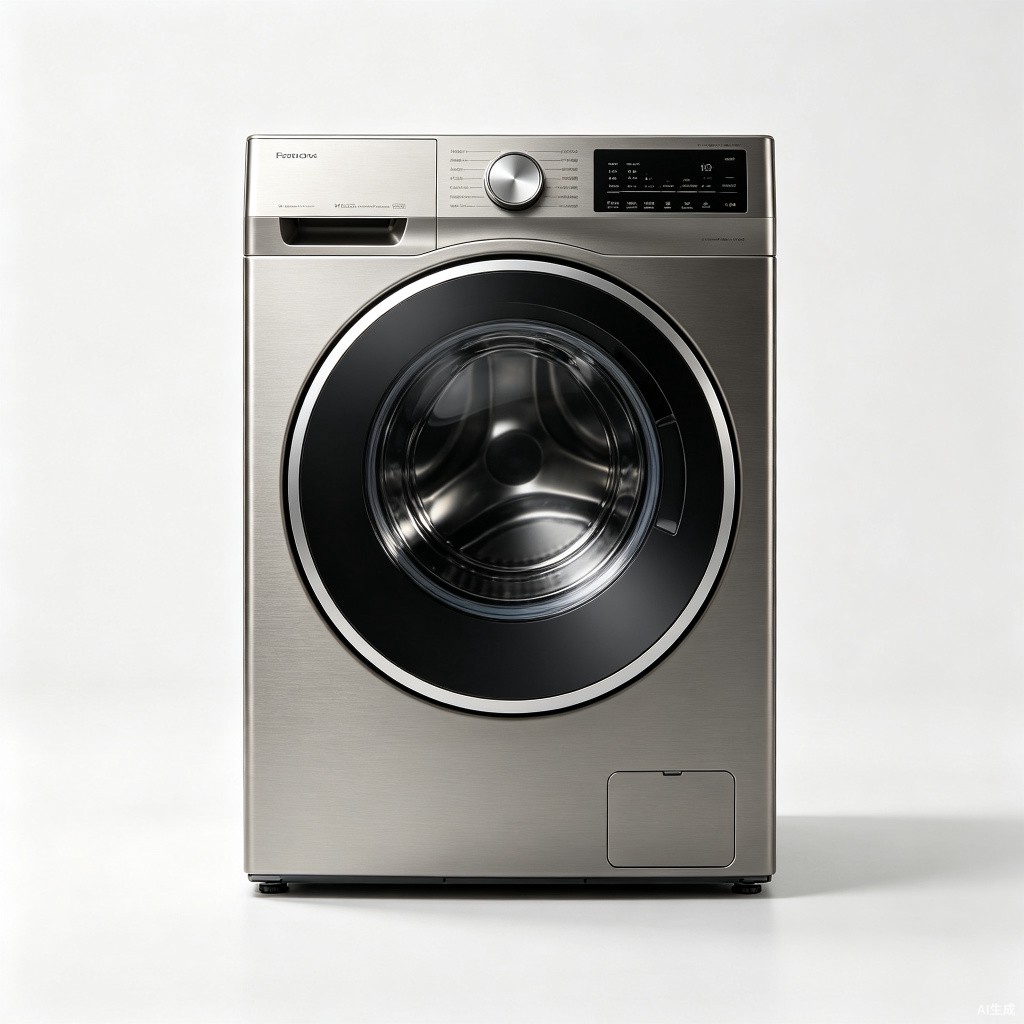
If your laundry area is near living spaces, bedrooms, or in an open-plan home, noise level is an important consideration that many buyers overlook until after installation. A loud washing machine can be disruptive during the day and intolerable at night.
Washing machine noise comes from two sources: the motor during agitation and spinning, and vibration during the high-speed spin cycle. Noise is measured in decibels (dB), with typical residential washers ranging from about 45 dB (whisper-quiet) to 65 dB (loud conversation) during washing, and 50 dB to 75 dB during spinning.
- Under 50 dB (wash) / under 65 dB (spin): Very quiet. Suitable for laundry closets adjacent to bedrooms or open-plan living areas. Typically found on premium front-load models with direct-drive motors and advanced vibration reduction.
- 50 to 55 dB (wash) / 65 to 72 dB (spin): Moderate noise. Acceptable for most homes when the laundry area is in a separate room, utility closet, or basement. This is the range for most mid-range washers.
- Above 55 dB (wash) / above 72 dB (spin): Noticeably loud. May be disruptive if the laundry area is near living or sleeping spaces. Common in budget top-load models with traditional belt-drive motors.
Motor type matters: Direct-drive motors (used in many LG and some Samsung front-loaders) eliminate the belt and pulley system, resulting in fewer moving parts, less vibration, and quieter operation. Inverter motors (found in many mid-range and premium models) adjust their speed based on the load, which also reduces noise compared to traditional single-speed motors. If noise is a priority, look for models that specifically advertise low decibel ratings and read user reviews for real-world noise feedback.
Step 5: Must-Have Features vs. Nice-to-Have
Modern washing machines are packed with features, and it can be hard to tell which ones are genuinely useful and which are marketing gimmicks. Here is our honest assessment.
Must-Have Features
- Multiple wash cycles (at least 6–8): Normal, heavy-duty, delicate, quick wash, bulky items, and rinse-and-spin are the essentials. These cover the vast majority of laundry scenarios you will encounter.
- Temperature selection (hot, warm, cold): The ability to choose water temperature for each cycle is essential for proper fabric care and stain removal.
- Soil level selection: Allows you to adjust the wash intensity based on how dirty the clothes are, preventing unnecessary wear on lightly soiled items.
- Delayed start: Lets you set the machine to begin a cycle at a specific time, useful for taking advantage of off-peak electricity rates or having laundry ready when you get home.
- Stainless steel drum: More durable, smoother (gentler on clothes), and more resistant to odors than plastic or porcelain drums. This should be considered a baseline requirement in 2026.
Worth Paying For (on Mid-Range and Premium Models)
- Steam cycle: Genuinely useful for allergen reduction, wrinkle relaxation, and odor elimination. Worth the premium if anyone in your household has allergies.
- Sanitize cycle: Uses extra-hot water (150°F+) to kill bacteria. Important for households with infants, elderly members, or immunocompromised individuals.
- Automatic detergent dispensing: Measures and dispenses the correct amount of detergent for each load. Eliminates the common problem of over-dosing and ensures consistent cleaning performance.
- Load sensing: Automatically detects the weight and type of laundry, then adjusts water level and cycle parameters. Saves water and energy while improving cleaning results.
- Extra rinse option: Adds an additional rinse cycle to remove more detergent residue. Useful for people with sensitive skin or allergies.
Nice-to-Have (But Not Essential)
- WiFi connectivity and smart app control: Convenient for remote monitoring and notifications, but will not improve cleaning performance. The premium for smart features ($100–$300) is better spent on a higher-capacity or more efficient machine if your budget is tight.
- Interior drum light: Helpful for seeing small items in a front-loader's dark drum, but not a deal-breaker.
- Custom cycle programming: Allows you to save your preferred combination of settings. Useful if you have very specific laundry needs, but most people find the factory presets adequate.
- Color and finish options: Stainless steel, white, and black are standard. Some brands offer premium finishes like brushed black stainless or custom panel-ready designs. Choose based on aesthetics and kitchen decor, not performance.
Step 6: Budget Breakdown by Price Tier
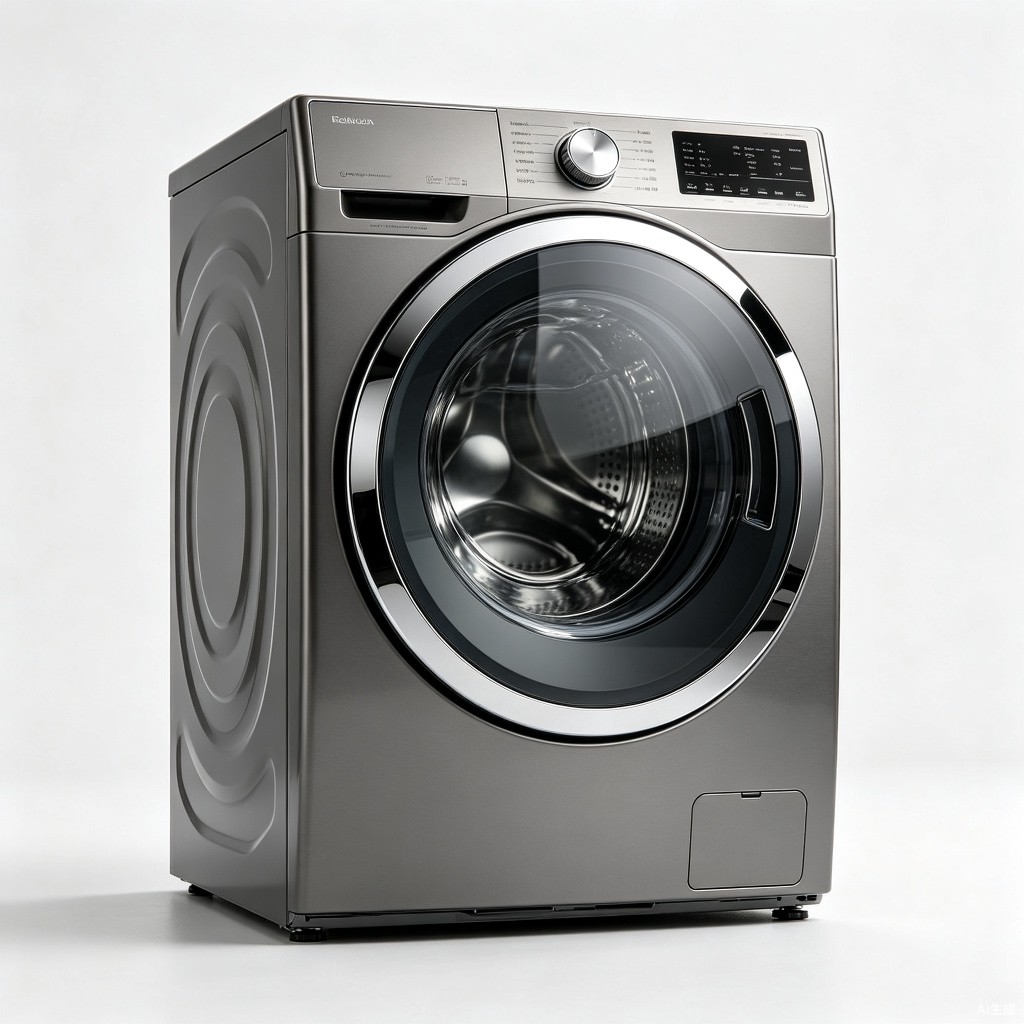
Here is what you can expect at each price point in the 2026 washing machine market. These ranges reflect typical street prices for major brands and may vary by retailer, region, and sales events.
Budget Tier: $300 to $550
In this range, you will find basic top-load agitator washers and entry-level top-load impeller (HE) models. These machines get the job done but lack the efficiency, capacity, and feature set of more expensive options. Expect capacities of 3.5 to 4.5 cu. ft., basic cycle options (4 to 6 cycles), plastic or porcelain drums on the cheapest models, and higher water and energy consumption. This tier is appropriate for budget-conscious buyers, landlords outfitting rental properties, or anyone who needs a functional washer without frills. Brands in this range include Amana, Hotpoint, and basic models from GE and Whirlpool.
Mid-Range Tier: $550 to $900
This is where the best value lives. You will find high-quality top-load HE washers and entry-level to mid-range front-load washers with capacities of 4.0 to 5.0 cu. ft., 8 to 14 wash cycles, stainless steel drums, ENERGY STAR certification, steam or sanitize options on some models, and load-sensing technology. Front-loaders in this range offer excellent cleaning performance and water efficiency. This tier is ideal for most families and represents the best balance of features, performance, and value. Key brands include LG, Samsung, Whirlpool, GE, and Maytag.
Premium Tier: $900 to $1,500
Premium washers offer larger capacities (5.0 to 5.8 cu. ft.), advanced features like automatic detergent dispensing, smart connectivity, enhanced steam cycles, ultra-quiet operation with direct-drive or inverter motors, and premium finishes. Build quality and warranty coverage are typically better. This tier is for households that want the best cleaning performance, the quietest operation, and the most convenient features. Brands include LG Signature, Samsung Bespoke, GE Profile, and Whirlpool Gold series.
Luxury Tier: $1,500 to $2,500+
At the top of the market, you will find European-engineered front-loaders (Miele, Bosch, Electrolux) and flagship models from premium lines. These machines offer exceptional build quality, industry-leading efficiency ratings, ultra-quiet operation (some under 45 dB during washing), specialized cycles for luxury fabrics, and design-forward aesthetics. This tier is for buyers who prioritize long-term durability, have specific performance requirements, or want appliances that match a high-end kitchen or laundry room design. The premium is significant, and the performance gains over the $900 to $1,200 range are incremental rather than dramatic.
Our Top Tips for Smart Shopping
- Read professional reviews, not just customer reviews. Professional reviewers test machines with standardized protocols, measuring cleaning performance, water extraction, noise, and energy use objectively. Customer reviews are useful for identifying reliability issues and long-term durability, but they are subjective and often reflect installation problems or user error rather than the machine's actual performance.
- Consider total cost of ownership, not just the purchase price. A $400 washer that costs $100 per year in utilities will cost more over 10 years than an $800 washer that costs $50 per year. Use the EnergyGuide label to compare annual operating costs.
- Buy during sales events. The best times to buy a washing machine are holiday weekends (Memorial Day, Labor Day, Fourth of July, Black Friday), end-of-quarter clearance events, and when new models are being introduced (typically fall). Discounts of 15 to 30 percent off retail price are common during these periods.
- Check warranty and service availability. A good warranty is at least one year for parts and labor, with 5 to 10 years on the motor and drum. More importantly, research whether authorized service technicians are available in your area for the brand you are considering. A great machine is not so great if the nearest repair person is a three-hour drive away.
- Measure twice, buy once. We cannot emphasize this enough. Measure your space, measure your doorways and hallways, and confirm that the machine you are buying will actually fit where you need it to go. There is nothing more frustrating than having a new washer delivered only to discover it will not fit through the door or into the alcove.
Ready to Find Your Perfect Washer?
Now that you know exactly what to look for, check out our hands-on reviews of the best washing machines of 2026 to see which models earned our top recommendations.
See Our Best Washer Reviews →