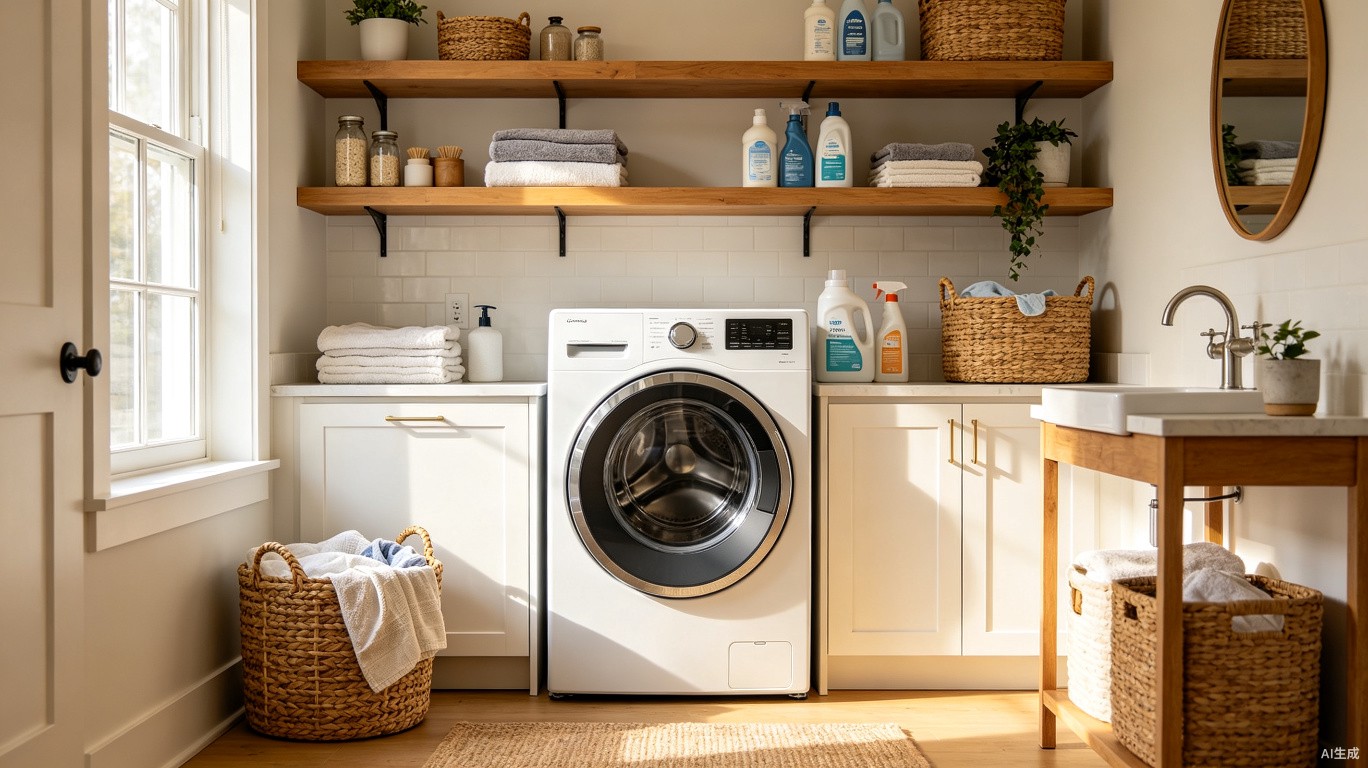
Walk into virtually any home, apartment, or dormitory in the developed world and you will find one appliance that has become absolutely indispensable: the washing machine. From compact portable units tucked into studio apartments to massive industrial-grade machines in laundromats, washing machines have earned their place as one of the most essential household appliances in modern life. According to the International Energy Agency, over 60 percent of households worldwide now own an automatic washing machine, a number that continues to climb every year.
But what exactly is a washing machine? How does it transform dirty, stained clothing into clean, fresh garments through a cycle of water, detergent, and mechanical action? And with so many different types, features, and price points available in 2026, where should a first-time buyer even begin? In this comprehensive guide, we will answer every question you might have about washing machines — from the fascinating history behind their invention to the cutting-edge smart technology powering today's models.
What Exactly Is a Washing Machine?
A washing machine (also called a clothes washer or simply a washer) is a home appliance designed to clean laundry automatically using water, detergent, and mechanical motion. Unlike hand-washing, which relies entirely on manual agitation and squeezing, a washing machine combines controlled water flow, precisely timed cycles, and engineered drum movements to remove dirt, stains, odors, and bacteria from fabrics with minimal human effort.
The core components of a washing machine include a drum (also called a tub or basket) where clothes are placed, a motor that drives the drum's motion, a water inlet system that controls hot and cold water flow, a drain pump that removes wastewater, and an electronic control board that manages the entire wash cycle. Modern machines add sensors, smart connectivity, and advanced features on top of this foundation.
The basic principle is straightforward: clothes are loaded into the drum, water and detergent are added automatically, the drum agitates or tumbles the laundry to loosen dirt and distribute cleaning agents, the dirty water is drained away, clean water rinses the garments, and finally a high-speed spin cycle extracts as much water as possible before the clothes are removed for drying. The entire process typically takes between 30 minutes and two hours depending on the cycle selected.
A Brief History of the Washing Machine
The desire to automate laundry is far older than most people realize. For thousands of years, humans cleaned their clothes by beating them against rocks, rubbing them with sand, or soaking them in streams and rivers. The ancient Romans even developed a form of soap made from animal fat and wood ash, though fulling (the Roman equivalent of laundry) was primarily done by trampling clothes with bare feet in large tubs of soapy water.
The first mechanical washing devices appeared in the 17th century. Early designs involved hand-cranked rotating drums and wooden boxes with paddles. However, these were labor-intensive and offered only marginal improvement over hand-washing. The real breakthrough came in 1782, when Henry Sidgier of Great Britain patented a rotating drum design that more closely resembled the modern washing machine concept.
The washboard, invented in 1797 by Nathaniel Briggs, became the dominant laundry tool for over a century. While it was certainly an improvement over beating clothes on rocks, it was still backbreaking work. The next major leap came in 1908, when Alva J. Fisher patented the first electric washing machine, known as "The Thor." This machine combined a wooden tub with a metal agitator powered by an electric motor, fundamentally changing how households approached laundry day.
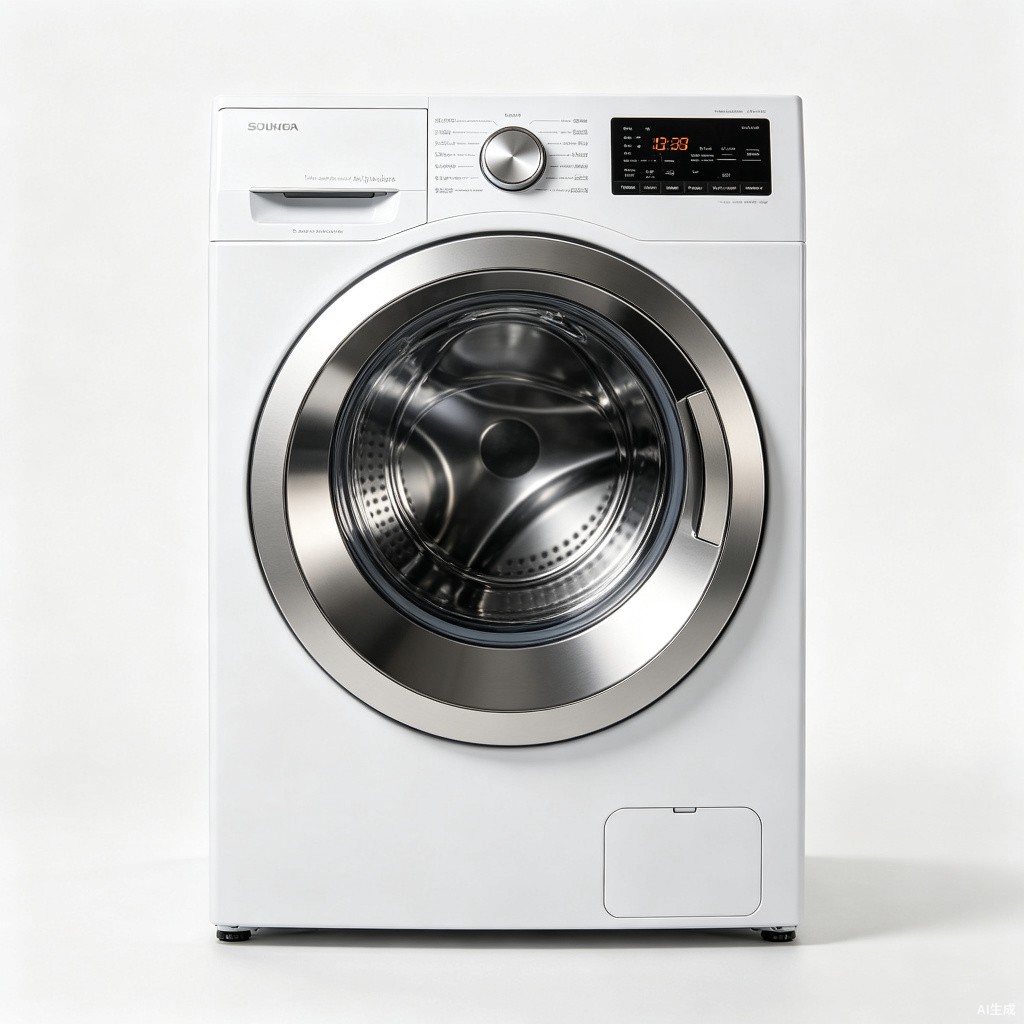
The decades that followed brought rapid innovation. By the 1930s, automatic washing machines with electric wringers were becoming common in American homes. The 1950s introduced fully automatic machines that could fill, wash, rinse, and spin without any manual intervention. The 1990s and 2000s brought digital controls, energy-efficient designs, and the first front-load machines that rivaled top-loaders in popularity. Today, in 2026, washing machines feature artificial intelligence, WiFi connectivity, steam cleaning, allergen removal cycles, and load-sensing technology that automatically adjusts water levels and cycle times.
How Does a Washing Machine Work?
Despite their apparent complexity, washing machines operate on principles that are surprisingly easy to understand. Whether you have a traditional top-loader or a modern front-loader, the fundamental process involves three key phases: washing, rinsing, and spinning. Here is a detailed breakdown of how each phase works.
The Wash Phase: Agitation and Tumbling
During the wash phase, the machine fills with water and detergent, then uses mechanical motion to work the soapy water through the fabric fibers. The type of motion depends on the machine design. Top-load washers with an agitator use a central post that twists back and forth, creating turbulent water flow that rubs clothes against each other and the agitator to dislodge dirt. Top-load impeller washers use a low-profile disc at the bottom of the tub that spins and creates a gentle current, moving clothes through the water in a circular pattern. Front-load washers use a tumbling action: the drum rotates and internal fins or baffles lift clothes to the top of the drum, then let them fall back down through the water, mimicking the action of hand-washing by repeatedly plunging garments into the soapy solution.
The Rinse Phase
Once the wash cycle is complete, the dirty water is pumped out through the drain hose. Fresh clean water fills the drum, and the agitation or tumbling action repeats to flush out any remaining detergent and suspended dirt from the fabrics. Most machines perform one or two rinse cycles. High-efficiency models may use a deep fill rinse or a spray rinse, depending on the selected cycle. Some machines offer an extra rinse option for those with sensitive skin or allergies who want to ensure all detergent residue is removed.
The Spin Cycle
The final phase is the spin cycle, and it is arguably the most important for practical reasons. The drum spins at high speed — typically between 800 and 1,400 RPM (revolutions per minute) for residential machines, with some premium models reaching up to 1,600 RPM. The centrifugal force generated pushes water out of the fabric and through the small holes in the drum, where it is collected and drained away. The faster the spin speed, the more water is extracted, which means shorter drying times and less energy consumed by your dryer. A front-load washer spinning at 1,200 RPM can extract significantly more water than a top-loader spinning at 800 RPM, which is one reason front-loaders are generally paired with more efficient drying.
Types of Washing Machines
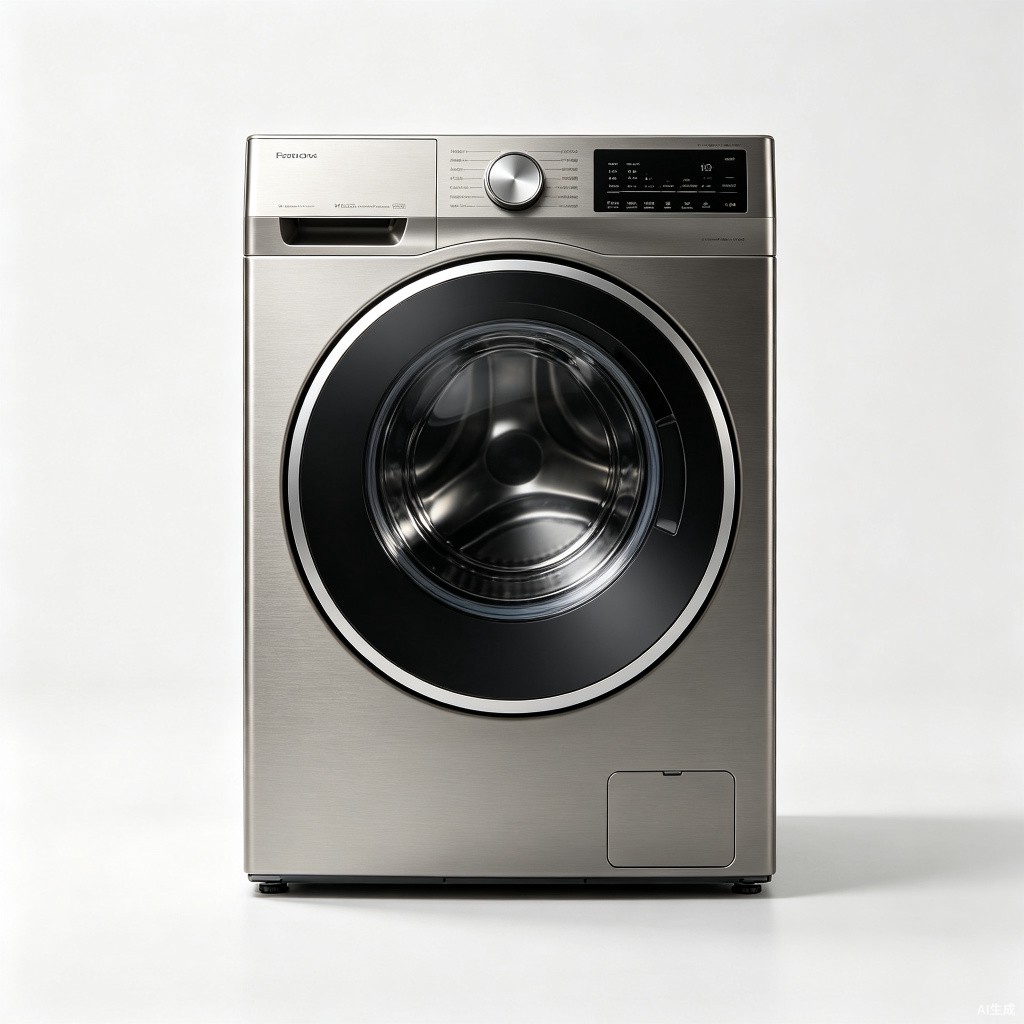
The washing machine market in 2026 offers a wide range of types and configurations, each designed to meet different needs, spaces, and budgets. Understanding the fundamental differences between these types is essential for making an informed purchase decision.
- Top-load washers (agitator): The traditional design most people grew up with. Features a central agitator post that twists back and forth to clean clothes. Generally less expensive, faster cycle times, and you can add clothes mid-cycle. However, they use more water and energy, can be rougher on fabrics, and typically have lower spin speeds than front-loaders.
- Top-load washers (impeller/high-efficiency): A modern evolution of the top-loader that replaces the tall agitator with a low-profile impeller disc. Uses less water and is gentler on clothes, while still offering the convenience of top-loading. These machines often have larger capacities than agitator models because there is no central post taking up space.
- Front-load washers: These machines load from the front through a sealed door and use a tumbling action for cleaning. They are significantly more water-efficient and energy-efficient than top-loaders, extract more water during the spin cycle (reducing drying time), and are generally gentler on fabrics. The main drawbacks are higher upfront cost, longer cycle times, and the need to bend down to load and unload (though pedestal installations can solve this).
- Compact and portable washers: Designed for small spaces such as apartments, RVs, boats, and dorm rooms. These machines typically have capacities of 1.5 to 3.0 cubic feet and can often be connected to a standard faucet. Some are fully portable with wheels and lightweight construction. While they sacrifice capacity, modern compact washers can still deliver excellent cleaning performance for smaller loads.
- Washer-dryer combos: All-in-one units that wash and dry clothes in the same drum without needing to transfer laundry between machines. Ideal for very small spaces where hooking up separate washer and dryer units is impractical. The trade-off is that drying capacity is usually about half the washing capacity, and cycles take significantly longer than using separate units.
We explore every washer type in much greater detail — including pros, cons, price ranges, and ideal use cases — in our comprehensive types of washing machines guide.
Key Features and Specifications to Understand
When shopping for a washing machine, you will encounter a variety of technical specifications and feature names. Understanding what these mean will help you compare models effectively and avoid paying for features you will never use.
RPM (Revolutions Per Minute)
RPM refers to the maximum speed at which the drum spins during the spin cycle. Higher RPM means more water extraction, which translates to shorter drying times and lower energy bills. Most standard washers spin between 800 and 1,200 RPM. Premium front-load models can reach 1,400 to 1,600 RPM. As a general rule, if you plan to use a dryer, investing in a higher-RPM washer will save you money on drying costs over the life of the machine.
Capacity (Cubic Feet)
Washing machine capacity is measured in cubic feet (cu. ft.) and indicates how much laundry the drum can hold. Compact models range from 1.5 to 3.0 cu. ft., standard models from 3.5 to 5.0 cu. ft., and large-capacity models can exceed 6.0 cu. ft. As a rough guide, a 3.5 cu. ft. washer can handle about 8 to 12 pounds of laundry (roughly two days' worth for a family of four), while a 5.0 cu. ft. model can handle 16 to 20 pounds (enough for a family of five or six, including bulky items like comforters).
Wash Cycles and Options
Modern washing machines offer a wide array of wash cycles: normal, heavy-duty, delicate, quick wash, bulky items, sanitize, steam wash, allergen, and more. Each cycle adjusts the water temperature, agitation intensity, spin speed, and cycle duration to optimize cleaning for specific fabric types and soil levels. Higher-end models may offer 10 to 20 or more cycle options. Consider which cycles you will actually use rather than being impressed by a long list of options you will never select.
Sensors and Smart Technology
Many 2026 models feature load-sensing technology that automatically detects the weight and type of laundry in the drum, then adjusts water level, cycle duration, and agitation accordingly. This prevents overfilling, reduces water waste, and ensures optimal cleaning. Smart washers with WiFi connectivity allow you to start, monitor, and receive notifications about your laundry from your smartphone. Some models integrate with voice assistants like Amazon Alexa and Google Assistant, and can even download custom wash cycles or diagnose problems remotely.
Health and Hygiene Benefits
Beyond the obvious convenience of not having to hand-wash every load, modern washing machines offer significant health and hygiene advantages that are worth understanding.
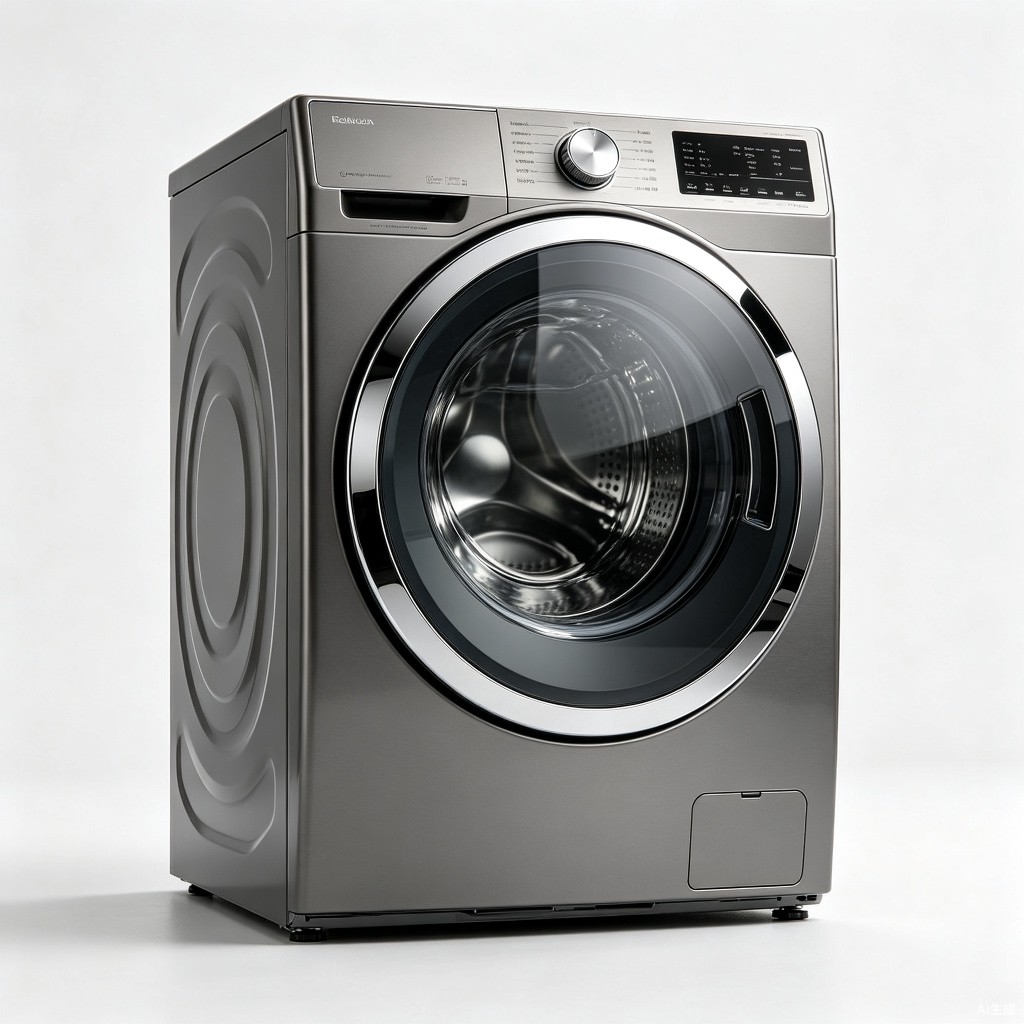
Sanitization cycles on modern machines use water heated to 150°F (65°C) or higher to kill 99.9 percent of common household bacteria, including E. coli, Staphylococcus aureus, and Salmonella. This is particularly important for households with infants, elderly family members, or anyone with a compromised immune system. The NSF International certification program tests and certifies washers that meet specific sanitization standards, so look for the NSF seal if hygiene is a priority.
Allergen removal is another area where modern washers excel. Dedicated allergen cycles use a combination of high-temperature water, extended wash times, and extra rinses to remove dust mites, pet dander, pollen, and other common allergens from fabrics. For allergy sufferers, this can make a dramatic difference in daily comfort.
Steam technology, available on many mid-range and premium models, introduces steam into the wash cycle to penetrate fabric fibers more deeply than water alone. Steam helps relax wrinkles, eliminate odors without heavy fragrances, and reduce allergens. It can also refresh garments between full washes, extending the time between laundry days for lightly worn items.
Automatic detergent dispensing systems, found on select high-end models, measure and dispense the exact amount of detergent needed for each load. This eliminates the common problem of using too much detergent, which can leave residue on clothes, cause skin irritation, and actually trap dirt in fabric fibers rather than removing it. Proper detergent dosing is one of the simplest ways to improve both cleaning performance and garment longevity.
Environmental Impact and Efficiency
The environmental footprint of your washing machine matters more than you might think. Laundry accounts for a significant portion of household water and energy consumption. According to the U.S. Environmental Protection Agency, the average household completes approximately 300 loads of laundry per year, using roughly 40 gallons of water per load with older machines. High-efficiency washers certified by the ENERGY STAR program use about 35 percent less water and 25 percent less energy than standard models, saving the average household nearly than 2,100 gallons of water annually.
When shopping for a washing machine, pay attention to the Integrated Modified Energy Factor (IMEF) and the Integrated Water Factor (IWF). Higher IMEF values indicate better energy efficiency, while lower IWF values indicate better water efficiency. The yellow EnergyGuide label required on all new washers in the United States makes it easy to compare estimated annual operating costs between models.
Cold-water washing has become increasingly viable thanks to improved detergent formulations and washer technology. Many modern machines offer dedicated cold-water cycles that clean just as effectively as warm-water cycles for normally soiled loads, while using up to 90 percent less energy (since heating water accounts for the majority of a wash cycle's energy consumption). If you are looking to reduce your environmental impact, a high-efficiency front-loader paired with cold-water detergent is one of the most effective steps you can take.
Ready to Find Your Perfect Washing Machine?
Now that you understand what a washing machine is, how it works, and what features matter most, it is time to find the right appliance for your home. We have tested dozens of top models to help you choose with confidence.
See Our Best Washer Reviews →