Table of Contents
A food processor is one of those kitchen appliances that quietly transforms the way you cook. Once it earns a spot on your countertop, you will wonder how you ever managed without it. While most people buy a food processor for its chopping and slicing convenience, its true potential goes far beyond basic prep work. From silky-smooth hummus to flaky pie crust, from perfectly shredded coleslaw to homemade nut butter, a food processor can handle an impressive range of everyday recipes that would otherwise require significant time and effort.
In this collection, we have gathered 20 of the best food processor recipes organized into four practical categories. Whether you are a beginner who just unboxed your first mini chopper or an experienced home cook with a full-size 14-cup machine, these recipes will help you get more value from your appliance. Each recipe is designed for everyday cooking, using ingredients you likely already have on hand. Let us dive in.
Why Cook with a Food Processor?
Before we get to the recipes, it is worth understanding why a food processor excels at these tasks. The key advantage is consistency and speed. When you make hummus by hand, mashing chickpeas with a fork, the result is chunky and uneven. A food processor transforms the same ingredients into a luxuriously smooth dip in under two minutes. When you need to shred three cups of carrots for coleslaw, a knife and cutting board will take you ten minutes and produce uneven results. The shredding disc on a food processor accomplishes the same task in about thirty seconds with perfectly uniform strands.
Another major benefit is versatility. A single food processor can replace several single-purpose tools. Instead of buying a dedicated pesto mortar, a pastry blender, a mandoline slicer, and a nut mill, you can accomplish all of those tasks with one machine and a set of interchangeable blades. This saves money, reduces clutter, and simplifies cleanup.
Finally, food processor recipes often produce better results than their manual counterparts. The blade spins at thousands of revolutions per minute, creating emulsions that are impossible to achieve by hand. Pie crust made in a food processor stays tender and flaky because the machine cuts butter into flour quickly, before the warmth of your hands can melt the fat. These advantages add up to meals that taste better and come together faster.
Dips & Spreads: Hummus, Pesto, Salsa and More
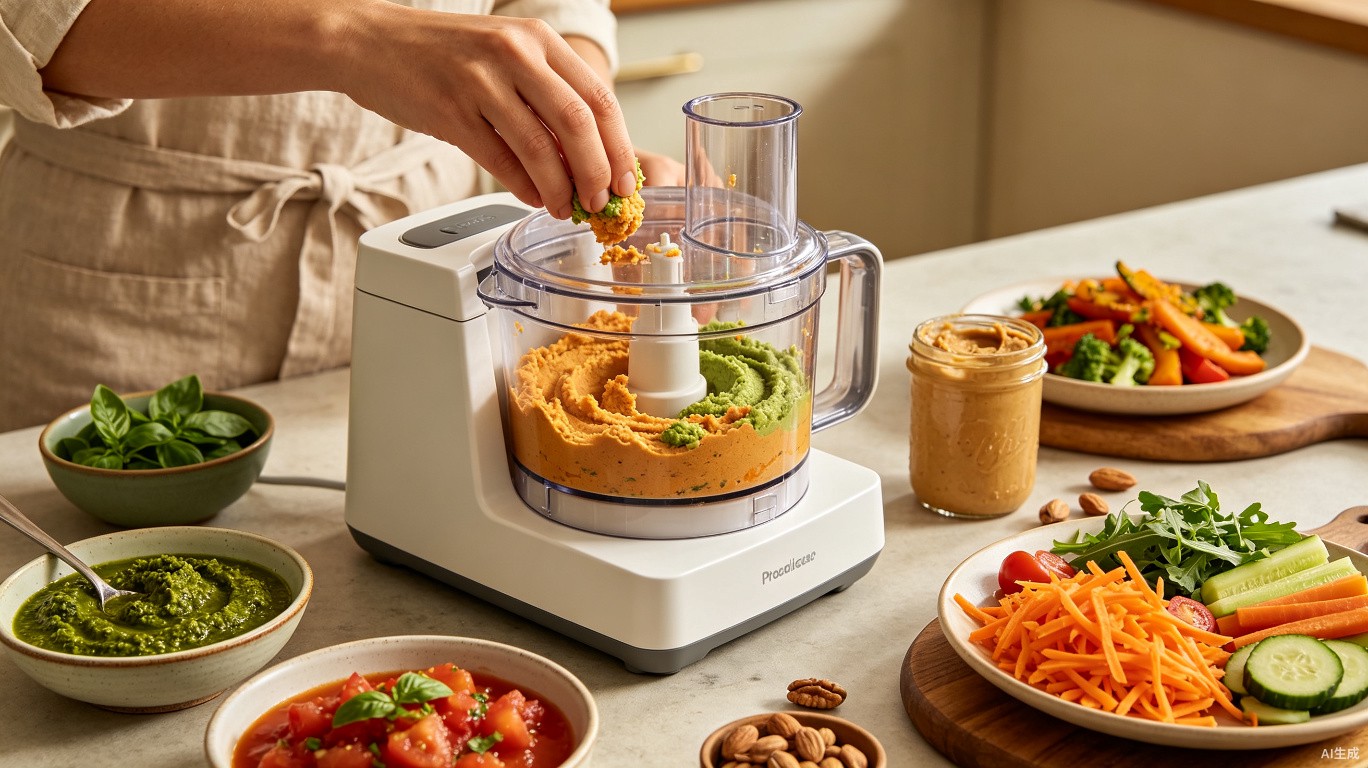
Dips and spreads are where food processors truly shine. The S-blade creates smooth, creamy textures that are difficult to achieve with other tools, and the process is almost effortless. Here are some of our favorite recipes in this category.
1. Classic Creamy Hummus
Homemade hummus is one of the most popular food processor recipes for good reason. It takes five minutes, costs a fraction of store-bought versions, and tastes incomparably better. Combine one can of drained chickpeas, three tablespoons of tahini, two tablespoons of lemon juice, one minced garlic clove, two tablespoons of olive oil, and a pinch of salt in the processor bowl. Process for two to three minutes until completely smooth, scraping down the sides as needed. If the hummus seems too thick, add ice water one tablespoon at a time until you reach your desired consistency. The ice water trick, recommended by chef Michael Solomonov, creates an exceptionally fluffy and light texture.
2. Traditional Basil Pesto
Fresh basil pesto is another recipe that practically demands a food processor. Toast two tablespoons of pine nuts in a dry skillet until golden, then add them to the processor bowl along with two cups of fresh basil leaves, one-third cup of grated Parmesan cheese, two cloves of garlic, and a pinch of salt. Pulse a few times to coarsely chop, then with the motor running, slowly drizzle in one-third cup of extra-virgin olive oil. Process until the pesto reaches your preferred consistency, whether smooth or slightly textured. Use immediately on pasta, spread on sandwiches, or spoon over grilled chicken.
3. Restaurant-Style Salsa
Forget the jarred stuff. Restaurant-quality salsa takes just minutes in a food processor and the flavor difference is dramatic. Quarter one medium onion and roughly chop two jalapeno peppers (seeded for less heat). Pulse several times until finely chopped. Add one can of diced tomatoes (undrained), one can of Rotel or diced tomatoes with green chilies, a handful of fresh cilantro, one teaspoon of cumin, one teaspoon of sugar, and salt to taste. Pulse until the salsa reaches your desired chunkiness. Refrigerate for at least an hour before serving to let the flavors meld. This recipe keeps for up to a week in the refrigerator.
4. Roasted Red Pepper Dip (Muhammara)
This Middle Eastern dip is a revelation when made in a food processor. Combine two roasted red peppers (jarred work perfectly), one cup of toasted walnuts, one-half cup of breadcrumbs, two tablespoons of pomegranate molasses, one teaspoon of cumin, one teaspoon of Aleppo pepper or red pepper flakes, one minced garlic clove, and one-third cup of olive oil. Process until smooth and creamy. Season with salt and a squeeze of lemon juice. Serve with pita chips or fresh vegetables. The food processor creates a silky, unified texture that would be nearly impossible to achieve by hand.
5. White Bean Dip
A lighter alternative to hummus, white bean dip is creamy, subtly flavored, and incredibly versatile. Drain and rinse one can of cannellini beans. Add to the processor with two tablespoons of tahini, two tablespoons of lemon juice, one minced garlic clove, two tablespoons of olive oil, one teaspoon of ground cumin, and salt to taste. Process until completely smooth, about two minutes. Garnish with a drizzle of olive oil and a sprinkle of paprika. This dip also serves as an excellent sandwich spread.
6. Guacamole (Chunky or Smooth)
While traditionalists might insist on a molcajete, a food processor makes excellent guacamole in seconds. Add three ripe avocados (halved and pitted), one-quarter cup of finely diced onion, one-quarter cup of cilantro, one minced jalapeno, two tablespoons of lime juice, and one-half teaspoon of salt. Pulse just a few times for chunky guacamole, or process for thirty seconds for a smoother version. Be careful not to over-process, as the avocados can become bitter if blended too long.
Doughs & Batters: Pizza Dough, Pie Crust, and Beyond
One of the most impressive capabilities of a food processor is its ability to handle dough. The machine cuts fat into flour quickly and evenly, and kneads bread dough in under a minute. Here are the best dough and batter recipes to try.
7. Classic Pizza Dough
Making pizza dough in a food processor is almost magical. Combine three and one-half cups of all-purpose flour, one teaspoon of salt, and one teaspoon of instant yeast in the processor bowl. Pulse a few times to mix. Add one and one-third cups of warm water (about 110 degrees Fahrenheit) and two tablespoons of olive oil. Process for about thirty seconds until the dough forms a ball and pulls away from the sides. If the dough is too sticky, add a tablespoon of flour. If too dry, add a tablespoon of water. Turn the dough out onto a lightly floured surface, knead a few times by hand, then let it rise in an oiled bowl covered with plastic wrap for one to two hours. This recipe makes two 12-inch pizzas.
8. Flaky Pie Crust
Pie crust is perhaps the recipe most improved by using a food processor. The key to flaky crust is keeping the butter cold, and the processor does this job faster than any hand method. Combine one and one-quarter cups of all-purpose flour, one tablespoon of sugar, and one-half teaspoon of salt in the processor. Pulse to mix. Add one-half cup of cold unsalted butter cut into small cubes. Pulse about ten times until the mixture resembles coarse meal with some pea-sized butter pieces remaining. Drizzle in three to four tablespoons of ice water, pulsing after each addition, until the dough just begins to clump together. Do not over-process. Turn the dough onto a work surface, gather it into a disk, wrap in plastic, and refrigerate for at least one hour before rolling.
9. Pasta Dough
Fresh pasta dough comes together in about sixty seconds in a food processor. Mound two cups of all-purpose flour or semolina flour on a clean surface and make a well in the center. Add three large eggs, one tablespoon of olive oil, and one-half teaspoon of salt. Alternatively, place the flour in the processor, add the eggs and oil, and process for about thirty seconds until the dough forms small crumbs that hold together when pinched. Turn out onto a floured surface, knead briefly until smooth, wrap in plastic, and rest for thirty minutes before rolling.
10. Quick Bread Batter
The food processor excels at mixing quick bread batters like banana bread, zucchini bread, and muffins. Combine dry ingredients in the processor bowl, add wet ingredients, and pulse just until combined. The key is to avoid overmixing, which develops gluten and makes the bread tough. A few pulses are all you need. This method is particularly useful for recipes that call for creaming butter and sugar, as the processor can handle this step efficiently.
11. Empanada Dough
Empanada dough benefits enormously from the food processor. Combine two and one-half cups of flour and one teaspoon of salt. Add one-half cup of cold butter cut into cubes and pulse until the mixture resembles coarse cornmeal. With the motor running, add one egg and three tablespoons of ice water through the feed tube. Process until the dough comes together into a ball. Wrap and chill for thirty minutes before rolling and filling. The processor produces a tender, flaky dough that is perfectly consistent every time.
Shredded & Sliced: Coleslaw, Gratin, and Salads
The shredding and slicing discs on a food processor turn tedious knife work into a matter of seconds. These recipes showcase the machine's ability to produce uniform cuts that cook evenly and look professional.
12. Classic Creamy Coleslaw
A food processor makes coleslaw almost effortless. Cut a small head of green cabbage into quarters and remove the core. Feed the cabbage through the feed tube using the shredding disc. Shred two large carrots the same way. For the dressing, use the S-blade to combine one cup of mayonnaise, two tablespoons of apple cider vinegar, one tablespoon of Dijon mustard, one tablespoon of sugar, one-half teaspoon of celery seed, and salt and pepper to taste. Toss the dressing with the shredded vegetables and refrigerate for at least two hours before serving. The uniform shreds absorb the dressing more evenly than hand-cut slaw.
13. Potato Gratin
Potato gratin requires thinly and evenly sliced potatoes, which is exactly what the slicing disc delivers. Use the adjustable slicing disc set to one-eighth inch thickness. Slice two and one-half pounds of Yukon Gold potatoes directly into a bowl of cold water to prevent browning. Drain and pat dry. Layer the potatoes in a buttered baking dish, seasoning each layer with salt, pepper, and minced garlic. Pour over two cups of heavy cream and top with one cup of grated Gruyere cheese. Cover with foil and bake at 350 degrees Fahrenheit for forty-five minutes, then uncover and bake for another twenty minutes until golden and bubbly.
14. Broccoli Slaw
Instead of buying pre-packaged broccoli slaw mix, make your own with the shredding disc. Trim the stems of one large bunch of broccoli. Peel the tough outer layer of the stems, then feed the stems through the feed tube using the shredding disc. Add two shredded carrots and one shredded apple for sweetness. Toss with a simple vinaigrette of olive oil, apple cider vinegar, honey, salt, and pepper. This crunchy, colorful slaw is packed with nutrients and makes a great side dish or sandwich topping.
15. Cucumber Raita
This Indian yogurt condiment comes together quickly with a food processor. Use the shredding disc to shred one large English cucumber. Squeeze out excess water. In the processor bowl (switch to the S-blade), combine two cups of plain yogurt, the shredded cucumber, two tablespoons of chopped fresh mint, one teaspoon of toasted cumin seeds, and salt to taste. Pulse just a few times to mix. Serve chilled alongside curries, grilled meats, or as a dip with naan bread.
16. Shredded Brussels Sprout Salad
Raw Brussels sprout salad has become a restaurant staple, and the food processor makes it easy at home. Trim the ends of one pound of Brussels sprouts. Halve them and feed through the feed tube using the slicing disc set to the thinnest setting. The result is paper-thin slices perfect for a raw salad. Toss with shaved Parmesan, toasted walnuts, dried cranberries, and a lemon vinaigrette. The uniform slices ensure every bite has the right balance of flavors and textures.
Need a New Food Processor for These Recipes?
These recipes are even better when you have the right machine. We have tested and ranked the top food processors of 2026 to help you find the perfect model for your kitchen.
See Our Top Picks for 2026Nut Butters, Sauces & More
Beyond dips, doughs, and shredded dishes, food processors can tackle a surprising range of other tasks. These recipes demonstrate the appliance's versatility in areas you might not expect.
17. Homemade Peanut Butter
Making peanut butter in a food processor is surprisingly simple and yields a fresher, more flavorful product than anything from a jar. Add four cups of roasted, unsalted peanuts to the processor bowl. Process continuously, stopping to scrape down the sides every minute or so. The peanuts will go through several stages: first they become a fine powder, then a thick paste, and finally a smooth, creamy butter as their natural oils release. The entire process takes five to ten minutes depending on your processor's power. Add a pinch of salt and one tablespoon of honey or maple syrup if desired. For crunchy peanut butter, reserve a handful of chopped peanuts and stir them in at the end.
18. Marinara Sauce
A food processor creates a beautifully textured marinara sauce in minutes. Pulse two cans of whole peeled tomatoes (with their juice) until you reach your desired consistency. In a large pot, saute one finely chopped onion and three minced garlic cloves in olive oil. Add the processed tomatoes, two tablespoons of tomato paste, one teaspoon of dried oregano, one teaspoon of sugar, salt, and red pepper flakes to taste. Simmer for twenty to thirty minutes. Stir in fresh basil just before serving. The food processor gives you control over the texture, from chunky to smooth, in a way that hand-crushing tomatoes cannot match.
19. Cauliflower Rice
Cauliflower rice has become a popular low-carb alternative to grain rice, and the food processor makes it in seconds. Cut one head of cauliflower into florets. Working in batches if necessary, pulse the florets in the processor until they reach a rice-like consistency, about five to eight pulses per batch. Do not over-process or the cauliflower will turn to mush. Use immediately in stir-fries, grain bowls, or as a side dish. One head of cauliflower yields about four cups of cauliflower rice.
20. Breadcrumbs
Stop buying breadcrumbs and make your own in the food processor. Tear stale bread into chunks and pulse in the processor until you achieve the desired crumb size. For fine breadcrumbs, process for thirty to sixty seconds. For coarse panko-style crumbs, pulse just a few times. Spread the crumbs on a baking sheet and bake at 250 degrees Fahrenheit for ten to fifteen minutes to dry them out, or use them fresh for toppings and breading. You can make breadcrumbs from any type of bread, including sourdough, whole wheat, or gluten-free varieties.
Tips for Getting the Most from Every Recipe
To ensure success with these food processor recipes, keep these practical tips in mind:
- Do not overfill the bowl. Most recipes work best when the bowl is no more than two-thirds full. Overfilling leads to uneven processing and can strain the motor. For large recipes, work in batches.
- Use the pulse function. For chopping tasks, short pulses give you much more control than continuous running. Pulse two to three times, check the consistency, then pulse again if needed. This is especially important for salsa, guacamole, and any recipe where you want to preserve some texture.
- Keep ingredients cold for doughs. When making pie crust, empanada dough, or any pastry, use cold butter and ice water. The food processor works so quickly that the butter stays cold, which is the secret to flaky results. If your kitchen is warm, chill the flour and bowl before starting.
- Cut ingredients into uniform pieces. While the food processor does the cutting, feeding it evenly sized pieces ensures consistent results. A large chunk and a small piece will process differently, leading to an uneven mix of fine and coarse textures.
- Let the machine rest for heavy tasks. Making nut butter or kneading dense dough puts significant strain on the motor. If your processor feels warm or smells like hot motor, let it rest for five to ten minutes before continuing. This extends the life of your appliance.
- Clean immediately after use. Food processor blades and bowls are easiest to clean right after use. Most are dishwasher safe, but hand washing preserves blade sharpness. For stubborn residue, fill the bowl with warm soapy water and pulse a few times to loosen debris.
A food processor does not just save time in the kitchen. It opens up a world of recipes that might otherwise seem too tedious or difficult to attempt on a weeknight. From a quick batch of hummus for after-school snacking to a homemade pizza dough for Friday night dinner, these twenty recipes represent just the beginning of what your food processor can do.
Whether you are using a compact mini chopper for small-batch pesto or a full-size 14-cup model for coleslaw and pizza dough, the principles remain the same: let the machine do the hard work, keep your ingredients fresh and properly prepared, and do not be afraid to experiment. The food processor is one of the most versatile tools in your kitchen, and these twenty recipes are just the starting point. Once you master these basics, you will find yourself reaching for your processor every day, discovering new uses and favorite recipes along the way.