Table of Contents
If you have ever stood in your kitchen chopping onions by hand, grating carrots one tedious stroke at a time, or struggling to puree a soup that refuses to smooth out, you have probably wondered whether there is a better way. The answer, for millions of home cooks and professional chefs alike, is the food processor. This versatile countertop appliance has earned a permanent place in kitchens around the world because it can perform dozens of tasks in a fraction of the time it takes by hand. According to industry data, the global food processor market is expected to surpass $5 billion by 2028, reflecting the growing demand for efficient, multi-functional kitchen tools.
But what exactly is a food processor? How does it work, and what can it actually do? With so many models, sizes, and price points available in 2026, where should a first-time buyer begin? In this comprehensive guide, we break down everything you need to know about food processors, from the basic mechanics to the tasks they excel at and the ones they struggle with. By the end, you will have a clear understanding of whether a food processor belongs in your kitchen.
What Is a Food Processor?
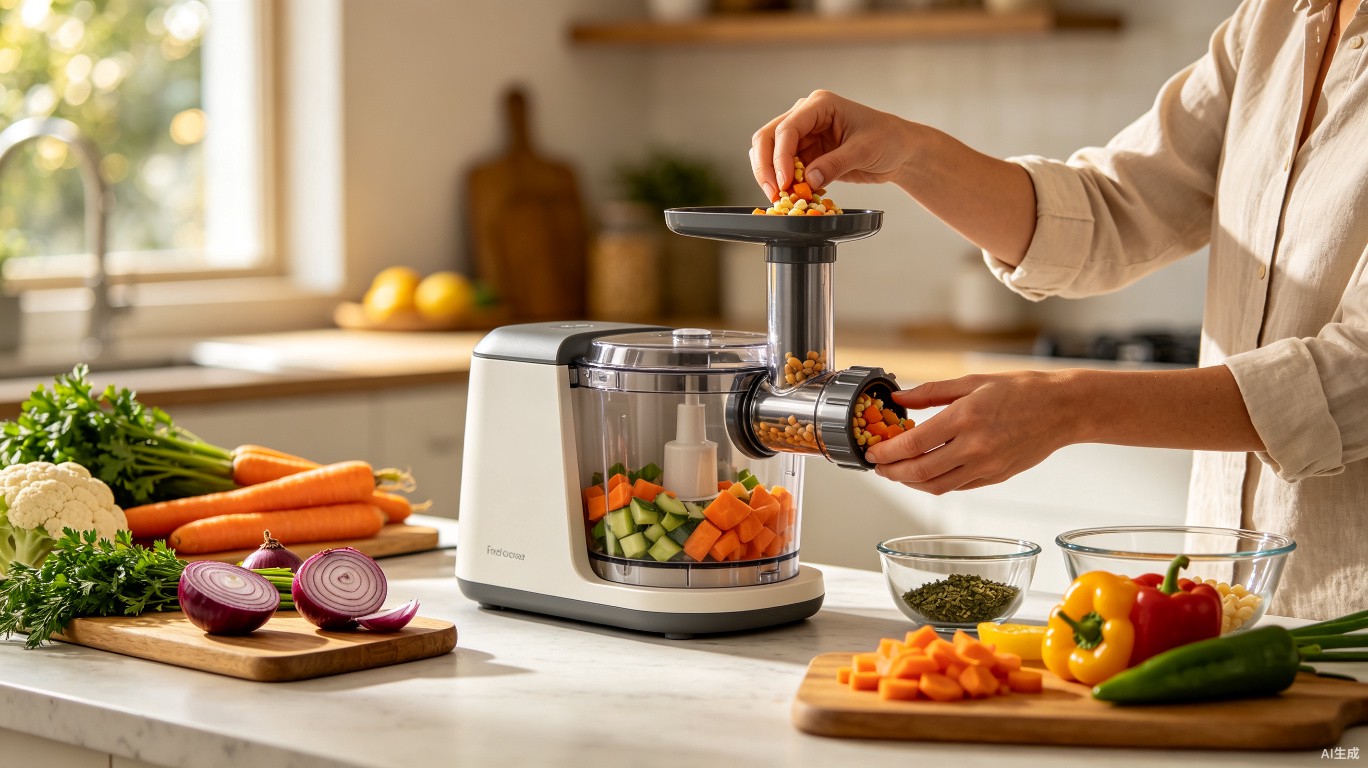
A food processor is a countertop kitchen appliance designed to perform a wide variety of food preparation tasks, including chopping, slicing, shredding, pureeing, and even kneading dough. Unlike a blender, which is primarily designed for liquefying ingredients, a food processor uses interchangeable blades and discs mounted on a rotating shaft inside a wide, shallow bowl to process solid foods quickly and uniformly.
The modern food processor traces its origins to the early 1970s, when French salesman Pierre Verdon invented the Magimix to address the tedium of food preparation in restaurant kitchens. The concept quickly spread to home kitchens, and by the 1980s, food processors had become a staple appliance in households across North America and Europe. Today's models range from compact 3-cup choppers perfect for small tasks to full-size 16-cup machines capable of handling the most demanding prep work.
The fundamental principle behind a food processor is simple: a powerful electric motor drives a rotating shaft at the center of a work bowl. Different blades and discs attach to this shaft, each designed for a specific task. The S-shaped metal blade (called the sabatier blade) handles chopping and pureeing, while flat slicing discs and shredding discs handle vegetables, cheese, and other solid foods. A feed tube in the lid allows you to add ingredients while the machine is running, and a pusher helps guide food safely toward the spinning blade.
Key Components of a Food Processor
Understanding the main parts of a food processor will help you appreciate how it works and make a more informed purchasing decision. Here are the essential components:
- Motor Base: The heavy bottom unit houses the electric motor, which typically ranges from 350 to 1200 watts depending on the model. The motor provides the rotational force that drives the blades and discs. Higher wattage generally means the processor can handle tougher tasks like kneading dense dough without stalling.
- Work Bowl: The removable container where food is processed. Work bowls are typically made of BPA-free plastic, though some premium models offer glass or stainless steel bowls. Capacity ranges from 3 cups for mini choppers to 16 cups or more for full-size models. The bowl locks onto the motor base with a safety interlock mechanism that prevents the motor from running unless the bowl is properly seated.
- Lid with Feed Tube: The lid seals the bowl during operation and features a feed tube through which ingredients can be added while the processor is running. The feed tube comes in various sizes; wider tubes (3 inches or more) allow you to insert whole fruits and vegetables without pre-cutting them. A pusher fits into the feed tube to safely guide food toward the blade.
- S-Blade (Sabatier Blade): The standard metal blade shaped like an S, this is the most commonly used attachment. It handles chopping, mincing, pureeing, and mixing tasks. Most food processors include at least one S-blade, and some include a mini blade for smaller quantities.
- Slicing Disc: A flat, circular disc with a sharp edge that slices food uniformly as it passes through the feed tube. Adjustable slicing discs allow you to change the thickness from paper-thin to thick-cut, giving you versatility for different recipes.
- Shredding Disc: Similar to a slicing disc but with raised, grater-like edges that shred food into fine or coarse strands. Ideal for cheese, carrots, cabbage, and potatoes. Most models include at least one shredding disc size.
- Dough Blade: Some food processors include a plastic or metal dough blade designed specifically for kneading bread dough, pizza dough, and pastry. It mimics the folding and stretching action of hand kneading.
What Can a Food Processor Do?
A food processor is one of the most versatile appliances in the kitchen. Here are the primary tasks it excels at:
Chopping and Mincing
This is the bread and butter of food processor functionality. With a few pulses of the S-blade, you can chop onions, garlic, herbs, nuts, and vegetables to your desired consistency in seconds. No more tears from chopping onions, no more tedious mincing of garlic by hand. The key is to use short pulses rather than continuous running, which gives you greater control over the final texture.
Slicing and Shredding
Swap the S-blade for a slicing or shredding disc, and your food processor transforms into a high-speed vegetable prep station. Slice cucumbers for pickles, shred carrots for coleslaw, grate cheese for lasagna, or slice potatoes for gratin. The uniformity of machine-cut vegetables not only looks more professional but also ensures even cooking.
Pureeing
Food processors can puree cooked vegetables for soups, blend chickpeas into hummus, create smooth nut butters, and make baby food. While a blender may produce a slightly smoother puree for liquid-heavy mixtures, a food processor handles thicker, more solid purees with ease.
Kneading Dough
Many food processors can knead bread dough, pizza dough, and pastry dough in under a minute. The fast rotation of the dough blade develops gluten quickly, which is ideal for bread but requires care with delicate pastry doughs. Not all food processors are rated for heavy dough work, so check the manufacturer's guidelines before attempting this task.
Making Emulsions
From mayonnaise and aioli to salad dressings and pesto, food processors excel at creating stable emulsions. The rapid blade rotation breaks oil into tiny droplets and disperses them evenly throughout the other ingredients, creating smooth, well-combined sauces.
What a Food Processor Cannot Do Well
While food processors are remarkably versatile, they are not universal. Here are some tasks where they fall short:
- Crushing ice: Most food processors are not designed to crush ice effectively. The blade shape and bowl geometry are optimized for solid foods, not frozen cubes. For ice-related tasks, a blender is the better tool.
- Liquefying smoothies: Food processors struggle with large volumes of liquid. The wide, shallow bowl does not create the vortex that blenders use to pull ingredients down into the blades. For smoothies, protein shakes, and other drinkable beverages, a blender will always produce better results.
- Whipping cream or egg whites: The S-blade is not designed to incorporate air into mixtures. For whipping cream to stiff peaks or creating meringue from egg whites, a stand mixer or hand mixer is the appropriate tool.
- Processing very small quantities: The large bowl of a full-size food processor makes it difficult to process very small amounts of food (a single clove of garlic, a tablespoon of herbs). The food sits below the blade or splatters against the sides. For micro-tasks, a mini chopper or knife is more practical.
- Extracting juice: A food processor can puree fruits and vegetables, but it cannot separate pulp from liquid the way a juicer does. If you want clear juice, you need a dedicated juicer.
Food Processor vs. Blender
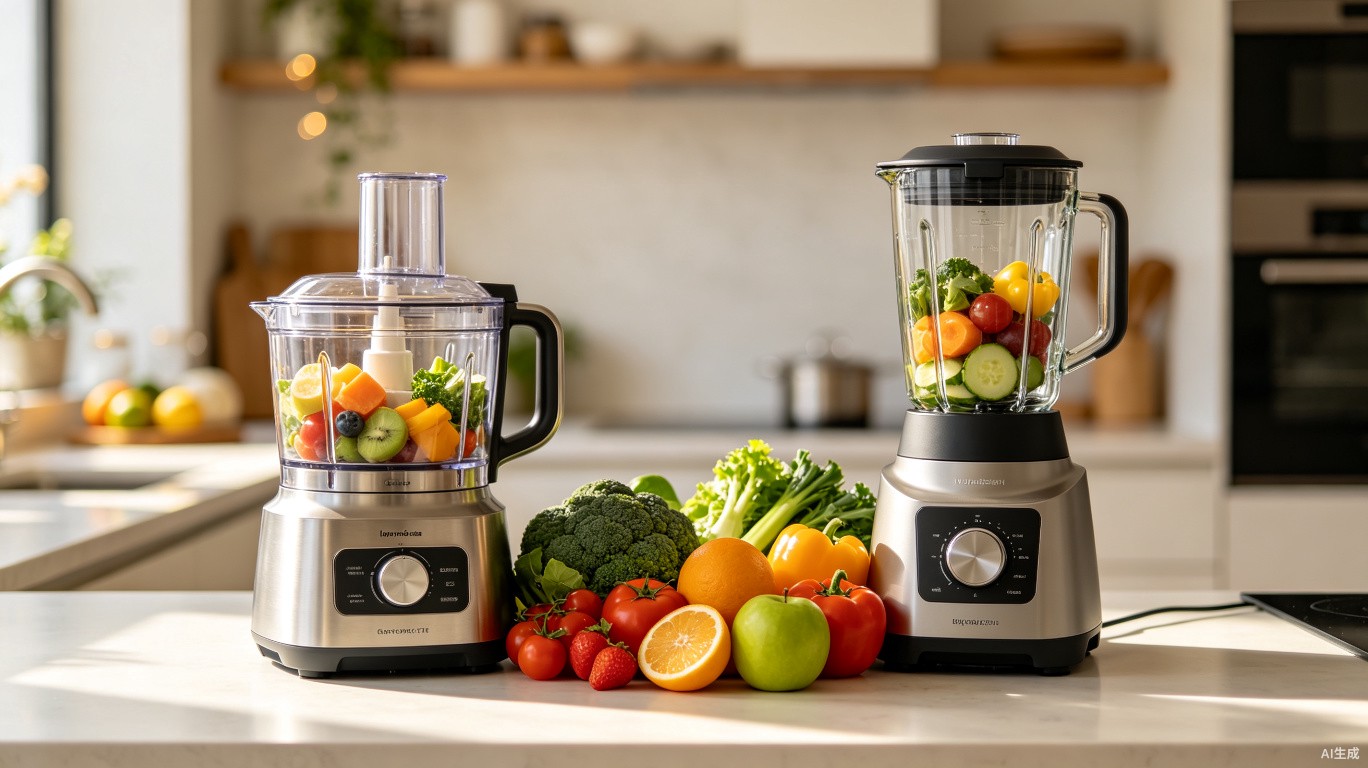
The most common question from first-time buyers is whether to get a food processor or a blender. While the two appliances share some overlapping capabilities, they are designed for fundamentally different tasks.
| Feature | Food Processor | Blender |
|---|---|---|
| Primary Use | Solid food prep (chopping, slicing, shredding) | Liquid blending (smoothies, soups, sauces) |
| Bowl Shape | Wide and shallow | Tall and narrow |
| Blade Design | Interchangeable blades and discs | Fixed angled blades at the base |
| Liquid Capacity | Limited; not ideal for large volumes | Excellent; creates vortex for smooth blending |
| Ice Crushing | Poor | Excellent |
| Slicing/Shredding | Yes, with disc attachments | No |
| Dough Kneading | Yes (most models) | No |
| Price Range | $40-$400+ | $30-$500+ |
| Best For | Solid food prep, meal prep, baking | Smoothies, soups, frozen drinks |
The bottom line: if your primary need is chopping vegetables, making hummus, shredding cheese, or kneading dough, a food processor is the right choice. If you want smoothies, frozen cocktails, or silky smooth soups, a blender is better. Many well-equipped kitchens have both, as they complement each other perfectly. For a deeper comparison, check out our dedicated Food Processor vs. Blender guide.
Ready to Find Your Perfect Food Processor?
Now that you understand what a food processor is and what it can do, it is time to find the right one for your kitchen. We have tested dozens of top models to help you choose with confidence.
See Our Best Food Processor ReviewsFrequently Asked Questions
Is a food processor worth buying for home use?
Absolutely. If you cook regularly and find yourself spending significant time on prep work like chopping, slicing, or shredding, a food processor can dramatically reduce your time in the kitchen. Even a mid-range model can handle the vast majority of home cooking tasks. Entry-level food processors start around $40-$60, and they pay for themselves in saved time and effort within the first few weeks of regular use.
Can a food processor replace a knife and cutting board?
Not entirely. While a food processor excels at repetitive chopping and slicing tasks, you will still need a knife for certain jobs like trimming meat, cutting small quantities, or achieving specific cuts that require precision. Think of a food processor as a complement to your knife skills, not a complete replacement. It handles the bulk work, while your knife handles the detail work.
What size food processor should I get?
For individuals or couples who cook simple meals, a mini processor (3-4 cups) may be sufficient for small tasks like chopping herbs or making salsa. For most families, a full-size model (9-14 cups) offers the best balance of capacity and versatility. If you cook for large groups or do extensive meal prep, consider a 14-cup or larger model. Many buyers find that having both a full-size processor and a mini chopper covers all their needs.
How do I clean a food processor?
Most food processor bowls, lids, and blades are dishwasher safe, though hand washing is recommended to preserve the sharpness of the blades. Always handle the S-blade and discs with care, as they are extremely sharp. To clean the motor base, simply wipe it with a damp cloth. Never submerge the motor base in water. For stubborn food residue in the bowl, fill it with warm soapy water and run the processor for a few seconds to loosen the debris before rinsing.
Can I use a food processor to make nut butter?
Yes, a food processor can make nut butter, though it requires patience and a powerful motor. Process roasted nuts in the food processor, stopping to scrape down the sides as needed. The nuts will first break down into a meal, then form a paste, and finally release their oils to become smooth butter. This process can take 5-10 minutes depending on the nuts and the processor's power. Full-size models with motors of 600 watts or more handle this task best.
What is the difference between a food processor and a chopper?
A food chopper is essentially a smaller, simpler version of a food processor. Choppers typically have a bowl capacity of 1-4 cups, a single S-blade, and a simpler motor. They are great for small tasks like mincing garlic, chopping herbs, or making small batches of salsa. A full-size food processor offers greater capacity, multiple blade and disc options, more power, and additional features like feed tubes and dough blades. If you only need basic chopping, a chopper may suffice. For versatile food prep, go with a full-size processor.