Buying a new toaster seems simple until you are faced with dozens of options, each touting different slot counts, browning levels, wattage ratings, and special features. The truth is, choosing the right toaster matters. A good toaster will give you perfectly golden, crispy toast every morning for years. A bad one will leave you with unevenly browned bread, burnt edges, and frustration before your first cup of coffee.
This comprehensive buying guide covers every factor you need to consider, from slot count and browning control to wattage, build quality, and safety features. By the end, you will know exactly what to look for and how to pick the best toaster for your kitchen and your budget.
How Many Slots Do You Need?
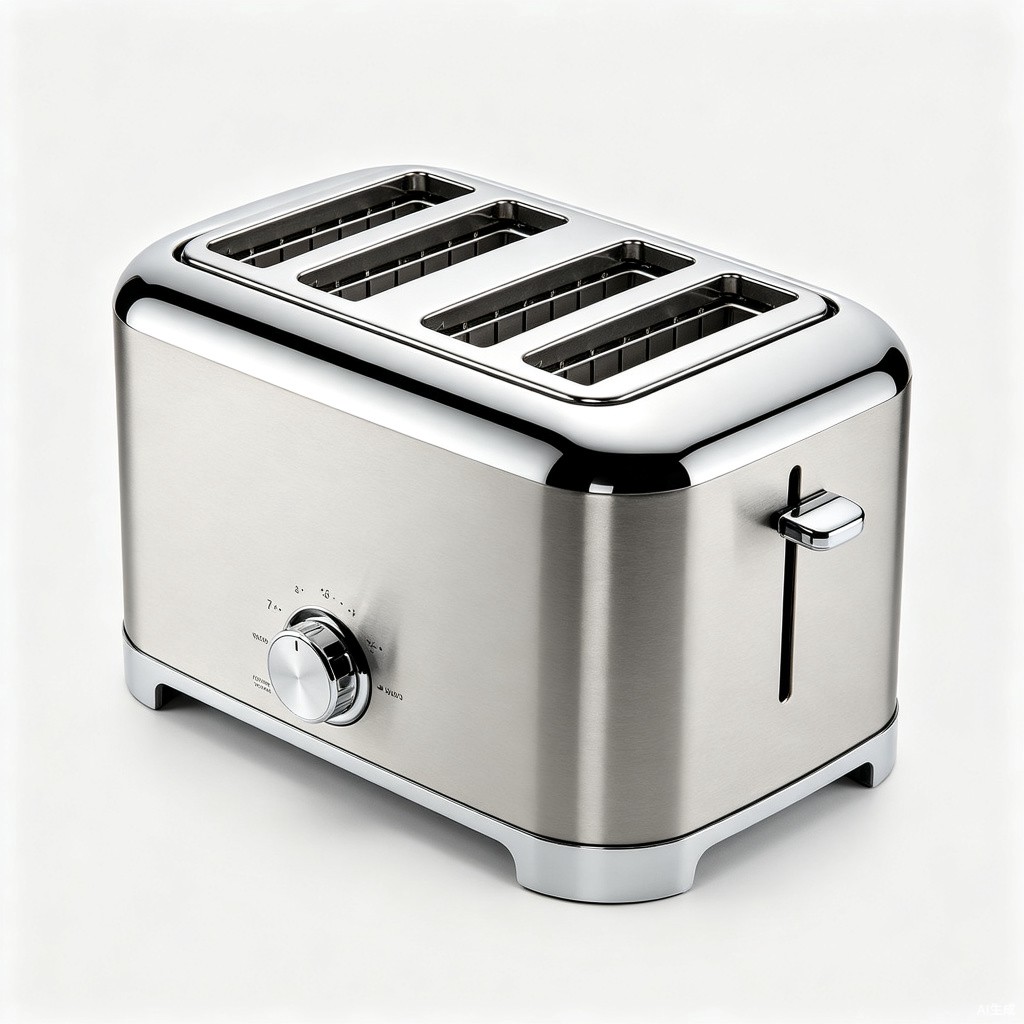
The first decision is whether you need a 2-slice or a 4-slice toaster. This may seem straightforward, but there are some nuances worth considering:
2-Slice Toasters
- Best for: Singles, couples, and small households
- Footprint: Compact — typically 10 by 7 inches, easy to store
- Advantage: Faster heat-up time, lower energy consumption, more counter-space friendly
- Consideration: If you regularly toast for 3 or more people, you will need to run multiple cycles
4-Slice Toasters
- Best for: Families and households with 3+ people
- Footprint: Larger — typically 12 by 8 inches, needs more counter space
- Advantage: Toast 4 slices simultaneously, saving time during busy mornings
- Consideration: Many 4-slice toasters actually have 2 independent heating zones, so you can toast 2 slices without heating the full cavity
If you live alone or with one other person, a 2-slice toaster is almost always the better choice. You will save counter space and energy. Upgrade to a 4-slice only if you regularly need more capacity.
Browning Control
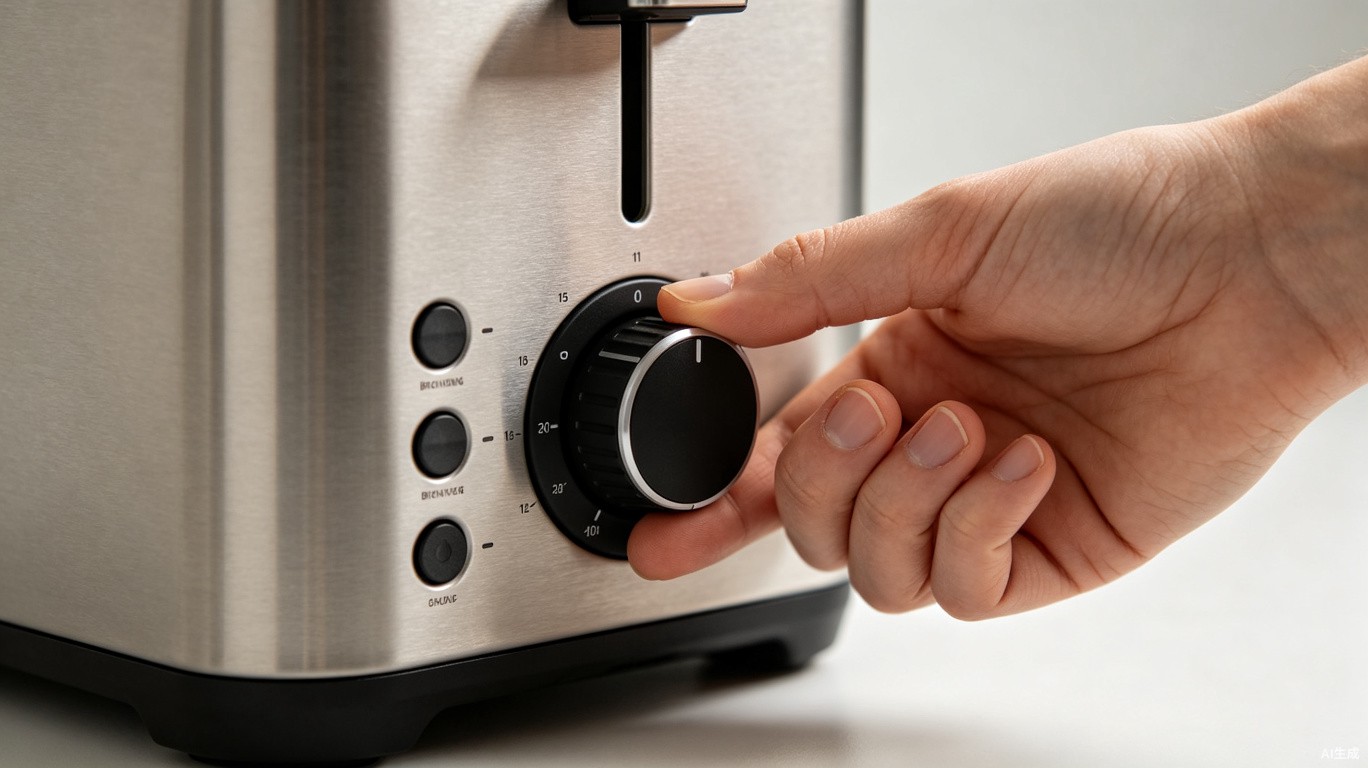
Browning control is arguably the most important feature on any toaster. It determines how light or dark your toast comes out, and the quality of this control varies significantly between models.
- Entry-level toasters: Typically offer 5 browning settings. This is adequate for most people, though you may notice inconsistency between the lowest and highest settings.
- Mid-range toasters: Usually provide 6 to 7 browning levels with more consistent results across the range. The difference between each level is more noticeable and predictable.
- Premium toasters: May offer 7 or more settings with digital controls and memory functions. Some models remember your preferred setting and deliver the exact same result every time.
When testing browning controls, look for consistency across all slots. A great toaster should produce the same shade of brown in slot 1 and slot 2, cycle after cycle. Cheap toasters often have hot spots that cause uneven browning.
Slot Width & Length
Not all bread is created equal, and neither are toaster slots. If you only toast standard sliced white bread, basic slot dimensions will work fine. But if you enjoy artisan bread, bagels, or thick-cut bakery loaves, slot size becomes critical.
- Standard slots: About 1 inch wide — suitable for regular sliced bread and thin waffles
- Extra-wide slots: 1.5 inches or more — essential for bagels, thick-cut artisan bread, and Texas toast
- Long slots: Some 2-slice toasters feature extra-long slots (14+ inches) that can accommodate a full slice of sourdough or a long baguette slice
- Self-centering slots: A useful feature where adjustable guides center the bread automatically for even toasting on both sides
Our recommendation: Go with extra-wide slots unless you are certain you will only ever use standard sliced bread. The versatility is worth it, and the price difference is minimal on most models.
Wattage & Power
Wattage directly affects toasting speed. Higher wattage means more heat, which means faster toasting. Here is the general range:
- 800W - 900W: Entry-level. Expect slower toasting cycles (3-4 minutes) and potentially less even browning. Common in budget 2-slice models.
- 1,000W - 1,200W: Mid-range. A good balance of speed and energy efficiency. Most quality toasters fall in this range, producing toast in 2-3 minutes.
- 1,300W - 1,500W: High-end. Fast toasting (under 2 minutes for lighter settings) with strong, consistent heat. Found in premium 4-slice and commercial-style models.
Higher wattage is not always better. If you prefer very light toast, a high-wattage toaster may over-brown before the cycle ends. The best approach is to match wattage with your toasting preferences: moderate wattage for light-to-medium toast lovers, higher wattage for those who prefer dark, crispy results.
Special Features
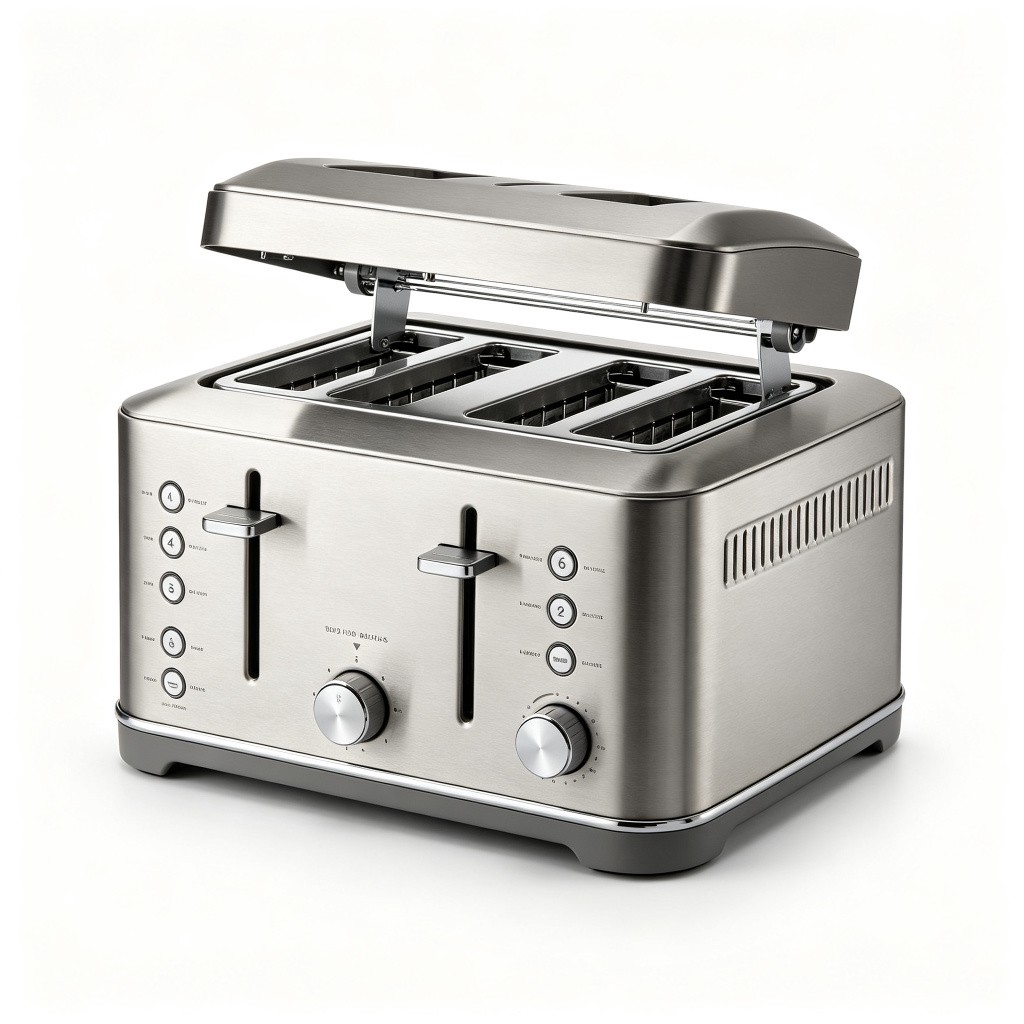
Modern toasters come packed with features beyond basic browning control. Here are the most useful ones to look for:
- Bagel setting: Heats only the inner elements to toast the cut side of a bagel while gently warming the outer surface. Essential for bagel lovers.
- Defrost setting: Extends the toasting cycle to thaw frozen bread before toasting it. Useful if you freeze bread to keep it fresh.
- Reheat setting: Runs a short cycle at lower heat to warm up toast without further browning. Great for toast that has gone cold while you were buttering it.
- Cancel button: Lets you stop the cycle at any time. Seems obvious, but some older or cheaper models lack this.
- High-lift lever: Raises the toast carriage higher so you can safely retrieve small items like English muffins or thin waffles without burning your fingers.
- One-touch functions: Digital toasters may offer pre-programmed settings for specific items like "frozen waffle" or "artisan bread" that automatically adjust time and temperature.
Do not pay extra for features you will never use. If you never eat bagels, the bagel setting is irrelevant. If you never freeze bread, skip the defrost function. Focus on the features that match your actual habits.
Build Quality & Materials
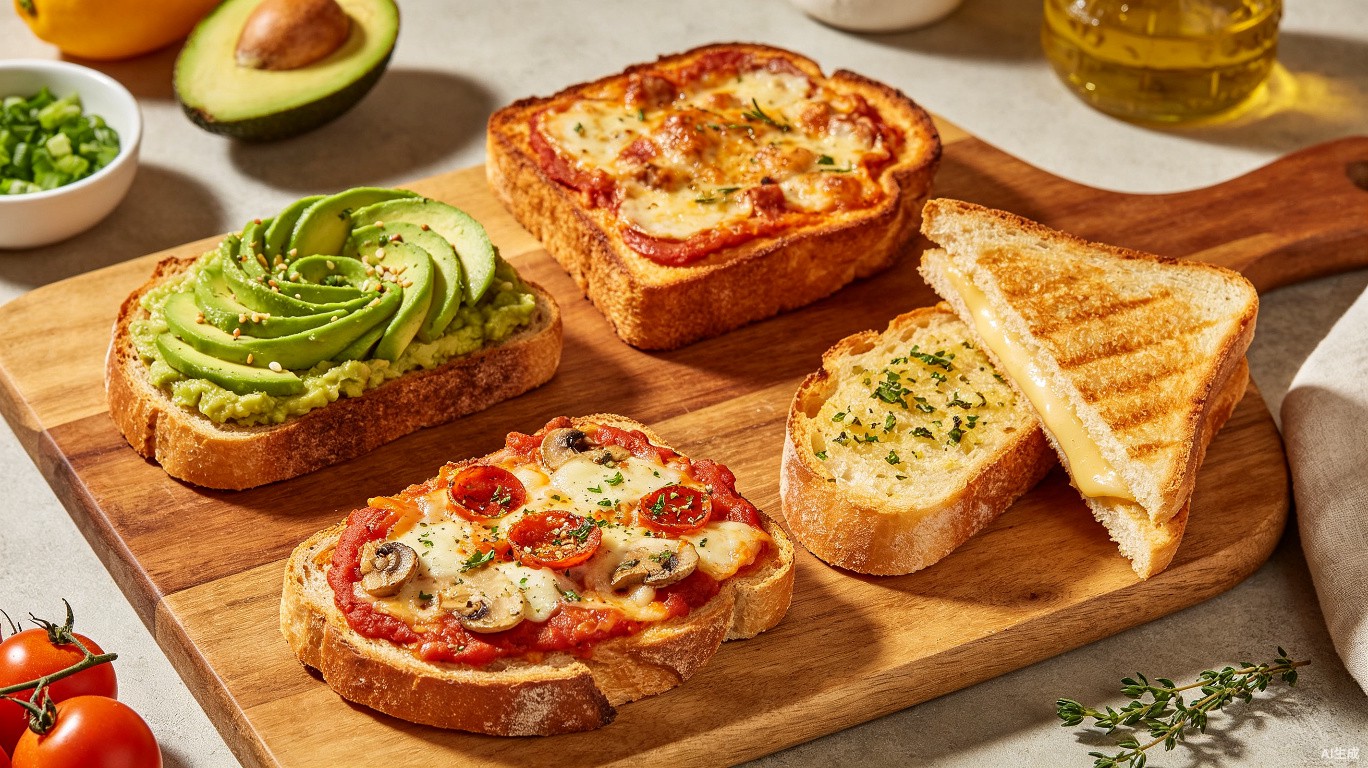
The materials used in a toaster affect its durability, appearance, and how well it maintains consistent toasting temperatures over time.
Stainless Steel
- Most common in mid-range and premium toasters
- Durable, easy to clean, and looks great on modern countertops
- Better heat retention for more consistent toasting
- Fingerprints can be an issue — look for models with fingerprint-resistant finishes
Plastic
- Common in budget toasters under $30
- Lightweight and available in many colors
- Less durable over time — can crack, discolor, or warp from heat
- May feel less substantial and produce more noise during operation
Retro / Die-Cast Metal
- Premium materials found in high-end models (e.g., Smeg, KitchenAid)
- Exceptional durability and a distinctive aesthetic
- Heavier and more expensive, but built to last a decade or more
Our recommendation: A brushed stainless steel toaster offers the best balance of durability, performance, and price for most buyers.
Ease of Cleaning
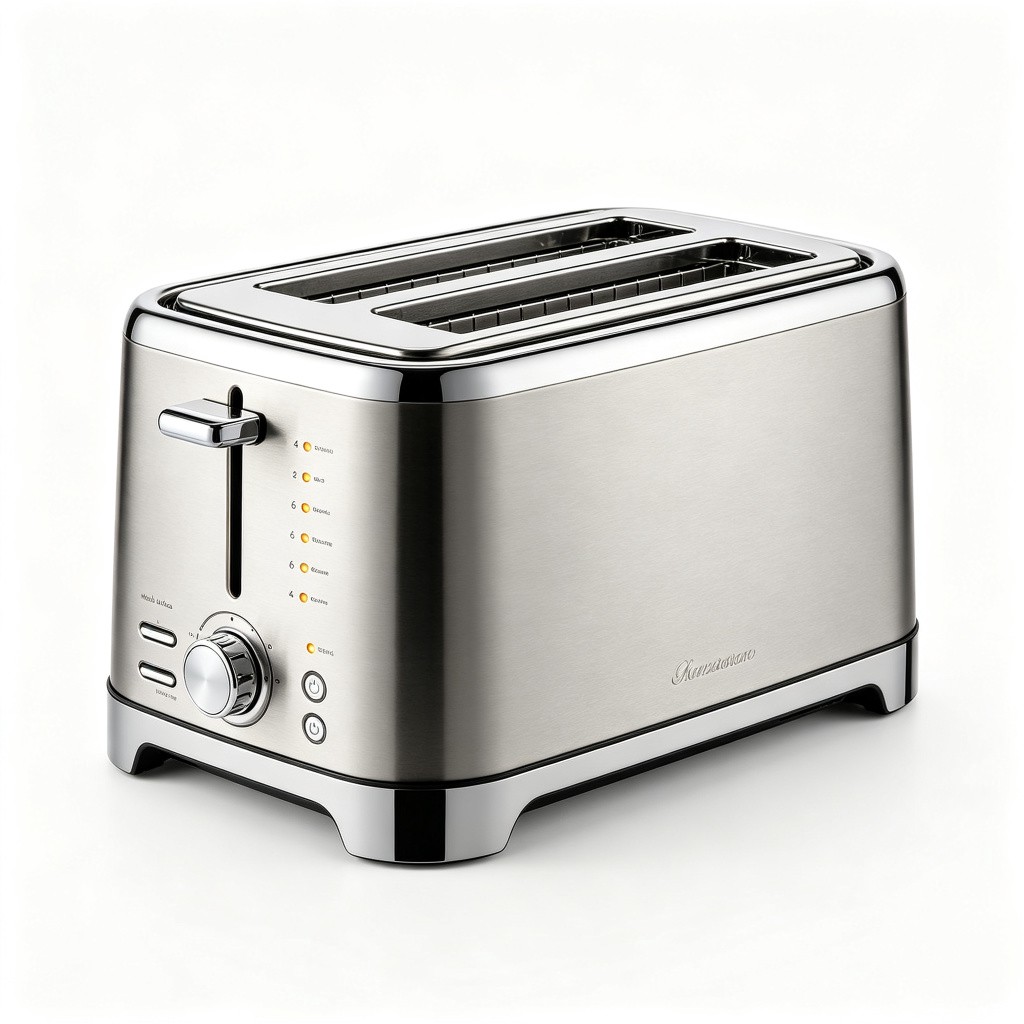
A toaster that is difficult to clean will become a source of frustration. Look for these cleaning-friendly features:
- Removable crumb tray: This is non-negotiable. Every toaster should have a slide-out crumb tray that you can empty and wash. Without one, crumbs accumulate inside the toaster, creating a fire hazard and unpleasant odors.
- Smooth exterior: Stainless steel with a brushed finish wipes clean with a damp cloth. Avoid toasters with lots of crevices, decorative grooves, or textured surfaces that trap grease and fingerprints.
- Wide slot openings: Wider slots make it easier to reach in and clean the interior if needed. They also reduce the chance of bread getting stuck.
- Cord storage: Some toasters feature built-in cord wraps or compartments to keep the power cord tidy. This is a minor convenience but keeps your counter looking clean.
Plan to empty the crumb tray at least once a week if you use your toaster daily. It takes 10 seconds and significantly extends the life of your appliance.
Safety Features
Safety is especially important if you have children or plan to leave the toaster on the counter. Key safety features to look for include:
- Auto-shutoff: The toaster turns off automatically when the cycle ends or if it detects overheating. This is standard on most modern toasters but worth verifying.
- Cool-touch exterior: The outer surface stays cool enough to touch safely during operation. Essential for households with children. Stainless steel models generally run cooler externally than plastic ones.
- Non-slip feet: Rubber or silicone feet keep the toaster stable on the counter, preventing it from sliding when you push down the lever or pull out the crumb tray.
- Cord storage: Keeps the cord out of the way and reduces tripping hazards. A shorter cord (under 30 inches) is also a safety feature, as it discourages placing the toaster too far from the outlet.
- Internal fire safety: Some premium models include internal fuses or thermal cut-off switches that disconnect power if the toaster overheats or if crumbs ignite.
Budget Guide: What Can You Expect at Each Price?
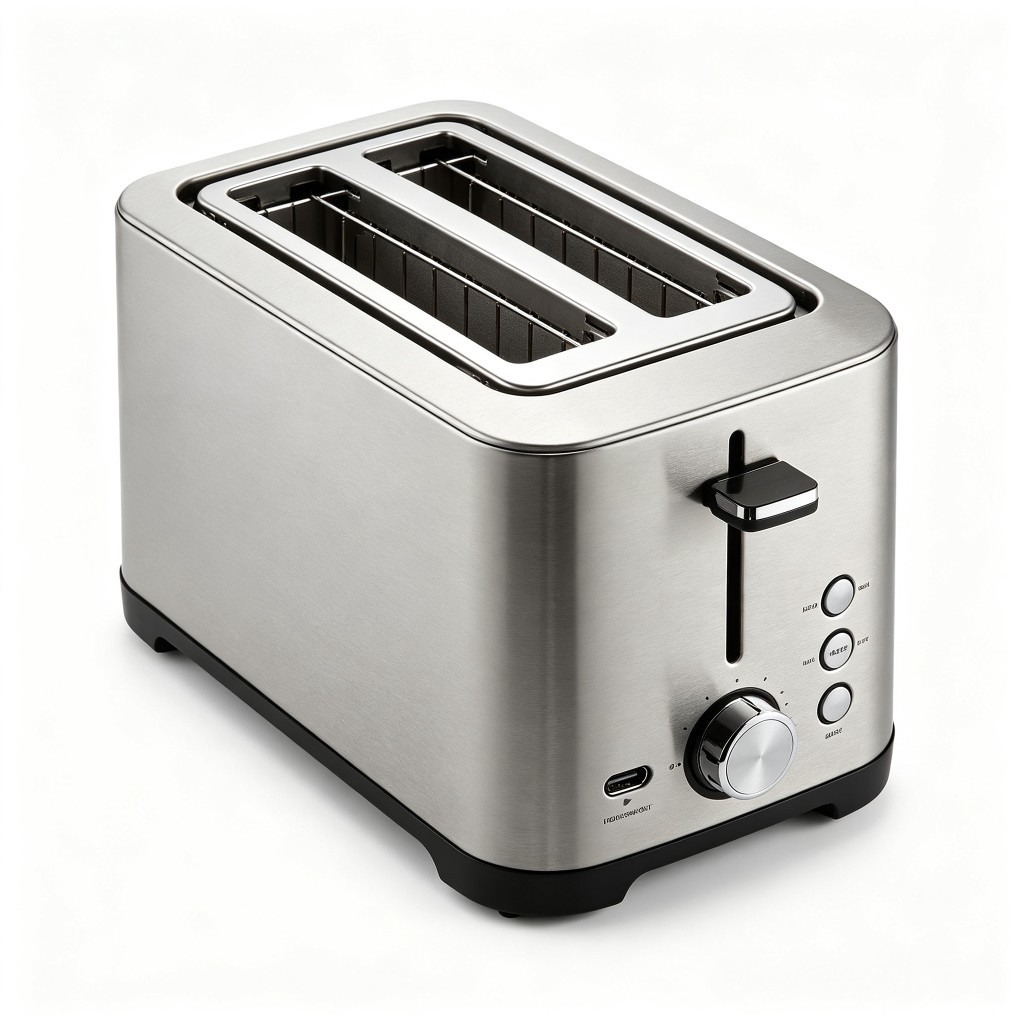
Toasters span a wide price range. Here is what you can expect at each tier:
Under $30 — Budget
- Basic 2-slice or 4-slice pop-up toasters
- 5-7 browning settings, basic bagel and defrost functions
- Plastic or thin metal construction
- Adequate for basic toasting but may lack consistency and durability
- Good for: college students, first apartments, secondary kitchens
$30 - $80 — Mid-Range (Best Value)
- Quality 2-slice and 4-slice toasters with stainless steel bodies
- 6-7 browning settings with consistent performance
- Extra-wide slots, bagel/defrost/reheat functions
- Removable crumb trays, cord storage, high-lift levers
- Good for: most households, daily use, the sweet spot for value
$80 - $200 — Premium
- High-end toasters with digital controls and precise browning
- Superior build quality — thick stainless steel, die-cast components
- Motorized lift, one-touch programs, LED indicators
- Longer warranties (2-5 years) and better customer support
- Good for: toast enthusiasts, design-conscious kitchens, long-term investment
$200+ — Luxury
- Designer brands like Smeg, KitchenAid, and Breville
- Exceptional aesthetics with retro or modern luxury styling
- Top-tier performance with advanced features and premium materials
- Matching kitchen appliance collections (kettles, mixers, etc.)
- Good for: luxury kitchens, gift purchases, brand enthusiasts
For most buyers, the $30 to $80 range delivers the best combination of performance, durability, and features. You do not need to spend $200+ to get excellent toast.
Our Top Picks Quick Reference
Want to skip the research? Our team has tested over 30 toasters and ranked the top 10 models across every budget category. Whether you need a budget-friendly 2-slice or a premium 4-slice with all the bells and whistles, our reviews have you covered.
- Best Overall: Village V600 Stainless Steel 4-Slice — 9.7/10 score
- Best Value: Cuisinart CTP-1800 4-Slice — 9.4/10 score
- Best Budget: Black+Decker TR1278B 2-Slice — 8.6/10 score
- Best Premium: KitchenAid KMT4115 4-Slice — 9.3/10 score
For full reviews, detailed specifications, and side-by-side comparisons, visit our comprehensive toaster rankings page.
See Our Full Toaster Rankings
We tested 30+ toasters to find the best models for every budget. Check out our top picks for 2026.
View Best Toasters of 2026 →