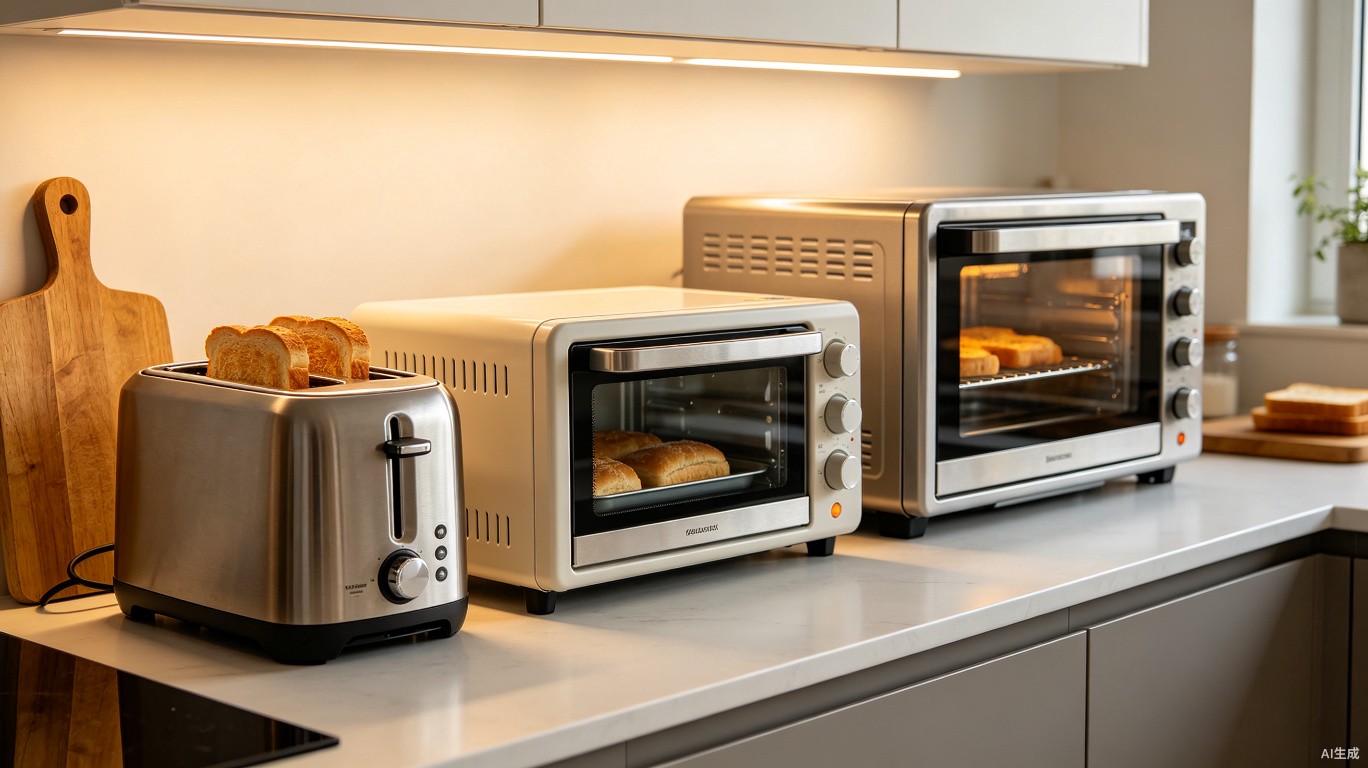
Walk into any appliance store or browse toasters online, and you'll quickly realize that "toaster" isn't a single category. There are pop-up toasters, toaster ovens, convection toaster ovens, air fryer toaster ovens, sandwich makers, and a host of specialty designs — each built for different purposes, kitchen sizes, and cooking styles.
Buying the wrong type of toaster is the most common mistake first-time buyers make. A compact pop-up toaster that makes perfect morning toast won't help you bake a pizza or broil a sandwich. A full-size convection toaster oven is overkill if you only need two slices of golden bread each morning. In this guide, we break down all six major types of toasters, explain how each one works, and help you figure out which one truly belongs in your kitchen.
Quick Overview: The 6 Toaster Types at a Glance
Before we dive into each type in depth, here's a high-level summary to orient you:
- Pop-up toasters — Fast, compact, and affordable; ideal for bread, bagels, and waffles.
- Toaster ovens — Horizontal-door mini ovens that toast, bake, and broil; highly versatile.
- Convection toaster ovens — Fan-assisted even heating; faster cooking and better browning.
- Toaster ovens with air fry — Combo units that add air frying to toaster oven capabilities.
- Sandwich / melting toasters — Sealed-edge designs for grilled cheese, paninis, and warm melts.
- Specialty toasters — Bagel toasters, bun warmers, retro designs, and single-purpose models.
1. Pop-Up Toasters
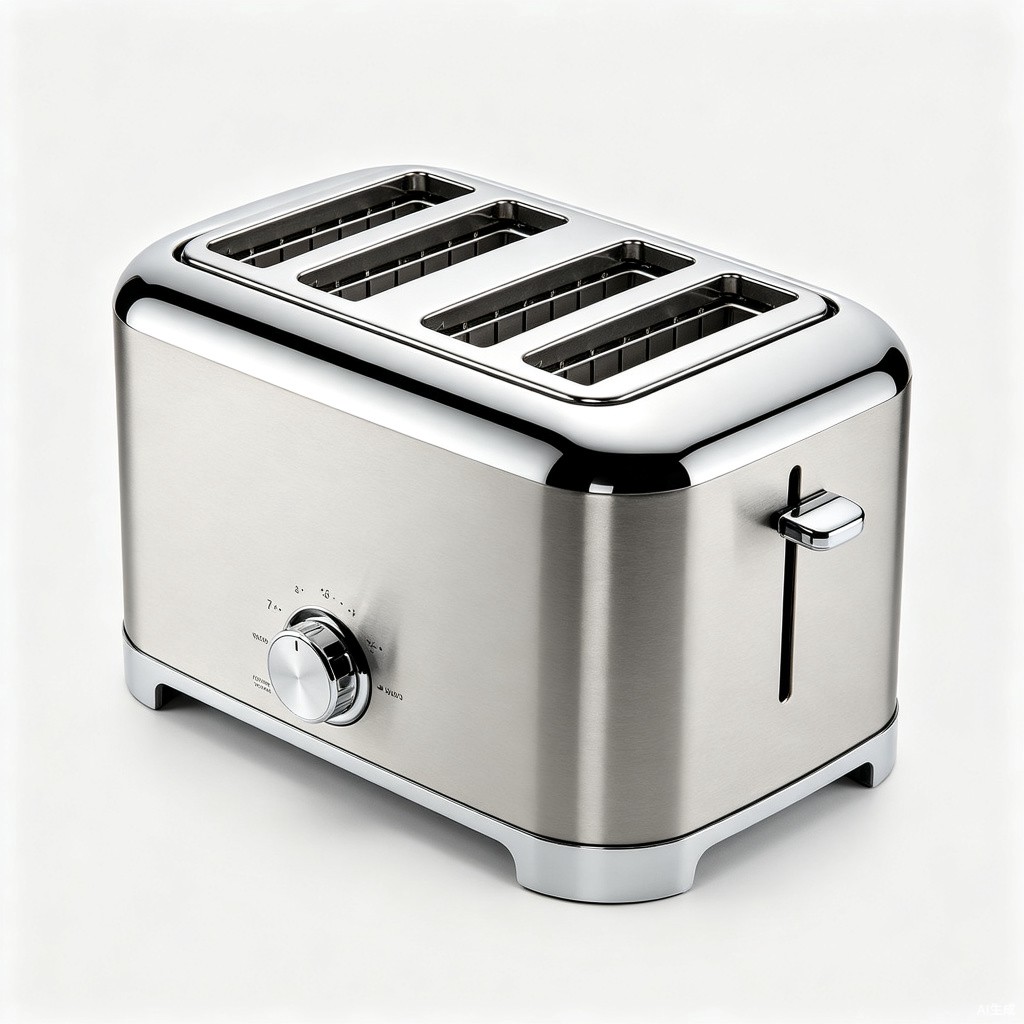
Pop-up toasters are the most iconic type on the market. These toasters feature vertical slots into which you insert bread, bagels, or waffles. Internal nichrome wire heating elements radiate heat directly onto the bread's surface, and when the cycle is complete, a spring-loaded mechanism pops the toast upward for easy retrieval.
The biggest advantage is speed. A quality pop-up toaster produces perfectly golden toast in 60–90 seconds — faster than any other type. They're also the most compact option, typically occupying only 7×10 inches of counter space. Modern models come in 2-slot and 4-slot configurations, with features ranging from basic browning dials to digital displays, bagel settings, and extra-wide slots for artisan bread.
Pros
- Fastest toasting of any type — perfect toast in under 90 seconds
- Compact footprint; fits easily on any countertop or in a cabinet
- Most affordable type — good models start at $25–$50
- Simple to use with consistent, even browning on both sides
- Energy efficient — uses less power than a toaster oven
Cons
- Limited to toasting; cannot bake, broil, or reheat other foods
- Slot width limits bread types — thick-cut or irregular shapes may not fit
- Can't toast items that need to be laid flat (open-faced sandwiches, pizza)
- Lower-end models may produce uneven browning between slots
Best for: Individuals, couples, and families who primarily want quick, consistent toast from standard bread, bagels, or waffles. Ideal for small kitchens where counter space is at a premium.
Price range: $20–$100. Budget models from Black+Decker and Hamilton Beach are $20–$40; quality mid-range models from Cuisinart and Breville are $50–$100.
2. Toaster Ovens
Toaster ovens are compact versions of your full-size oven, designed to sit on the countertop. Instead of vertical slots, they feature a horizontal door that opens downward to reveal a cavity with wire racks and a baking pan. Heating elements at the top and bottom can toast, bake, broil, and reheat a wide variety of foods. Most models include adjustable temperature controls (150°F–450°F), a timer, and multiple rack positions.
The versatility is the greatest strength: you can toast four to six slices at once, bake cookies, broil sandwiches, reheat pizza, or warm a frozen dinner — all in one appliance. The trade-off is size and speed. Toaster ovens take 4–7 minutes to toast bread (versus 1–2 for a pop-up), occupy around 16×14 inches of counter space, and can produce uneven browning unless you rotate food halfway through.
Pros
- Highly versatile — toast, bake, broil, reheat, and keep warm
- Larger capacity; can toast 4–6 slices or cook a small meal at once
- Can toast open-faced items that won't fit in a pop-up toaster
- Uses less energy than a full-size oven for small cooking tasks
Cons
- Slower toasting — 4–7 minutes per batch
- Larger footprint; takes up significant counter space
- Can produce uneven browning without rotating food
- More expensive than basic pop-up toasters
Best for: People who want a versatile countertop appliance that can do more than just toast bread. Ideal for small apartments, dorm rooms, or anyone who wants to bake, broil, and reheat without using a full-size oven.
Price range: $40–$300. Basic models start at $40–$80; quality mid-range models from Breville, Cuisinart, and KitchenAid are $100–$250.
3. Convection Toaster Ovens
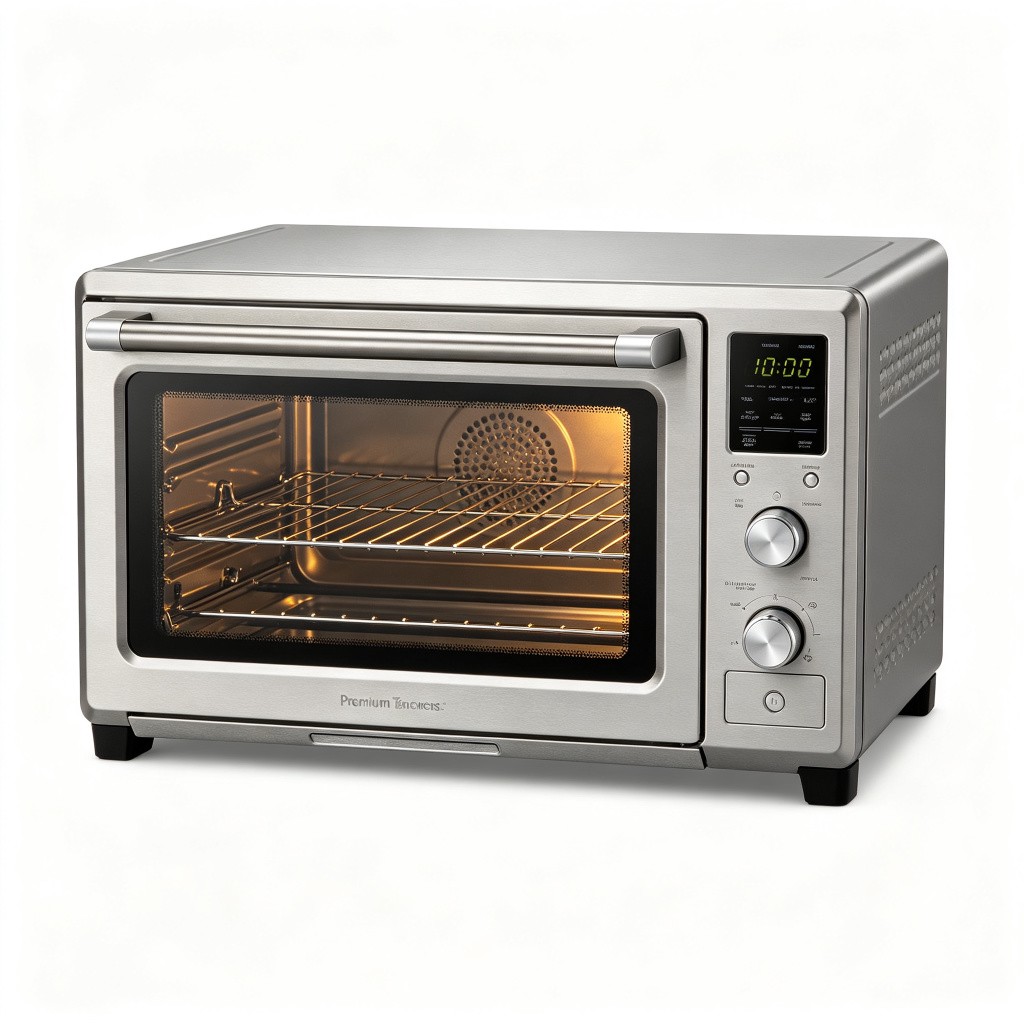
Convection toaster ovens add a built-in fan that actively circulates hot air throughout the cooking cavity. This forced-air convection technology — the same principle used in professional restaurant ovens — produces faster, more even cooking and significantly better browning than a standard toaster oven.
The fan eliminates hot and cold spots inside the oven, so your toast browns evenly without needing to rotate it. It also speeds up cooking times by roughly 25–30% compared to a conventional toaster oven. Many convection toaster ovens can genuinely replace a full-size oven for everyday tasks, handling everything from roasting a chicken to baking a cake. Premium models from Breville feature digital temperature controls and smart cooking algorithms that automatically adjust heating elements and fan speed for different modes.
Pros
- Faster, more even cooking and browning than standard toaster ovens
- Can replace a full-size oven for most everyday cooking tasks
- Large capacity; many models fit a 12-inch pizza or a small chicken
- Advanced digital controls and multiple cooking modes on premium models
Cons
- Most expensive toaster type — quality models start at $150, can exceed $500
- Largest footprint; requires substantial counter space
- More complex; more components that could potentially need repair
- Overkill for people who only need to toast bread
Best for: Home cooks who want a versatile countertop oven that can handle serious cooking tasks — baking, roasting, broiling — in addition to toasting. Ideal for small kitchens without a full oven or anyone who wants to avoid heating up the whole kitchen with a large oven.
Price range: $80–$500. Entry-level convection toaster ovens start at $80–$150; premium models from Breville and Wolf range from $250–$500.
4. Toaster Oven with Air Fry
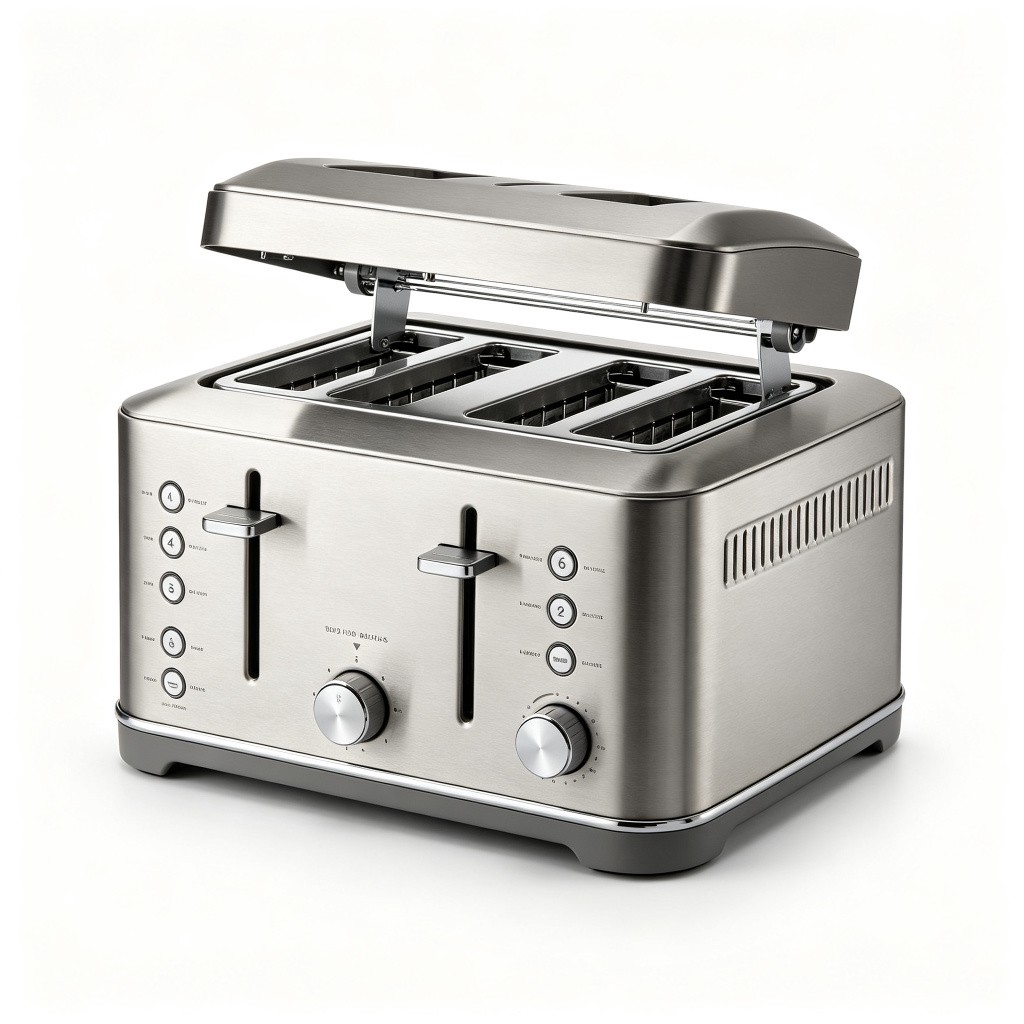
Toaster ovens with air fry functionality combine all the capabilities of a convection toaster oven — toast, bake, broil, reheat — with a dedicated air frying mode that uses a powerful fan and very high heat to cook food with little or no oil. The air fry function supercharges the convection fan and runs heating elements at maximum output, producing a rush of very hot air (400°F–450°F) that creates a crispy exterior through accelerated Maillard browning — similar to deep frying but with 70–80% less oil.
The appeal is obvious: one appliance replaces your toaster, toaster oven, and air fryer. This saves counter space and gives you maximum cooking flexibility. However, the air fry function in a toaster oven is generally not quite as effective as a dedicated basket-style air fryer, because the larger cavity means the air doesn't circulate as intensely around the food.
Pros
- All-in-one appliance replaces toaster, toaster oven, and air fryer
- Air fry mode produces crispy results with minimal oil
- Saves counter space compared to owning separate appliances
- Large capacity for cooking full meals
Cons
- Air fry performance not quite as good as a dedicated basket air fryer
- Expensive — quality models typically cost $150–$400
- Large and heavy; requires significant counter space
- Overkill if you already own a separate air fryer
Best for: People who want maximum functionality from a single appliance and don't have room (or desire) for separate toaster oven and air fryer units. Ideal for health-conscious cooks who want fried-style food with less oil.
Price range: $100–$400. Mid-range models from Ninja, Cuisinart, and Cosori are $100–$200; premium models from Breville range from $250–$400.
5. Sandwich / Melting Toasters
Sandwich toasters (also called melting toasters or sandwich makers) feature hinged plates that close over bread, applying heat and gentle pressure to both sides at once. The result is a perfectly toasted sandwich with melted cheese and warm fillings — similar to a panini press but smaller and more focused on the toast-and-melt task. The classic use case is the grilled cheese: place bread and cheese between the plates, close the lid, and within two to three minutes you have a golden, crispy sandwich.
Some models feature removable, interchangeable plates that let you switch between flat grill plates, ribbed panini plates, and waffle plates — adding versatility to a compact appliance.
Pros
- Perfect for grilled cheese, paninis, and warm sandwiches
- Toasts both sides simultaneously; faster than a toaster oven for sandwiches
- Compact and affordable; most models are $20–$60
- Sealed edges prevent cheese and fillings from leaking out
- Some models offer interchangeable plates for added versatility
- Easy to clean; non-stick plates wipe clean quickly
Cons
- Limited functionality — primarily designed for sandwiches and melts
- Can't toast plain bread or bagels as well as a pop-up toaster
- Small capacity; usually only makes one or two sandwiches at a time
- Not suitable for baking, broiling, or other cooking tasks
- Hinged design limits the thickness of items you can toast
Best for: Sandwich lovers who want a dedicated appliance for grilled cheese, paninis, and warm melts. Great as a secondary toaster alongside a pop-up model for bread and bagels.
Price range: $20–$60. Most models from Hamilton Beach, Black+Decker, and Cuisinart fall in the $25–$50 range.
6. Specialty Toasters
Beyond the mainstream categories, the toaster market includes a variety of specialty designs built for specific tasks or aesthetic preferences.
- Bagel toasters: Extra-wide, extra-tall slots designed for bagels. Many include a one-sided heating mode that toasts the cut face while warming the outer crust. Ideal for daily bagel eaters.
- Bun warmers: Small enclosed devices that keep bread, rolls, and buns warm at low temperatures (150°F–200°F) without further toasting. Popular for dinner parties and holiday meals.
- Retro and designer toasters: Brands like Smeg, KitchenAid, and Breville produce toasters with polished chrome, pastel colors, and 1950s-inspired silhouettes. They perform well but carry a design premium of 30–50% over comparable non-designer models.
- Single-slice and travel toasters: Ultra-compact models for dorm rooms, RVs, and office break rooms. They sacrifice some performance for portability and minimal counter footprint.
Toaster Comparison Table
Here's a side-by-side comparison of all six toaster types to help you see the key differences at a glance:
| Toaster Type | Best For | Speed | Versatility | Counter Space | Price Range |
|---|---|---|---|---|---|
| Pop-Up Toaster | Quick daily toast | Very Fast | Low | Compact | $20–$100 |
| Toaster Oven | Multi-function cooking | Moderate | High | Medium | $40–$300 |
| Convection Toaster Oven | Even baking and roasting | Fast | Very High | Large | $80–$500 |
| Toaster Oven + Air Fry | All-in-one functionality | Fast | Highest | Large | $100–$400 |
| Sandwich Toaster | Grilled cheese and melts | Fast | Low | Compact | $20–$60 |
| Specialty Toaster | Specific tasks or design | Varies | Low–Medium | Varies | $30–$300 |
Which Type Is Right for You?
With all these options, making a decision can feel overwhelming. Here's a simple decision framework based on your specific situation.
- Choose a pop-up toaster if: You primarily want fast, consistent toast for bread, bagels, or waffles. You value speed, compact size, and simplicity. This is the most popular choice for a reason.
- Choose a toaster oven if: You want more than just toast — baking cookies, broiling sandwiches, reheating pizza. You have the counter space and don't mind slightly slower toasting.
- Choose a convection toaster oven if: You're a home cook who wants a serious countertop oven for baking, roasting, and broiling with professional-quality results. You're willing to invest more money and space.
- Choose a toaster oven with air fry if: You want maximum versatility from a single appliance and don't already own a separate air fryer. You enjoy fried-style foods with less oil.
- Choose a sandwich toaster if: You love grilled cheese and paninis. You want a compact, affordable secondary appliance. You don't need baking or broiling.
- Choose a specialty toaster if: You have a specific need — a bagel toaster, retro design, or bun warmer. These are niche products for specific use cases.
Still not sure? For the vast majority of people, a quality pop-up toaster in the $40–$80 range offers the best combination of speed, convenience, and value. If you want more versatility and have the counter space, a convection toaster oven in the $150–$300 range is the most capable all-around appliance you can buy.
Ready to see specific model recommendations? Our testing team has put dozens of toasters through rigorous trials. Check out our best toasters of 2026 for our top picks across every category and price point.
Ready to Find Your Perfect Toaster?
Now that you know which type of toaster fits your lifestyle, see which specific models our testing team recommends this year.
See Our Best Toaster Reviews →