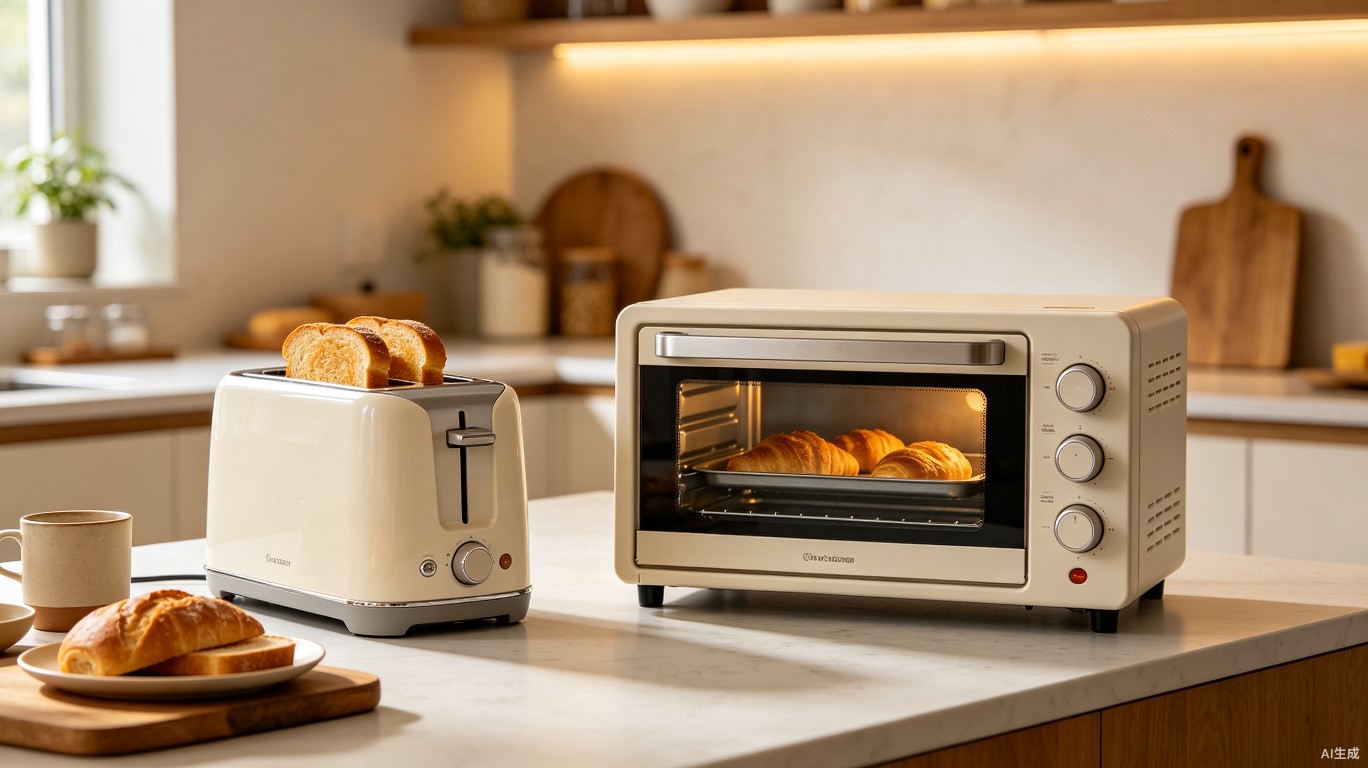
Walk into any kitchen appliance store or browse online, and you will find two categories of toasters competing for your counter space: the classic pop-up toaster and the versatile toaster oven. Both have loyal fans, and both get the job done. But which one is the right choice for your kitchen, your budget, and your lifestyle?
In this comprehensive comparison, we break down every key factor — from toasting speed and bread quality to energy consumption and price — so you can make a confident decision. Whether you are a busy professional who just wants quick toast or a home cook who craves versatility, this guide has you covered.
What Is a Pop-Up Toaster?
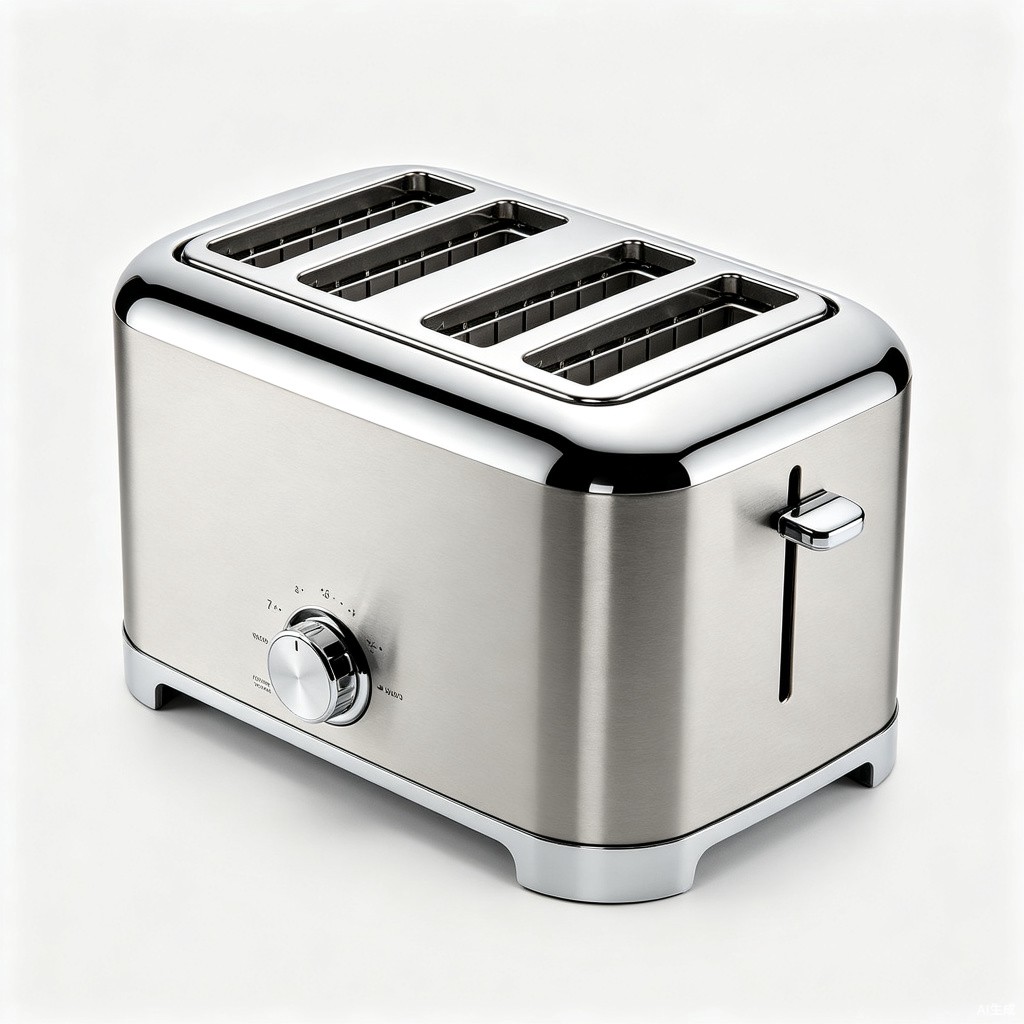
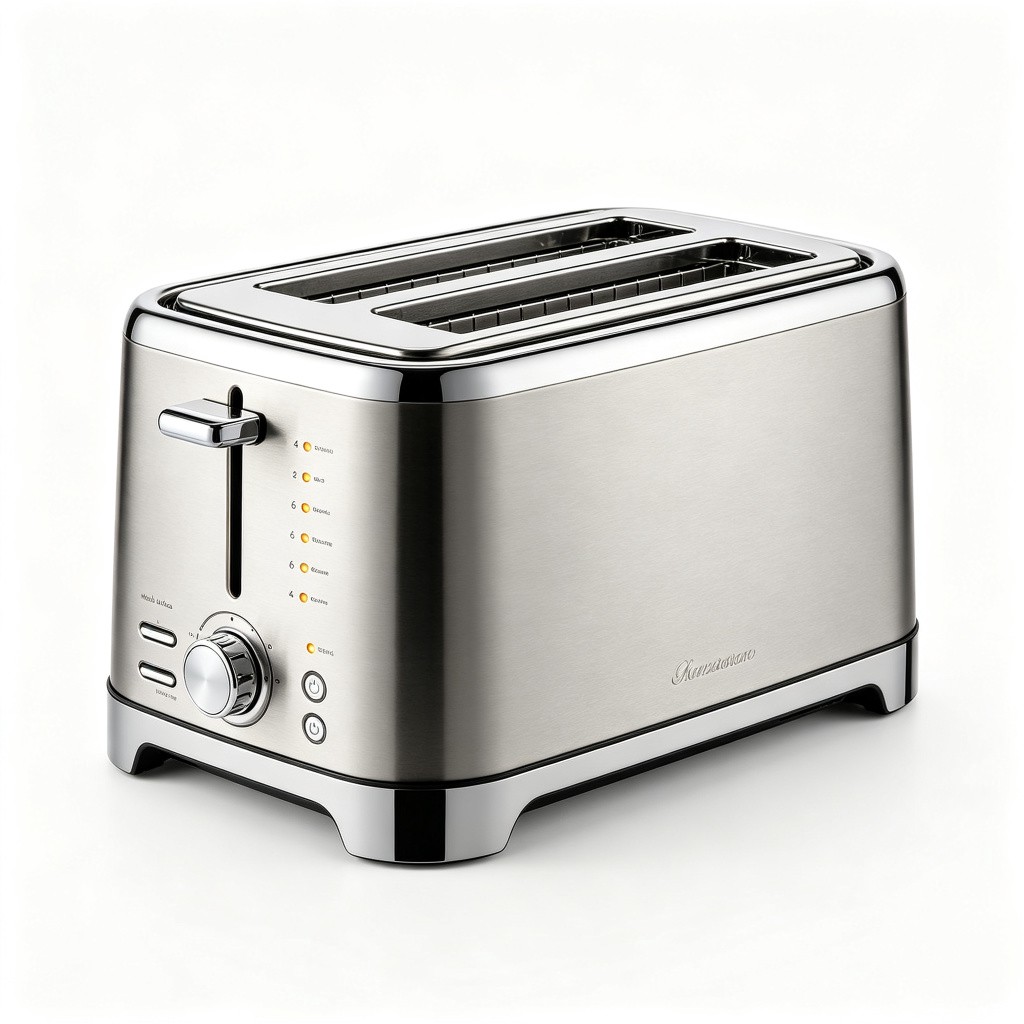
A pop-up toaster is the quintessential breakfast appliance. You slide bread into the slots, select your preferred browning level, push down the lever, and wait for the toast to pop up. Simple, fast, and purpose-built, pop-up toasters have been a kitchen staple for decades.
- Design: Compact, rectangular body with 2 or 4 narrow slots
- Function: Primarily designed for toasting bread, bagels, and waffles
- Typical wattage: 800W to 1,500W
- Best for: People who want fast, consistent toast with minimal effort
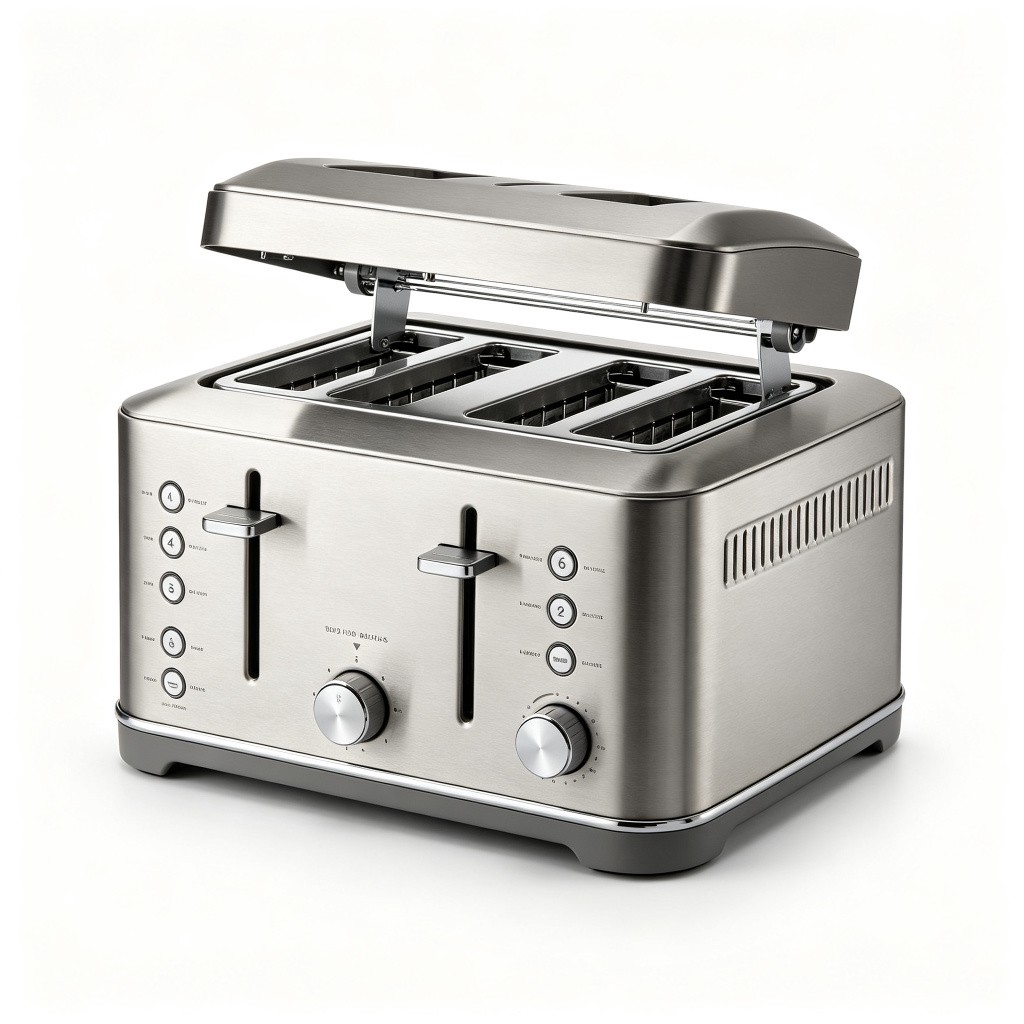
Modern pop-up toasters come with features like bagel settings, defrost modes, extra-wide slots for artisan bread, and stainless steel finishes. They remain the fastest way to get perfectly browned bread on the table.
What Is a Toaster Oven?
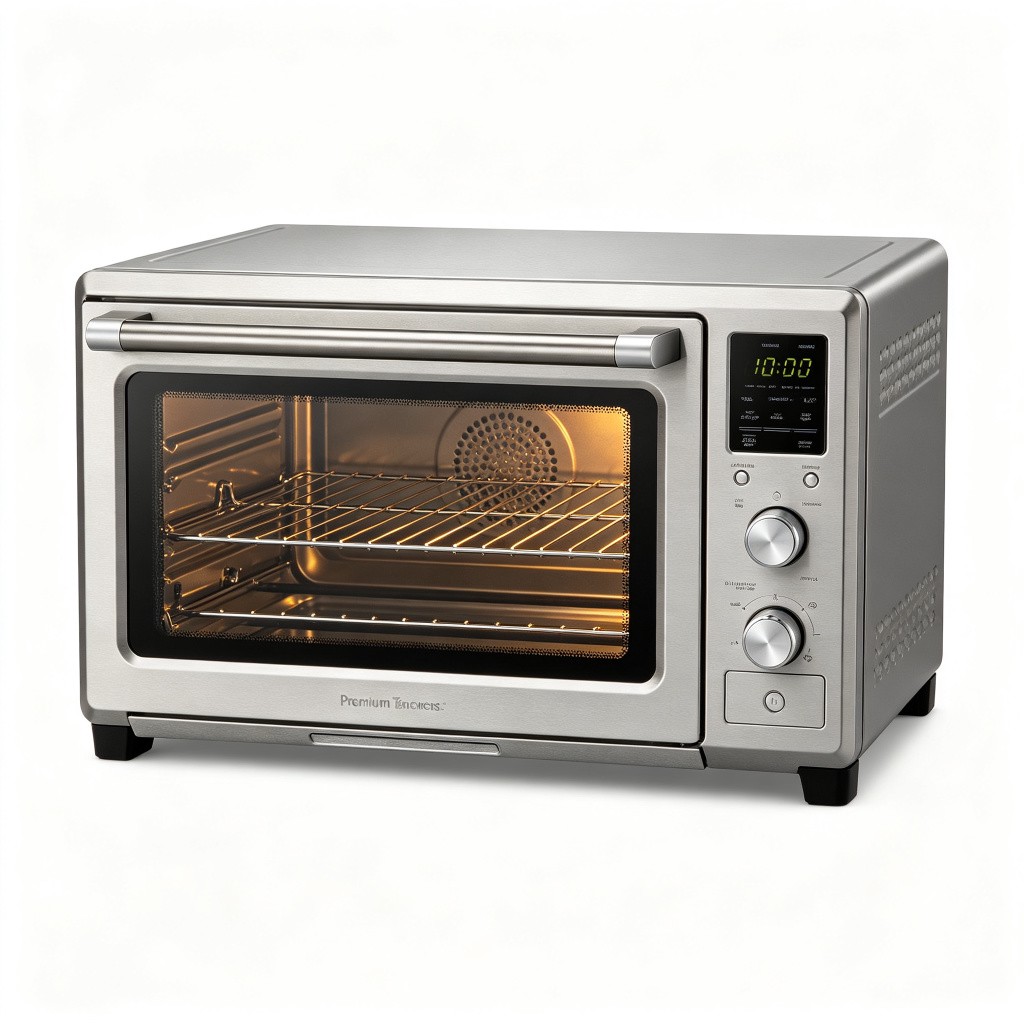
A toaster oven is essentially a compact countertop oven that can toast, bake, broil, and reheat food. It looks like a small oven with a door that opens downward or to the side, and it uses heating elements on the top and bottom to cook food evenly.
- Design: Box-shaped with a hinged door, interior rack, and removable crumb tray
- Function: Toast, bake, broil, reheat, and sometimes air fry or convection cook
- Typical wattage: 1,200W to 1,800W
- Best for: Home cooks who want an all-in-one appliance for multiple tasks
Premium toaster ovens like the Breville Smart Oven Pro offer Element IQ technology, super convection, and up to 10 cooking functions. They can genuinely replace a full-size oven for many everyday tasks.
Speed & Convenience
If speed is your top priority, the pop-up toaster wins hands down. A standard pop-up toaster can produce golden toast in just 2 to 3 minutes. There is no preheating, no opening a door, and no watching your bread closely. You push the lever and walk away.
A toaster oven, by contrast, typically takes 5 to 10 minutes to toast bread because it needs to heat a larger cavity. Some models offer a dedicated toast function that cuts this down, but they still cannot match the raw speed of a pop-up toaster.
For rushed weekday mornings when every minute counts, a pop-up toaster is unbeatable. You literally cannot toast bread faster.
Versatility
This is where the toaster oven shines and the pop-up toaster falls short. A toaster oven is a multi-tasking powerhouse. Beyond toasting bread, you can:
- Bake cookies, muffins, and small cakes
- Broil meats, fish, and vegetables
- Reheat leftover pizza, casseroles, and fried food
- Make personal pizzas on English muffins or pita bread
- Roast vegetables and small cuts of meat
- Air fry (on models with convection or air fry settings)
A pop-up toaster, on the other hand, is essentially a single-task device. It toasts bread, bagels, and waffles — and that is about it. If you want to melt cheese on a slice of bread or bake a small dish, you are out of luck.
Toast Quality
For pure toast quality, a good pop-up toaster generally delivers more even browning. The heating elements are positioned close to the bread on both sides, ensuring uniform color and crispness across the entire slice. High-quality models with 7 or more browning settings let you dial in your perfect shade with precision.
Toaster ovens can produce decent toast, but the results are often less consistent. Because the heating elements are farther from the bread and the cavity is larger, you may notice uneven browning — darker near the elements and lighter in the center. Higher-end models with convection fans improve this significantly, but a $30 pop-up toaster can still out-toast a $200 toaster oven when it comes to simple bread toasting.
Energy Efficiency
Pop-up toasters are more energy-efficient for toasting tasks. They use between 800W and 1,500W, and because they heat a small, enclosed space for a short duration (2-3 minutes), the total energy consumed per use is quite low — typically around 0.03 to 0.06 kWh per toast cycle.
Toaster ovens use between 1,200W and 1,800W and require longer cooking times (5-10 minutes for toast, even longer for baking). This means each use consumes more energy — roughly 0.10 to 0.25 kWh per cycle. Over the course of a year, this difference adds up, especially in households that toast bread daily.
That said, a toaster oven uses less energy than heating up a full-size oven for small meals, so it can still save energy compared to conventional oven use.
Counter Space & Storage
Counter space is a precious commodity in most kitchens. A typical 2-slice pop-up toaster has a footprint of roughly 10 by 7 inches and stands about 7 to 8 inches tall. It is compact, easy to store in a cabinet, and barely noticeable on a countertop.
A toaster oven is considerably larger. Even compact models measure around 16 by 12 inches and stand 10 to 11 inches tall. Larger models with convection features can be even bigger. If you have a small kitchen with limited counter space, a toaster oven is a bigger commitment.
- 2-slice toaster: ~10 × 7 × 7 inches, 2-4 lbs
- 4-slice toaster: ~12 × 8 × 8 inches, 4-7 lbs
- Compact toaster oven: ~16 × 12 × 10 inches, 8-12 lbs
- Large toaster oven: ~20 × 16 × 12 inches, 12-20 lbs
Price Comparison
Price is another area where the two appliances diverge significantly:
- Pop-up toasters: $20 to $150. You can get an excellent toaster for $30-$60, and premium models with stainless steel bodies and advanced features top out around $150.
- Toaster ovens: $40 to $500. Basic models start around $40, mid-range convection ovens run $100-$250, and premium models like the Breville Smart Oven can exceed $400.
If you are on a tight budget and primarily want toast, a pop-up toaster gives you far better value. If you are willing to invest more for versatility, a toaster oven can replace multiple appliances and justify its higher price.
Who Should Buy a Toaster?

A pop-up toaster is the ideal choice if you:
- Primarily eat toast, bagels, or waffles for breakfast
- Want the fastest possible toasting speed
- Have limited counter space or a small kitchen
- Are on a budget and want the best toast quality per dollar
- Value simplicity and ease of use over multi-function features
- Live alone or with one other person and only need 2 slices at a time
If your morning routine revolves around perfectly browned bread with butter and jam, a pop-up toaster will serve you better than any toaster oven ever could.
Who Should Buy a Toaster Oven?
A toaster oven is the better pick if you:
- Want one appliance that can toast, bake, broil, and reheat
- Often cook small meals and want to avoid heating your full-size oven
- Have a larger household and need to prepare varied dishes
- Enjoy making personal pizzas, melted sandwiches, or roasted vegetables
- Have ample counter space and a larger budget
- Are looking to downsize and replace your conventional oven entirely
A toaster oven is a genuine multi-tasker that can simplify your cooking routine and free up space by replacing several single-use appliances.
The Verdict: Why Not Both?
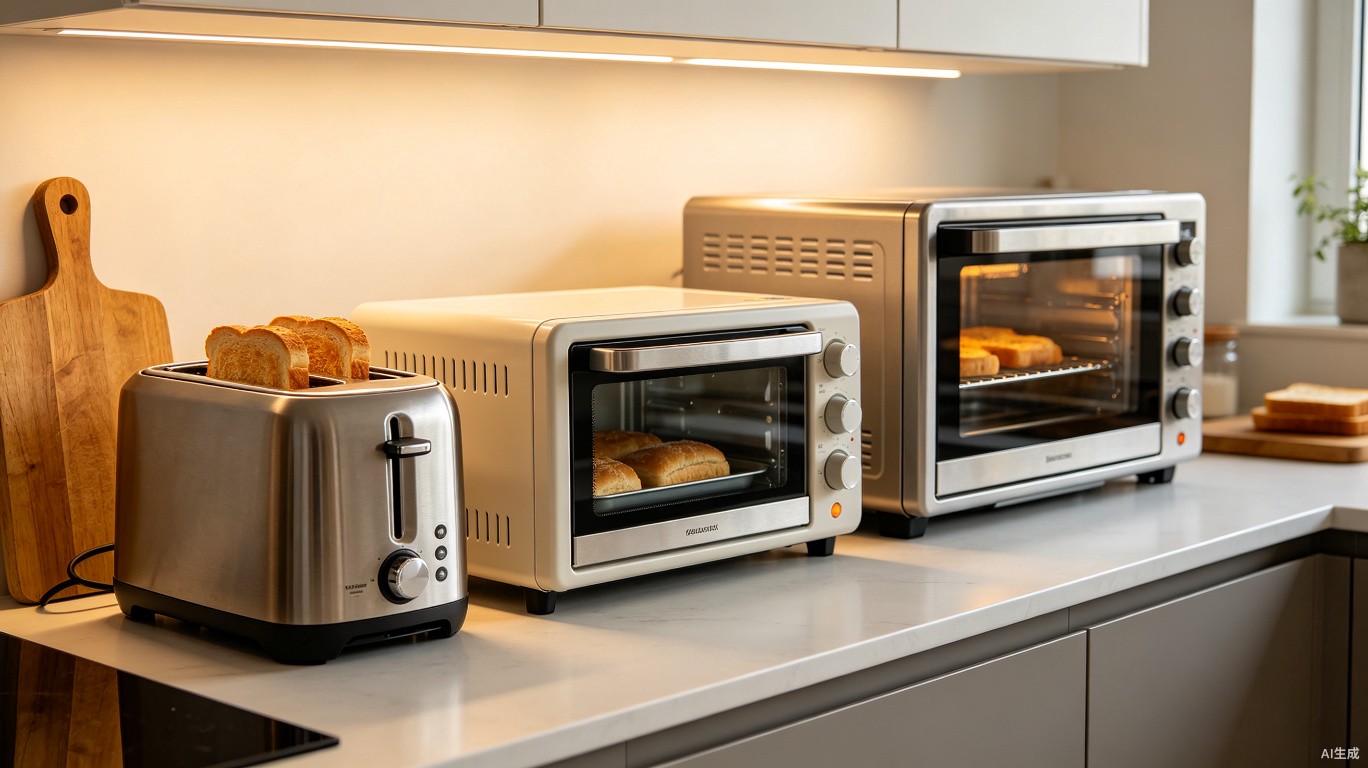
The truth is, many households benefit from owning both. A compact pop-up toaster handles daily breakfast toast quickly and efficiently, while a toaster oven takes care of everything else — reheating leftovers, baking small batches, broiling dinner, and making snacks. If counter space and budget allow, this combination gives you the best of both worlds.
But if you must choose just one, let your primary use case guide the decision: toast-focused? Go pop-up. Versatility-focused? Go toaster oven.
Ready to Find Your Perfect Toaster?
Check out our top-rated toaster picks for 2026, tested and ranked by our expert team.
View Best Toasters of 2026 →