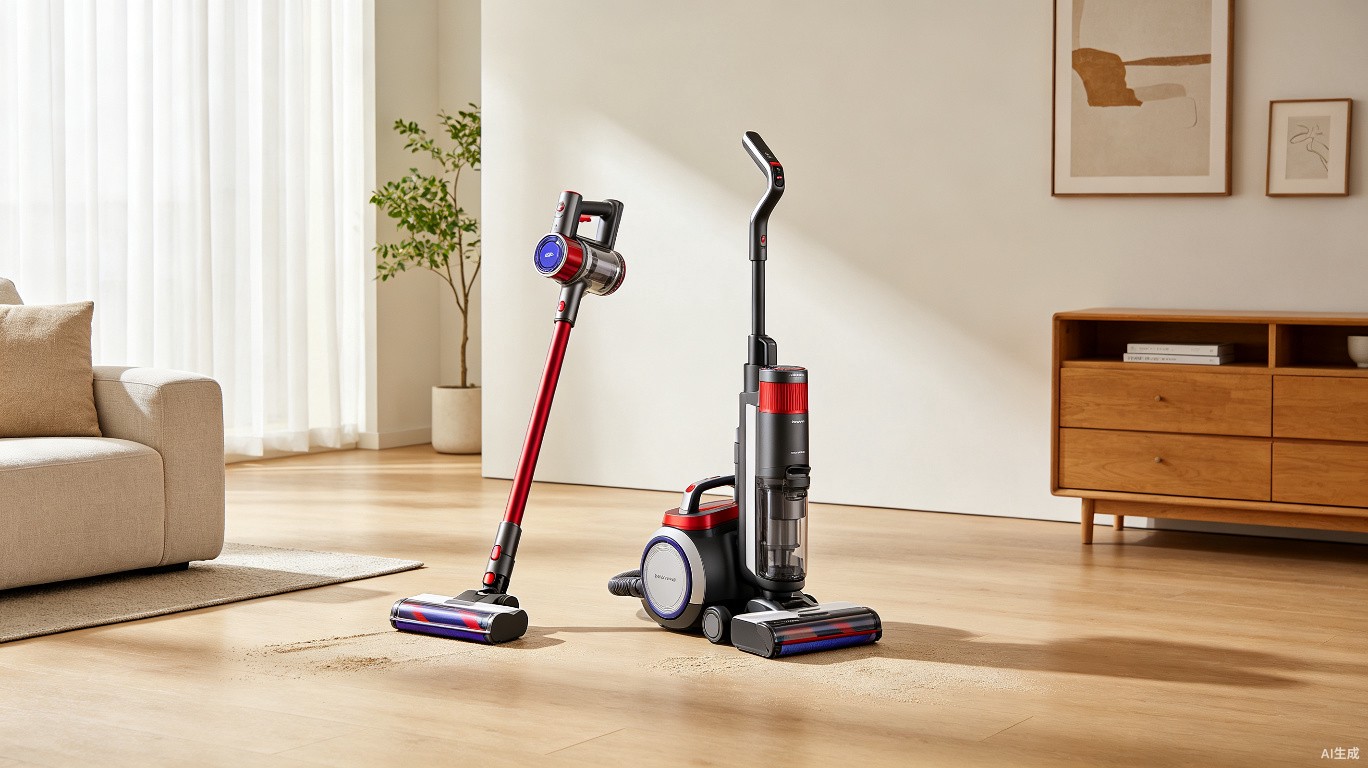
It's the single biggest decision in vacuum shopping today: cordless or corded? A decade ago, the answer was easy — corded vacuums had all the power, and cordless models were weak novelties that died halfway through a room. In 2026, that gap has narrowed dramatically. Modern lithium-ion stick vacuums now deliver suction that rivals plug-in machines, while corded models still hold clear advantages in runtime, deep cleaning, and price.
So which is actually better? The honest answer is that it depends on your home, your floors, and how you clean. In this guide we'll compare cordless and corded vacuums head-to-head across the factors that matter — power, runtime, weight, price, and battery technology — and give you a clear verdict for every type of household.
If you're new to vacuum basics, our beginner's guide covers how suction and filtration work. Here, we'll focus squarely on the cordless-versus-corded question.
What Is a Cordless Vacuum?
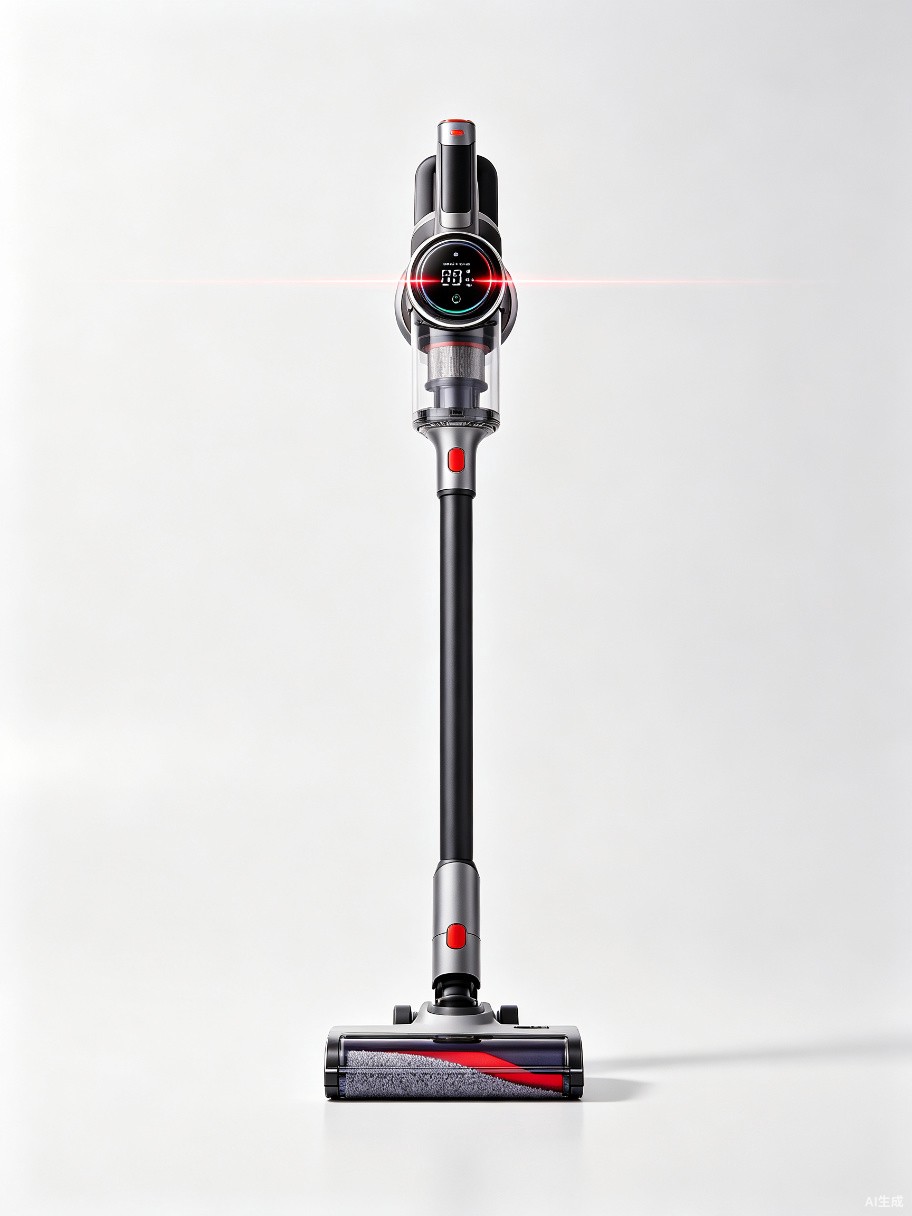
A cordless vacuum runs on a rechargeable battery — almost always lithium-ion — rather than drawing power from a wall outlet. The defining feature is freedom: no cord to plug, unplug, or drag from room to room. Most cordless models are "stick" vacuums — slim, lightweight wands with a motorized cleaning head — and many convert into handheld vacuums for stairs, cars, and furniture. You charge them on a wall-mounted dock, grab them for a quick pass, and put them back.
This convenience is genuinely transformative for daily life. A cordless vac lives within arm's reach and is ready in seconds, which means you'll actually use it for small messes instead of leaving them. The trade-off is finite runtime: a cordless vacuum only cleans as long as its battery lasts, and suction typically weakens as the charge drains.
What Is a Corded Vacuum?
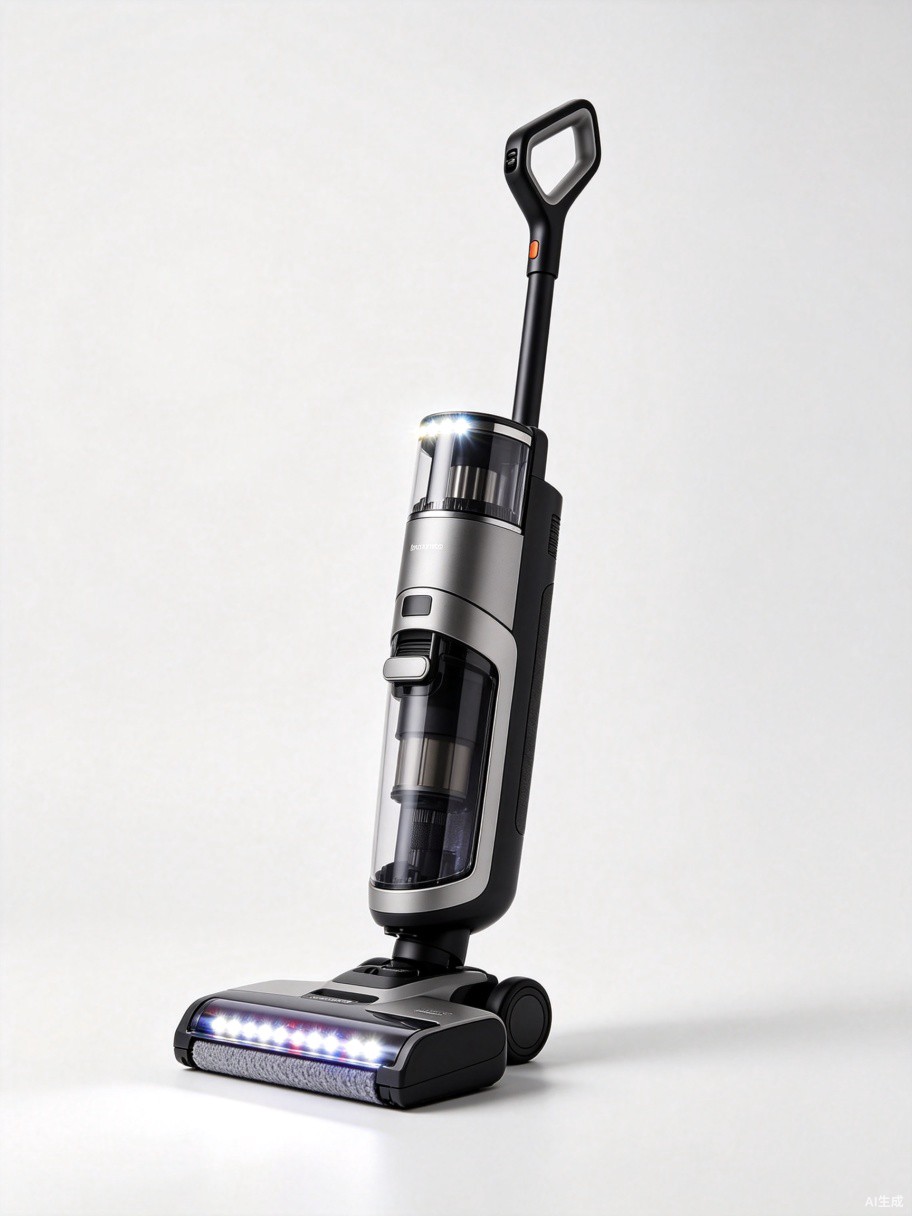
A corded vacuum draws continuous power from a wall outlet. That uninterrupted power supply is its core advantage: full suction from the moment you switch on until the moment you finish, with no battery to drain, recharge, or replace. Corded designs include uprights, canisters, and some stick-style models, and they're generally more powerful, more capacious, and less expensive than comparable cordless machines.
The cost of that unlimited power is the cord itself — typically 20 to 35 feet long. You plug it in, vacuum until you hit the cord's reach, then unplug and re-plug into a closer outlet. Cords can tangle, snag on furniture, and limit mobility, and the machines are often heavier since they don't need to minimize battery drain. But for long, deep-cleaning sessions, nothing beats never having to stop and recharge.
Cordless vs. Corded at a Glance
Here's a side-by-side comparison of how the two types stack up across the factors that matter most:
The Key Differences in Detail
Power Consistency
A corded vacuum delivers full motor power the instant you switch it on, and it maintains that power until you switch it off. A cordless vacuum, by contrast, is strongest with a fresh battery and gradually loses both suction and brush-roll speed as the charge depletes. On "max" or "boost" modes, even premium cordless models may only sustain peak power for 5 to 10 minutes before throttling back to conserve energy. For most quick cleanups this is irrelevant, but for a full deep-clean of a large home it matters a great deal.
Battery Life vs. Unlimited Runtime
This is the cordless vacuum's defining constraint. Typical runtimes range from about 20 minutes on high power to 60 minutes on eco mode — enough for an apartment or a focused cleanup, but often short of a full multi-room deep clean. When the battery dies, you face a 3- to 5-hour recharge before you can continue. A corded vacuum has no such limit; you can clean for as long as the job requires, moving from outlet to outlet as needed. If you regularly clean a large house in one session, runtime is the single biggest reason to choose corded.
Weight and Handling
Cordless vacuums are engineered to be light, because every ounce shortens battery life. Most stick models weigh 3 to 8 pounds, making them effortless to carry up stairs, lift to ceilings, or whip around furniture. Corded vacuums — especially uprights — run 10 to 20 pounds since weight isn't a constraint. That extra mass actually helps drive the brush roll into carpet, but it makes stairs and overhead cleaning tiring. For anyone with limited strength or a multi-story home, weight is a major point in cordless's favor.
Price and Long-Term Cost
Corded vacuums are almost always cheaper for a given level of cleaning performance. A solid corded upright can be had for $80 to $200, while a comparable cordless stick typically starts around $200 and climbs past $700 for premium models. But the long-term math is subtler: cordless vacuums eventually need a replacement battery (often $50 to $150 every 3 to 5 years), while corded models only need bags, belts, and filters. Over a decade, the cost gap can narrow — though corded still tends to win on total cost of ownership.
Suction Power
On raw airflow (measured in CFM or air watts), the best corded vacuums still outperform the best cordless ones, simply because a wall outlet supplies far more sustained power than a battery. That said, the gap has shrunk dramatically. High-end cordless models from Dyson, Shark, and others now generate suction that's more than sufficient for hard floors, low-pile carpet, and pet hair. Where corded still wins decisively is on thick, plush carpet and heavy-duty debris — tasks that demand sustained, high-torque brush-roll power.
What Cordless Vacuums Excel At
Cordless vacuums shine in situations where speed and convenience outweigh raw endurance. Their sweet spots include:
- Quick cleanups: Crumbs under the table, cereal spills, pet hair tumbleweeds — grab it, clean it, dock it in under two minutes.
- Stairs: No cord to drag up each step, and the light weight makes one-handed stair cleaning realistic.
- Car cleaning: Convert to handheld mode and vacuum seats, footwells, and trunks without hunting for an outlet.
- Small homes and apartments: Where a single charge covers the whole space, the cord becomes an unnecessary hassle.
- Above-floor cleaning: Drapes, cobwebs, and high shelves are easy when the wand detaches and the whole unit weighs a few pounds.
What Corded Vacuums Excel At
Corded vacuums dominate whenever the job is big, long, or demanding. They're the better choice for:
- Deep cleaning: Sustained full power lifts embedded dirt and grit that a fading battery would leave behind.
- Whole-house sessions: No runtime limit means you can clean every room in one go without stopping to recharge.
- Heavy-duty debris: Thicker carpets, pet hair packed into fibers, and large volumes of dirt are no match for consistent high suction.
- Plush and high-pile carpet: The combination of constant power and a heavy brush roll revitalizes carpets cordless models struggle with.
- Budget-conscious buyers: More cleaning power per dollar, with no future battery-replacement expense.
Battery Technology Advances
The reason this debate even exists in 2026 is the rapid progress in battery technology. Early cordless vacuums used nickel-cadmium batteries that suffered from memory effect, short runtimes, and weak suction. The shift to lithium-ion changed everything: lighter cells, no memory effect, higher energy density, and consistent power output until nearly depleted.
Runtimes have roughly doubled over the past decade, with flagship models now offering 60 minutes on a single charge — enough for a full apartment clean. Removable, swappable batteries let you keep a spare charged for marathon sessions, and some brands share battery packs across their tool lineups. Fast charging has cut top-up times, and smarter battery management systems protect cells from heat damage to extend lifespan. Solid-state batteries, now appearing in early products, promise another leap in energy density and longevity over the next few years. The cordless disadvantage is shrinking with every generation — but it hasn't vanished yet.
Do You Need Both?
For many households, the best answer isn't "cordless or corded" — it's both. The two types are genuinely complementary rather than competing. A cordless stick vac handles the 80% of cleaning that's quick and frequent: daily pet hair, kitchen crumbs, a fast pass before guests arrive. A corded upright or canister handles the 20% that's deep and occasional: the seasonal whole-house deep clean, revitalizing plush carpets, or post-renovation grit.
This "daily driver plus deep cleaner" combo is increasingly common, and it's how many vacuum enthusiasts get the best of both worlds. If budget forces a single choice, pick based on your dominant need: convenience and frequency favor cordless; power and endurance favor corded.
Budget Considerations
Your budget should shape not just which type you buy, but how you think about value. Under $150, corded vacuums are the clear winner — you'll get a capable, durable machine, while cordless options at that price tend to be underpowered and short-lived. In the $200 to $400 mid-range, both types offer strong value: solid corded uprights with excellent carpet performance, or genuinely good cordless sticks with 40-minute runtimes. Above $500, cordless models pull ahead on features — self-emptying docks, swappable batteries, and motorized tools — while corded machines deliver diminishing returns unless you have demanding carpets.
Always factor in the long-term costs: replacement batteries for cordless ($50–$150 every few years) versus bags, belts, and filters for corded (cheap and infrequent). A $400 cordless may cost more over a decade than a $400 corded, even if the sticker prices match.
The Verdict: Which Should You Choose?
There's no universal winner — only the right choice for your situation. Here's our recommendation by use case:
- Small apartment or condo (mostly hard floors): Go cordless. A single charge covers your space, and grab-and-go convenience is unbeatable.
- Large home with wall-to-wall carpet: Go corded. You need sustained power and unlimited runtime for deep, multi-room cleans.
- Multi-story home with mixed floors: Consider both — a cordless for daily upstairs touch-ups and a corded for weekly deep cleans.
- Pet owners: A cordless stick for daily hair management, plus a corded model for periodic deep extraction of embedded fur and dander.
- Tight budget under $150: Go corded. You'll get far more cleaning power and durability per dollar.
- Busy, time-poor households: A cordless (or a robot vacuum) removes the friction that stops you from cleaning often.
The bottom line: cordless vacuums win on convenience, weight, and frequency of use, while corded vacuums win on power, runtime, price, and deep-cleaning ability. Match the type to how you actually clean, and you won't go wrong. When you're ready to shop, our best vacuums of 2026 includes top picks in both categories, tested and ranked by our team.
Ready to Find Your Next Vacuum?
Now that you know whether cordless or corded suits you, let us point you to the best models in each category. We've tested the leading vacuums on both sides of the divide.
See Our Best Vacuum Reviews →