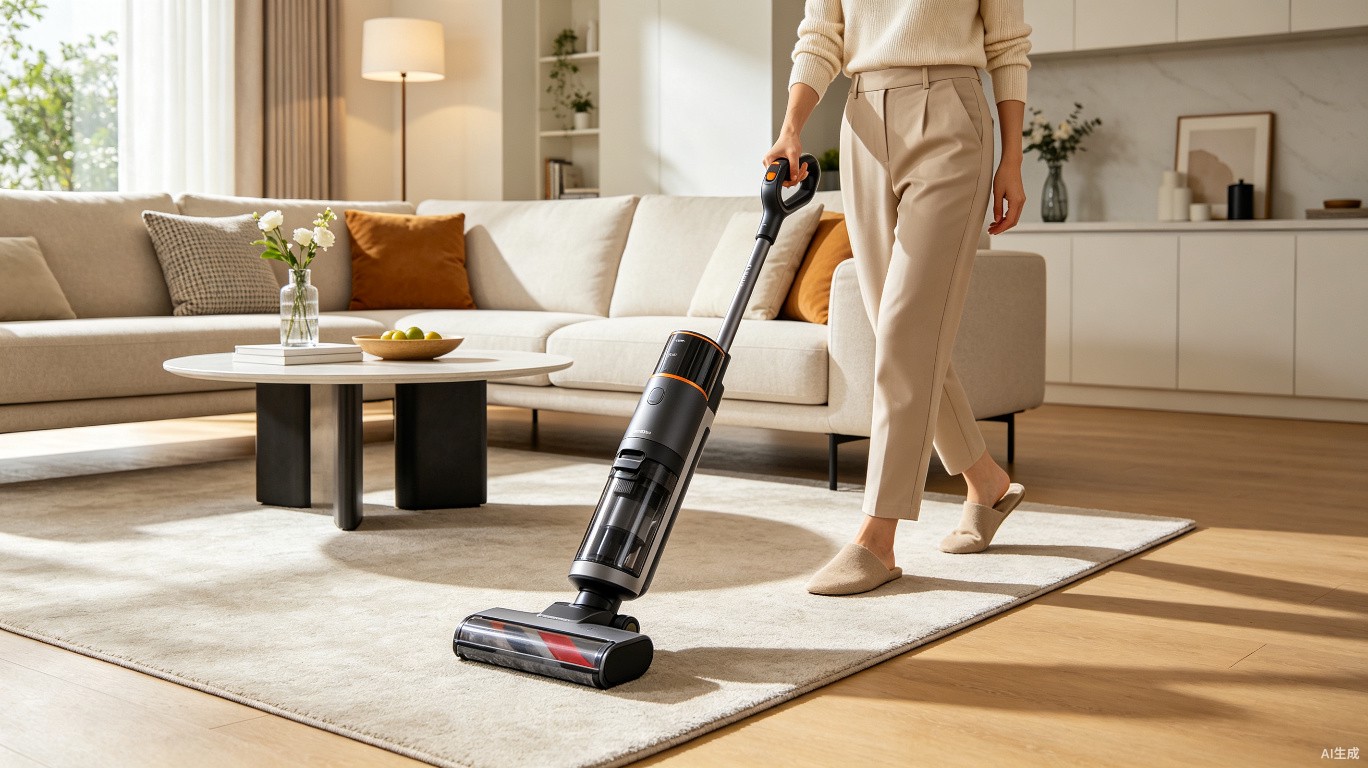
Look in almost any closet, garage, or utility room and you'll find one: a vacuum cleaner. Whether it's a lightweight cordless stick vac tucked in a corner, a robot quietly mapping your living room, or a trusty upright humming across the carpet, the vacuum cleaner is one of the most widely used — and most appreciated — household appliances in the world.
But what exactly is a vacuum cleaner? How does it lift dirt you can barely see out of a carpet you walk on every day? And with so many types, features, and buzzwords on the market, where do you even begin? In this complete beginner's guide, we'll break down everything you need to know.
What Exactly Is a Vacuum Cleaner?
A vacuum cleaner is an appliance that uses an electric motor to create suction — a partial vacuum — that pulls in air along with dust, dirt, pet hair, and debris from floors and other surfaces. That dirty air is then passed through a filter (or a cyclone) that separates the particles from the airflow, trapping them in a dustbin or bag while releasing cleaner air back into the room.
Despite the fancy features on modern models, every vacuum shares the same core idea: move air, and the air carries the dirt with it. The motor spins a fan that pushes air out through an exhaust, which lowers the pressure inside the machine. Higher-pressure air outside rushes in through the cleaning nozzle to fill that low-pressure zone, and it brings dust and debris along for the ride.
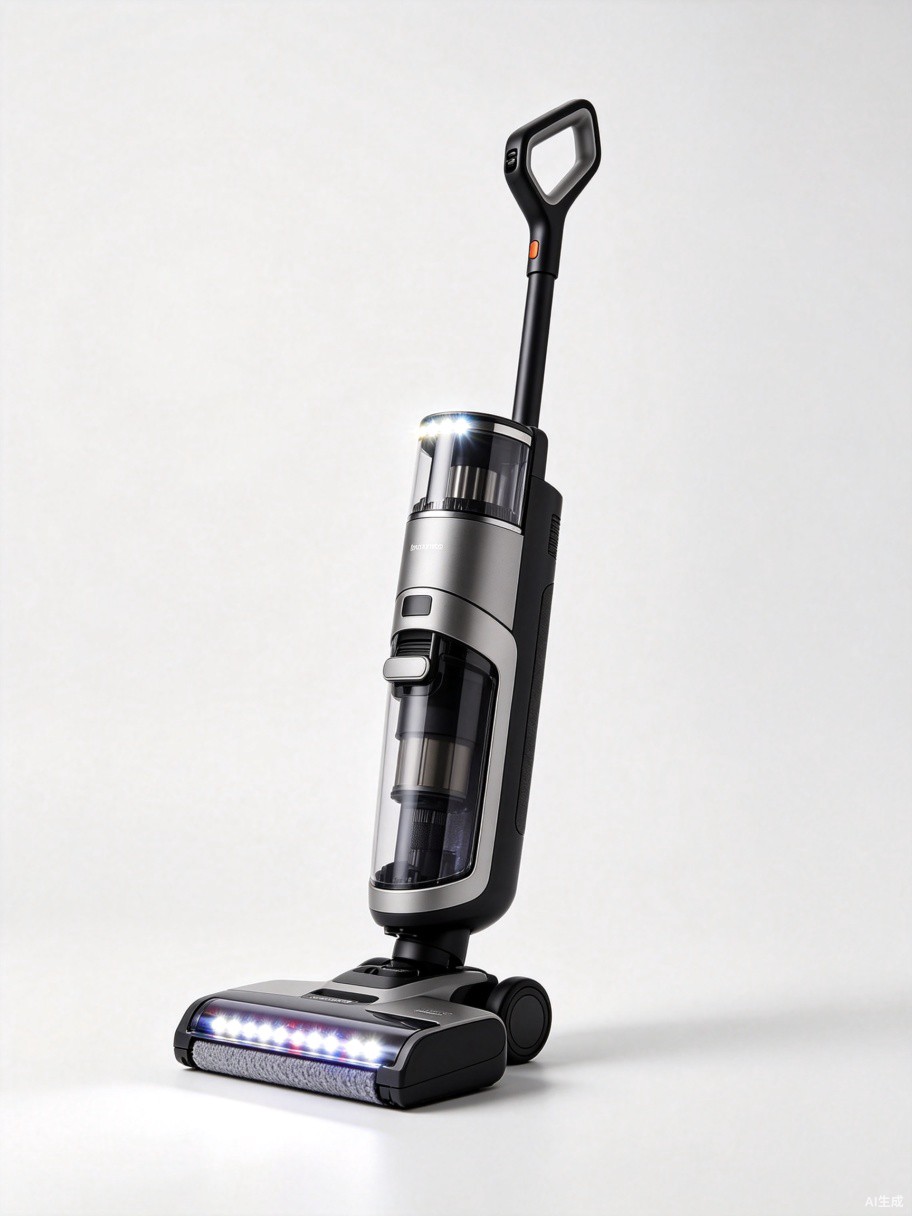
The most recognizable type, the upright vacuum, is what many people picture when they hear the term. You push a tall unit across the floor, a rotating brush roll agitates the carpet to lift embedded dirt, and suction carries it into a bag or canister. But that's just one design among many — and we'll cover the rest shortly.
A Brief History of the Vacuum Cleaner
People have been sweeping floors for thousands of years, but the powered vacuum cleaner is a distinctly modern invention. Before electricity, cleaning rugs meant taking them outside and beating them with a tool to shake loose the dust — a tiring, dusty chore that did little for embedded dirt.
The first big breakthrough came in 1901, when British engineer Hubert Cecil Booth invented a powered vacuum cleaner. Booth's machine was enormous — a horse-drawn, petrol-driven device parked in the street with long hoses fed through windows to clean buildings. It worked on a simple principle Booth had observed: instead of blowing dust around (as earlier "blowers" did), his machine sucked air in through a filter. His company cleaned hotels, theaters, and even royal residences, but the machine was far too large and expensive for ordinary homes.
The vacuum became a household appliance thanks to James Murray Spangler, an American janitor who, in 1907, built a portable electric vacuum from a fan motor, a soap box, and a pillowcase. Spangler's genius was combining suction with a rotating brush, and making it small enough for one person to push. He patented his design and sold a few machines, but lacked the money to scale. In 1908 he sold the patent to W. H. "Boss" Hoover, whose company began mass-producing and marketing the machine. The name "Hoover" became so dominant in many countries that it's still used today as a verb — to "hoover" a carpet means to vacuum it.
Vacuum technology kept evolving through the 20th century. In 1983, British inventor Sir James Dyson introduced the first cyclonic vacuum, which used centrifugal force to spin dust out of the air instead of relying on a bag that clogged and lost suction. Though initially rejected by major manufacturers, Dyson's bagless design reshaped the industry and paved the way for high-suction, low-maintenance machines.
The most recent revolution came in 2002, when iRobot launched the Roomba, the first commercially successful robot vacuum. Suddenly, a small disc could navigate a room on its own, cleaning while you did something else. Today, robot vacuums map homes with lasers, empty themselves, and even mop — turning a once-manual chore into something that happens almost invisibly.
How Does a Vacuum Cleaner Work?
Although vacuums come in many shapes and sizes, they all rely on the same three-step process. Understanding it helps demystify the machine humming across your living room.
- The motor creates suction: When you switch the vacuum on, an electric motor spins a fan at high speed. The fan pushes air out through an exhaust, which lowers the air pressure inside the machine. Because nature hates a pressure imbalance, higher-pressure outside air rushes in through the nozzle to fill the gap — and that inward airflow is what we feel as suction.
- Airflow carries the dirt through a filter and into a dustbin: As air streams in through the nozzle, it sweeps up dust, hair, and debris. That dirty air travels through a filtration system — a bag, a cyclone, or a HEPA filter — that captures the particles. The trapped dirt collects in a dustbin or bag, while the cleaned air flows back out through the exhaust.
- The brush roll agitates the carpet: On carpet cleaners and uprights, a rotating brush roll (the "beater bar") spins against the fibers, vibrating and lifting dirt that suction alone couldn't reach. This agitation is what pulls deeply embedded dust, pet hair, and grit out of carpets — without it, suction would only clean the surface.
The beauty of this design is its reliability. The vacuum handles the variables that matter most for a clean floor — airflow, filtration, and agitation — so you get consistent results with minimal effort. Other types, like cordless sticks and robot vacuums, use the same underlying principles but trade some suction power or capacity for portability and automation.
Different Types of Vacuum Cleaners
Not all vacuums are created equal. The type you choose dramatically affects cleaning performance, convenience, and where you can use it. Here's a quick overview of the main categories:
- Upright vacuums: Tall, push-along units with a motorized brush roll. Great for carpets and whole-house cleaning.
- Canister vacuums: A separate canister on wheels connected by a hose. Excellent for stairs, hardwood, and above-floor cleaning.
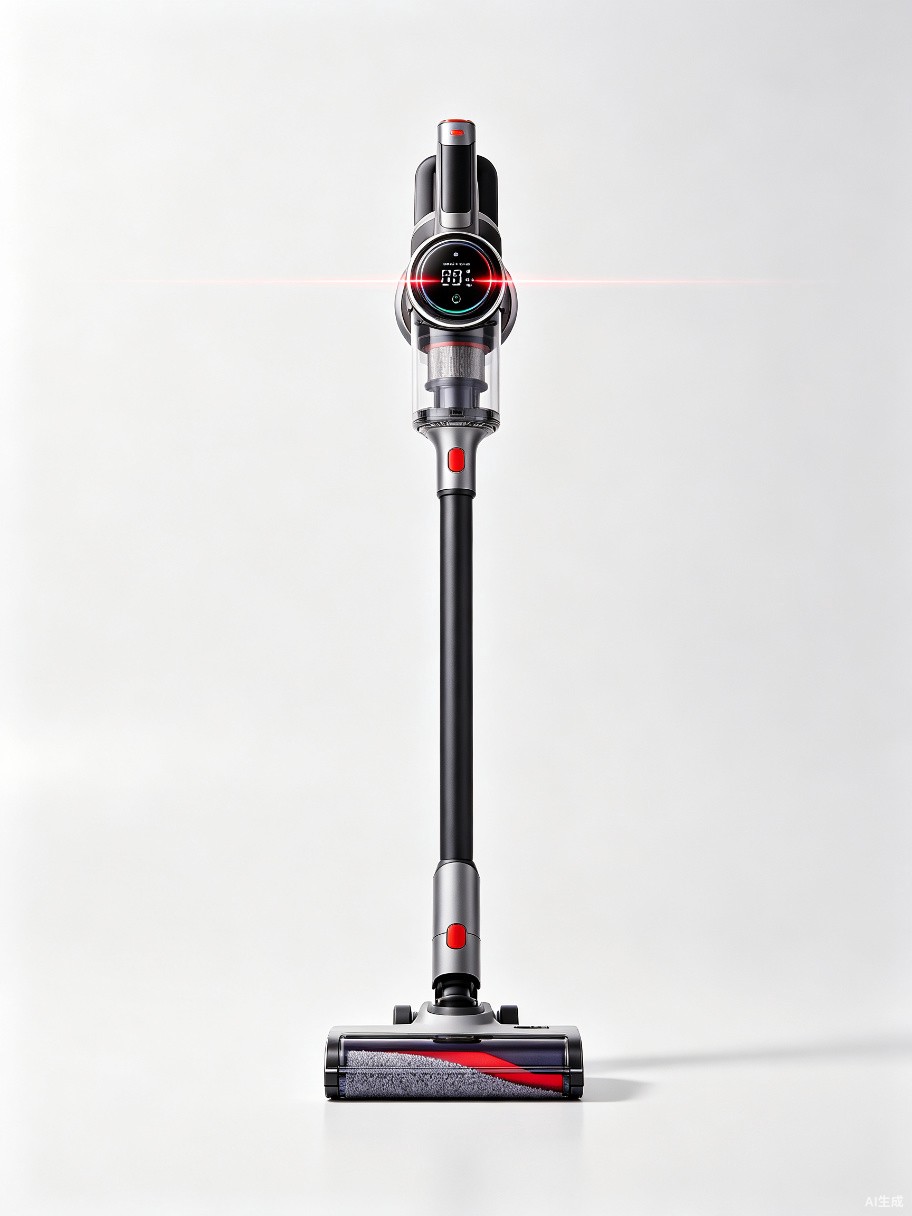
- Cordless/stick vacuums: Lightweight, battery-powered, and rechargeable. Perfect for quick cleanups and small homes.
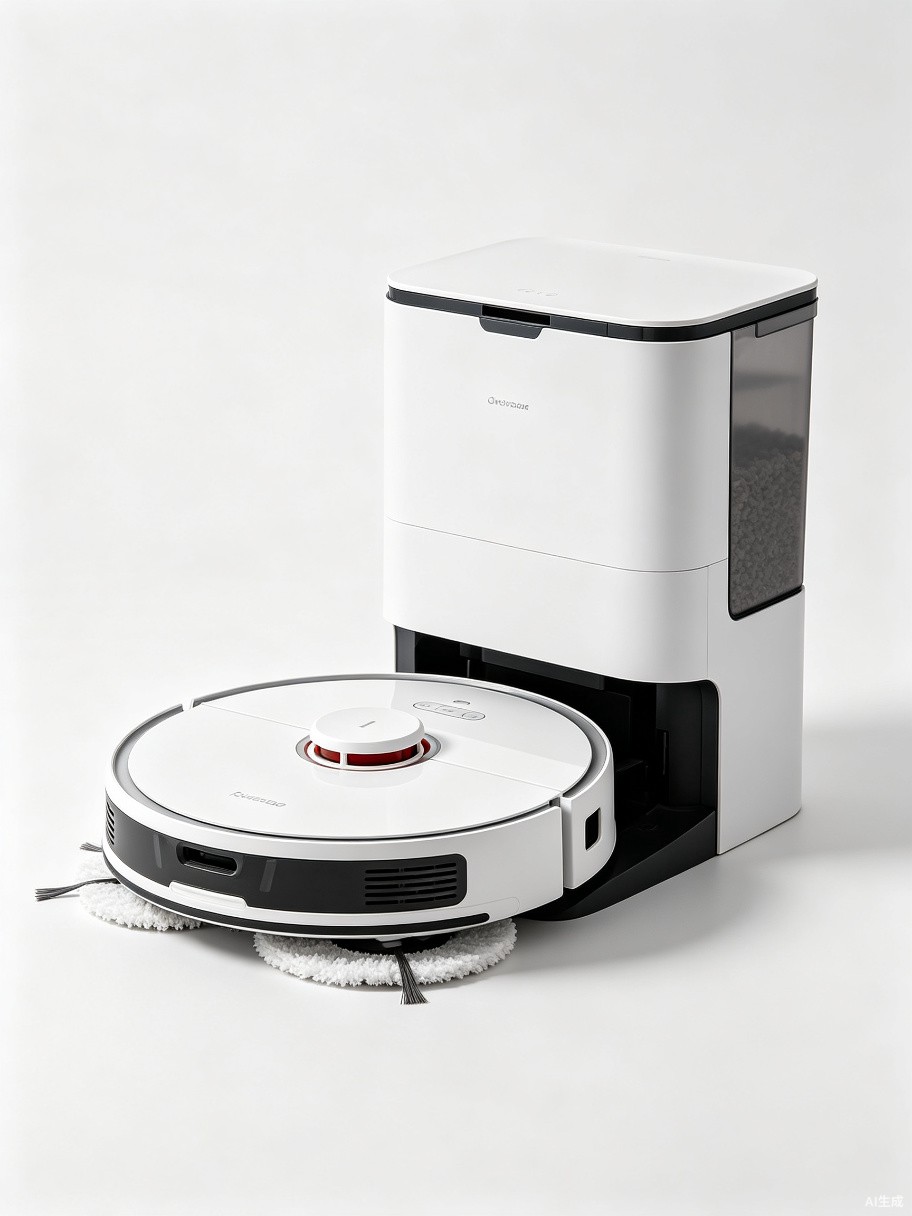
- Robot vacuums: Self-navigating discs that clean autonomously on a schedule. Set it and forget it.
- Handheld vacuums: Compact, portable units for spot-cleaning cars, couches, and crumbs.
- Wet/Dry shop vacuums: Rugged machines that handle both liquids and solids, ideal for garages and workshops.
- Central vacuums: Built-in systems with wall inlets and a remote power unit, offering strong suction with no recirculated dust.
- Carpet cleaners/extractors: Deep-clean machines that inject water and solution, then extract it for a true wash.
We dive deep into each of these in our complete types of vacuums guide, where you'll find pros, cons, and recommendations for each.
Why You Should Own a Vacuum Cleaner
With brooms, mops, and professional cleaning services available, you might wonder whether a vacuum is truly essential. For the vast majority of households, the answer is a resounding yes — and the reasons go far beyond convenience.
1. You'll Capture Dirt a Broom Can't
A broom moves surface dust around, but it does almost nothing for what's trapped in carpet fibers or embedded in rugs. A vacuum's combination of agitation and suction lifts fine dust, pollen, skin cells, and grit from deep within piles — the very particles that wear down fibers and trigger allergies. Independent tests consistently show that vacuuming removes several times more particulate matter from carpets than sweeping ever could.
2. Your Home Will Be Healthier
Carpets and upholstery act like giant filters, trapping allergens such as dust mite waste, pet dander, and pollen. A vacuum equipped with a HEPA filter captures 99.97% of particles down to 0.3 microns, preventing them from being blown back into the air you breathe. For anyone with asthma or allergies, regular vacuuming isn't just about appearances — it's a measurable improvement in indoor air quality.
3. You'll Protect Your Investment in Floors
Hardwood, carpet, and area rugs are significant investments, and dirt is their worst enemy. Grit tracked in on shoes acts like sandpaper underfoot, grinding into finishes and fibers and dulling them over time. Regular vacuuming removes that abrasive debris before it can do damage, extending the life of your flooring and keeping it looking newer for longer.
There are practical benefits too. You can clean on your own schedule, tackle spills and pet hair the moment they happen, and avoid the recurring cost of professional cleaning. For busy households — especially those with pets or kids — a reliable vacuum turns an endless chore into a quick, manageable routine.
How to Choose Your First Vacuum
With so many options, picking your first vacuum can feel overwhelming. The good news is that narrowing it down comes down to answering four honest questions about your home and habits.
- What kind of floors do you have? Wall-to-wall carpet rewards an upright or a motorized canister with a strong brush roll. Mostly hardwood or tile? A canister or cordless stick with a soft roller does better. Mixed floors call for a versatile model that can switch between the two.
- How big is your home? In a small apartment, a lightweight cordless stick may be all you need. In a multi-story house, consider capacity, cord or battery range, and whether you'll carry the machine up stairs — a canister or a second lightweight vac can help.
- Do you have pets or allergy concerns? Pet owners should prioritize strong suction, motorized brush rolls, and tangle-resistant designs. Allergy sufferers should insist on a true HEPA filter and sealed construction so captured dust stays captured.
- What's your budget? Decent corded uprights and canisters start around $80–$150. Capable cordless sticks run $200–$500. Premium robot vacuums climb from $300 to over $1,000. Factor in ongoing costs like bags, filters, and replacement batteries.
If you're still unsure, a mid-range cordless stick vacuum is the safest all-around choice for a beginner. It's light, versatile, and handles both hard floors and low-pile carpets well, with none of the cord-wrangling of older designs. You can always add a robot vacuum for daily maintenance or a corded upright for deep carpet cleaning later.
Ready to compare specific models? Our team has tested dozens of machines to find the best options for every budget and home type. Check out our best vacuums of 2026 to see which ones earned our top scores.
Ready to Find Your Perfect Vacuum?
Now that you understand what a vacuum cleaner is and how it works, it's time to find the right one for your home. We've tested dozens of top models to help you choose with confidence.
See Our Best Vacuum Reviews →