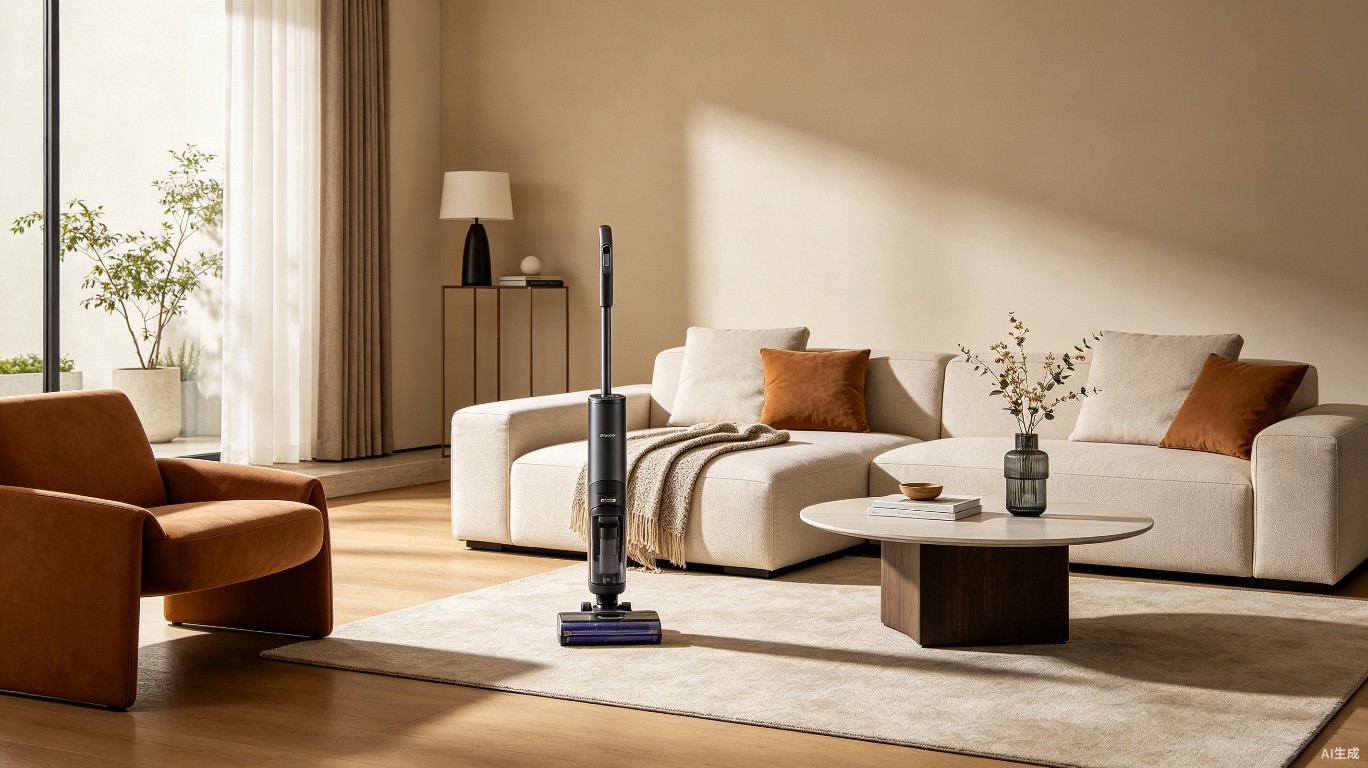
Walk into any appliance store or browse Amazon for vacuums and you'll be hit with hundreds of options — cordless, corded, robot, upright, canister, stick, handheld — each promising to be the last vacuum you'll ever need. It's enough to make anyone's head spin. How do you separate marketing hype from the features that actually matter?
That's exactly why we created this guide. We've spent hundreds of hours testing vacuums across carpet, hardwood, tile, and pet-hair-covered rugs to figure out what really makes a difference. In this complete 2026 buying guide, we'll walk you through every factor you should consider before spending your hard-earned money, from suction power and filtration to battery life and warranty. By the end, you'll know exactly what to look for — and what to ignore.
Why a Vacuum Buying Guide Matters
A vacuum is one of those purchases you hope to make only once a decade. Get it right, and cleaning becomes faster, easier, and more effective. Get it wrong, and you're stuck lugging around a heavy, weak, frustrating machine — or paying for a second vacuum a year later. The stakes are higher than they seem because a vacuum doesn't just clean your floors; it affects your indoor air quality, your time, and even your health if allergies are a concern.
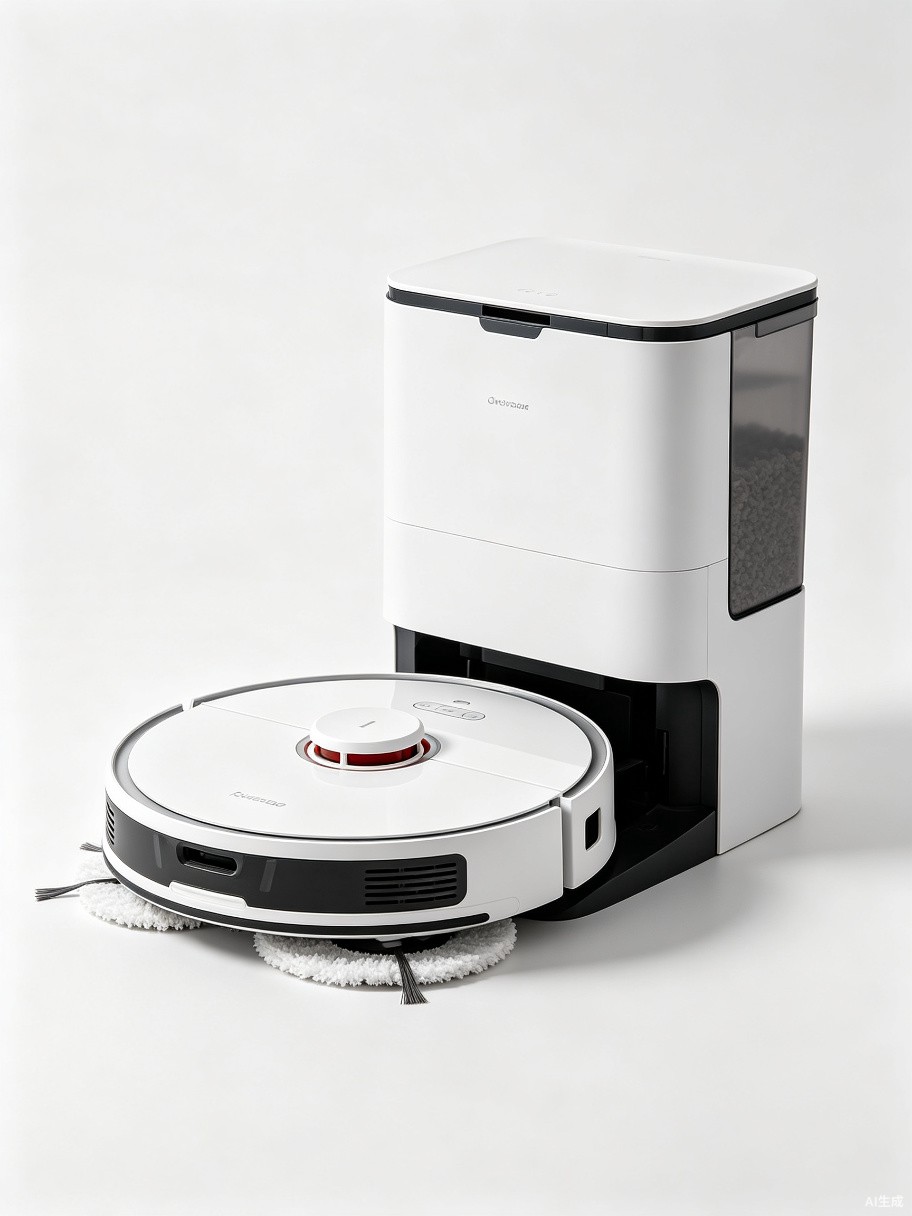
The vacuum market has also changed dramatically in recent years. Cordless stick vacuums have closed the suction gap with corded models. Robot vacuums can now mop, self-empty, and navigate around shoes and pet toys. HEPA filtration, once a premium feature, is now standard on many mid-range machines. Meanwhile, prices range from $50 to over $1,000, and a higher price tag doesn't always mean a better clean. A structured buying guide helps you cut through the noise and match a vacuum's strengths to your specific needs.
Key Factors to Consider When Buying a Vacuum
No single vacuum is best for everyone. The right choice depends on your home, your floors, your family, and your budget. Here are the eight factors that matter most — ranked roughly in order of importance.
1. Suction Power (Air Watts, CFM, Water Lift)
Suction power is the heart of any vacuum, but it's also the most misunderstood spec. Manufacturers love to throw around big numbers, but they don't all measure the same thing. The three metrics you'll see are air watts (AW), which measures the actual suction power at the nozzle; CFM (cubic feet per minute), which measures airflow volume; and water lift, which measures how forcefully the vacuum can pull debris upward. For context, a good cordless vacuum delivers 150–250 air watts, while a powerful corded upright can reach 300+ air watts. As a rule of thumb, look for at least 150 air watts for carpeted homes. Keep in mind that suction only matters if it reaches the floor — a clogged filter or poorly designed nozzle can waste even the strongest motor.
2. Filtration (HEPA, Standard, Bagged vs. Bagless)
Filtration determines not just how clean your floors get, but how clean your air stays. A vacuum with poor filtration simply captures large debris and blows fine dust, pollen, and allergens right back into your living room. True HEPA filters capture 99.97% of particles as small as 0.3 microns — a must for allergy and asthma sufferers. Look for "sealed system" or "whole-machine HEPA" certification, which means air can't leak around the filter. Beyond the filter type, consider bagged versus bagless. Bagged vacuums trap dust more effectively and are better for allergy sufferers because you never expose yourself to a cloud of dust when emptying. Bagless models save you the ongoing cost of bags and let you see when the bin is full, but emptying them can be a dusty affair.
3. Weight and Maneuverability
A vacuum that's too heavy or clumsy will sit in the closet while your floors get dirty. Weight matters more than most people realize — carrying an 18-pound upright up and down stairs every week gets old fast. Cordless stick vacuums typically weigh 5–8 pounds, making them easy to grab for quick cleanups. Uprights range from 12–20 pounds but often propel themselves forward. Beyond weight, consider maneuverability: swivel steering lets you navigate around furniture, a low-profile head reaches under sofas, and a detachable canister helps with stairs and above-floor cleaning. If you have multiple levels, prioritize something you can carry comfortably.
4. Noise Level (Decibels)
Vacuum noise is measured in decibels (dB), and the difference between a quiet and loud machine is striking. Most vacuums fall between 60 and 85 dB. Anything under 70 dB is considered relatively quiet — you can hold a conversation while vacuuming. Above 80 dB, the noise becomes genuinely uncomfortable and can damage hearing with prolonged exposure. Robot vacuums tend to be the quietest, while powerful uprights are often the loudest. If you live in an apartment with thin walls, work from home, or have noise-sensitive pets or sleeping babies, pay close attention to the dB rating. Some modern vacuums now offer dedicated quiet modes that reduce noise at the cost of some suction.
5. Battery Life (For Cordless Models)
If you're considering a cordless vacuum, battery life is make-or-break. Runtime specs can be misleading because they usually reflect the lowest power setting. On maximum suction — the setting you'll actually want for carpets and pet hair — most cordless vacuums run for only 8 to 15 minutes. On low power, they can stretch to 40–60 minutes. To clean a typical 1,500-square-foot home on a single charge, look for a vacuum that delivers at least 30 minutes on a medium setting. Also consider charge time (some take 4 hours, others just 1) and whether the battery is removable — a spare battery doubles your runtime and is a lifesaver for larger homes. Look for lithium-ion batteries with at least 2,000 mAh capacity, and check the warranty, as batteries are often the first component to degrade.
6. Dustbin Capacity
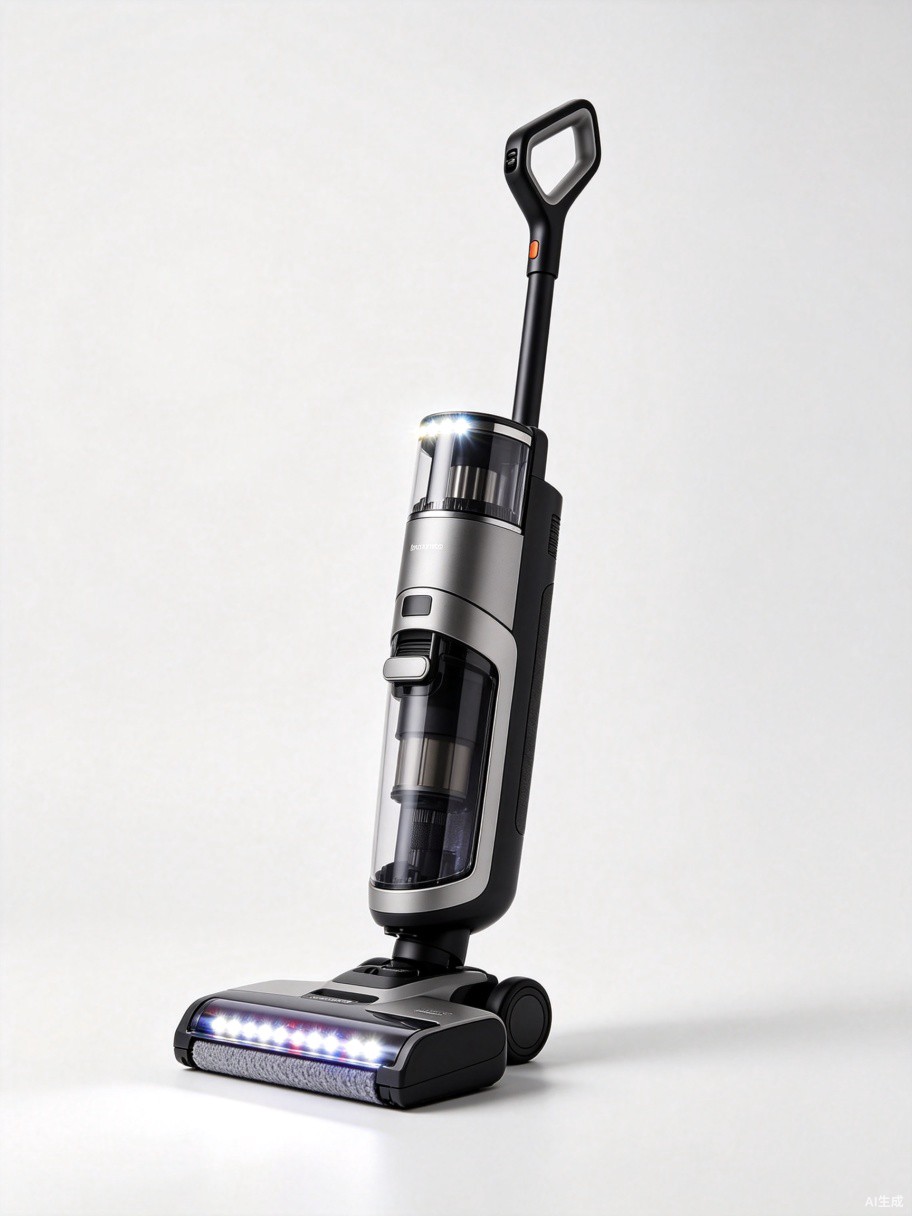
Dustbin capacity determines how often you'll stop to empty the vacuum — and for pet owners and large households, that matters a lot. Cordless stick vacuums typically hold 0.5–0.8 liters, which means emptying after every room or two. Uprights and canisters offer 1.5–3 liters, letting you clean a whole house without stopping. Robot vacuums with self-emptying bases can hold 30–60 days of debris before you need to touch them. If you have shedding pets or a large home, a bigger bin (or a self-emptying robot) saves significant time and hassle. Just remember that a larger bin also means a heavier machine.
7. Attachments and Accessories
The right attachments turn a good vacuum into a versatile cleaning system. At minimum, look for a crevice tool for tight spaces and baseboards, a dusting brush for shelves and blinds, and an upholstery nozzle for furniture and mattresses. Pet owners should prioritize a motorized pet hair tool, which uses a small spinning brush to pull embedded fur from carpets and couches. If you have high ceilings or ceiling fans, an extension wand is essential. Some premium vacuums include specialized tools like mattress cleaners or hard-floor polishers. Don't be swayed by a huge accessory count if the tools are flimsy — quality matters more than quantity. Check that attachments store on-board so they're actually convenient to use.
8. Warranty and Brand Reputation
A vacuum is a long-term investment, and the warranty tells you how much the manufacturer trusts its own product. Budget vacuums typically offer 1–2 year warranties. Mid-range models usually provide 3–5 years. Premium brands like Dyson and Miele offer 5–10 year warranties on motors and parts. Pay attention to what's actually covered — some warranties exclude batteries, belts, and filters (the parts most likely to fail). Beyond the warranty, consider brand reputation for customer service and parts availability. A vacuum from a company that still sells replacement parts a decade later is worth more than a slightly cheaper model from a brand that vanishes. Read independent reviews and check how the brand handles warranty claims.
Vacuum Price Ranges
Vacuums span a remarkably wide price range, and understanding what you get at each tier helps you spend wisely. Here's a breakdown of what to expect.
Budget ($50–$150)
Budget vacuums are basic but functional. You'll find lightweight stick vacuums, entry-level uprights, and compact canisters in this range. They're fine for small apartments, hard floors, and light cleaning — but expect weak suction on carpets, small dustbins, short warranties, and minimal attachments. Filtration is usually standard rather than HEPA. These vacuums are a reasonable choice for dorms, studios, or as a second vacuum for quick cleanups, but they won't last as long or clean as deeply as pricier models.
Mid-Range ($150–$400)
The mid-range is where most households find their sweet spot. You get genuine suction power, HEPA filtration, decent attachments, and solid build quality. This tier includes reliable corded uprights from Shark and Bissell, capable cordless sticks with 30–40 minute runtimes, and entry-level robot vacuums. Most mid-range vacuums come with 3–5 year warranties and are built to last. For a typical family home, this is where you'll get the best value for your money.
Premium ($400–$1,000+)
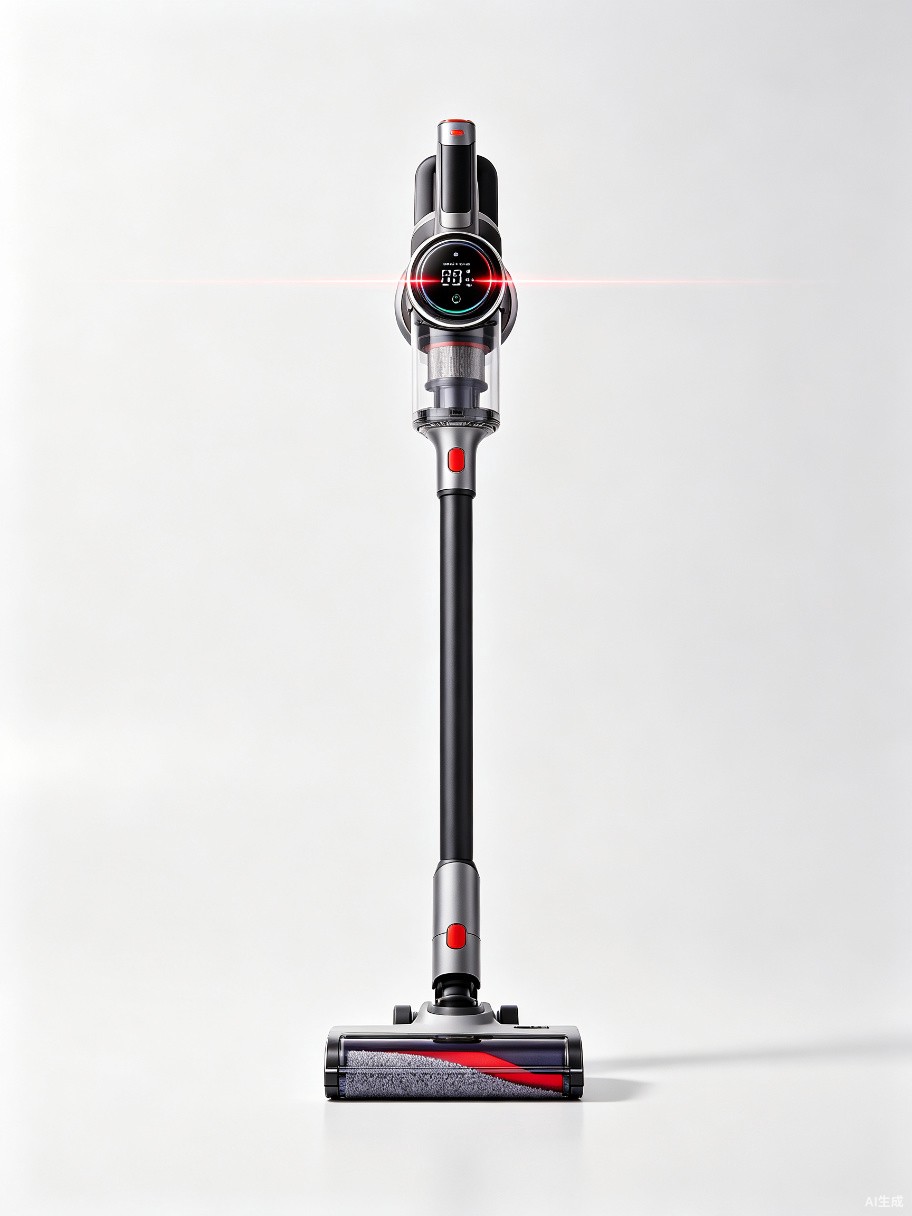
Premium vacuums deliver top-tier performance, advanced features, and exceptional durability. This tier includes Dyson's flagship cordless models with laser dust detection and LCD screens, Miele's sealed-system canisters that last 15+ years, and high-end robot vacuums that mop, self-clean, and auto-empty for weeks. You're paying for stronger suction, better filtration, smarter sensors, premium materials, and longer warranties. These vacuums make sense for large homes, severe allergies, heavy pet shedding, or anyone who wants the best cleaning experience available — but the performance jump over mid-range models is smaller than the price jump suggests.
Recommendations by Household Type
The best vacuum for you depends heavily on your living situation. Here's how to match a vacuum to your household.
Small Apartments
For studios and one-bedroom apartments (under 800 sq ft), a lightweight cordless stick vacuum is ideal. It's easy to store in a closet, grabs quickly for spills, and handles hard floors and area rugs without needing an outlet on every wall. Look for something under 8 pounds with at least 20 minutes of runtime. A compact robot vacuum is also a great set-and-forget option for keeping hard floors tidy between deeper cleans. Skip bulky uprights — they're overkill for small spaces and a pain to store.
Family Homes
For a 1,500–2,500 sq ft family home with a mix of carpet and hard floors, versatility is key. A mid-range corded upright or a powerful cordless stick with a large dustbin handles everything from cereal spills to muddy footprints. Look for a model with strong carpet agitation, a decent-size bin (1.5+ liters), and on-board attachments for stairs and upholstery. If budget allows, pair a full-size vacuum with a robot vacuum for daily maintenance — the combo keeps floors consistently clean with minimal effort.
Pet Owners
Pet hair is the ultimate vacuum stress test. It tangles in brush rolls, clogs filters, and embeds itself in upholstery. Pet owners need a vacuum with a motorized pet hair tool, anti-tangle brush roll technology, and strong sustained suction. A model with a self-cleaning brush roll (like Shark's Zero-M) saves hours of manual detangling. HEPA filtration is also important to capture pet dander and odors. Budget for a larger dustbin or a self-emptying model, as pet hair fills bins fast. Our top pet-hair picks consistently come from Shark, Dyson, and Bissell's Pet series.
Allergy Sufferers
If you or a family member has allergies or asthma, filtration is your top priority. Look specifically for a vacuum with a sealed system and true HEPA filtration — not just a "HEPA-type" filter. Miele's canister vacuums are the gold standard here, with sealed systems that prevent any air from leaking around the filter. Bagged models are preferable because emptying them doesn't release a cloud of dust. Avoid bagless models if possible, or empty them outdoors. A vacuum with good filtration doesn't just clean your floors — it actively removes allergens from the air you breathe.
Still unsure which vacuum is right for you? Our team has tested over 40 models side by side on carpet, hardwood, and pet hair. Check out our best vacuums of 2026 rankings to see which models earned our top scores, or learn more about the different types of vacuums to narrow down your options. If you already own a vacuum, our maintenance guide will help you keep it running like new.
Ready to Find Your Perfect Vacuum?
Now that you know what to look for, let us help you choose. We've tested 40+ vacuums to find the best options for every home, budget, and floor type.
See Our Best Vacuum Reviews →